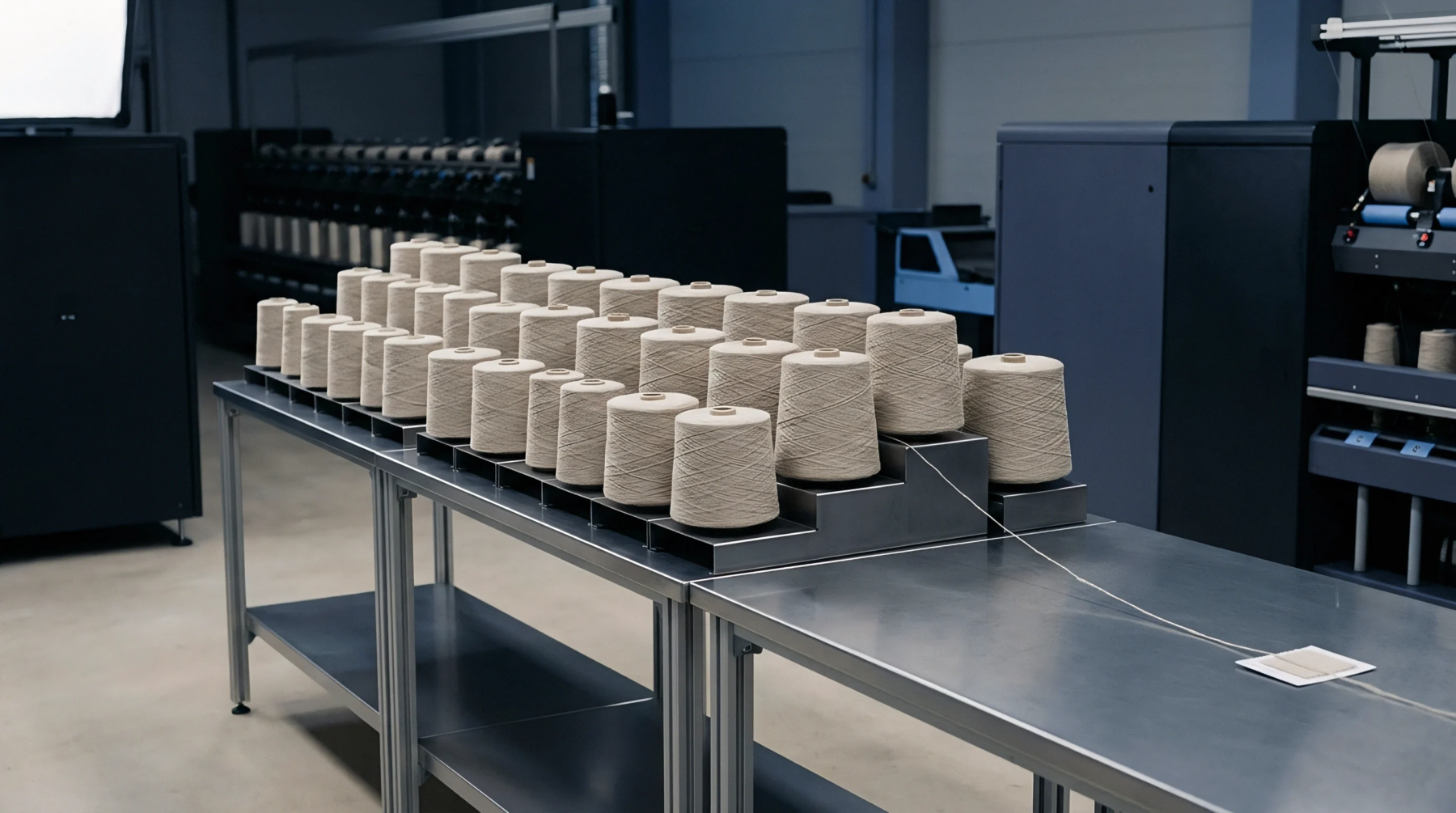
Who Pays the Retest When a Bulk Batch Fails
When a bulk batch fails primary testing, the mill pays for accredited retests if counter-sample analysis confirms non-compliance under contract terms.
When a bulk batch fails primary testing, the mill pays for accredited retests if counter-sample analysis confirms non-compliance under contract terms.

Subcontracted wet processing liability hinges on lot-level transaction certificates, retained split samples, and explicit pass-through warranty clauses.

Confirmed chemical non-compliance requires immediate split-sample secondary retesting under ISO 17025 protocols to enforce contractual indemnity and landed cost recovery.

Subcontracted wet processing liability requires explicit pass-through indemnity clauses and batch-linked transaction certificates to bind sub-tier dyehouses.

Subcontracted garment washing introduces unlisted auxiliary contaminants that invalidate scope certificates and require batch-level analytical verification.

Type approval certificates prove mill capability, while targeted lot indicator testing on repeat orders verifies shipment conformity before vessel loading.

Harmonizing transpacific chemical retests requires matrix-matched solvent selection, standardized extraction temperatures, and agreed guardbanding decision rules.

Repeat order verification relies on targeted chemical screening and transaction document cross-checking to confirm batch conformity against baseline approvals.

Verify APEO compliance by testing input chemical formulations via ISO 18218-1 LC-MS/MS at the mill kitchen rather than relying solely on fabric certificates.

Subcontracted extract dossiers require temperature coefficient corrections and membrane sorption controls to prevent regulatory non-compliance.

Shipments dispatched after certificate expiry lose legal compliance standing, triggering customs holds, analytical testing costs, and invoice chargebacks.

Flowing restricted substance lists to subcontracted dyehouses demands batch-level chemical tracking, verified bath controls, and explicit back-to-back testing indemnity.

Subcontracted dyehouse chemical risk requires binding PO flowdown clauses, batch-level ISO 17025 testing, and strict financial retainage mechanisms.

ISO 17025 envelope testing establishes clearance by testing worst-case chemical and physical fabric boundaries to clear full material families across markets.

Subcontracted dyehouse chemical compliance depends on lot-level testing schedules aligned with substrate risk and auxiliary flowdown.
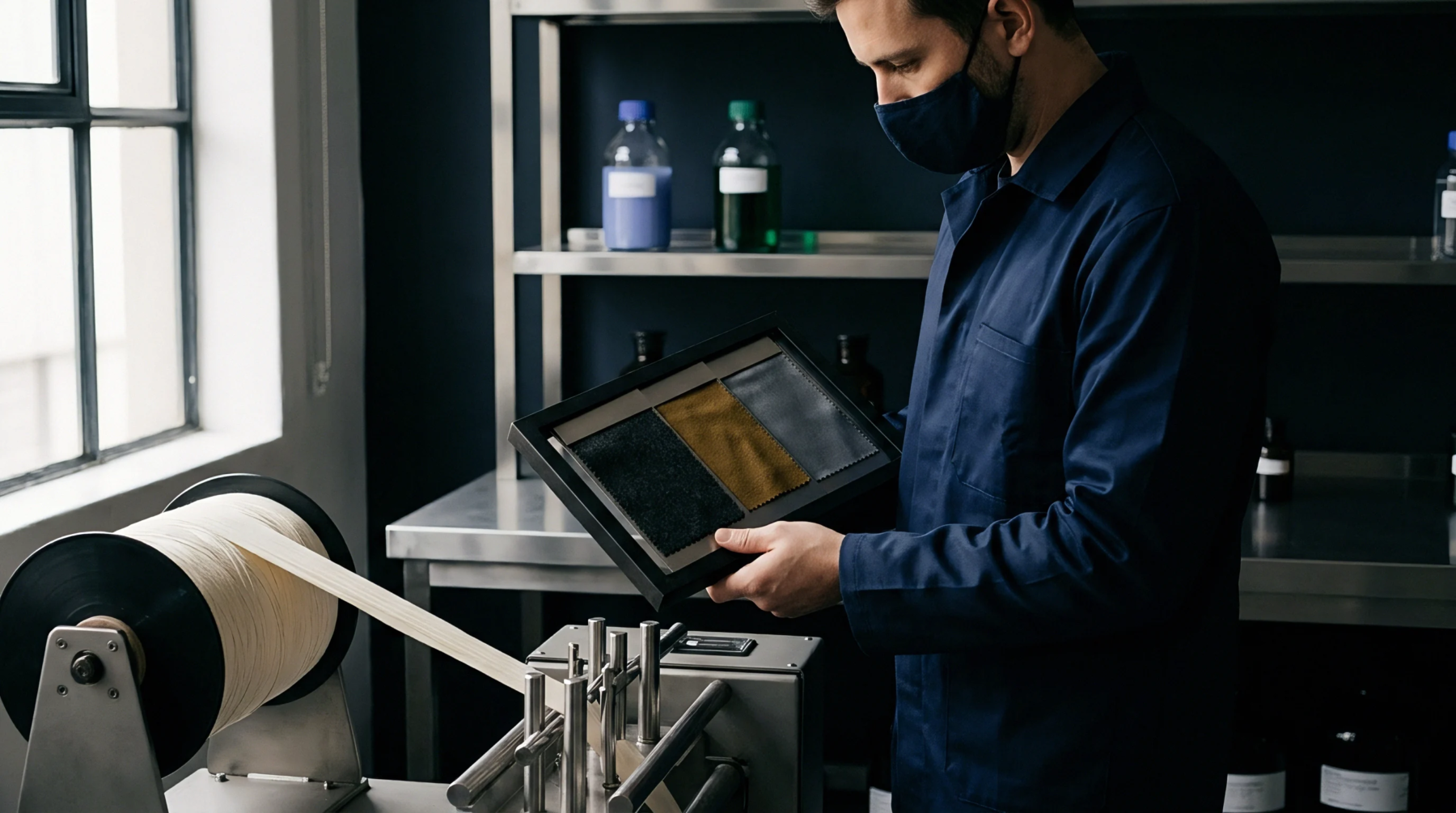
Contractual verification limits for repeat textile shipments require defined testing frequencies, standardized extraction methods, and explicit action thresholds.

Reconciling trace contaminant migration across recycled fiber tiers requires combining partition-coefficient modeling with batch testing rather than relying on paper mass balance credits alone.

Textile qualification requires mapping baseline chemical limits and physical standards to accredited lot-level test reports before releasing purchase orders.

Reduced verification screening matrices replace full quantitative panels on repeat orders with rapid indicator screening and adjusted composite pooling math.

Greige fabric certification demands batch testing of sizing agents, spin finishes, and biocide residues before finishing treatments mask regulated chemicals.
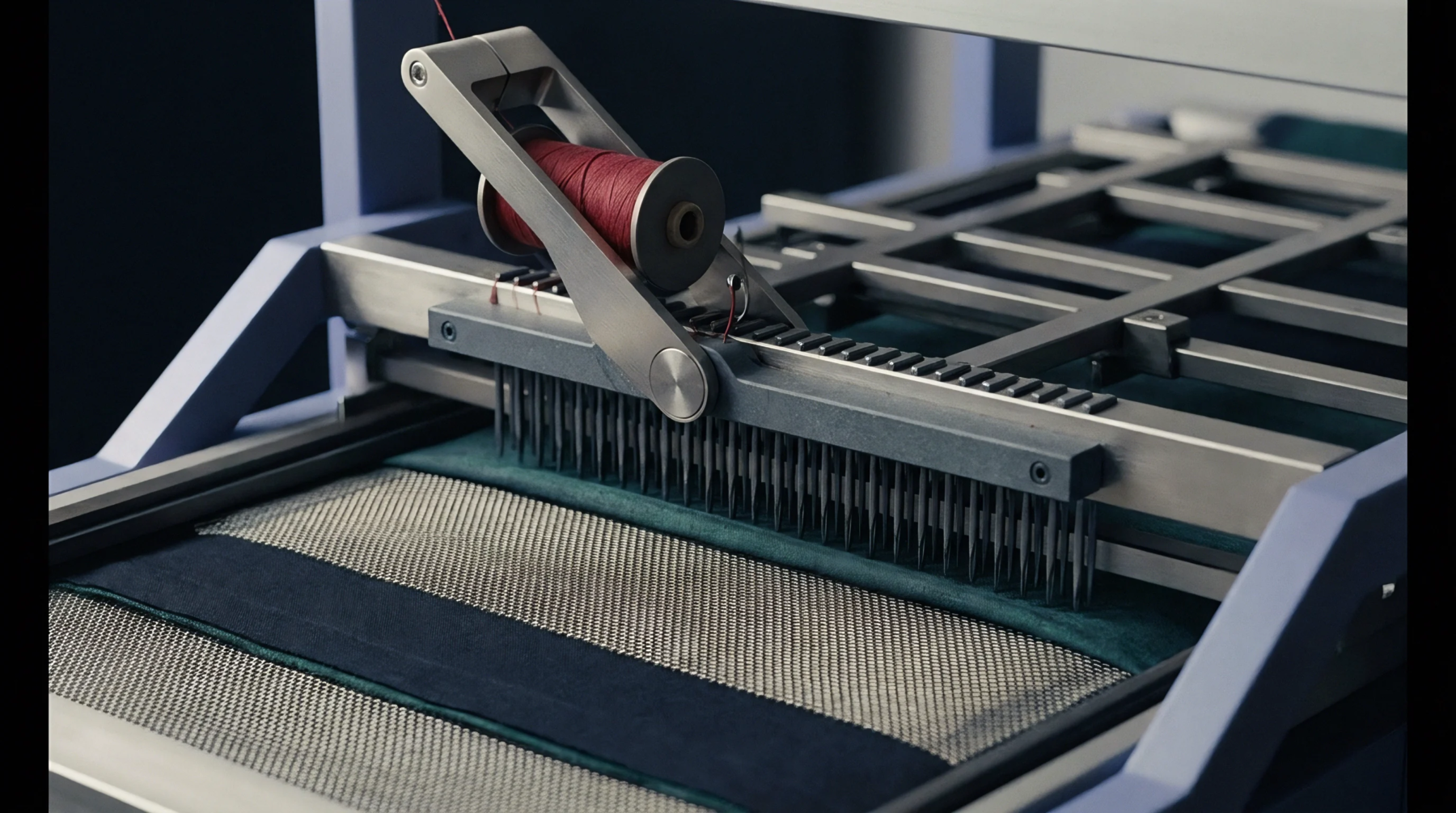
Unified chemical threshold matrices enable multi-market fabric clearance by harmonizing the strictest global limits into single-lot test protocols.

Empirical laboratory testing of raw liquid chemical auxiliaries prior to vat injection is mandatory to prevent subcontracted dyehouse contamination.

Standardized chemical limit verification in primary dyeing requires lot-level analytical testing linked to transaction certificates rather than factory scope documents.

An OEKO-TEX certificate scope covers only explicitly listed article descriptions, leaving chemically modified sister constructions uncertified without separate testing.
Composite fiber testing dilutes localized chemical contamination while wet processing alters analyte extraction, demanding matrix-adjusted reporting thresholds.

Baseline chemical retesting metrics for imported woven textiles require statistical lot sampling, matrix-matched analytical methods, and clear retest clauses.

Calculate converting indemnity reserves by aggregating full cut-and-sew garment losses, freight, retests, and disposal rather than processing fees alone.
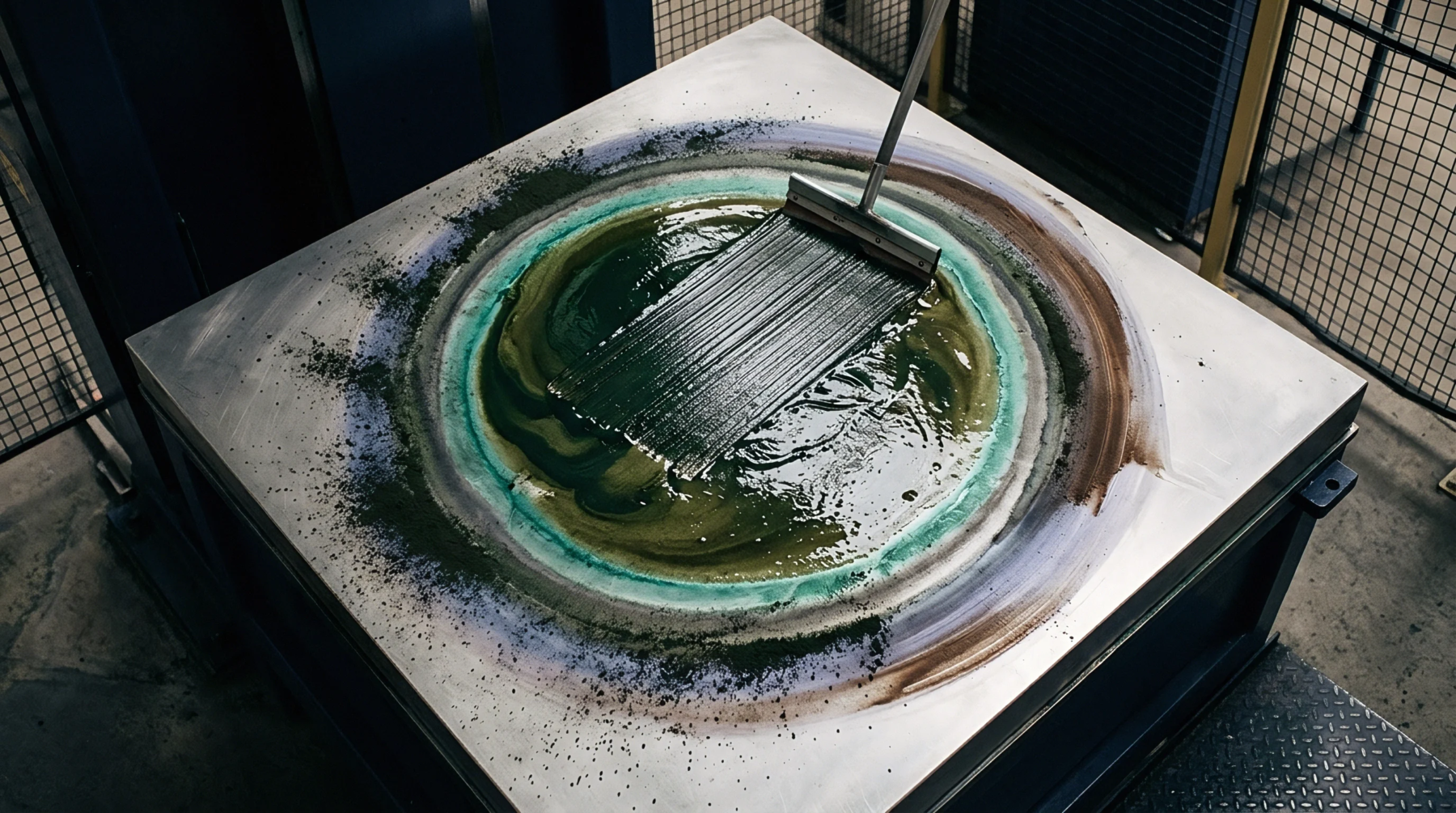
Subcontracted garment laundries introduce restricted auxiliary risks that require batch-level finished garment testing and strict contract indemnity clauses.

Cross border chemical retests demand exact matching of solvent polarities, extraction temperatures, and specimen shred sizes to resolve audit discrepancies.

Maintain uninterrupted textile compliance by requiring scope certificate validity sixty days past vessel arrival and tying payment release to valid transaction certificates.
Expertise is a utility, not a secret. sentiention™ publishes its working knowledge as open reference: intelligence layer covering the materials it sources, the markets it enters, and the reference that serves both.