
Split Sample Counter Testing Protocols in Transatlantic Dyehouse Contract Disputes
Enforceable split sample protocols mandate nitrogen-sealed tripartite swatches, pre-agreed ISO 17025 test methods, and statistical reproducibility limits.
Enforceable split sample protocols mandate nitrogen-sealed tripartite swatches, pre-agreed ISO 17025 test methods, and statistical reproducibility limits.
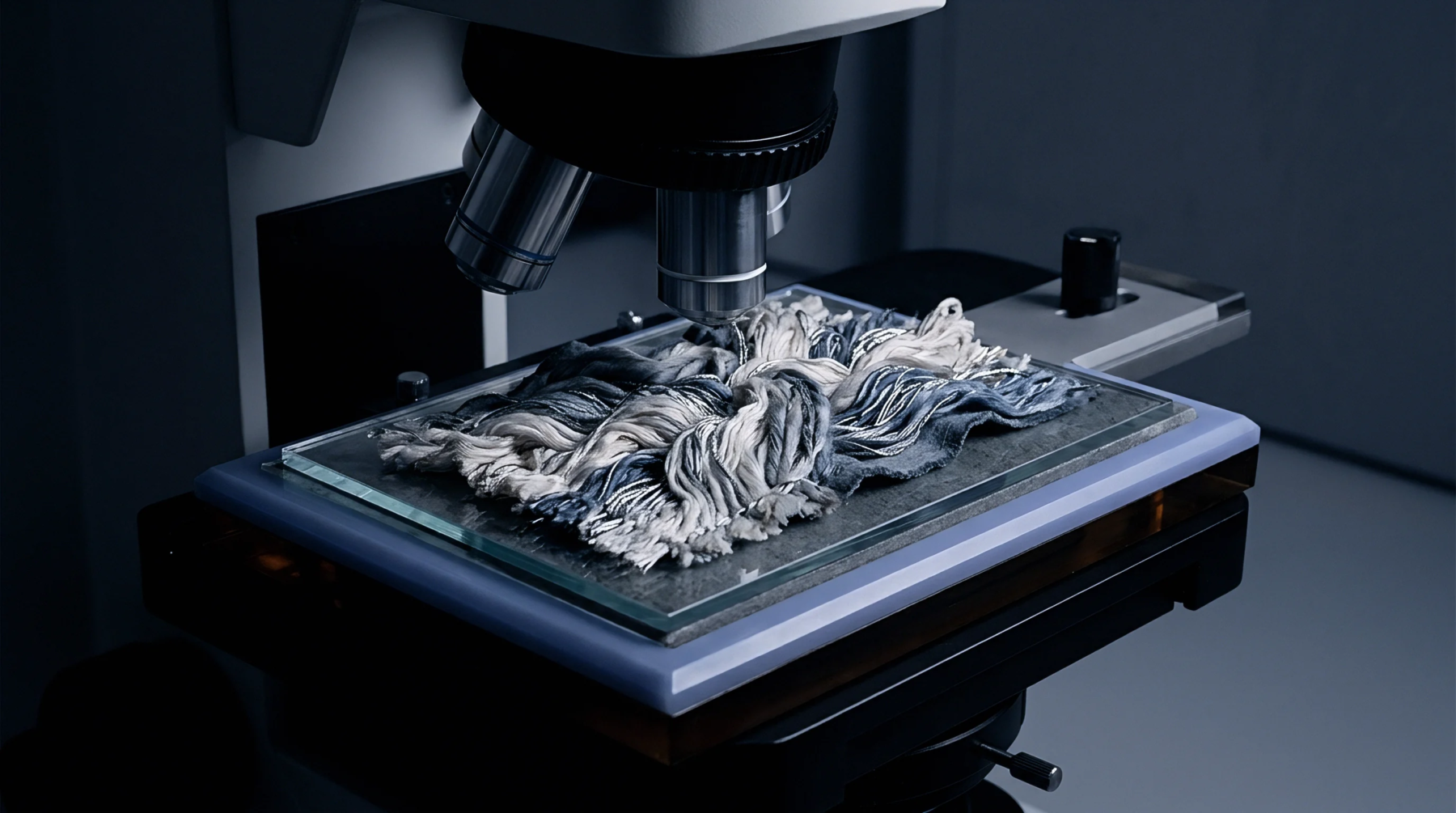
Flowing restricted substance lists to subcontracted dyehouses demands batch-level chemical tracking, verified bath controls, and explicit back-to-back testing indemnity.

Acceptance sampling for padded textile finishes requires zero-acceptance attribute plans, composite limit adjustments, and ISO 17025 laboratory scope verification.
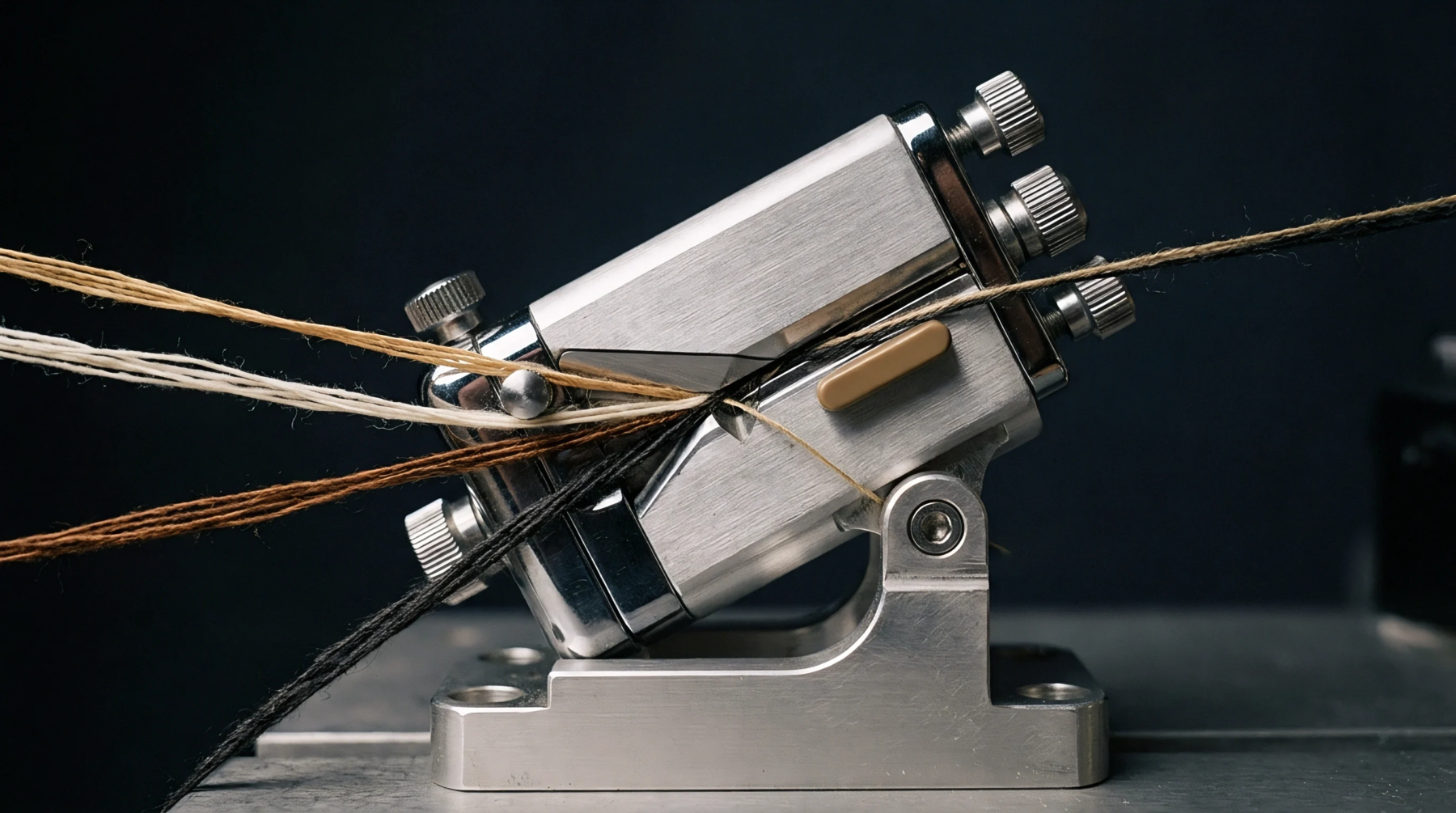
Resolving transboundary cashmere discrepancies requires ISO 17025 accredited SEM cuticle height analysis combined with ISO 6741 commercial moisture regain mass corrections.

Transatlantic textile claims resolve by applying critical difference calculations to inter-laboratory test variances before declaring commercial non-conformity.

Potentiometric control of high-concentration sodium hydroxide liquors requires matrix-matched calibration and derivative titration to correct sodium error and junction potential.

Stratified edge to middle textile sampling eliminates Consumer Risk by capturing process chemical gradients that simple random attribute inspection hides.

Grab and strip tensile test methods yield divergent breaking force values; cross-market compliance demands method-specific testing on identical batch swatches.

Cross border chemical retests demand exact matching of solvent polarities, extraction temperatures, and specimen shred sizes to resolve audit discrepancies.

Verify textile chemical volatility limits through lot-specific micro-chamber GC-MS testing and sealed foil sampling to prevent border detention losses.

Hierarchical Dirichlet Process mixture models isolate latent dyehouse solvent spikes from baseline emissions, preventing customs detentions caused by hidden tail-risk off-gassing.

Chemical dissolution tolerances require applying fibre-specific correction factors d to dry residue masses while holding temperature and exposure limits precise.
Fluorochemical compliance disputes demand standardized extraction solvents, split-sample protocols, and pre-allocated retest liabilities in purchase orders.
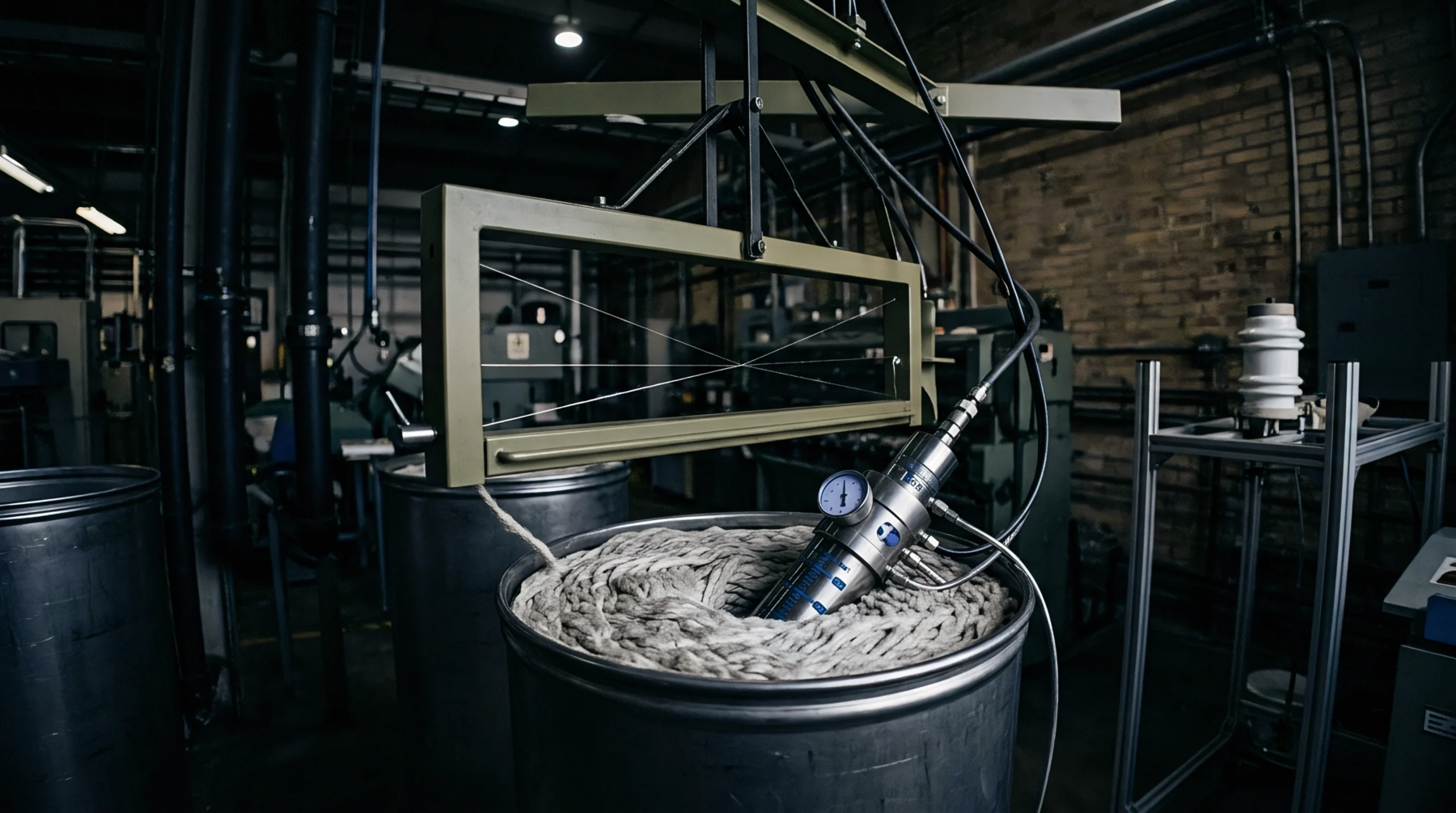
Polyurethane fabric compliance demands EN 17131 solvent extraction GC-MS verification rather than headspace screening to capture entrapped aprotic solvents.
Recurrent fabric compliance demands batch-level analytical testing, scope-matched transaction certificates, and mill auxiliary chemical audit controls.

Thermal oven clearance of aprotic solvents from coated PVC requires balancing dwell kinetics against plasticizer bonding to satisfy destination testing limits.

Micro-denier cellulosics alter selective dissolution kinetics by increasing capillary entrapment, demanding modified d-factors and strict IV monitoring to fix blend percentages.
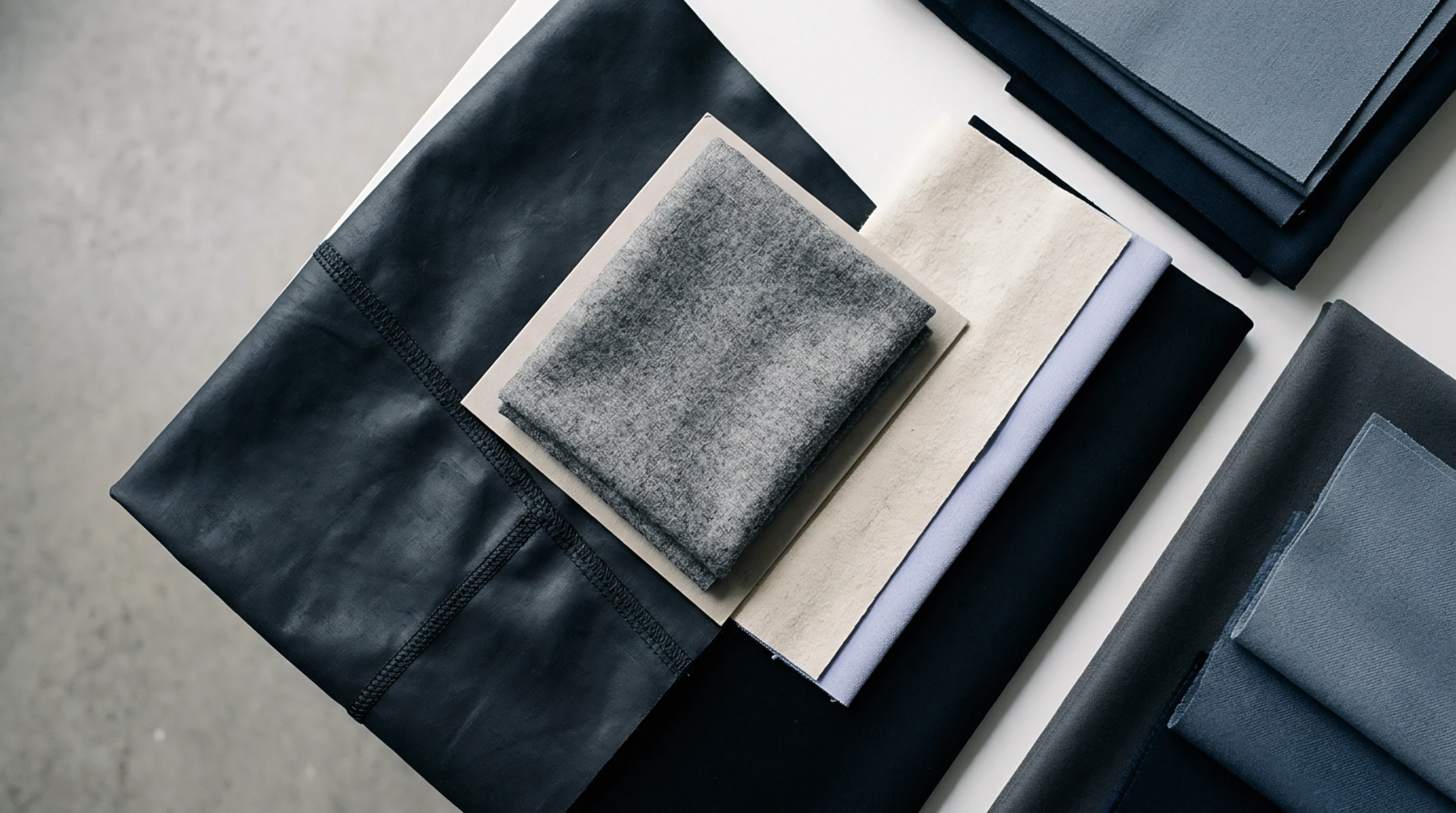
Baseline chemical retesting for woven fabric requires lot-tied testing intervals matched to finishing risk, analytical variance buffers, and contract indemnity.
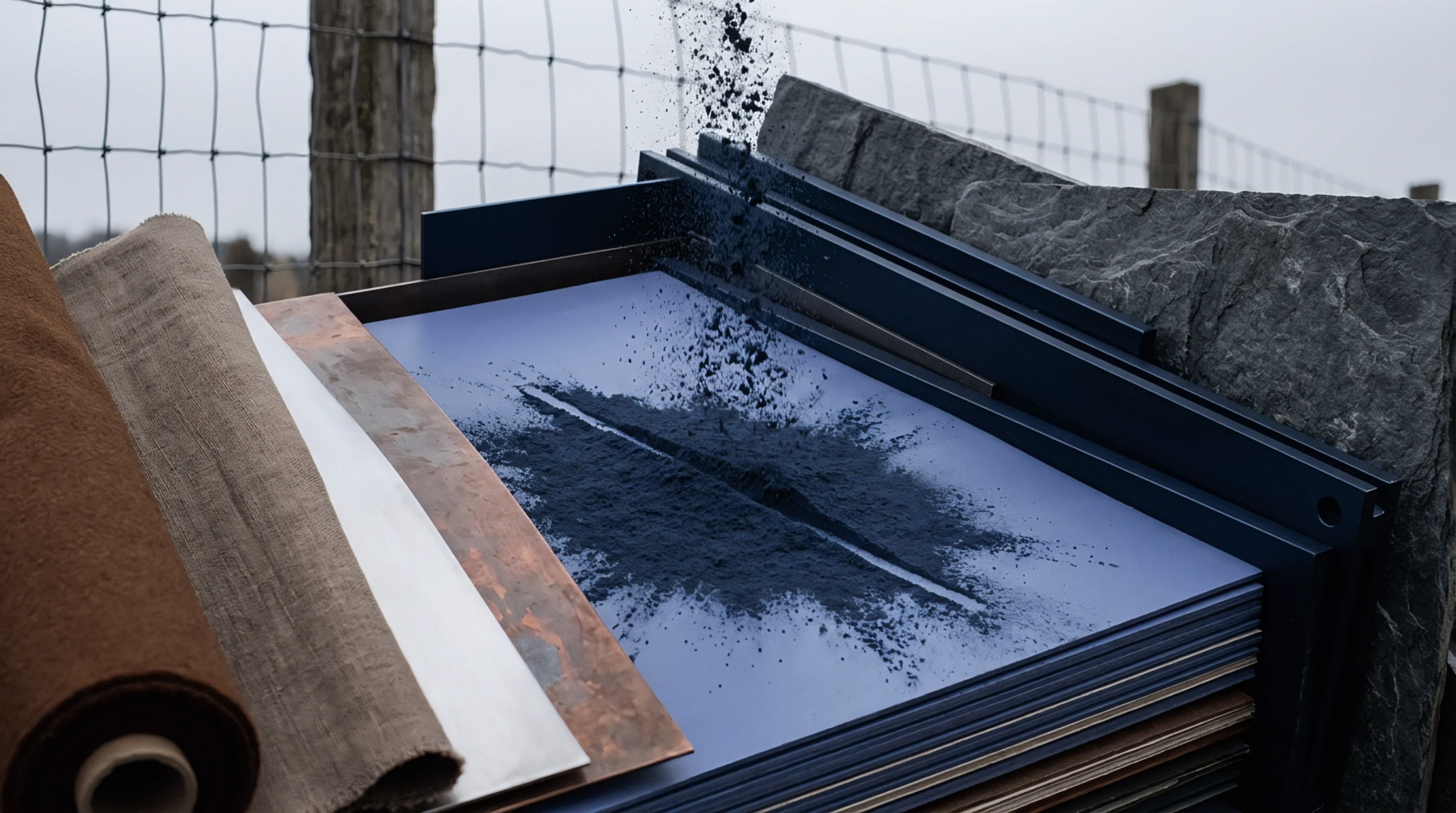
Structure a 15 to 25 percent commercial purchase order holdback tied to ISO 17025 accredited laboratory test reports before clearing wet-processing balances.

Statutory moisture regain tables alter dry laboratory mass into distinct legal percentages across customs regimes, moving tariff codes near chief-weight cliffs.

Standard gas chromatography screens for banned azo dyes by quantifying cleaved aromatic amines against the 30 mg/kg limit via EN ISO 14362 methods.

HPLC-DAD verification with DNPH derivatization resolves false colorimetric formaldehyde failures caused by dye and auxiliary interference under ISO 14184-1.

Commercial moisture regain correction converts oven dry chemical dissolution values to legal customs chief weight percentages in borderline cotton blends.

Assaying recycled dimethyl terephthalate requires combined gas chromatography and spectroscopic determination of ester purity, aldehyde isomers, and metal residues.

Testing heavy metals in chemically recycled resins demands microwave acid digestion and ICP-MS verification to prove batch compliance against regulatory limits.

Textile extract pH testing requires precise solvent media selection, 3-point calibration, and spatial roll sampling to satisfy global market standards.
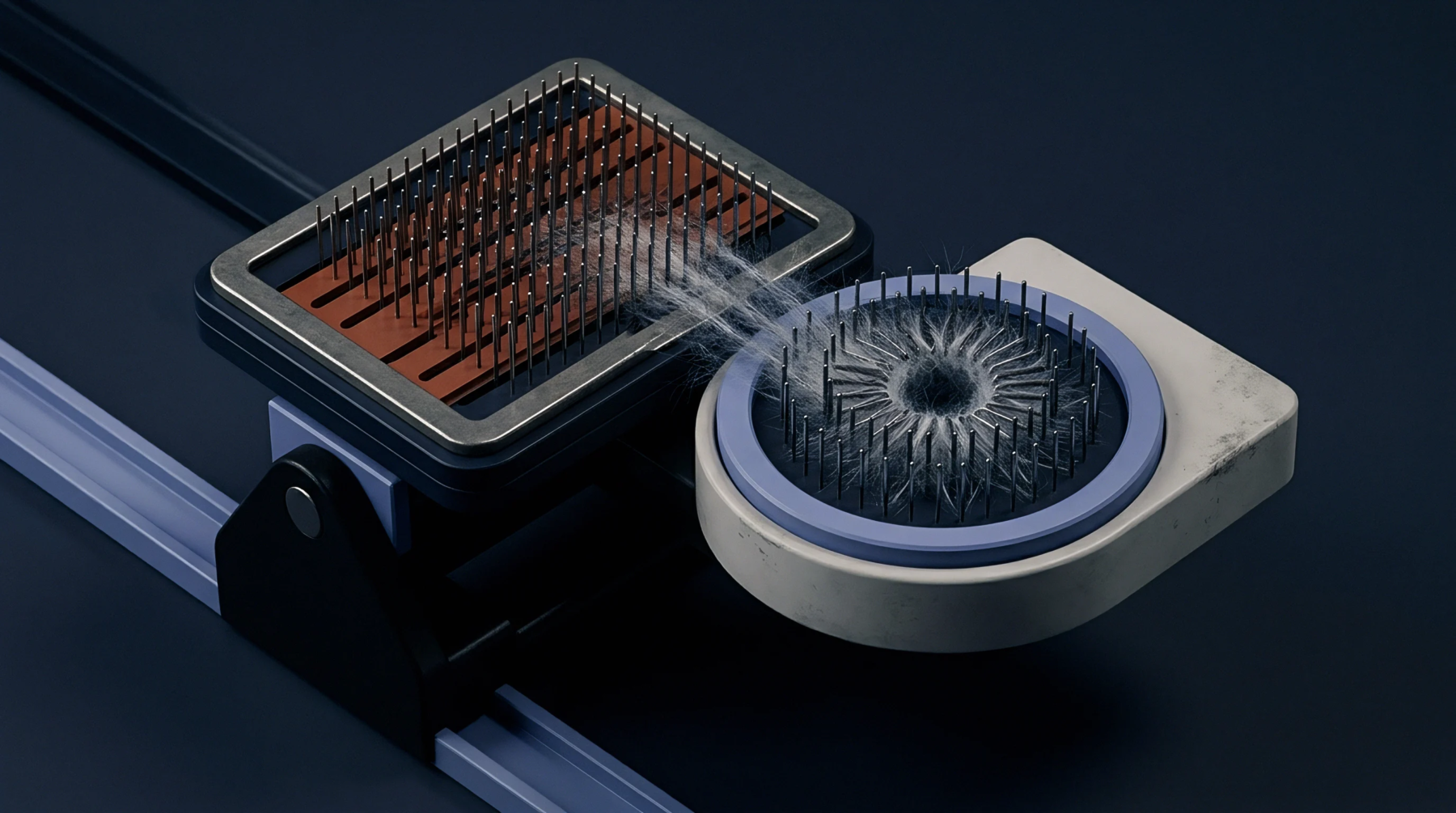
Maintain positive pressure above 40 kPa on 3M KCl reference bridges to suppress sodium back-diffusion and prevent liquid junction voltage drift in 4M Na background testing.

Quantification of banned aromatic amines in PET requires solvent extraction, chemical reduction, and GC-MS SIM analysis against a 20 mg/kg limit.

Optimizing solid-phase extraction cleanup removes interfering polyester oligomers, securing accurate mass spectrometry quantification for REACH compliance.
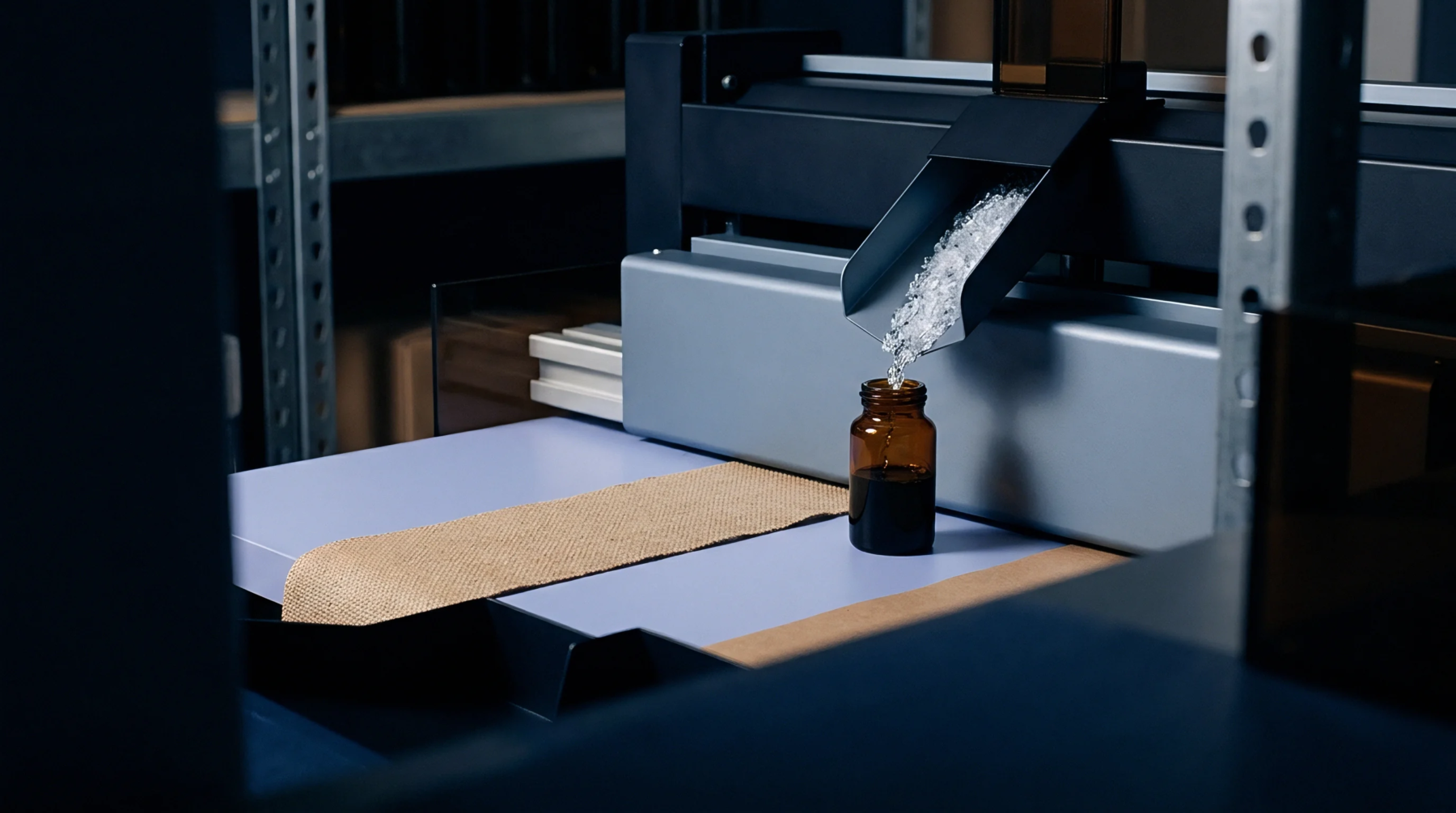
Verify chemical formulations through tiered chromatographic testing tied directly to consumption volumes before integrating raw auxiliaries into wet processing baths.
Expertise is a utility, not a secret. sentiention™ publishes its working knowledge as open reference: intelligence layer covering the materials it sources, the markets it enters, and the reference that serves both.