
Determining Clean Dry Mass in Textile Blend Testing
Clean dry mass removes finishes and water to yield true polymer weights, which commercial regain adjustments convert into legally defensible blend ratios.
Clean dry mass removes finishes and water to yield true polymer weights, which commercial regain adjustments convert into legally defensible blend ratios.

Coupling multi-scale drag and tribological simulations stabilizes binary fiber ratios across chute and drafting zones, eliminating costly customs misdeclarations.

Calibrated boundary friction in chute walls suppresses synthetic staple percolation by equalizing velocity profiles across differing denier fractions.
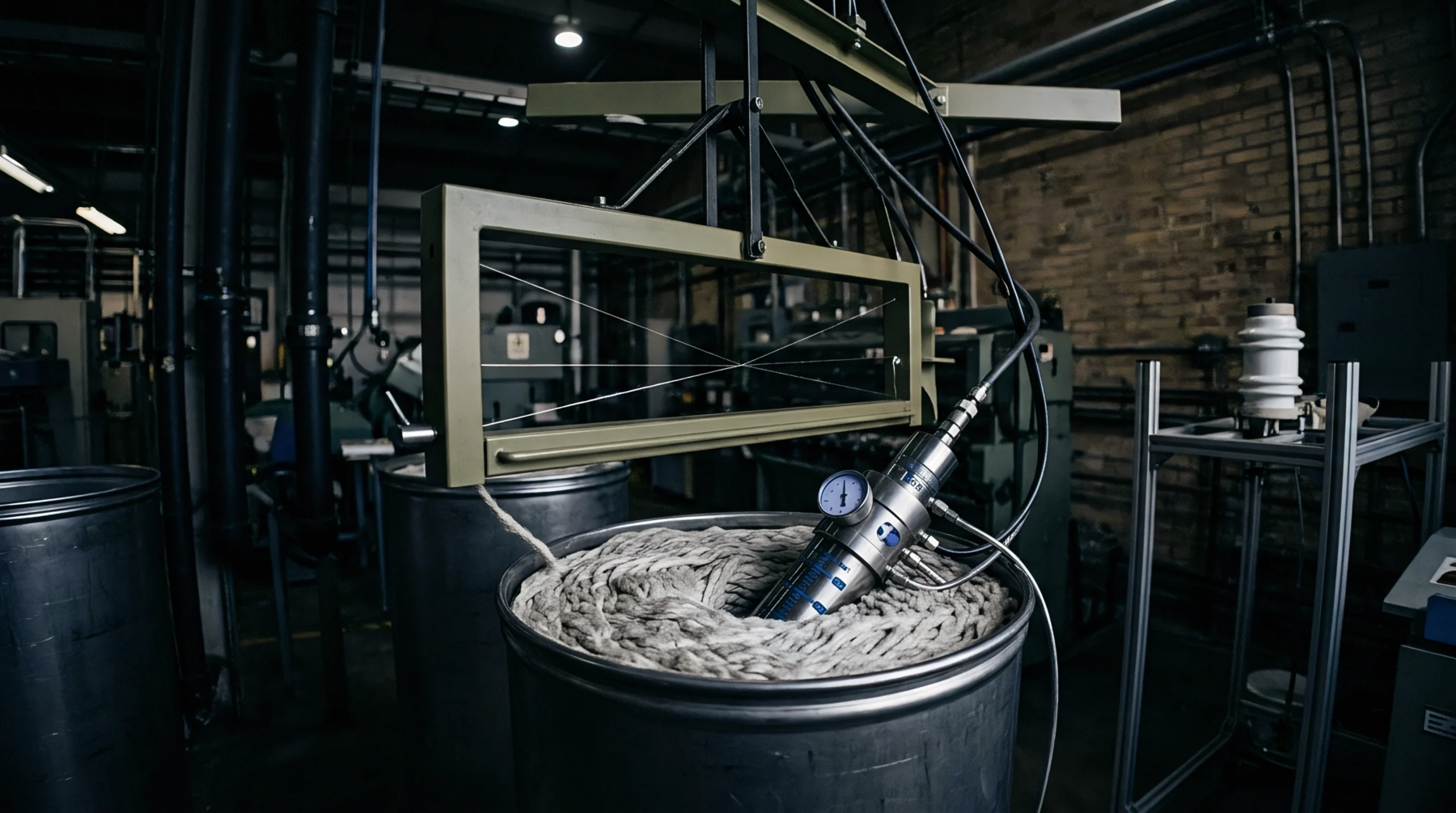
Aerodynamic slip velocity differences sort binary fiber stocks in pneumatic lines, causing card-to-card blend drift that triggers costly customs reclassification.

Chemical dissolution isolates synthetic residues while statutory moisture regain corrections shift dry gravimetric yields across customs chief-weight lines.
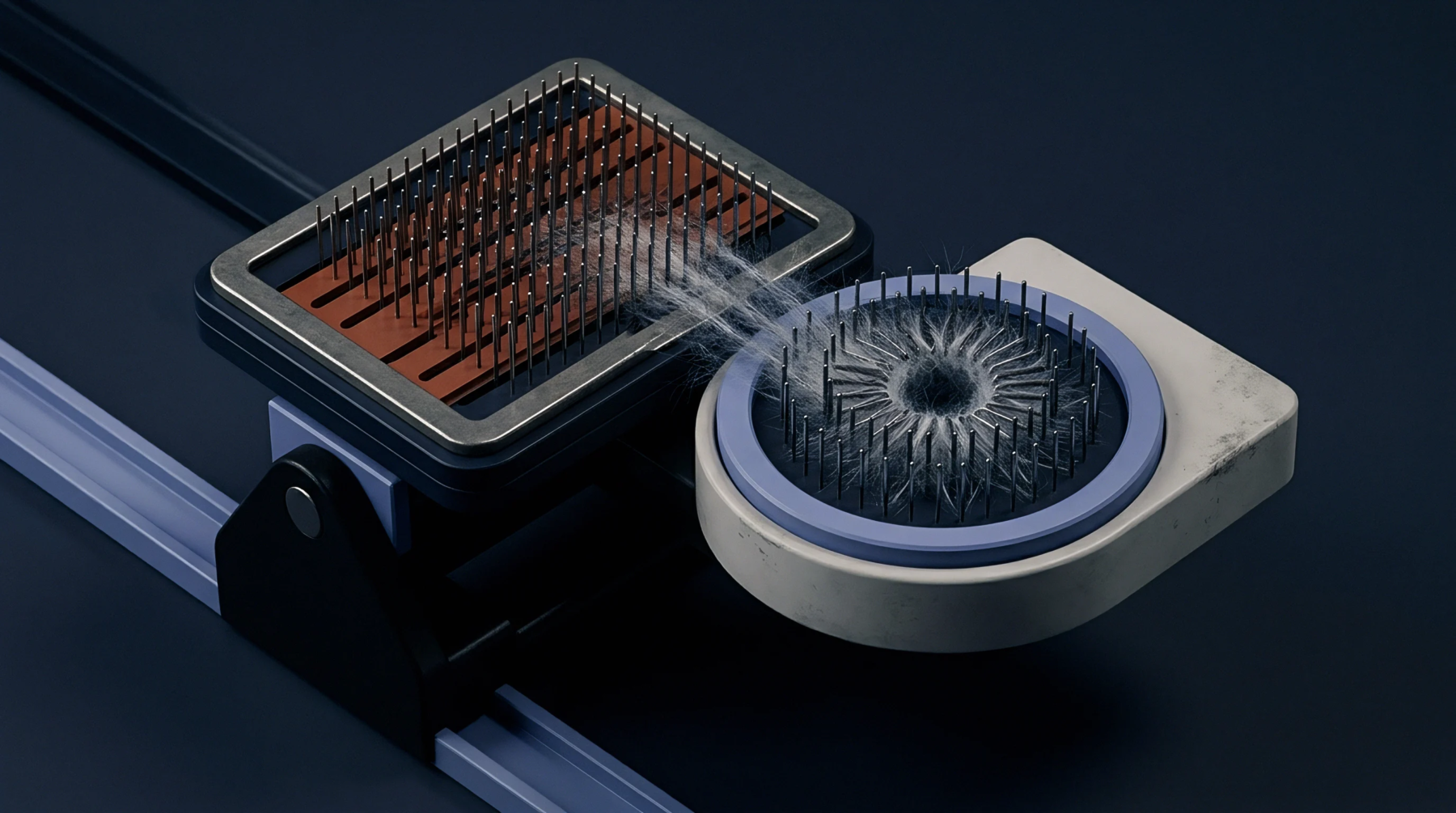
Customs chief-weight classification for multi-fibre textiles depends on whether laboratories calculate percentages on oven-dry mass or statutory regain values.
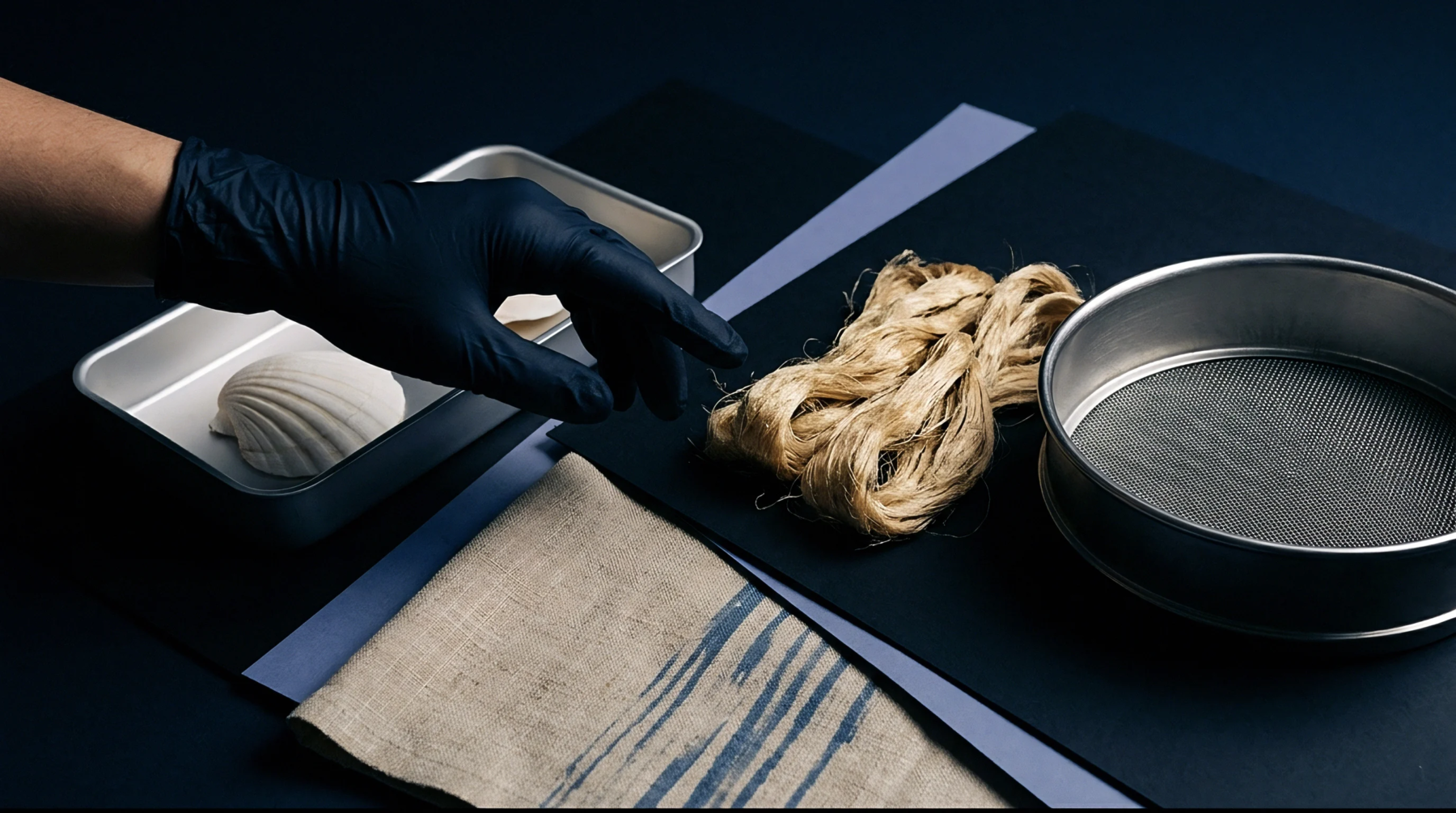
Commercial mass calculations adjust billed consignment weights to oven-dry mass plus standard moisture regain, preventing buyers from paying yarn prices for water.

Standard solubility correction factors adjust insoluble gravimetric yields to prevent miscalculation of commercial mass and tariff misdeclarations.
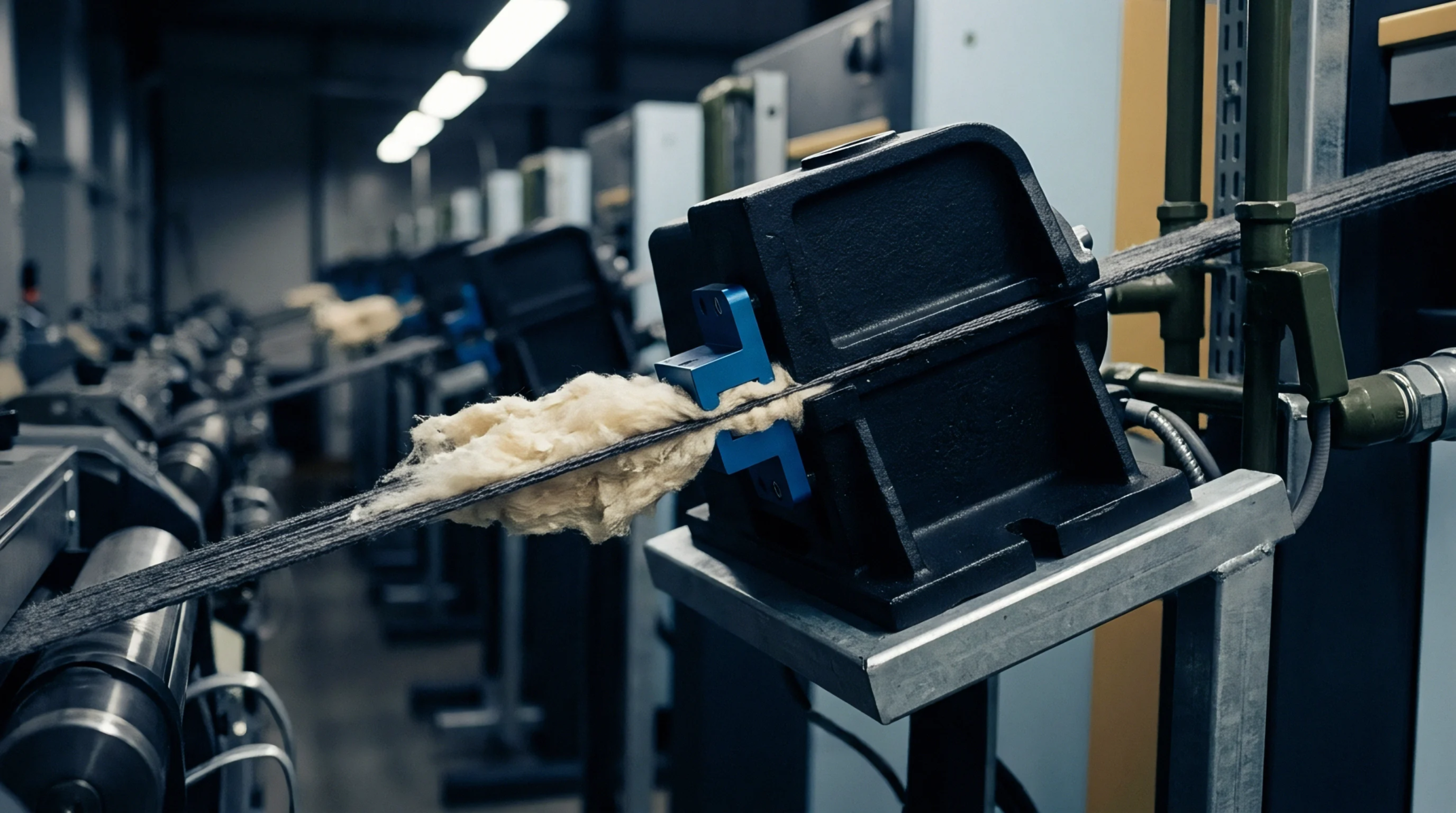
Thermodynamic sorption corrections convert ambient multi-fiber invoice weights to legal dry commercial mass, eliminating excess water charges and tariff overpayment.
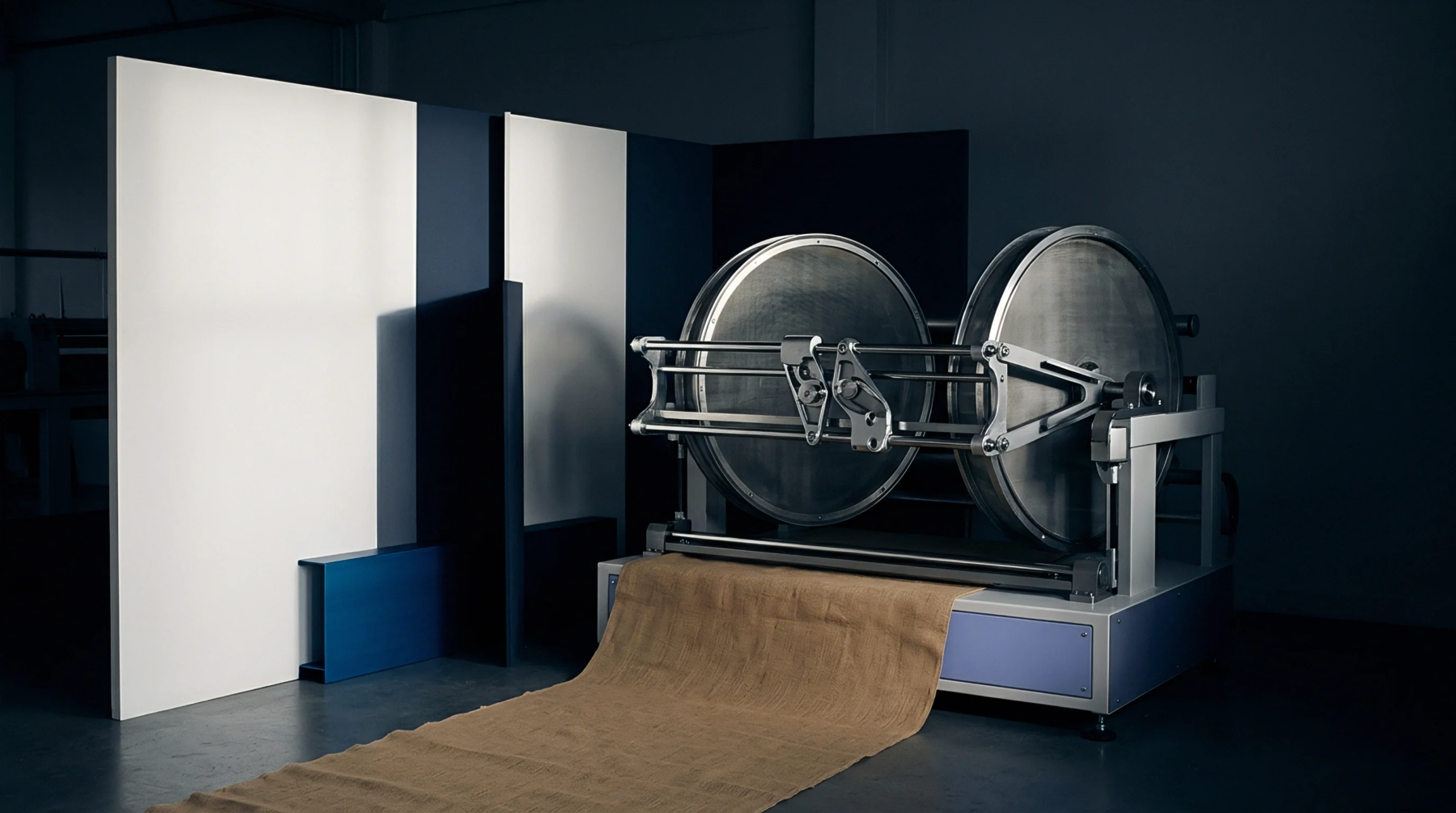
Cross-polarized darkfield line-scan arrays eliminate specular glint on bicomponent microfibers, cutting false defect scrap rates below one percent.

Infragold diffuse reflectance cavities provide thermally stable, non-hydrocarbon NIR baselines that preserve blend quantification on high speed sorting lines.

Chlorinated solvents dissolve high tenacity yarns at distinct thermodynamic thresholds, enabling precise quantitative separation and customs verification.
Controlled depressurization below 1 MPa per minute prevents cavitation and mass loss during elevated pressure extraction of polyurea elastomer matrix finishes.

Pressurized fluid extraction using dimethylacetamide at 115 C and 10.5 MPa isolates elastane in fifteen minutes while limiting polyamide mass loss to under 0.3%.
Reconcile dock scale variances by calculating commercial mass from clean oven-dry weight plus statutory tariff regain schedules rather than ambient mass.
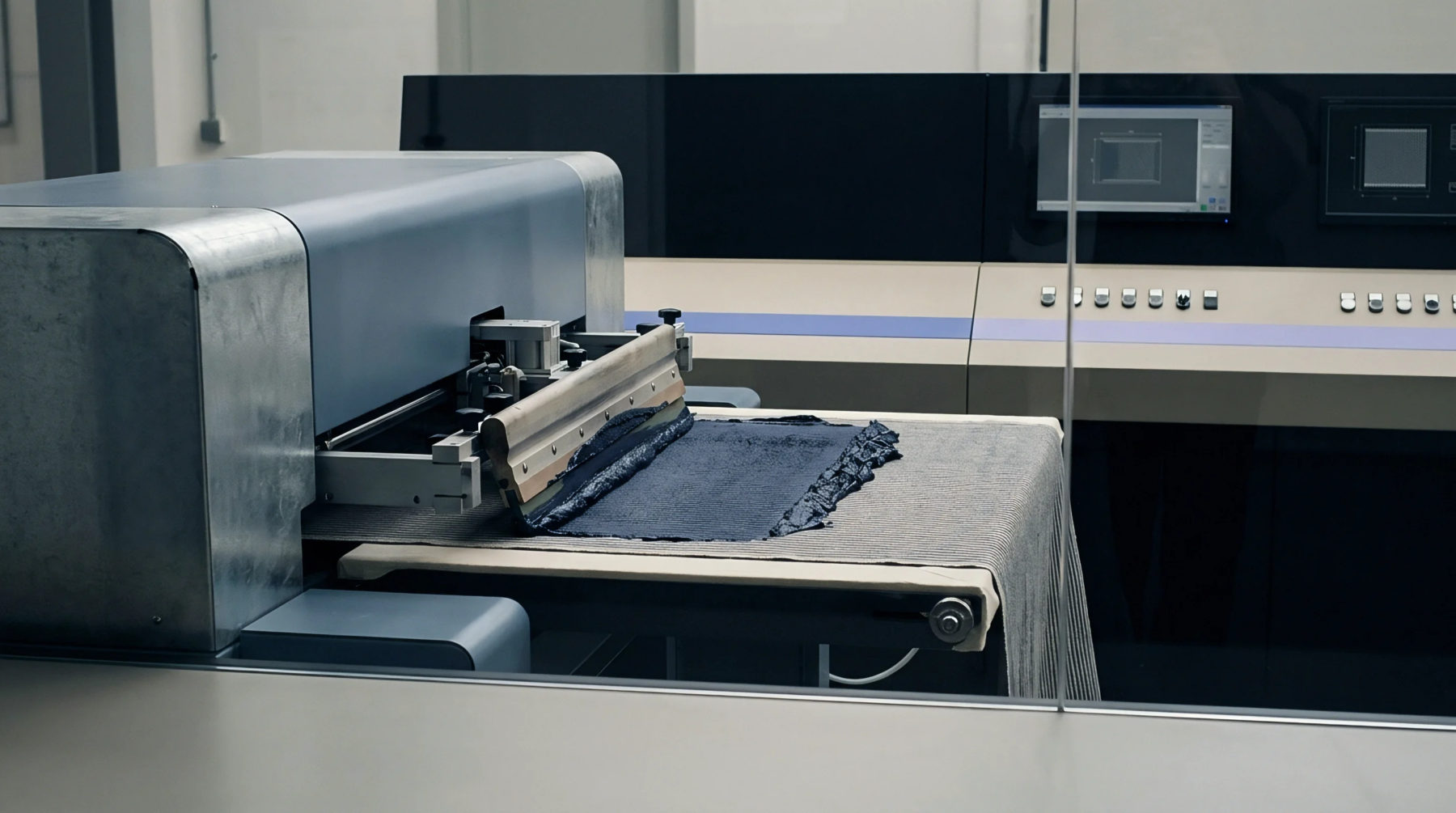
Applying ISO 6741 commercial regain adjustments converts clean dry mass into invoiced commercial weight, eliminating moisture weight errors in blend purchases.

Commercial regain calculations standardize textile import weights by converting wet scale mass to oven-dry mass and adding statutory moisture allowances.

Pre-treatment solvent extraction eliminates spin finish mass errors, ensuring precise quantitative fiber analysis and valid tariff classification.

Specifying empirical correction factor d in purchase contracts resolves mass variance and tariff risk caused by recycled polyester dissolution losses.

Degraded synthetics exhibit non-linear regain increases that distort commercial mass and skew customs tariff declarations when tested against virgin baselines.
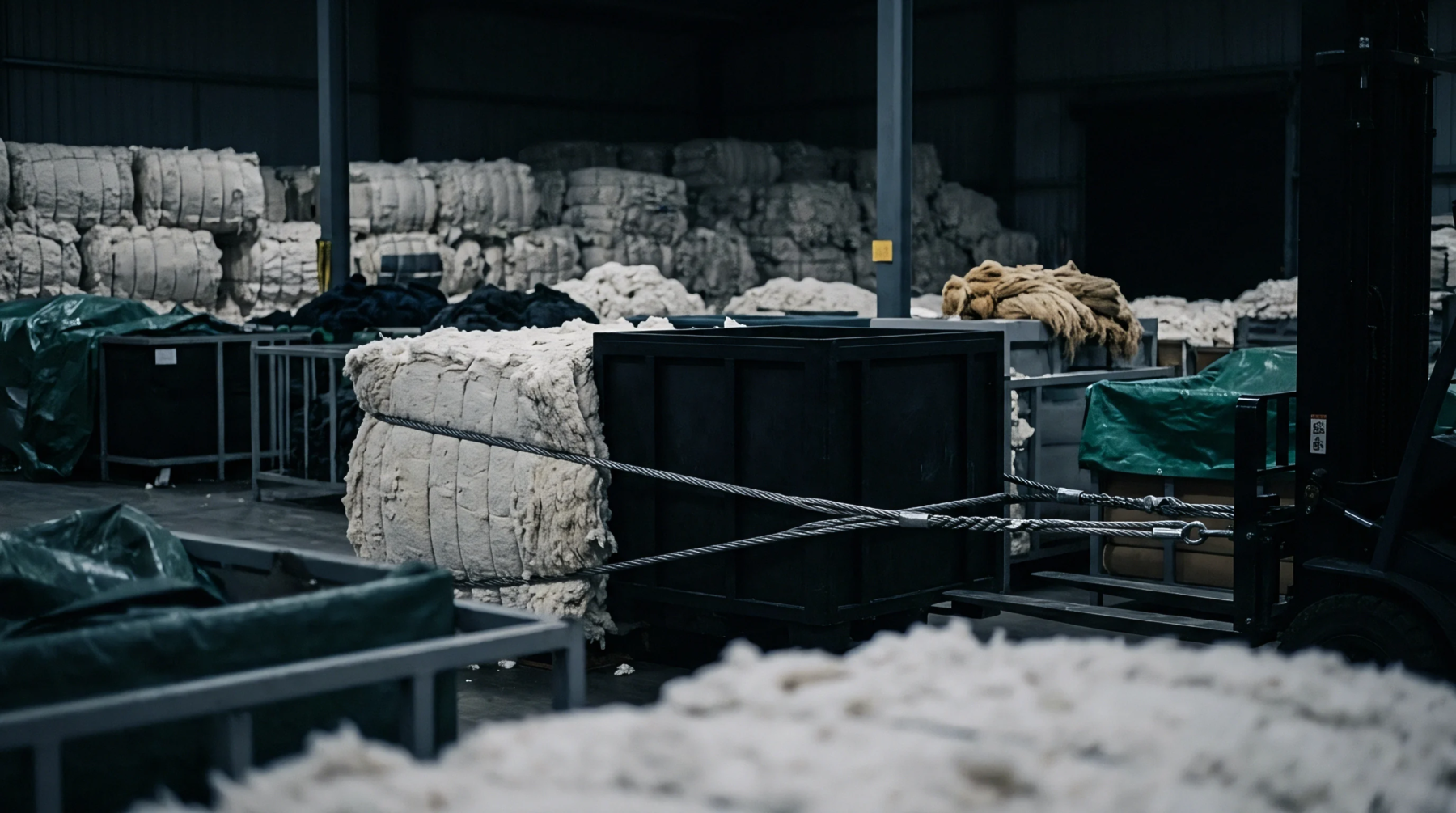
Verify transaction certificates against bulk broadcloth shipments by checking live digital registries, mass loss ratios, container seals, and roll tags.

Polymer chain scission reduces intrinsic viscosity, accelerating non-target dissolution and skewing gravimetric blend testing without calibrated d-factors.

Disparity resolution requires calibrating ISO 1833 d-factors for degraded recycled polymers and enforcing P40 filter split-sample arbitration protocols.

Adjusting synthetic cellulose weight for commercial moisture regain prevents customs overvaluation and resolves borderline tariff classification disputes.

Customs classification relies on oven-dry chemical gravimetry adjusted by statutory moisture regain rates rather than raw commercial invoice declarations.
Statutory tolerances fail unless chemical test reports account for reagent dissolution d-factors and official moisture regain adjustments on clean dry residue.
Expertise is a utility, not a secret. sentiention™ publishes its working knowledge as open reference: intelligence layer covering the materials it sources, the markets it enters, and the reference that serves both.