
Natural and Synthetic Fibres and What Each Does in a Fabric
Fibre composition dictates physical durability, moisture regain, dye chemistry, and customs classification before spinning machinery turns.
Fibre composition dictates physical durability, moisture regain, dye chemistry, and customs classification before spinning machinery turns.

Declared composition tolerances bridge laboratory test method noise and commercial target blend ratios through standardized moisture regain corrections.
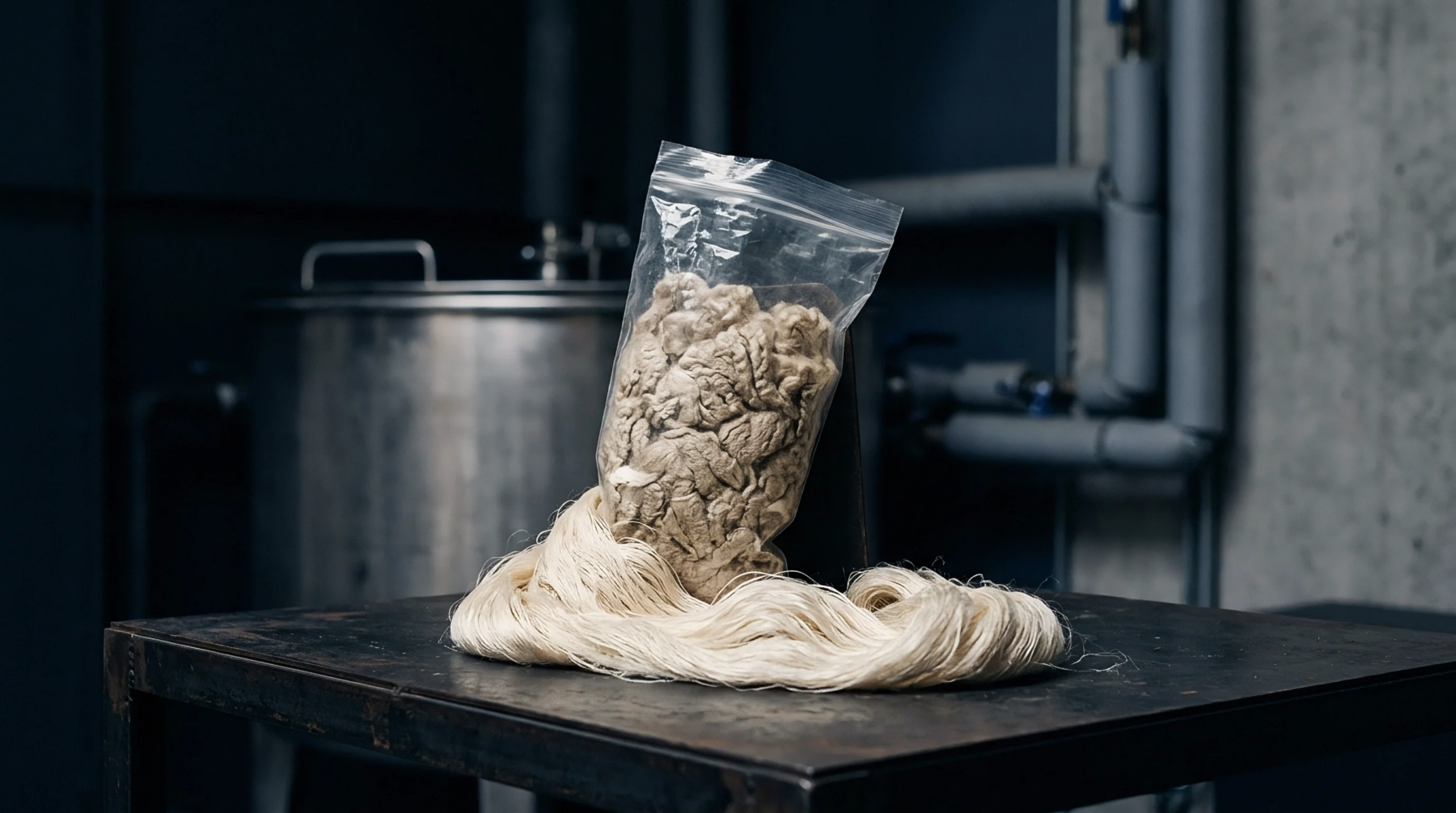
Commercial mass equals oven-dry mass multiplied by standard regain allowances, establishing an immutable billable weight independent of transit moisture shifts.

Solvent extraction adjustments correct non-fibrous loss and moisture regain to convert raw dry residual weights into accurate commercial mass for tariff settlement.

Weighted commercial regain calculations turn dry mass fractions and standard allowance rates into contractually enforceable net billable yarn shipment weights.

Accurate woven mass calculation requires modeling yarn counts, crimp percentages, sizing removal, and moisture regain across every step from loom shed to final invoice.

Viscose wool composition drift stems from differing standard moisture regain allowances, requiring dry-mass conversion formulas to protect tariff lines and invoices.

Customs valuation for multi-fibre blends requires deriving commercial mass by adjusting clean oven-dry weight with ISO 6741 weighted fibre regain allowances.

Reconciling yarn extrusion transaction certificates requires adjusting gross output weight for spin finish oils and moisture against real extruder purge loss.

High-speed air jet blend spinning causes non-linear, component-biased waste drift that alters yarn ratios and requires speed-indexed toll pricing models.

Commercial moisture regain allowances alter declared fiber percentages, triggering customs tariff reclassification across critical weight thresholds.

Adjusting dry test mass using official moisture regain values shifts binary fiber ratios, changing chief weight tariffs and altering landed customs duties.

Reconciling quantitative chemical dissolution variances requires adjusting raw dry laboratory residues using standardized solvent d-factors and statutory commercial regain allowances under ISO 6741.
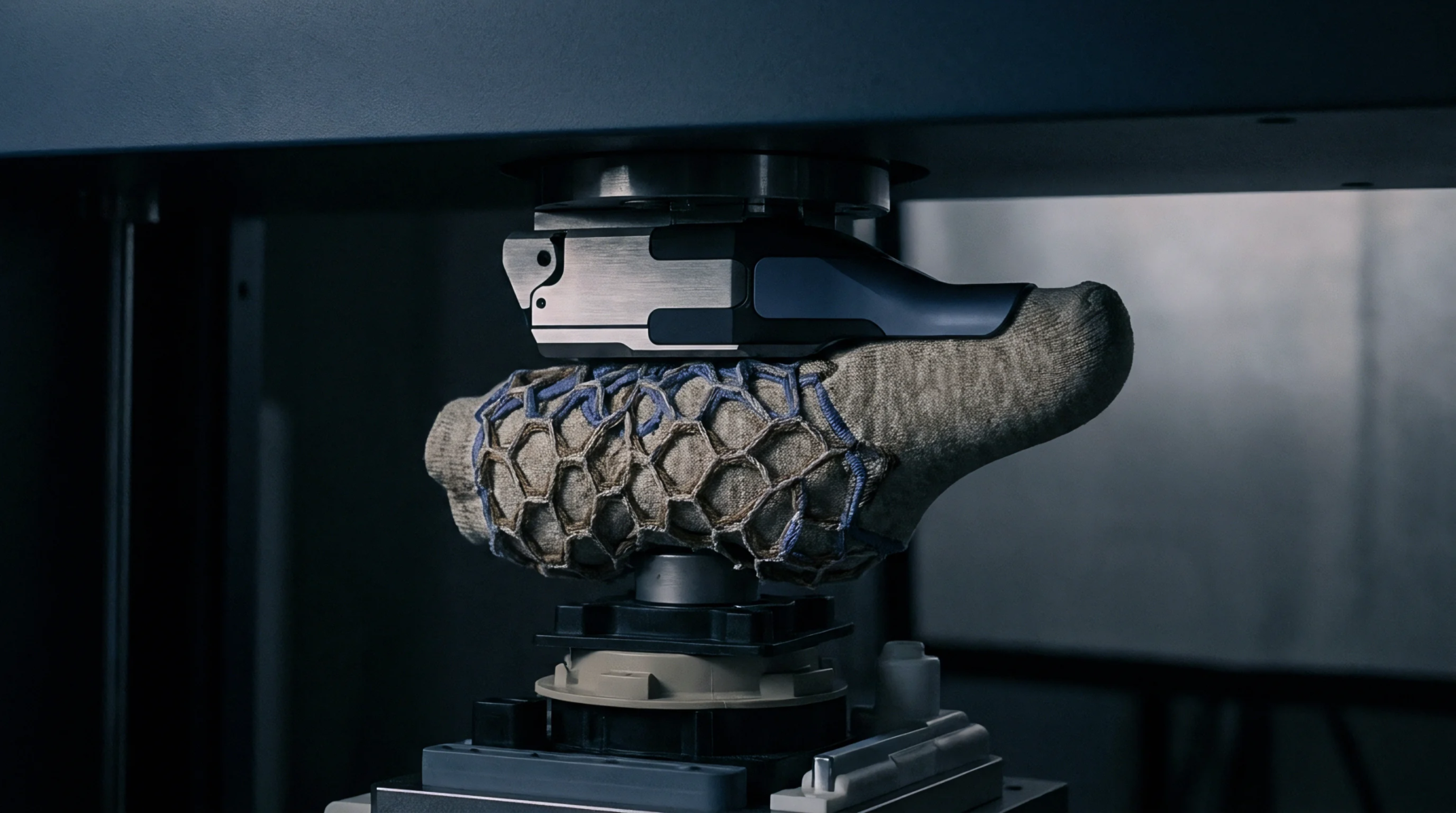
Chlorinated solvent extraction of synthetic yarns leaches structural cyclic oligomers, requiring chromatographic baseline corrections to prevent inflated finish oil counts.

Resolving yarn density disputes requires standardized Soxhlet solvent extraction, precise 0.5 cN/tex pretensioning, and ISO 5725 statistical critical difference bounds.

Quantitative solvent extraction defines yarn blend ratios by dry mass, determining tariff headings where a 1 percent shift alters landed duty costs.

Wet finishing contraction alters fabric mass per square metre and relative fiber weight fractions, driving tariff classification drift and landed cost escalation.

Commercial mass calculations prevent paying for atmospheric moisture by basing billing on clean dry mass plus official fiber regain allowances.

Commercial mass calculations adjust physical scale weight to agreed moisture regains, protecting yarn buyers from paying for excess atmospheric water.

Transit moisture absorption alters ocean container cargo mass beyond standard laboratory regain corrections, creating financial and customs discrepancies.

LC-MS/MS tryptic peptide analysis provides species-specific verification of fine animal fibers, overriding optical scale degradation in processed blends.
Determining dry mass ratios requires desiccation at 105 °C, selective chemical dissolution under ISO 1833, d-factor correction, and commercial regain adjustments.

Preferential duty under yarn-forward rules demands unbroken regional origin from spinning and weaving to garment assembly backed by verified mill traveler cards.

Verifying declared synthetic fiber ratios requires standardized chemical dissolution, precise moisture regain adjustments, and statistical sampling to avoid customs reclassification.

Commercial regain calculations adjust oven-dry fiber weights to standardized moisture allowances, determining accurate customs blend percentages and duty.
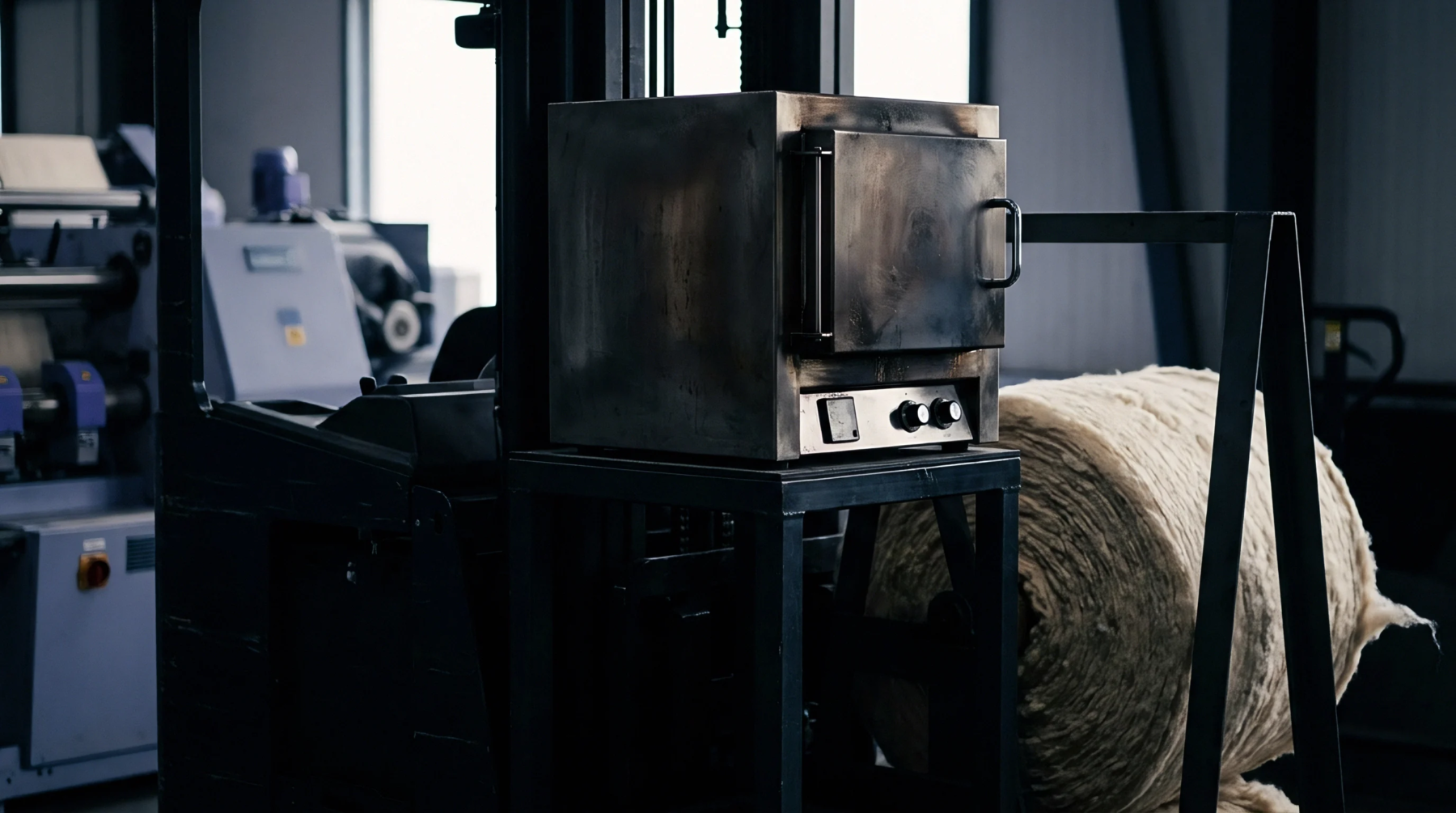
Scatter correction algorithms combined with nitrogen-purged Infragold cavity arrays eliminate high-speed refractive index artifacts for precise inline fiber blend verification.

Dynamic thermodynamic hysteresis modeling converts volatile landed net scale weight to true dry mass, preventing systematic multi-fiber commercial invoice errors.

Commercial regain corrections convert oven-dry laboratory residue masses into legal billed weights to prevent customs penalties and tariff misclassification.
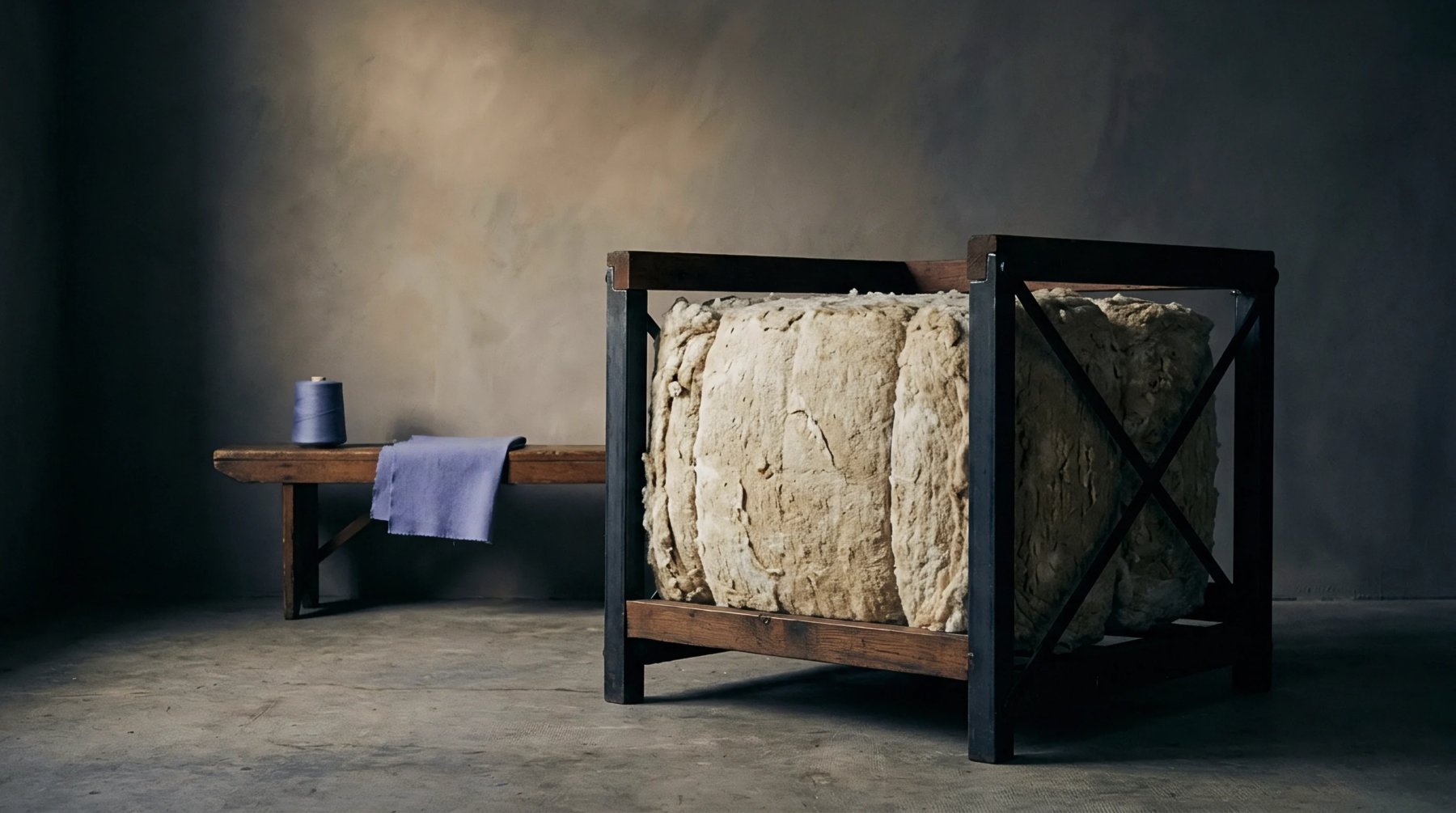
Determine commercial mass by calculating clean oven-dry mass from certified core samples and adding standard international commercial regain allowances to settle invoices.
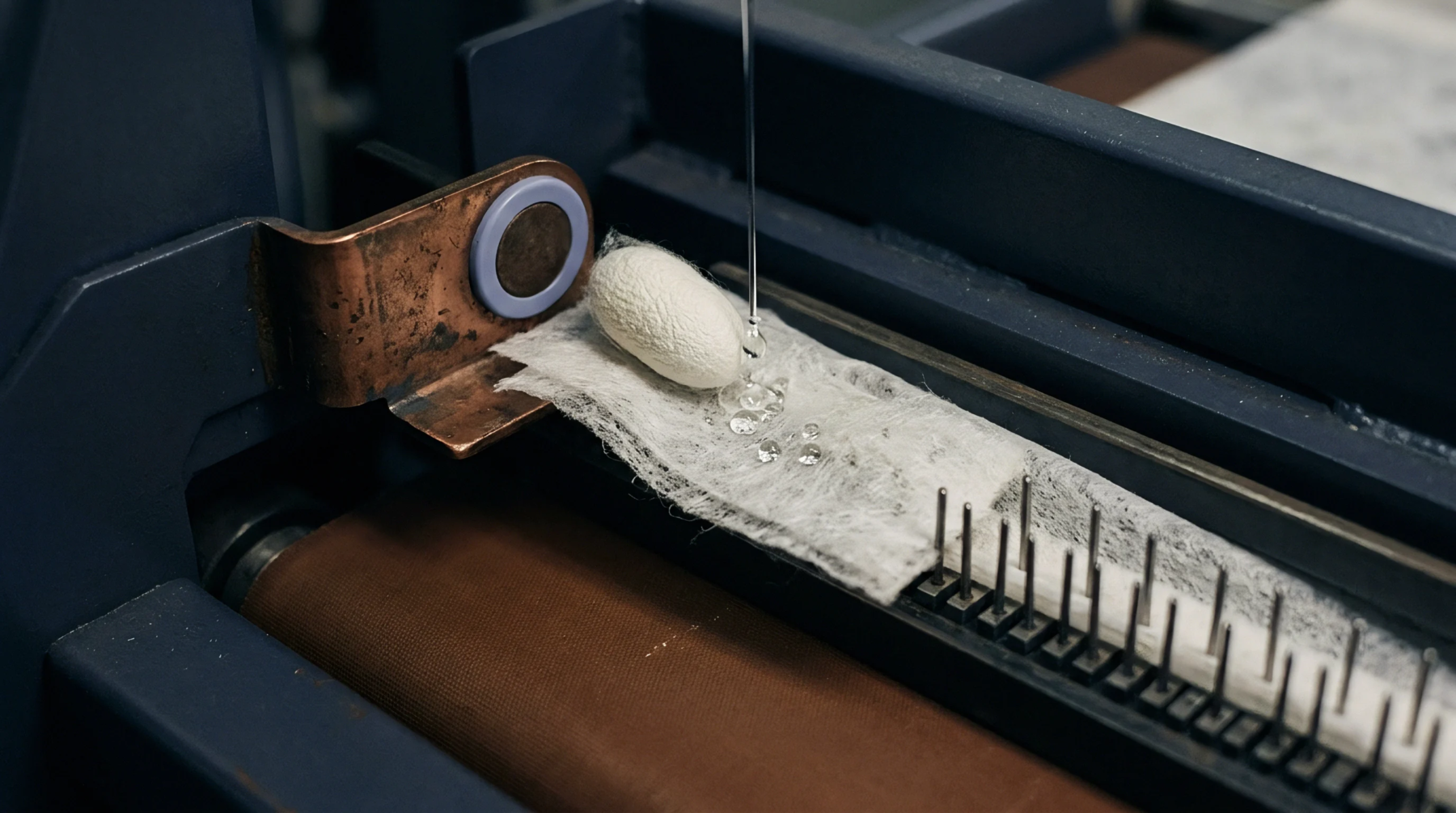
Commercial mass determination reconciles clean dry polymer mass with official regain allowances to secure precise customs compliance and financial settlement.
Expertise is a utility, not a secret. sentiention™ publishes its working knowledge as open reference: intelligence layer covering the materials it sources, the markets it enters, and the reference that serves both.