
Mapping Destination Restricted Substance Lists to Woven Fabric Order Specifications
Map destination restricted substance limits directly into purchase orders by defining specific test methods, quantification thresholds, and batch indemnity terms.
Map destination restricted substance limits directly into purchase orders by defining specific test methods, quantification thresholds, and batch indemnity terms.

Enforce batch-level combustion ion chromatography screening paired with targeted mass spectrometry to isolate PFAS and azo amine risks across woven supply chains.
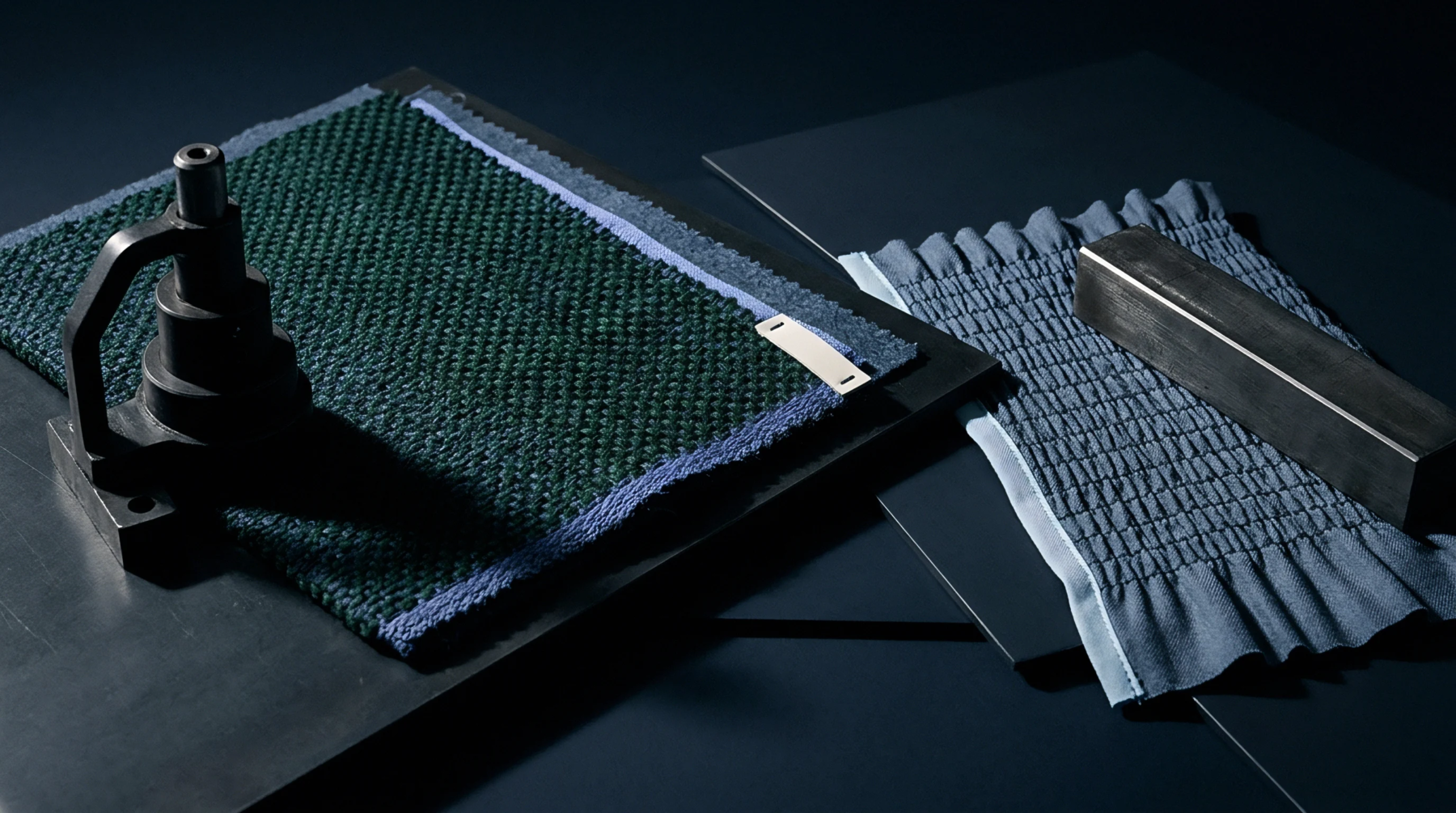
Statutory chemical compliance for woven fabrics requires matching laboratory test methods and scope certificates to specific roll batches before border clearance.

Stored finished textiles absorb volatile fluorocarbons across air gaps, pushing total fluorine above regulatory limits without direct physical lot contact.

Verify chemical compliance per functional sister construction; variations in weight, weave, and finish alter chemical absorption and invalidate shared certificates.

Scope verification for woven cotton demands reconciling transaction certificate mass balances against laboratory batch chemistry and structural loom limits.

Subterranean chemical entrapment in functional membranes causes compliance failures under solvent matrix digestion despite passing routine surface wash tests.

Reconciling inter-laboratory discrepancies and certificate expiration demands sealed split-sample retention, standardized extraction parameters, and tight contract risk allocation.

Bimodal chemical variance requires zone-specific edge and center testing to prevent composite dilution from masking localized regulatory threshold failures.

Mass balance credit ledgering allocates verified recycled chemical feedstocks to synthetic fibers via rigorous stoichiometric yields, preventing fraudulent retail claims.

Solvent extraction on post-consumer yarn varies due to oligomer leaching and solvent choice; specify non-swelling solvents to isolate true topical oils.

Exhaustive cryogenic milling combined with swelling solvent extraction and liquid chromatography resolves inter-laboratory divergence in bound solvent assays.

Solvent extraction dissolves the polyurethane matrix to measure total residual solvent mass, while static headspace measures only unbonded vapor equilibrium.

Consolidating restricted chemical limits to governing lowest statutory thresholds and demanding batch-specific digestion reports eliminates border clearance failure.

Verify greige chemical compliance through physical sizing cooker isolation, mass-balance audit trails, and matrix-compensated laboratory solvent extractions.

Composite testing dilutes chemical contaminants; operating characteristic curves map true detection probabilities against regulatory action limits.

Select c equals zero attribute plans or variables methods to verify chemical limits without exhausting operating margins on destructive lab fees.
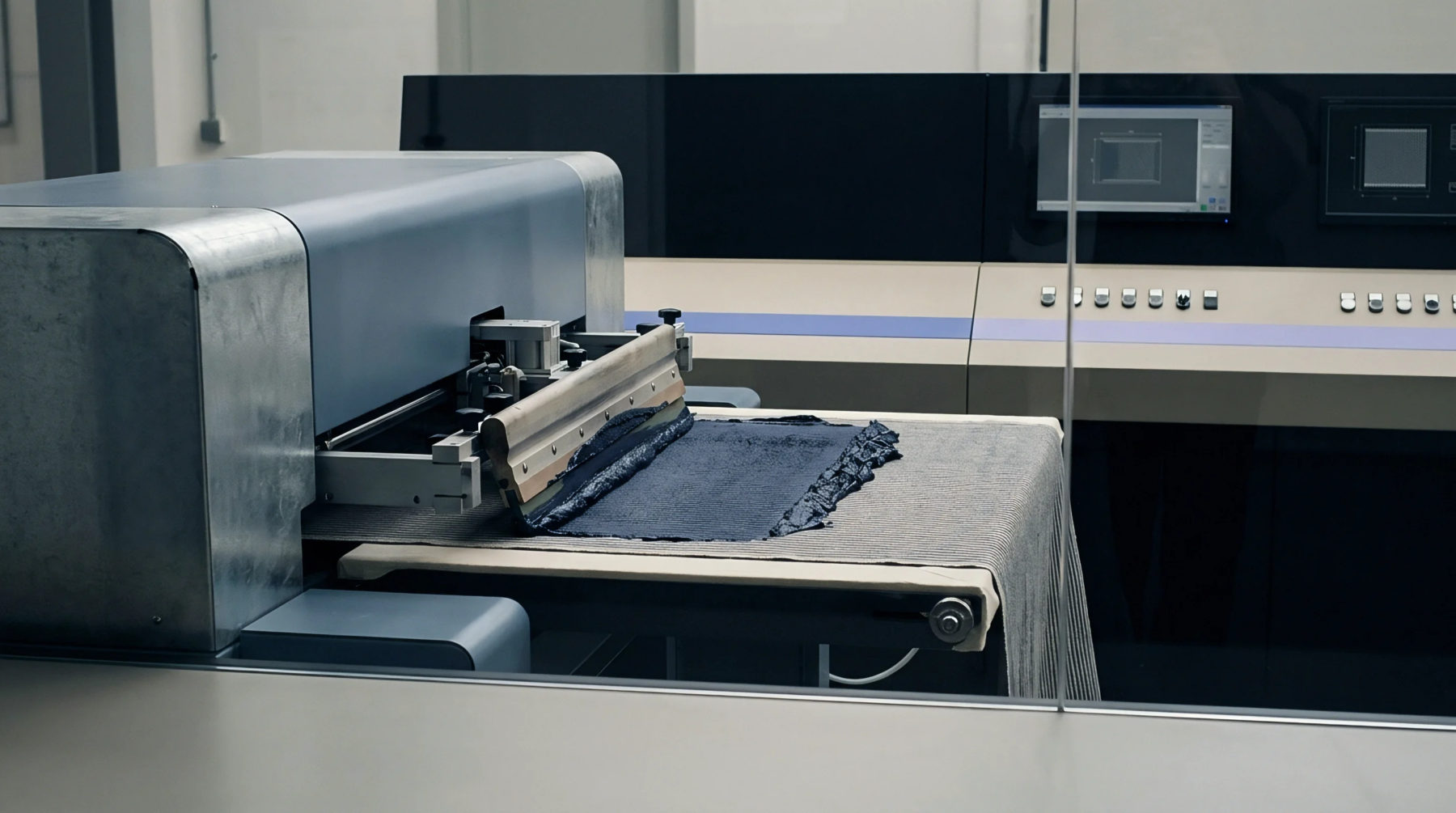
Dynamic thermal cycling drives surface phthalate exudation when cooling phases induce rapid supersaturation that exceeds matrix solubility limits.

Inter-laboratory textile test discrepancies represent statistical reproducibility dispersion that must be governed through contractual guard bands.

Aromatic amine testing requires matching substrate fibre chemistry to EN ISO 14362 extraction protocols to prevent false negatives in synthetic blends.

Establishing baseline chemical standards requires binding purchase specs to exact analytical test methods, ZDHC auxiliary controls, and lot verification.
Mass balance allocation models track chemical recycling credits through ledgers, but regulatory chemical compliance requires direct empirical batch testing.
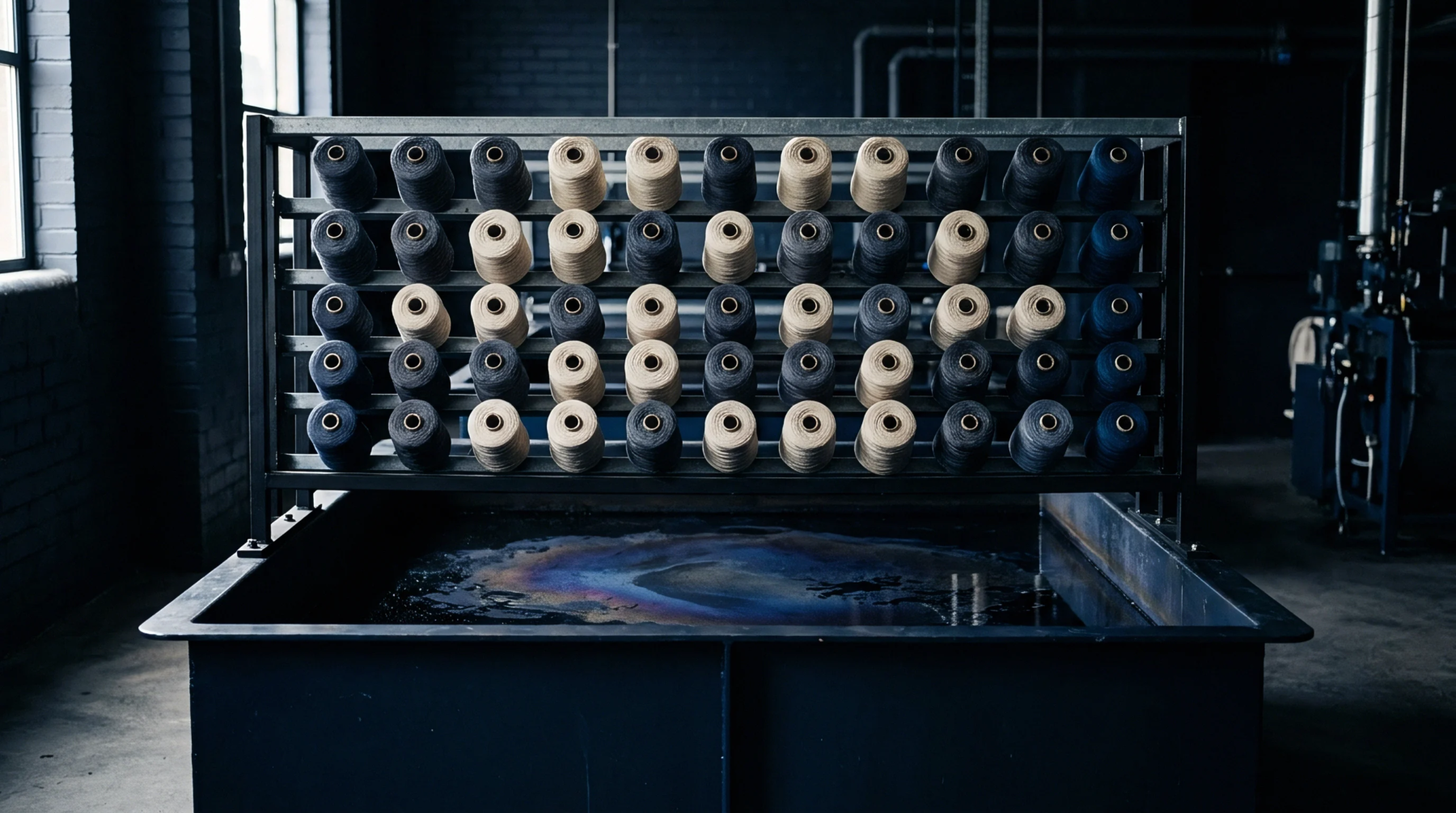
Post-consumer synthetic recycling retains matrix-bound flame retardants and heavy metals that survive extrusion, demanding batch-level solvent extraction audits.

Managing fluorinated chemical risk in recycled synthetics demands total fluorine screening, targeted LC-MS testing, and strict batch transaction certificate tracking.
Structured tripartite deeds and letter of credit chemical release covenants transfer restricted substance liability directly to subcontracted wet processing mills.

Commercial laboratory default reporting limits frequently sit above regulatory thresholds, requiring buyers to specify lower analytical cutoffs in sourcing contracts.

Desorption of polar solvents from crosslinked polyurethane requires thermal energy above the network glass transition temperature to release hydrogen-bonded fraction.
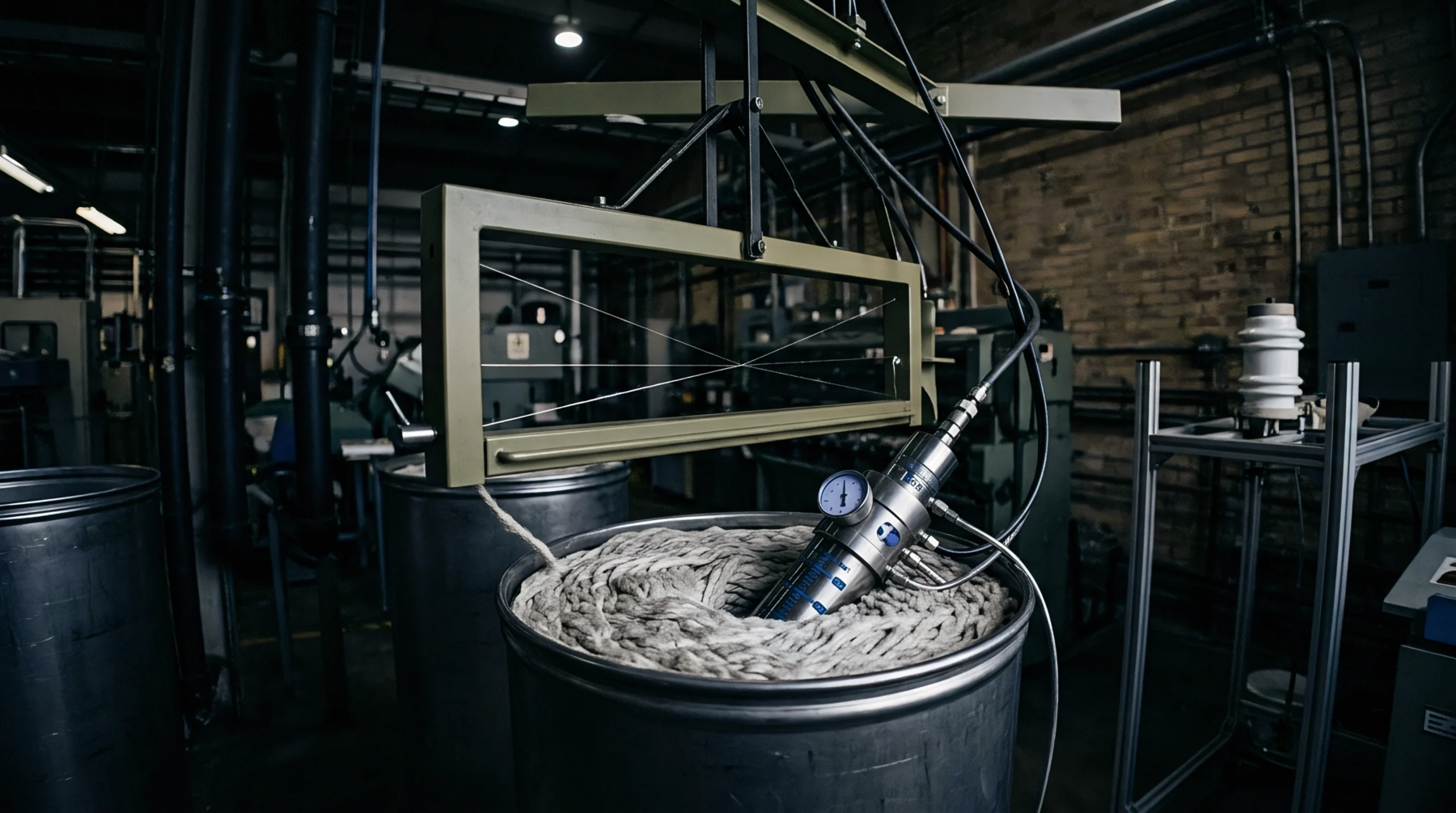
Polyurethane fabric compliance demands EN 17131 solvent extraction GC-MS verification rather than headspace screening to capture entrapped aprotic solvents.

Non-destructive spectroscopic prior calibration corrects surface plasticizer gradient measurements in recycled vinyl laminates to prevent false REACH compliance passes.

Acceptance sampling for coated textiles pairs ASTM D5430 visual classification with ANSI/ASQ Z1.9 variables plans for destructive barrier verification.
Expertise is a utility, not a secret. sentiention™ publishes its working knowledge as open reference: intelligence layer covering the materials it sources, the markets it enters, and the reference that serves both.