
Standard Oven Drying Procedures for Cotton Moisture Regain Determination
Oven drying establishes the anhydrous mass of cotton at 105 degrees Celsius, providing the singular gravimetric basis for commercial regain calculation.
Oven drying establishes the anhydrous mass of cotton at 105 degrees Celsius, providing the singular gravimetric basis for commercial regain calculation.

Commercial moisture allowance reconciliation adjusts billed invoice weights to official dry regain standards, protecting technical textile buyers from paying for ambient water.

Mass balance systems require ginning turnout calculations to normalize lint and seed cotton weights to standard moisture regain under ISO 6741 and ISO 22095.

Determining commercial mass in binary synthetic fiber mixes requires quantitative chemical separation, oven-dry mass correction, and ISO 6741 regain additions.

Commercial mass determination corrects raw import scale weights to clean dry mass plus official regain allowances, preventing overpayment and duty miscalculation.
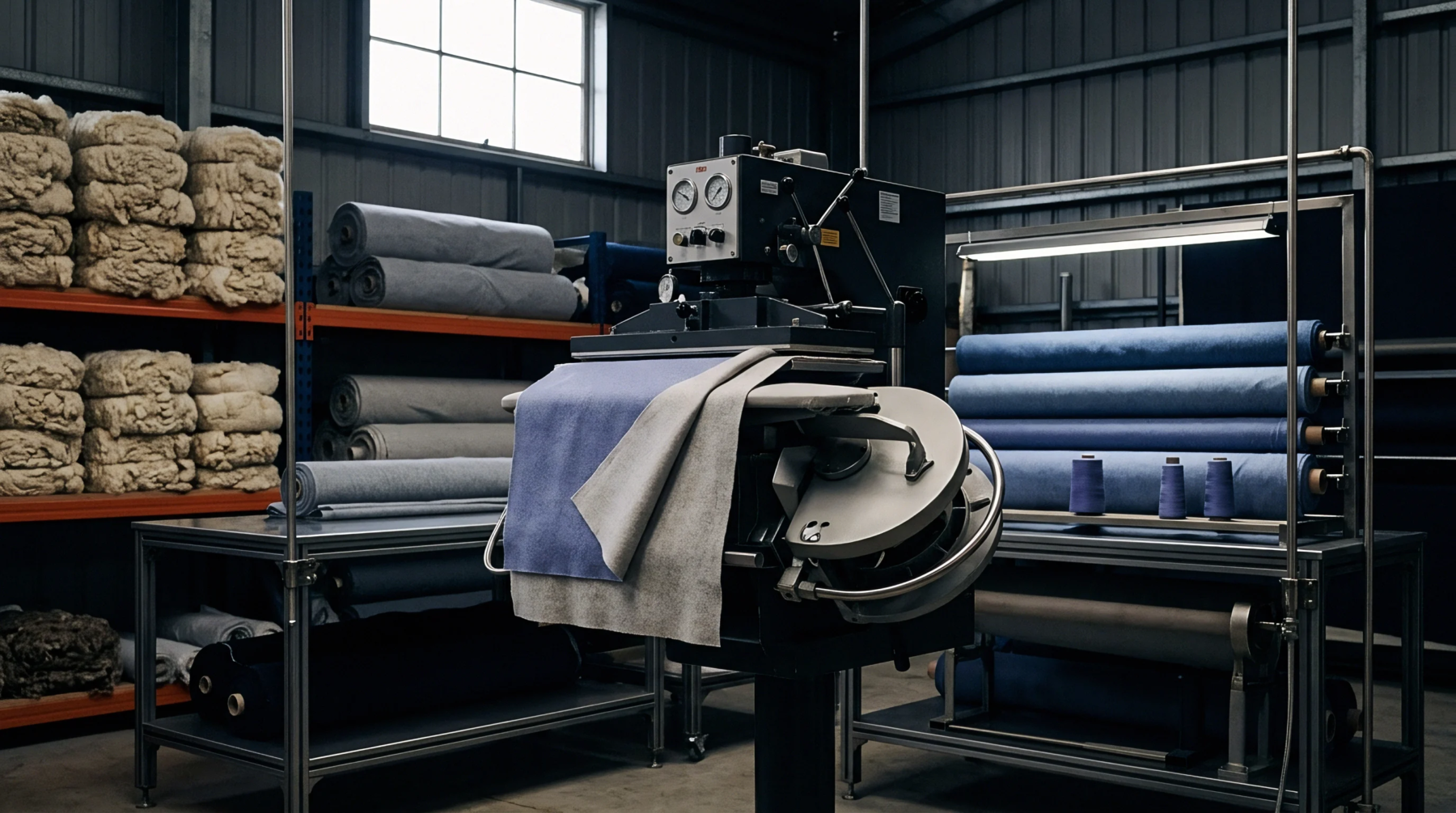
Reconciling organic cotton spinning mass balances requires tracking gross bale weights, deducting packaging tares, and normalizing moisture regain.
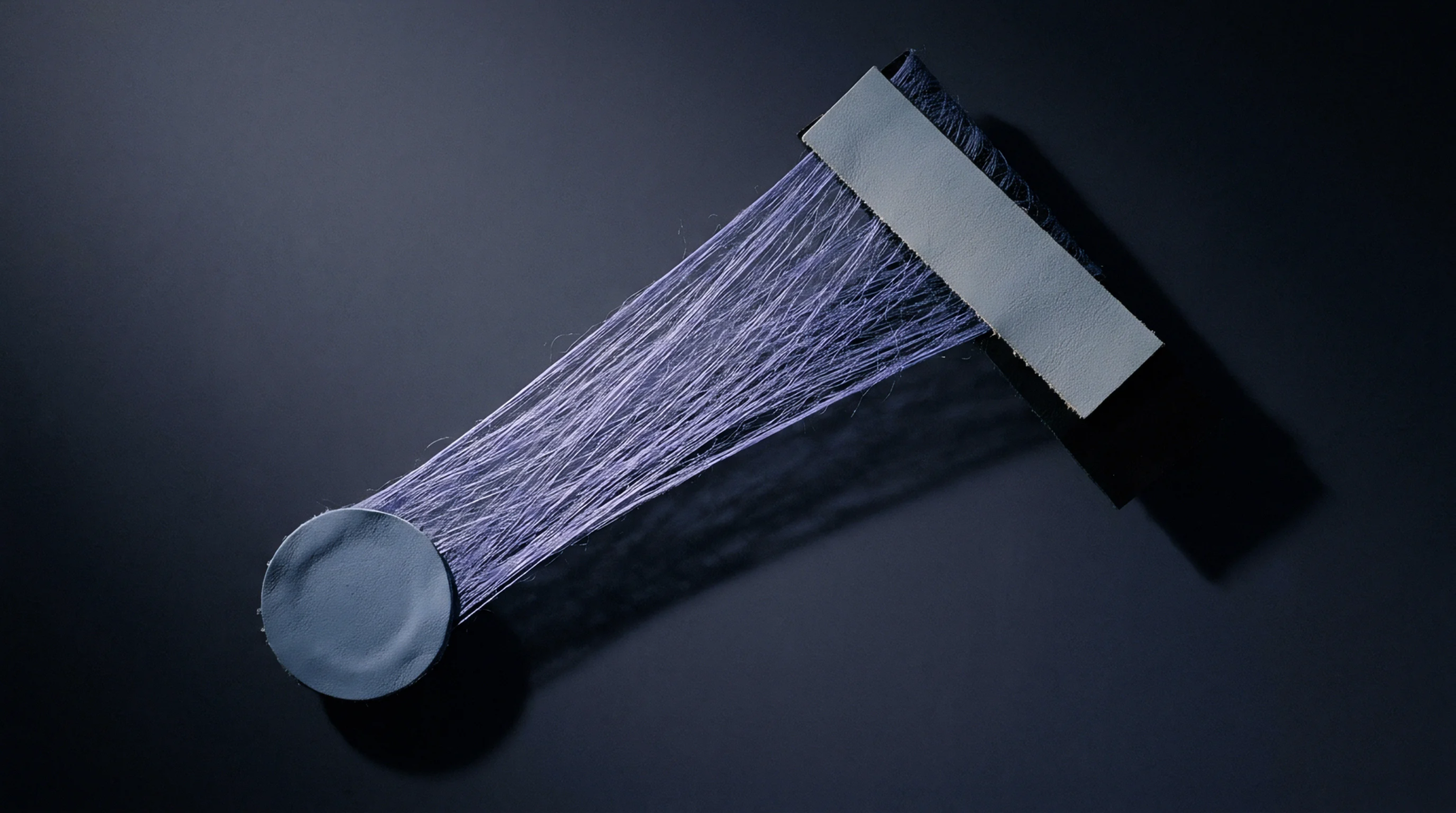
Uncorrected relative humidity during dual fibre mass testing skews regain ratios, shifting calculated blend percentages beyond legal trade tolerance bounds.

Gravimetric oven drying under ISO 6741 establishes the baseline for cotton commercial mass calculations and calibrates rapid electronic field probes.

Spatial asymmetry of fiber ends in drafting triangles limits tensile stress transfer by reducing inter-fiber friction area and causing premature shear slip.
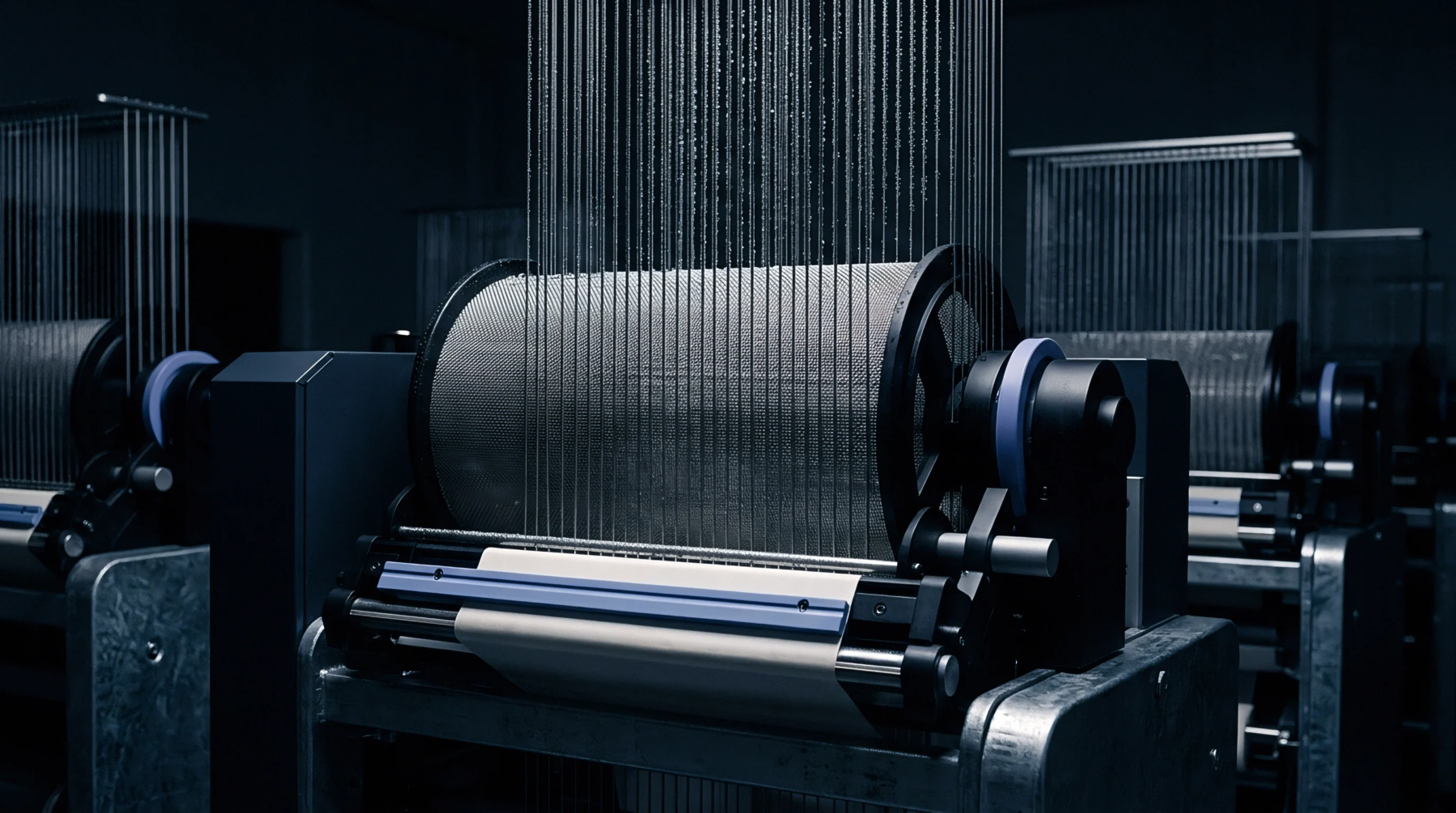
Chemical digestion in 75% sulfuric acid combined with ISO 6741 moisture regain adjustments provides precise quantitative ratios for recycled polyester and cotton yarns.
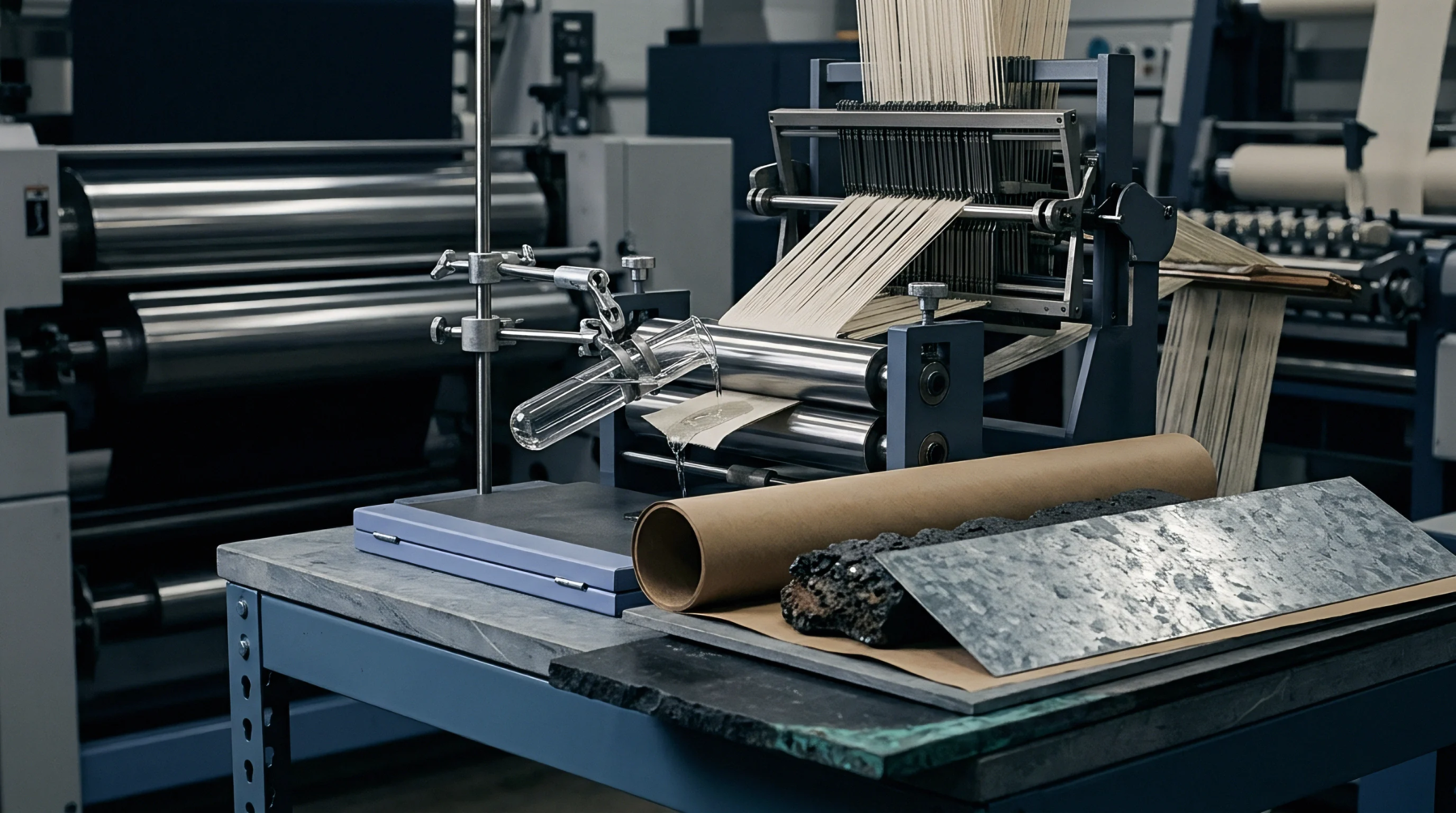
Gravimetric blend analysis determines yarn fiber percentages by selective solvent dissolution and applies d-value correction factors for mass loss.
NIR radiation penetration limits in dense raw cotton restrict optical sampling to surface fiber layers, underestimating core moisture in compressed bales.

Calibrating blowroom plucker depth and beater tip speeds controls tuft size, preventing nep growth and staple breakage while optimizing cleaning efficiency.

Soxhlet extraction isolates nonfibrous matter to establish true dry fiber mass, protecting blend accuracy and correct customs tariff classification.

Dense yarn cone moisture transport is governed by intra-package diffusion limits; protecting shipments requires low initial regain and container humidity controls.
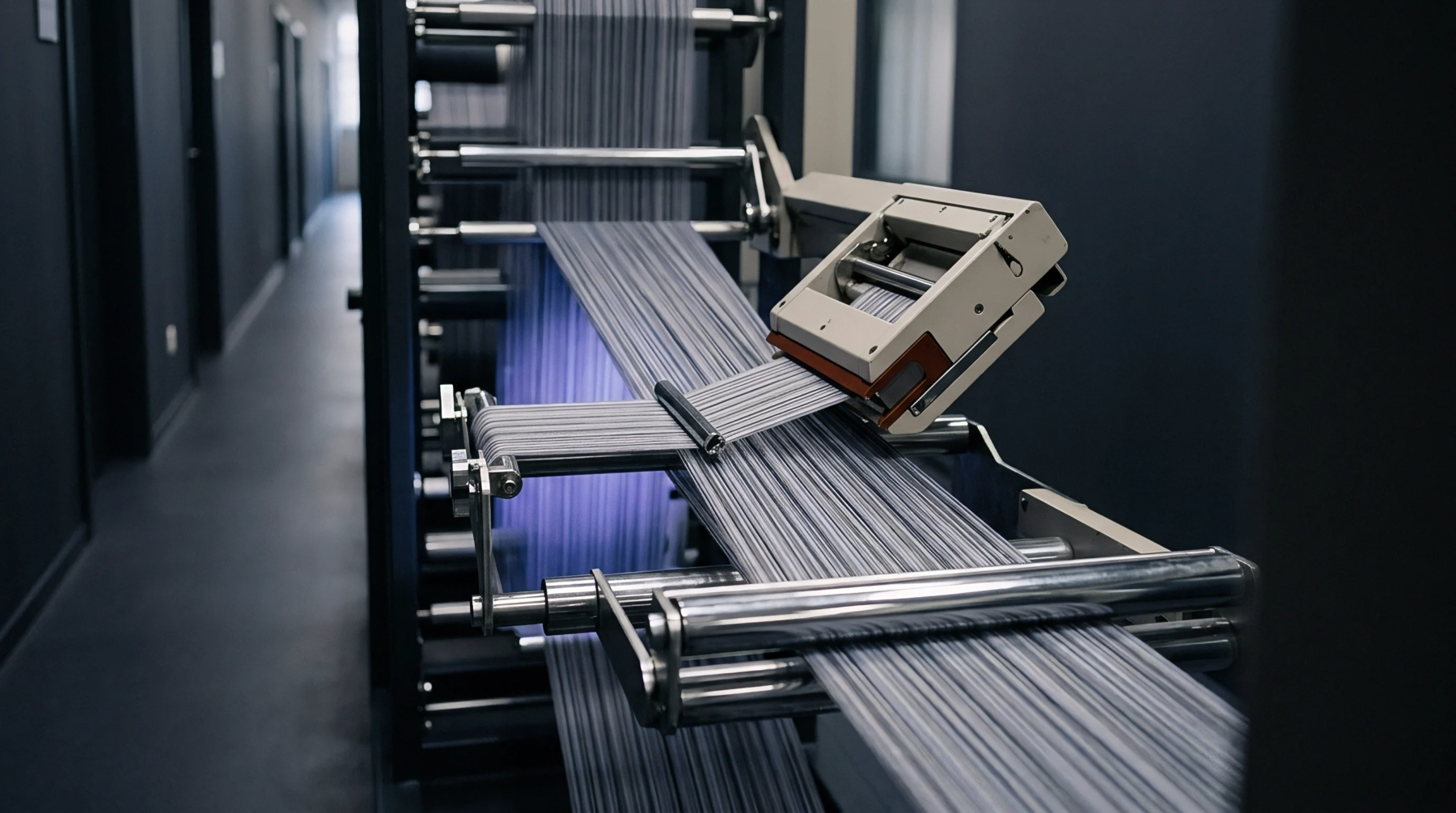
Desorption hysteresis distorts landed yarn mass; resolving weighbridge discrepancies relies on oven-dry testing per ISO 6741 to establish commercial weight.

Commercial regain mass calculations convert gross shipment weight to solvent-free oven-dry mass, applying weighted ISO 6741 regain percentages to fix invoices.

Transoceanic yarn weight shifts stem from differential fiber regain kinetics, requiring vapor barrier foil packaging and ISO 6741 dry mass contract rules.

Clean oven-dry mass calculations subtract moisture and non-fibrous extractables before applying standardized regain schedules to establish true commercial weight.

Air freight relative humidity spikes lock fibers into secondary hysteresis loops, distorting arrival regain tests and requiring pre-conditioning to prevent tariff reclassification.

Chemical dissolution testing yields dry mass ratios that require conversion via commercial regain schedules to establish binding commercial fiber percentages.
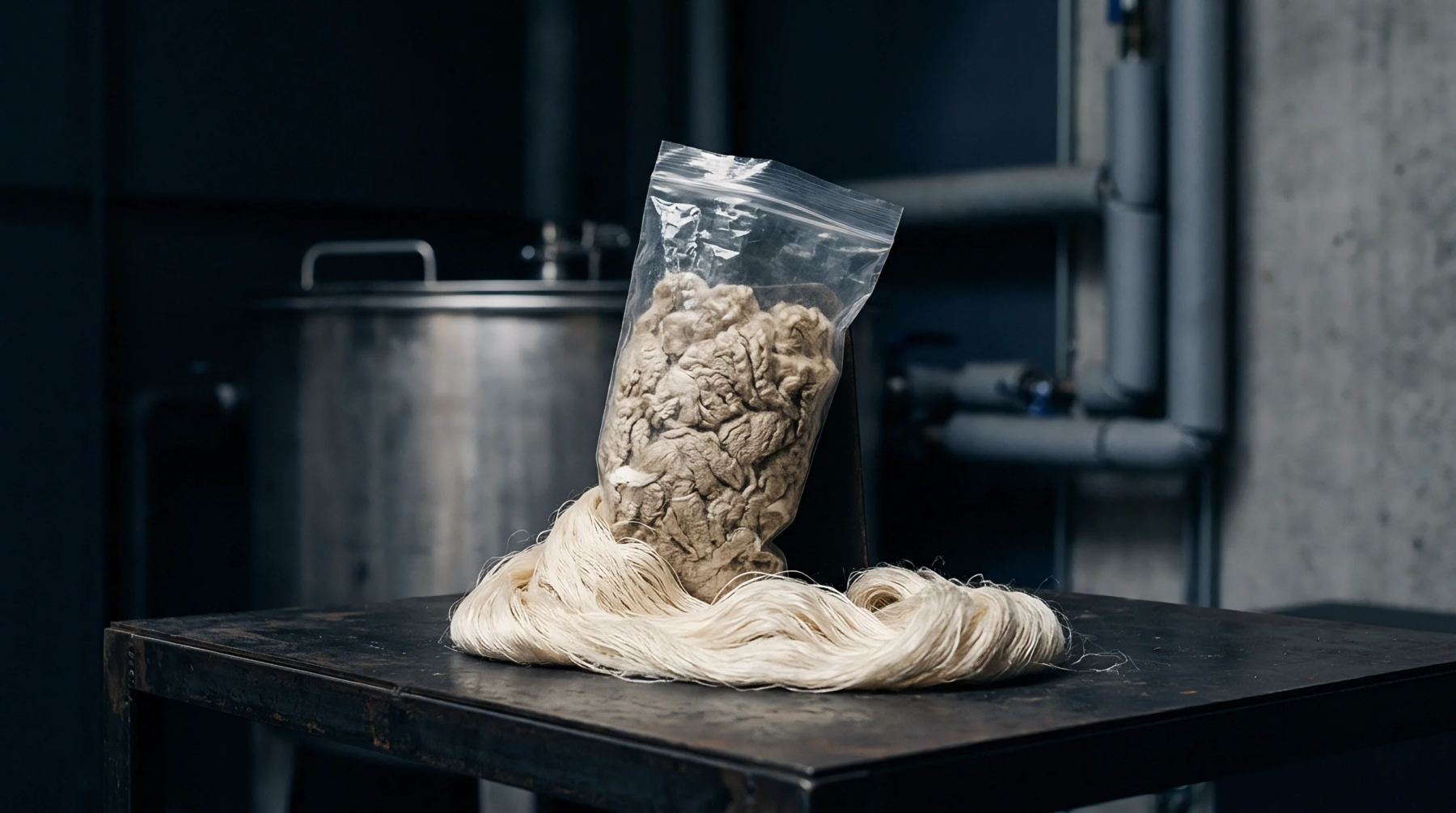
Commercial mass calculations adjust oven-dry fibre weight by standardized moisture regain values to define contractually binding invoice weights.

Quantifying binary cellulosic blend extraction kinetics prevents analytical misclassification, securing accurate customs tariff lines and landed cost calculations.
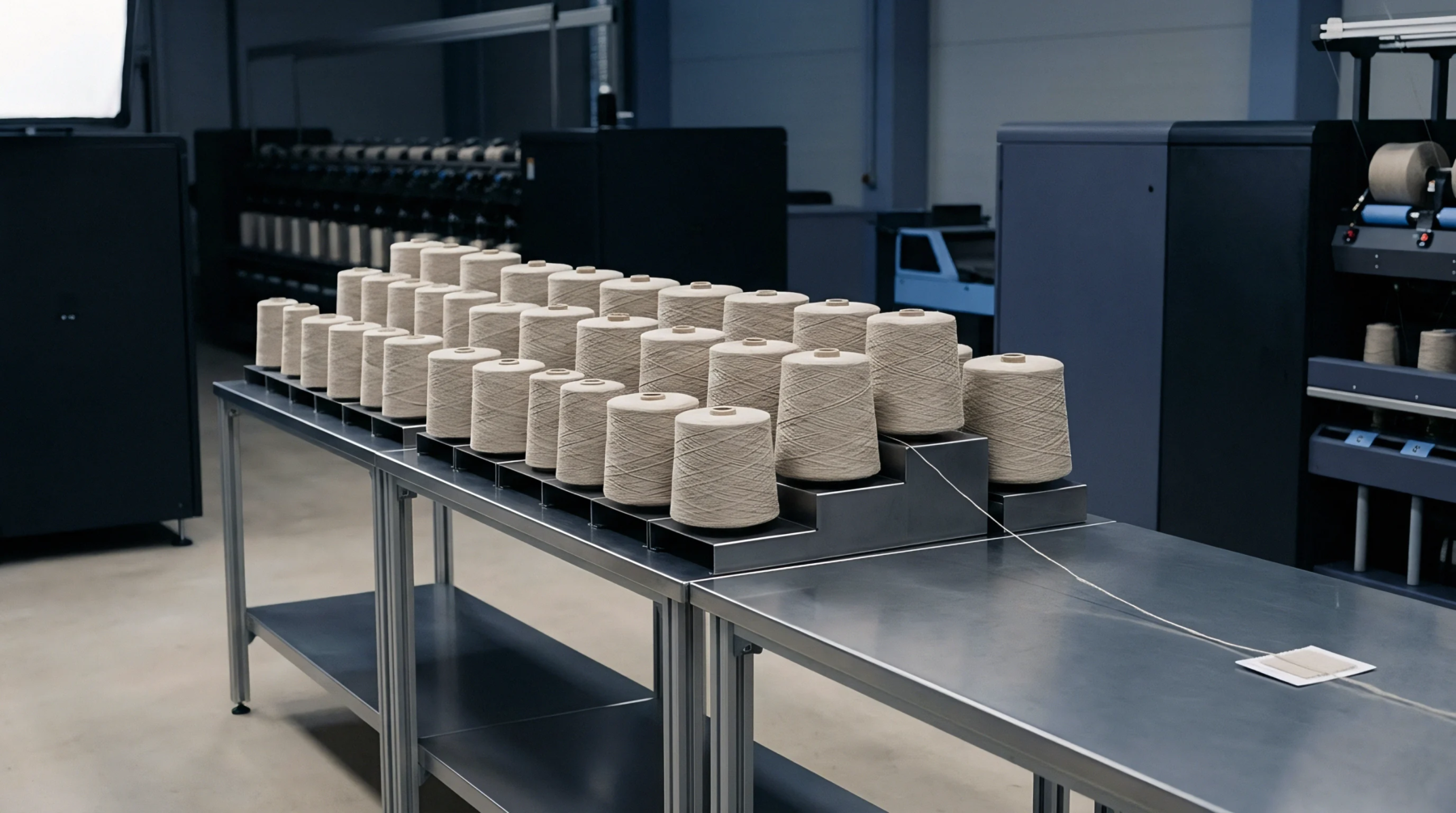
Port rapid drying systems systematically under-report moisture regain versus ISO reference ovens, requiring pre-agreed calibration offsets in mass settlements.

Commercial fiber mass demands adjusting gross scale weight to oven dry mass plus standard regain allowances per ISO 6741 to avoid paying for transit water.

Commercial moisture regain testing converts variable raw scale weights into standard commercial mass to prevent excess water charges on fiber invoices.
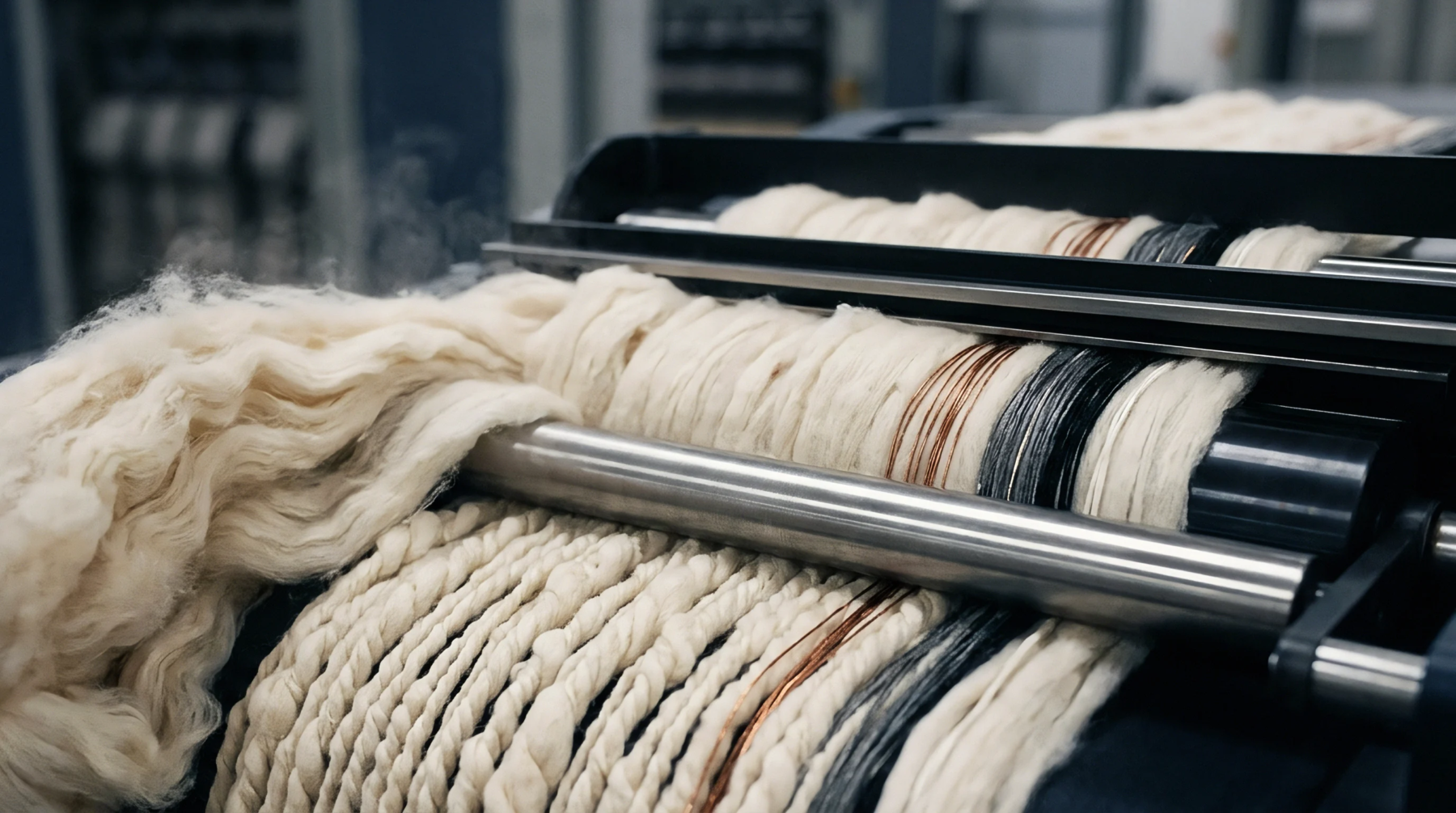
Commercial mass calculations based on oven-dry testing resolve landed weight discrepancies caused by hydrothermal shifts in cross-border synthetic staple bales.

Commercial regain allowance calculations adjust raw cotton invoice weights by converting oven-dry fiber mass to standard commercial weight at 8.5 percent regain.

Standard moisture regain for cotton fabric is fixed at 8.5 percent, governing commercial mass billing and laboratory conditioning under ISO 139 standards.

Standard cotton moisture regain requires drying core samples at 105°C to constant mass under ASTM D2495 to adjust commercial invoice weight against the 8.5% standard.
Expertise is a utility, not a secret. sentiention™ publishes its working knowledge as open reference: intelligence layer covering the materials it sources, the markets it enters, and the reference that serves both.