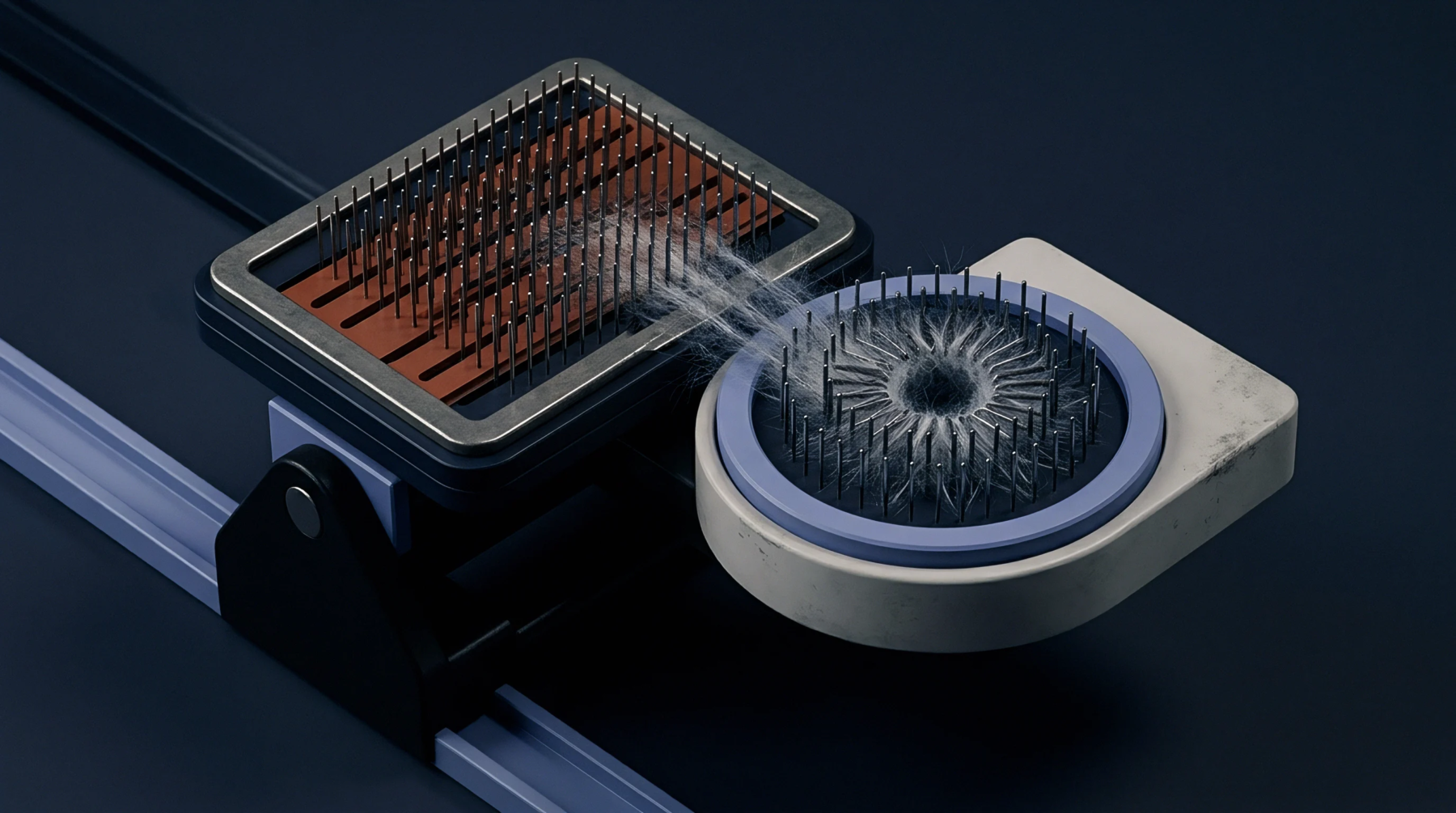
Determining Moisture Regain and Dry Mass in Raw Specialty Fibres
Determine commercial mass by applying standard regain allowances to solvent-extracted oven-dry fibre mass obtained under ISO 6741 testing conditions.
Determine commercial mass by applying standard regain allowances to solvent-extracted oven-dry fibre mass obtained under ISO 6741 testing conditions.
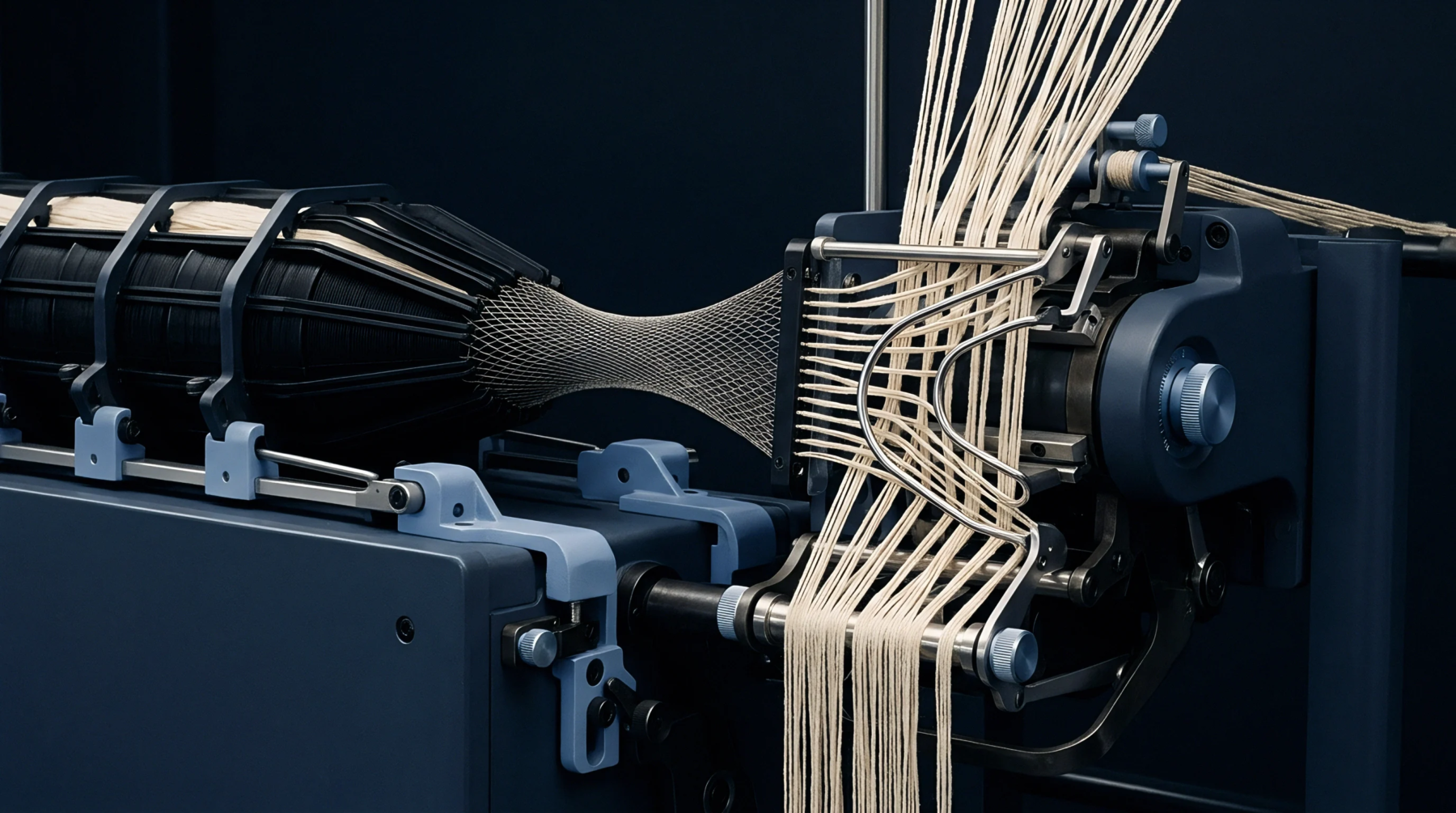
Consignment warp calculations offset sizing elongation against loom crimp to reconcile true yarn mass delivered against finished woven yardage.
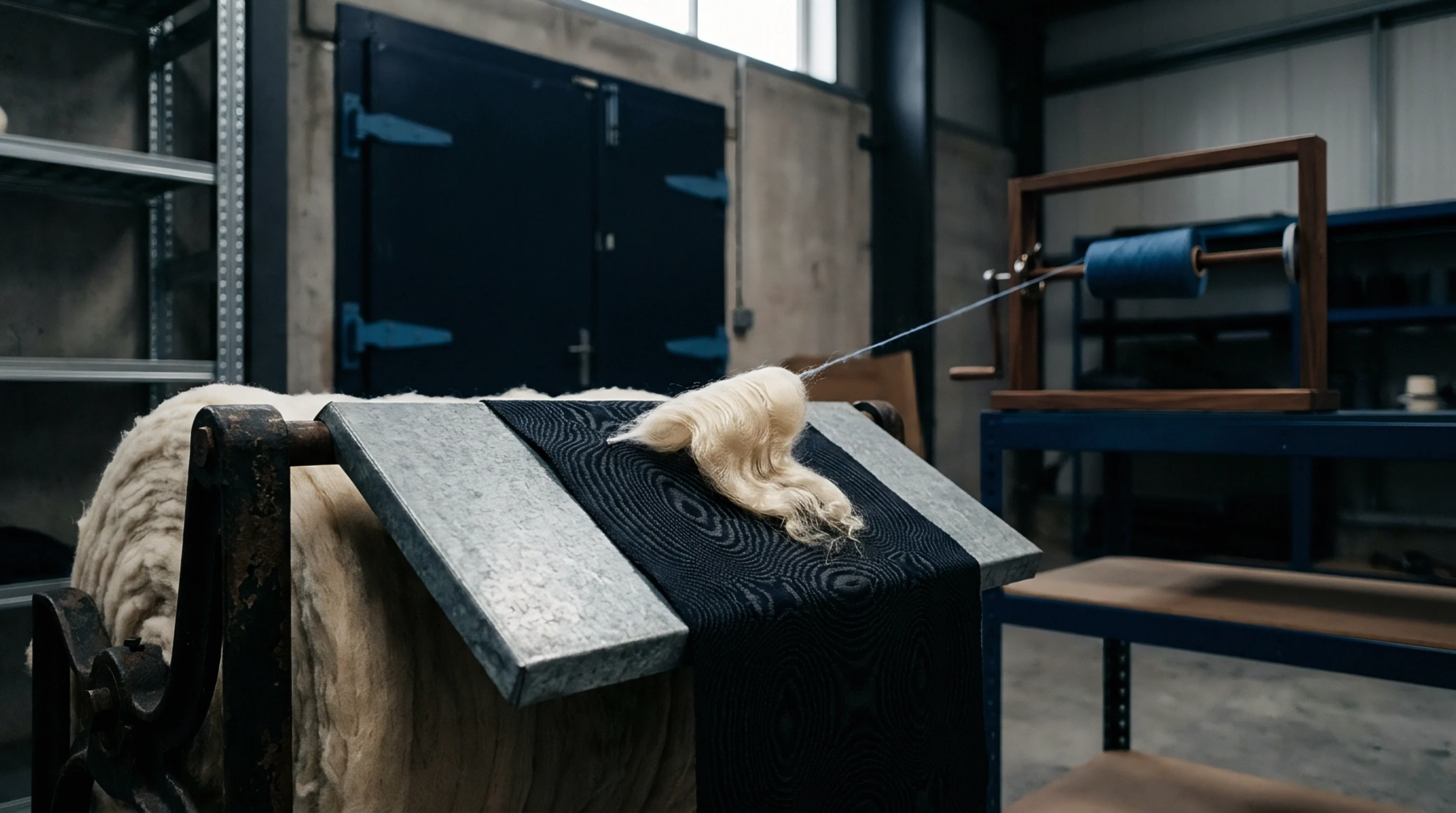
Commercial mass allowances systematically shift calculated wool proportions higher than dry analytical residues, dictating customs classification and billing.

Invoice continuous dyeing yardage strictly on oven-dry mass plus standard commercial regain to prevent paying for ambient moisture variances and chemical loading.

Aerodynamic drag and velocity differentials in pneumatic ducting segregate mixed fiber tufts, causing ratio drift, card sliver variance, and customs reclassification.

Optimize blowroom beater geometry and pin speed to match fibre tensile limits, preventing static buildup, crimp loss, and customs blend misclassification.

True cotton mass rests on oven-dry desiccation because maritime humidity alters outer bale layers while interior compressed lint stays dry during transit.

Commercial mass calculations adjust invoice weights by subtracting actual tare and correcting net bale mass to an agreed eight point five percent moisture regain.
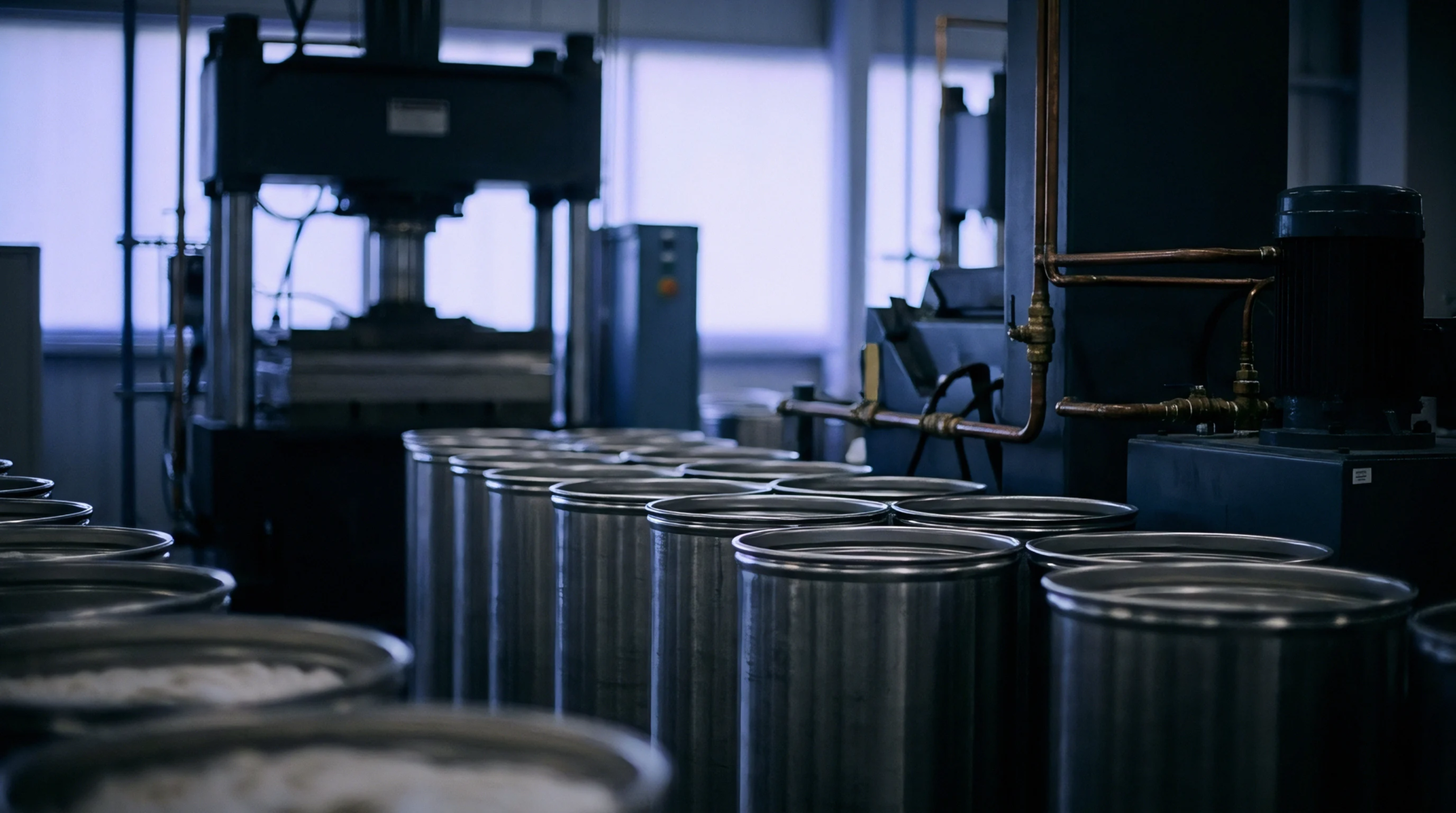
Dissolving pulp traceability requires isotope or DNA markers to survive xanthation, as continuous dope mixing destroys physical batch boundaries.
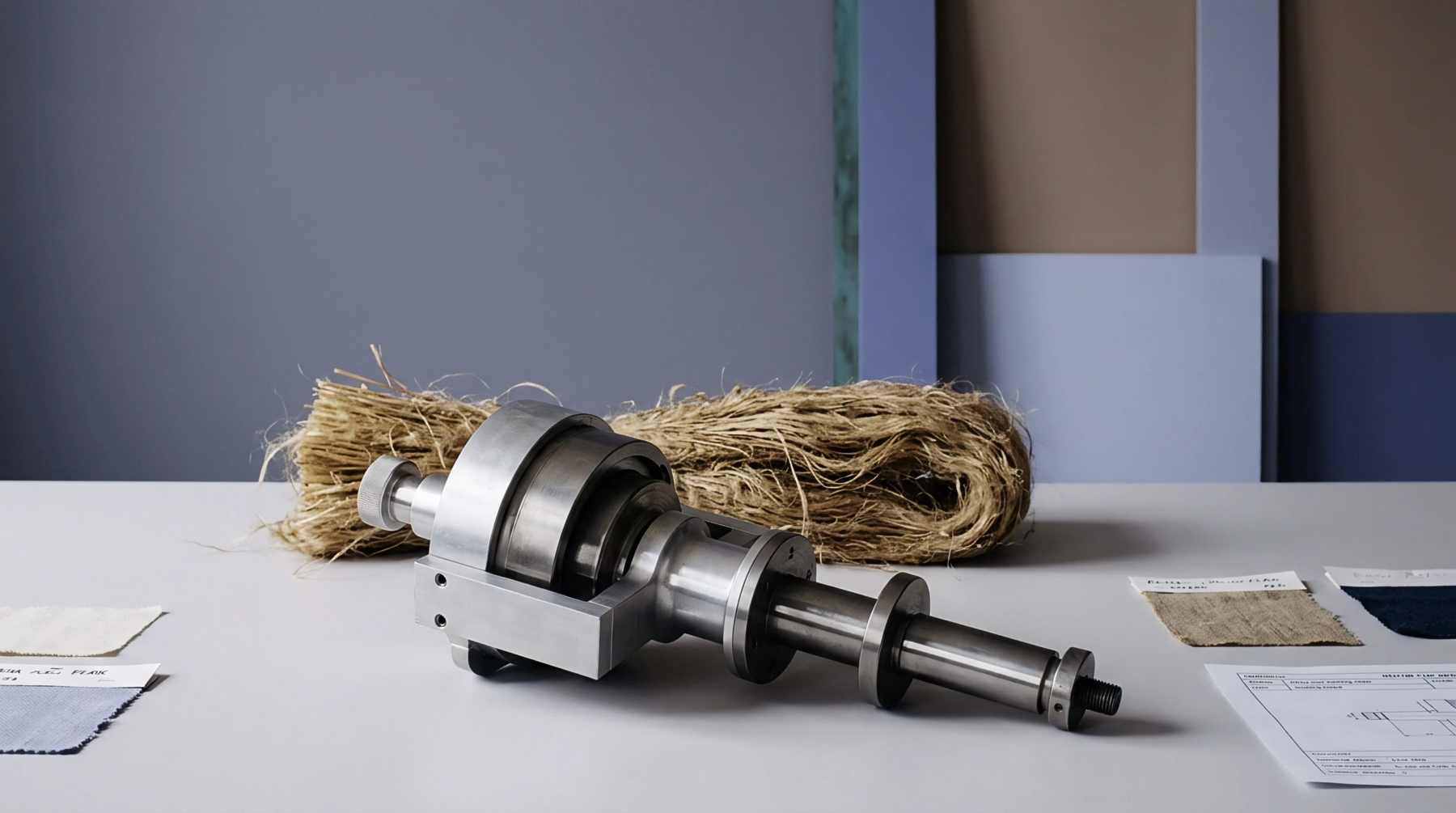
ISO 6741 calculations determine billed yarn mass by applying official moisture regains to dry weights, preventing water weight disputes in global trade.
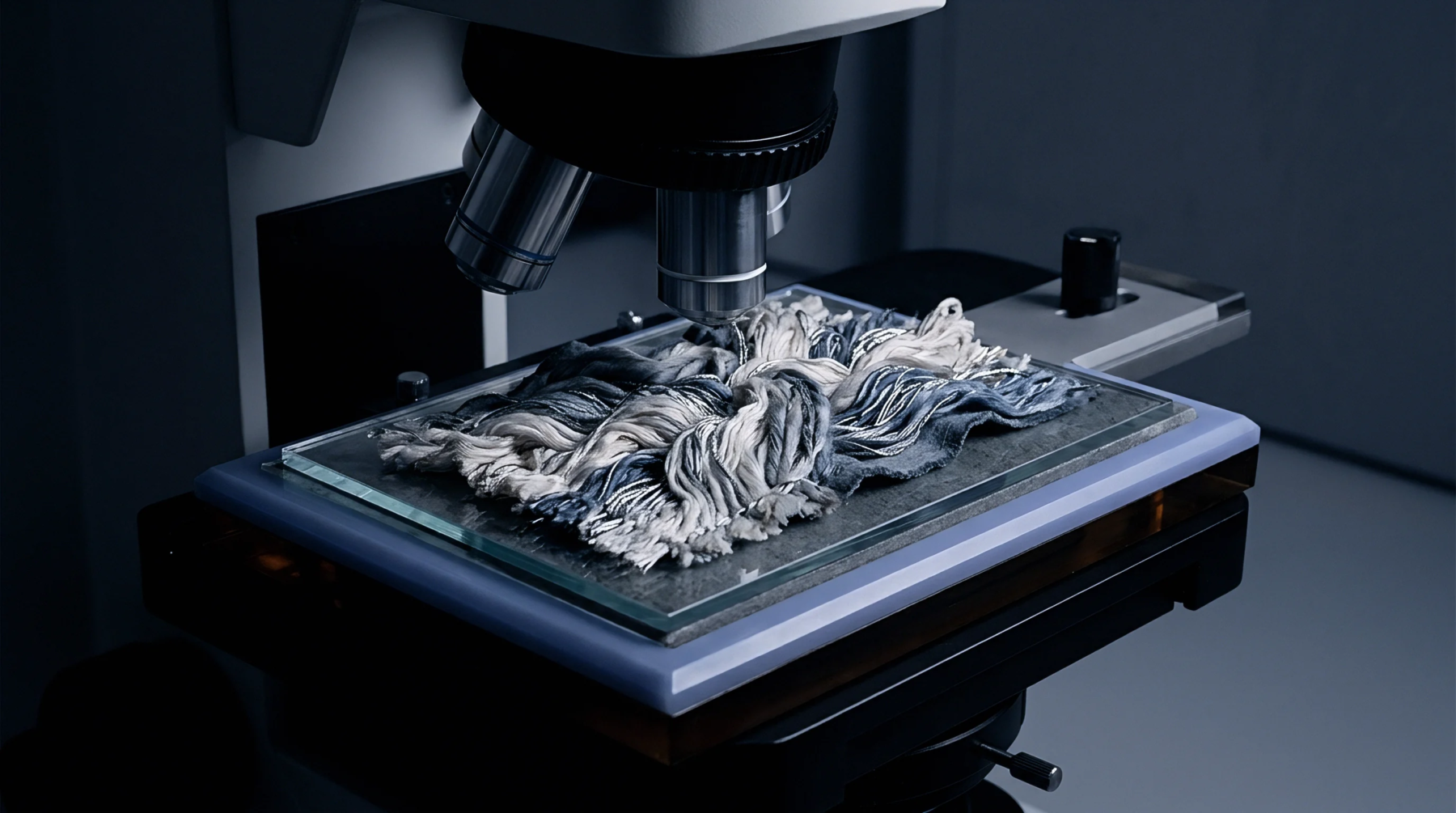
Commercial regain calculation converts variable net scale weights into an immutable invoiced mass by adding statutory moisture allowances to verified oven-dry fiber.

Settle single component yarn invoices on commercial mass derived by preliminary oven drying followed by standard conditioning to prevent desorption hysteresis bias.
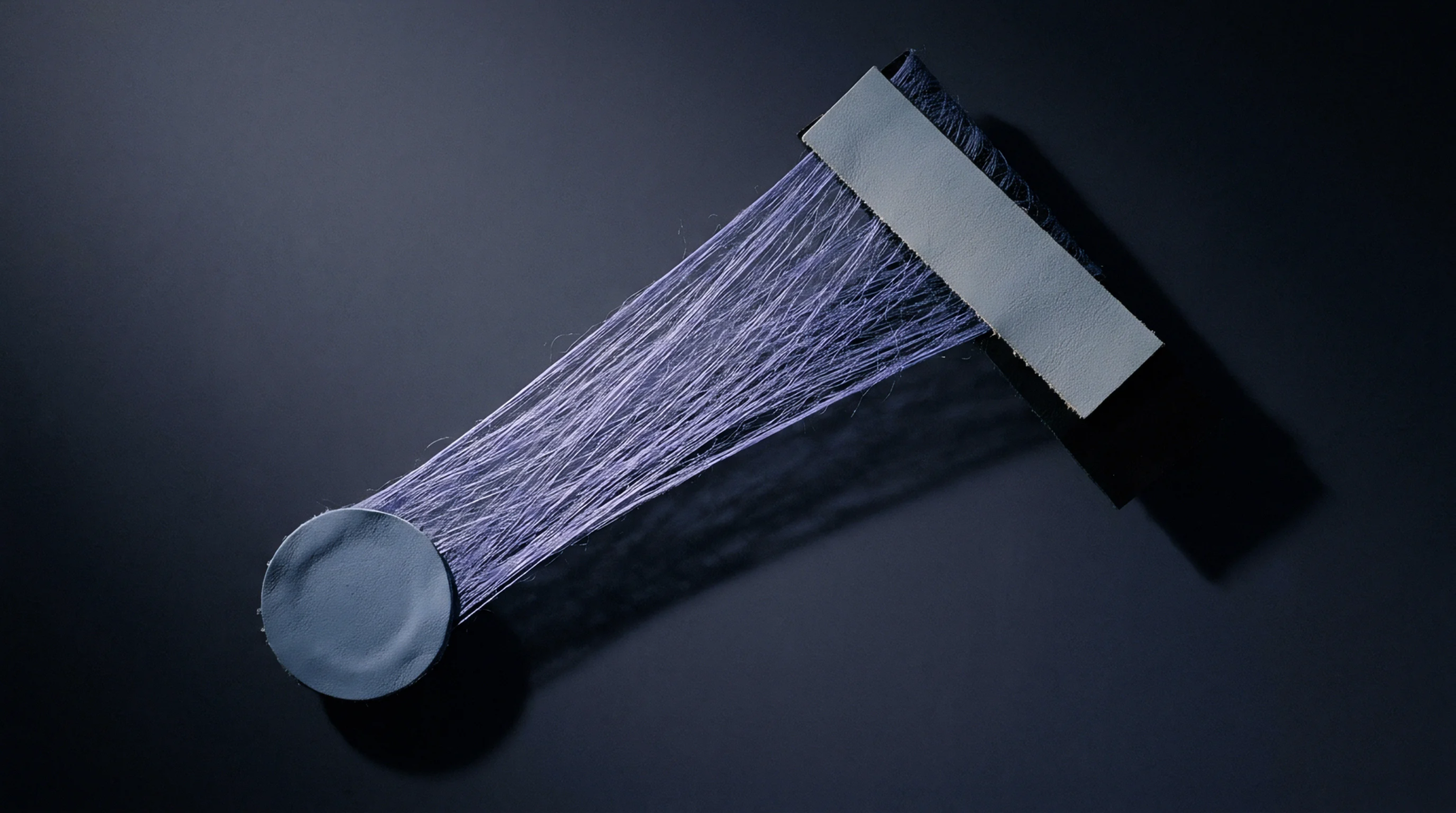
Commercial weight adjustments convert scale mass to settled value by adding official international fibre regain percentages to verified oven-dry test mass.

Commercial regain baselines reconcile billed yarn mass by adjusting oven-dry polymer weight through standard moisture constants and solvent-extracted finish tares.

Administrative protests for water weight adjustments rely on ISO 6741 dry mass tests filed within statutory windows post liquidation.
Commercial mass calculations convert variable received scale weight into fixed legal mass by applying standardized moisture allowances to oven-dried polymer.

Commercial moisture regain standards convert oven-dry synthetic fiber mass to statutory customs clearance weights, preventing duty miscalculations.

Arbitrating outturn weight deficits requires converting landed scale tickets to certified commercial mass via oven-dry testing, separating evaporation from loss.

Invoice weights for viscose mixture cargoes adjust to standardized commercial regain by applying ISO 6741 oven-dry calculations to eliminate paid water weight.
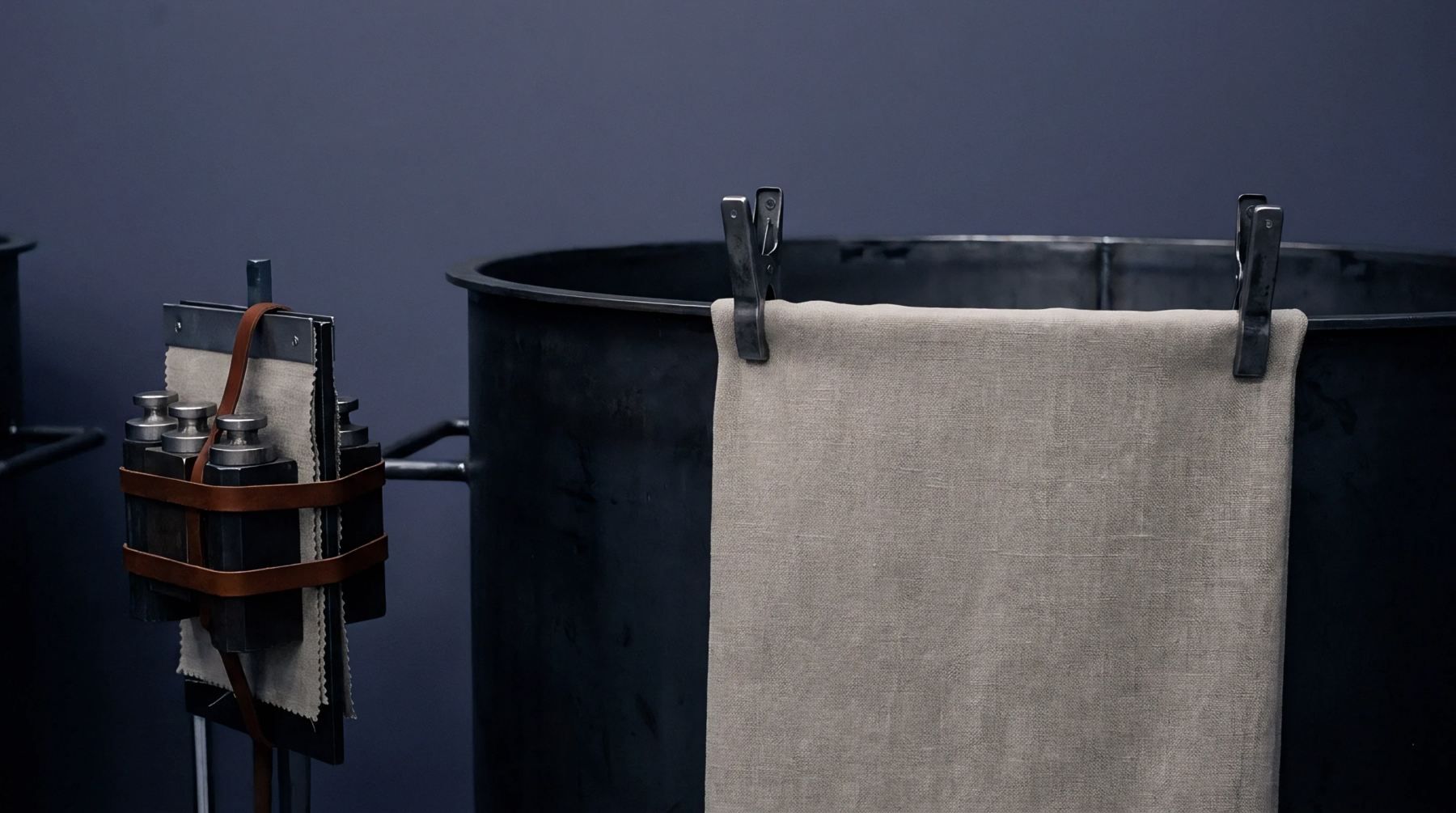
Reconciling laboratory chemical composition with landed weight requires converting oven-dry chemical ratios into commercial mass using official moisture regains.

Statutory moisture allowances convert dry mass into legal commercial mass, shifting chief weight and flipping tariff headings on tight fibre ratios.

Commercial weight disputes resolve by testing oven-dry core mass via ISO 6741 and adding official commercial moisture regain rather than paying weighbridge scale tickets.
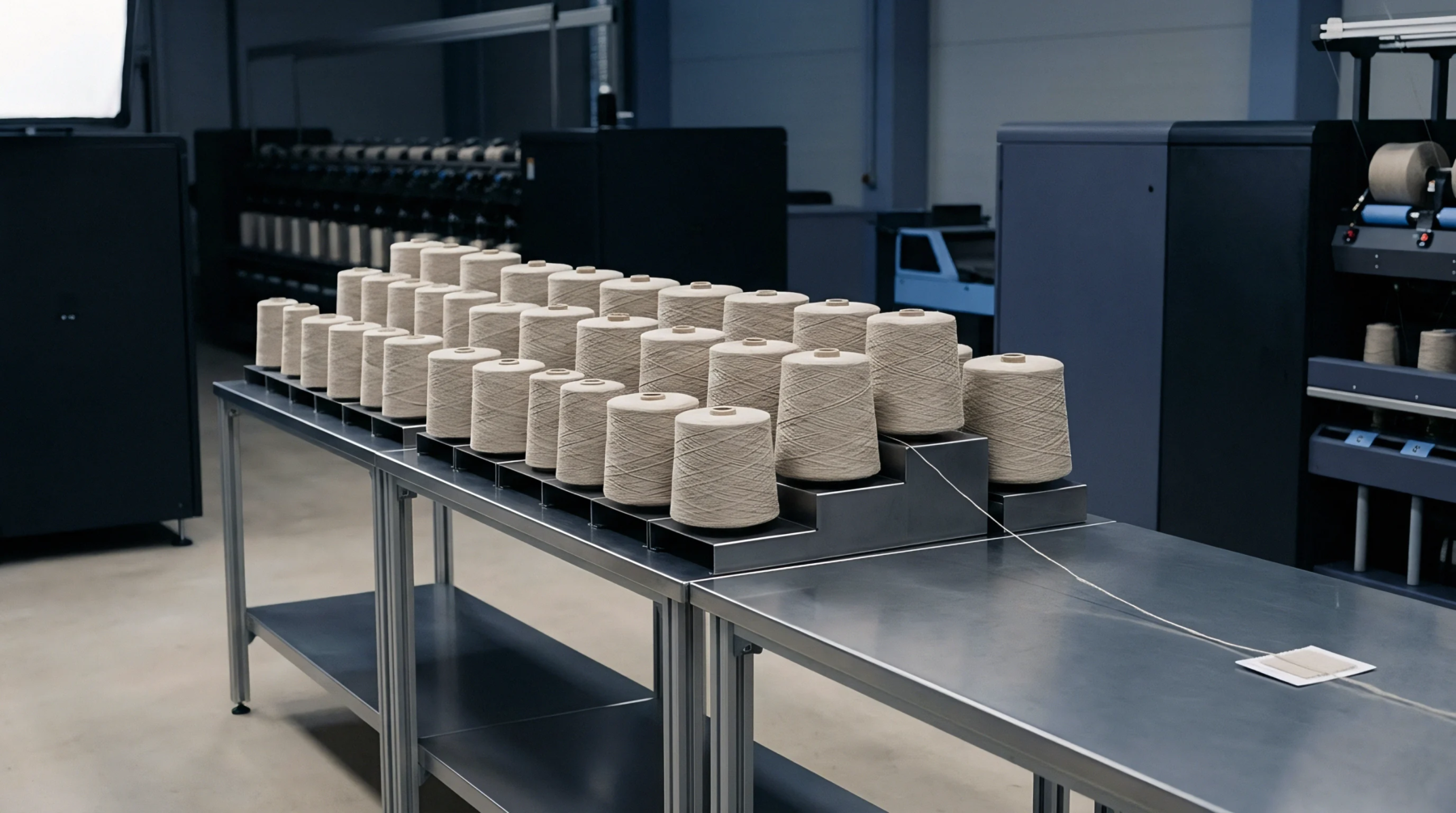
Certified commercial mass derived from oven-dry weight and standard regain percentages protects buyers from paying liquid prices for dry textile shipments.

Greige fabric moisture regain dictates invoice billing weight, desizing efficiency, and mold risk, requiring storage at 55 to 65 percent relative humidity.

Commercial mass scales anhydrous oven-dry textile mass by adding standardized official moisture and extractable allowances for accurate settlement and customs declarations.

Calibrating extraction d-factors for greige long staple waxes prevents miscalculating component ratios and protects cross-border tariff classifications.
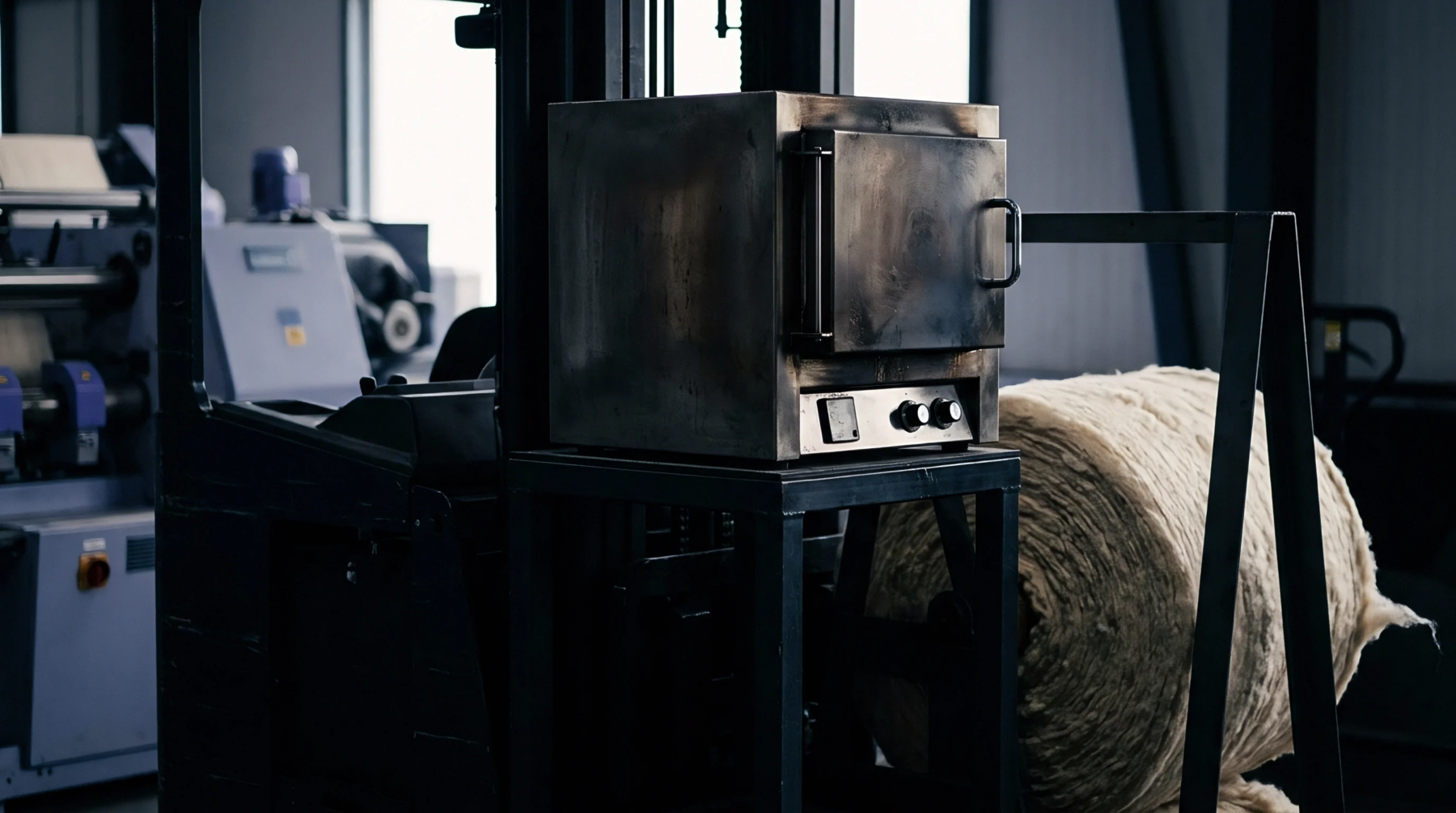
Laboratory desiccation above 105°C volatilizes synthetic spin finish esters, requiring solvent extraction baselines to prevent commercial weight penalties.
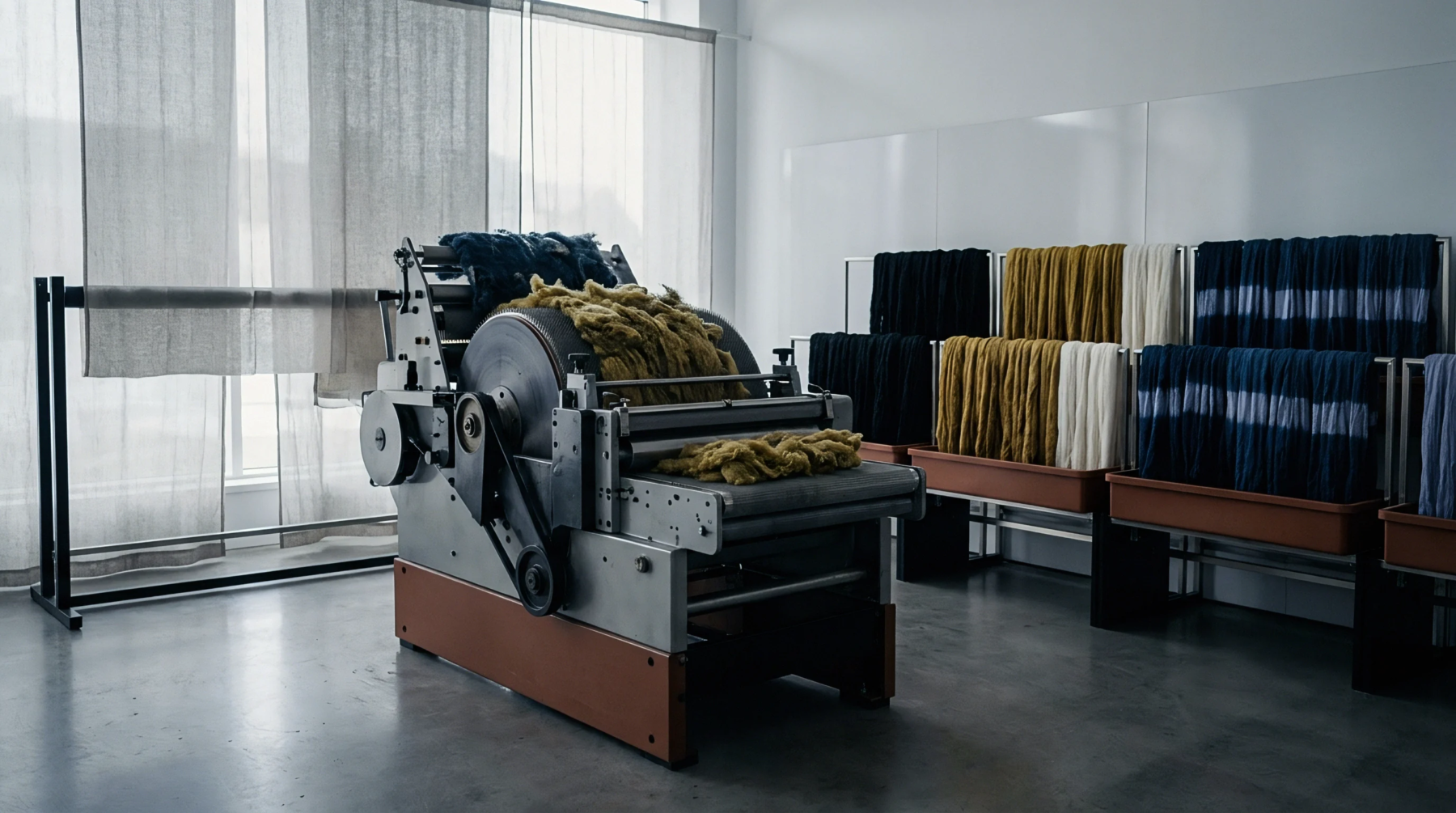
Commercial mass in intimate fibre mixtures derives from oven-dry component weights adjusted by individual official moisture regain values under ISO 6741.
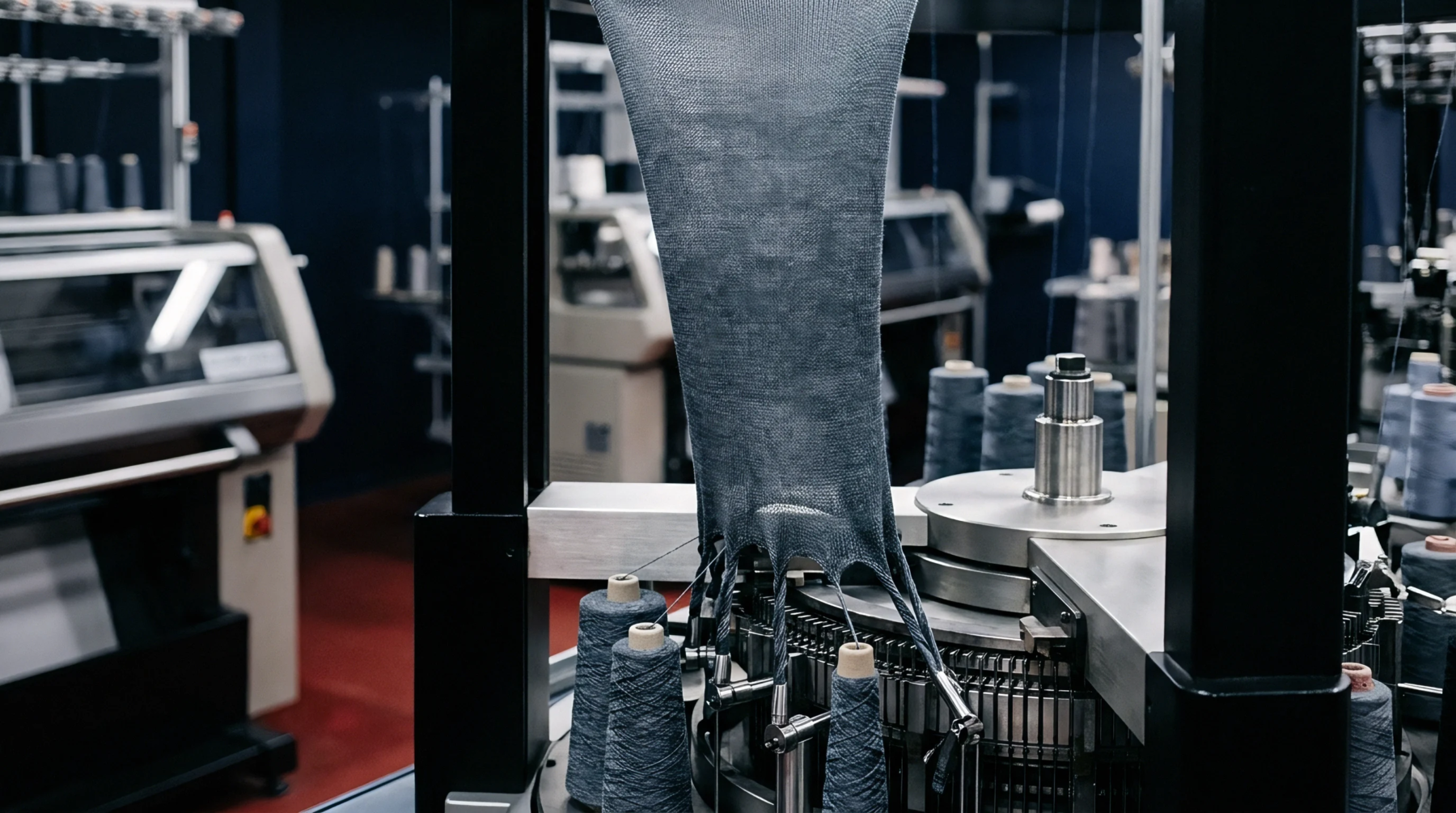
Commercial moisture regain converts variable as-received yarn mass to an oven-dry baseline plus legal allowances, preventing buyers from paying for transit water.
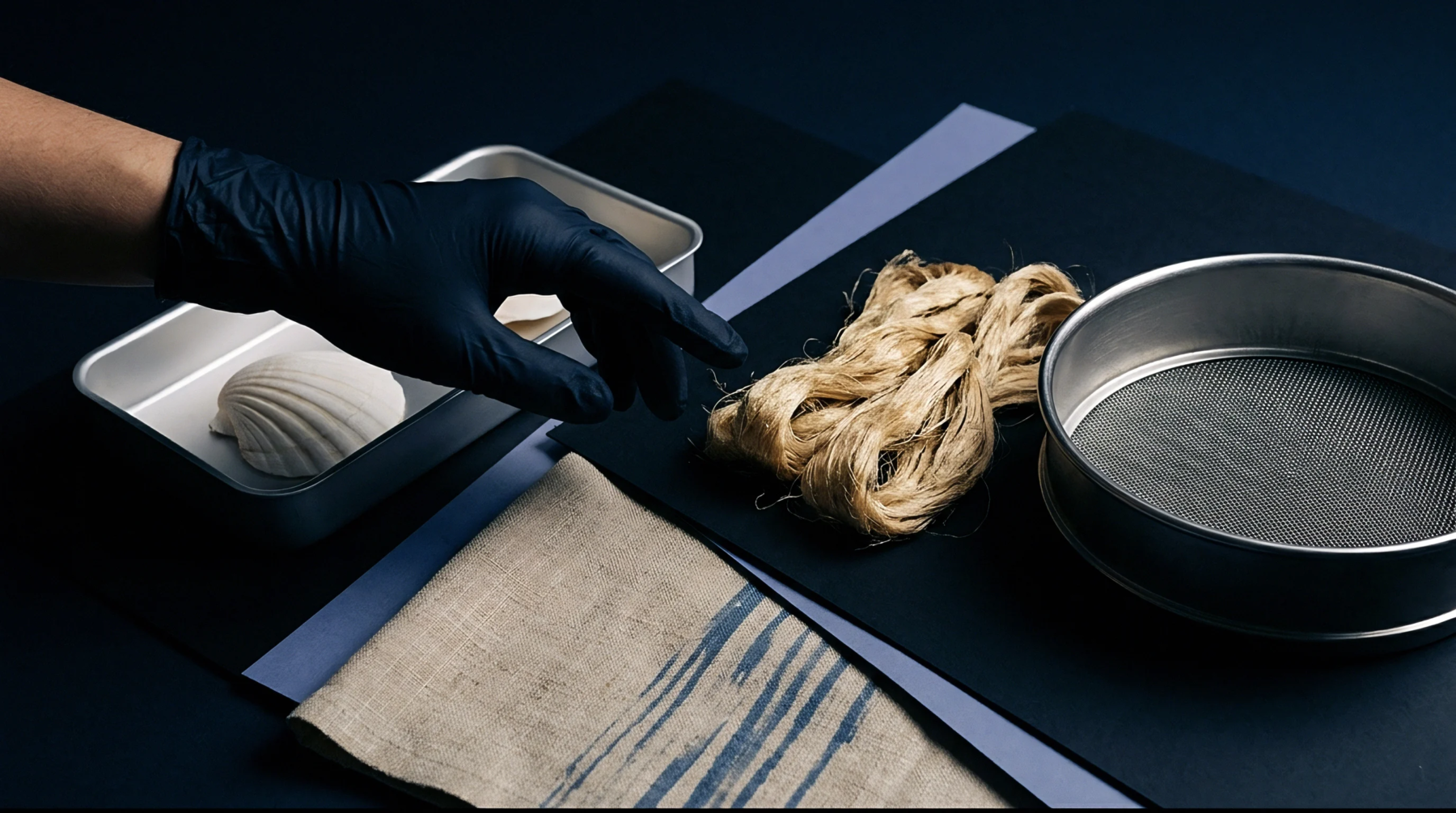
Commercial moisture regain additions legally alter dry fibre mass ratios, shifting predominant weight and triggering customs tariff reclassifications.
Expertise is a utility, not a secret. sentiention™ publishes its working knowledge as open reference: intelligence layer covering the materials it sources, the markets it enters, and the reference that serves both.