
Harmonized System Classification Drift Caused by Wet Finishing Contraction
Wet finishing contracts fibres unevenly, shifting component weight ratios across tariff boundaries and creating customs misdeclaration risk.
Wet finishing contracts fibres unevenly, shifting component weight ratios across tariff boundaries and creating customs misdeclaration risk.

Correcting PET spin finish extraction figures demands subtracting dissolved cyclic trimers to prevent overstating lubricant content in commercial mass calculations.

Solvent extraction isolates spin finishes and waxes from spun yarns, preventing excess processing aids from inflating commercial mass and landed duty costs.

Viscose moisture regain shifts during transit alter declared component mass ratios, triggering customs reassessments when unconditioned testing crosses tariff weight thresholds.

Official moisture regain calculations convert anhydrous dry mass into legal commercial mass to determine chief weight tariff lines for binary fibre imports.
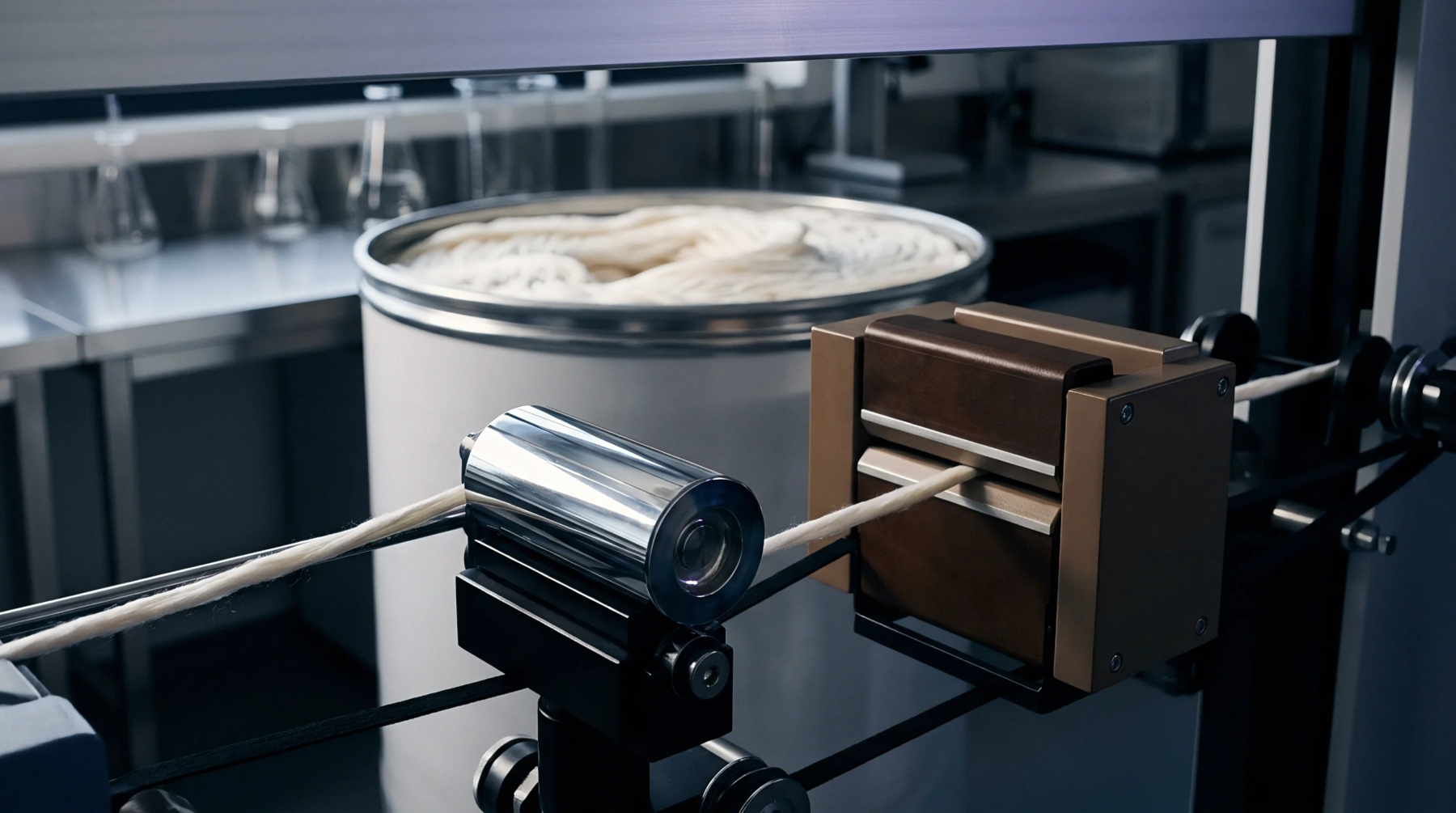
Adjust clean oven-dry mass using official commercial regain percentages to ensure accurate tariff classification and prevent commercial mass invoicing errors.

Spin finish deposits inside vortex chambers shift fluid boundary layer friction, increasing yarn hairiness and degrading tenacity during high-speed runs.

Air jet spinning waste ranges from three to nine percent, driven by short fiber index and nozzle pressure, directly shifting yarn yield and blend ratios.

Auditing mass balance in camel and cashmere dehairing requires converting all stream weights to oven-dry mass plus stream-specific standard regain.

Commercial mass regain adjustments recalculate dehaired specialty fibre billing weight by converting net scale mass to clean dry keratin plus official allowances.

Determining viscose wool dry mass ratios through ISO 1833 requires selective chemical dissolution, reagent mass correction, and commercial regain adjustments.

Accurate comber noil extraction calculations require mass balance testing under conditioned moisture standards, balancing waste removal against secondary resale value.
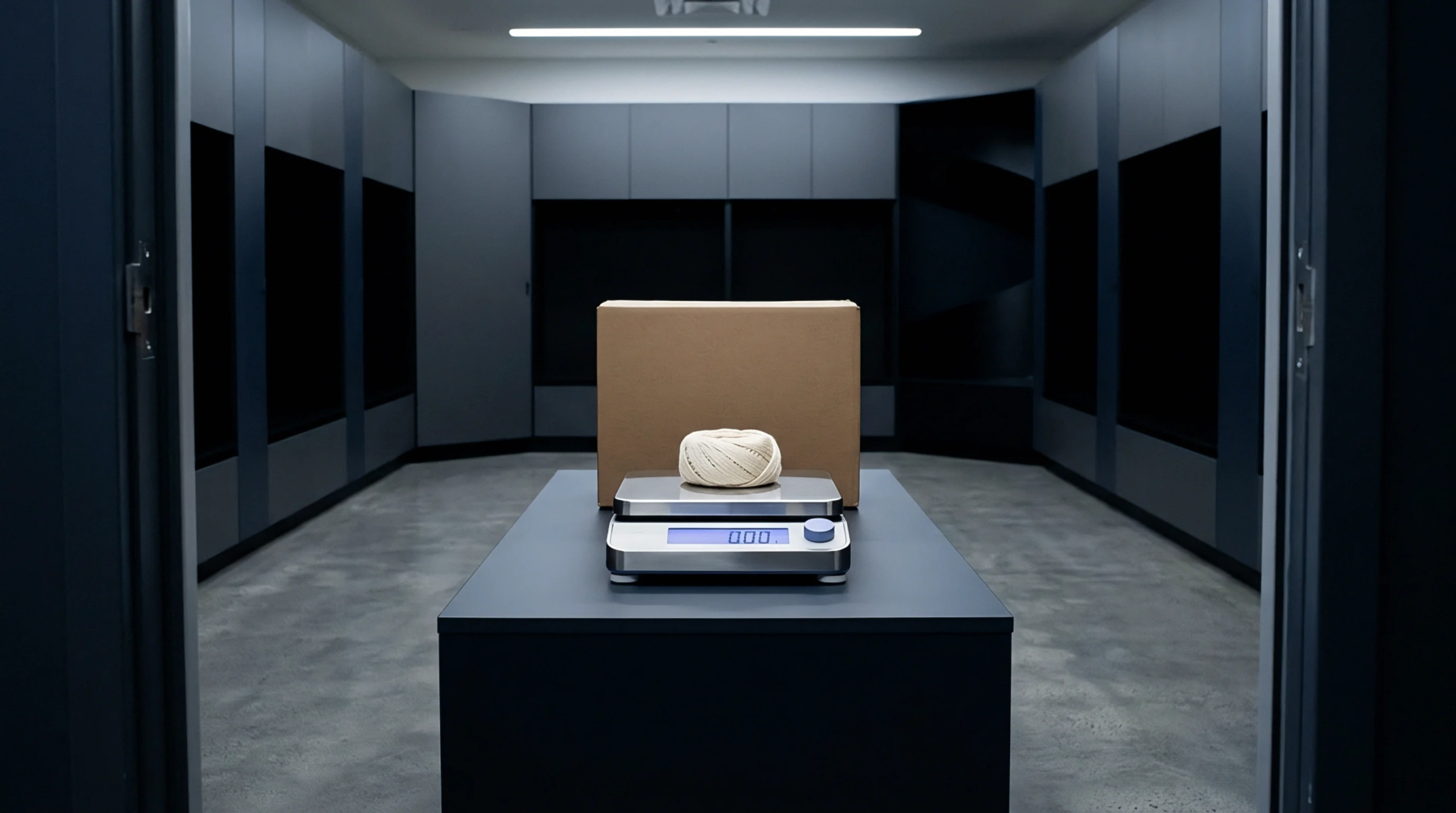
Commercial raw cotton mass requires adjusting gross scale weight for official moisture regain and non-lint content under standardized oven-dry test protocols.

Customs audits reclassify fiber blends when suppliers apply origin regain rates instead of destination statutory rules to oven-dry laboratory separation data.
Calculate weighted regain by multiplying dry fiber fractions by standard regain rates, applying this factor to clean dry mass for final invoice weight.

Baseline moisture allowances convert raw lot weight into commercial mass using ISO regains to prevent paying yarn prices for ambient water.

Adjust landed textile valuation disputes by converting gross scale weights to ISO 6741 dry mass plus commercial regain using dockside moisture sample reports.
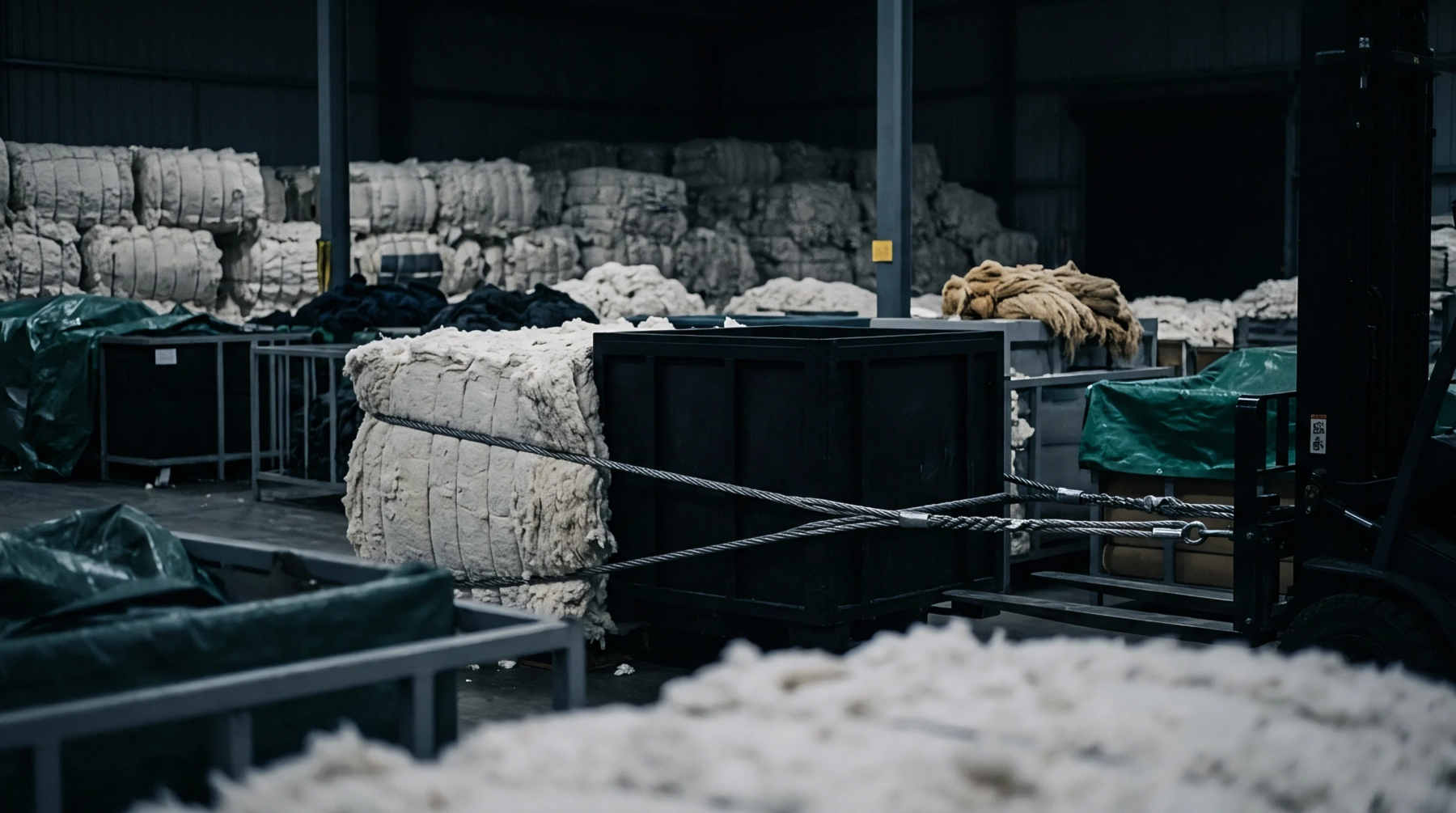
Commercial mass arbitration of maritime viscose transport converts scale weights to oven-dry fiber mass under ISO 6741 using official regain factors.

Converting laboratory dry chemical reports to standard commercial regain mass prevents tariff misclassification and aligns invoice billing with landed net weight.

Commercial weight equals dry polymer mass multiplied by one plus the standard commercial regain percentage, converting tested moisture levels into trade invoices.

Commercial yarn weight verification relies on oven-dry mass determination modified by standard moisture regain percentages to determine billable weight.
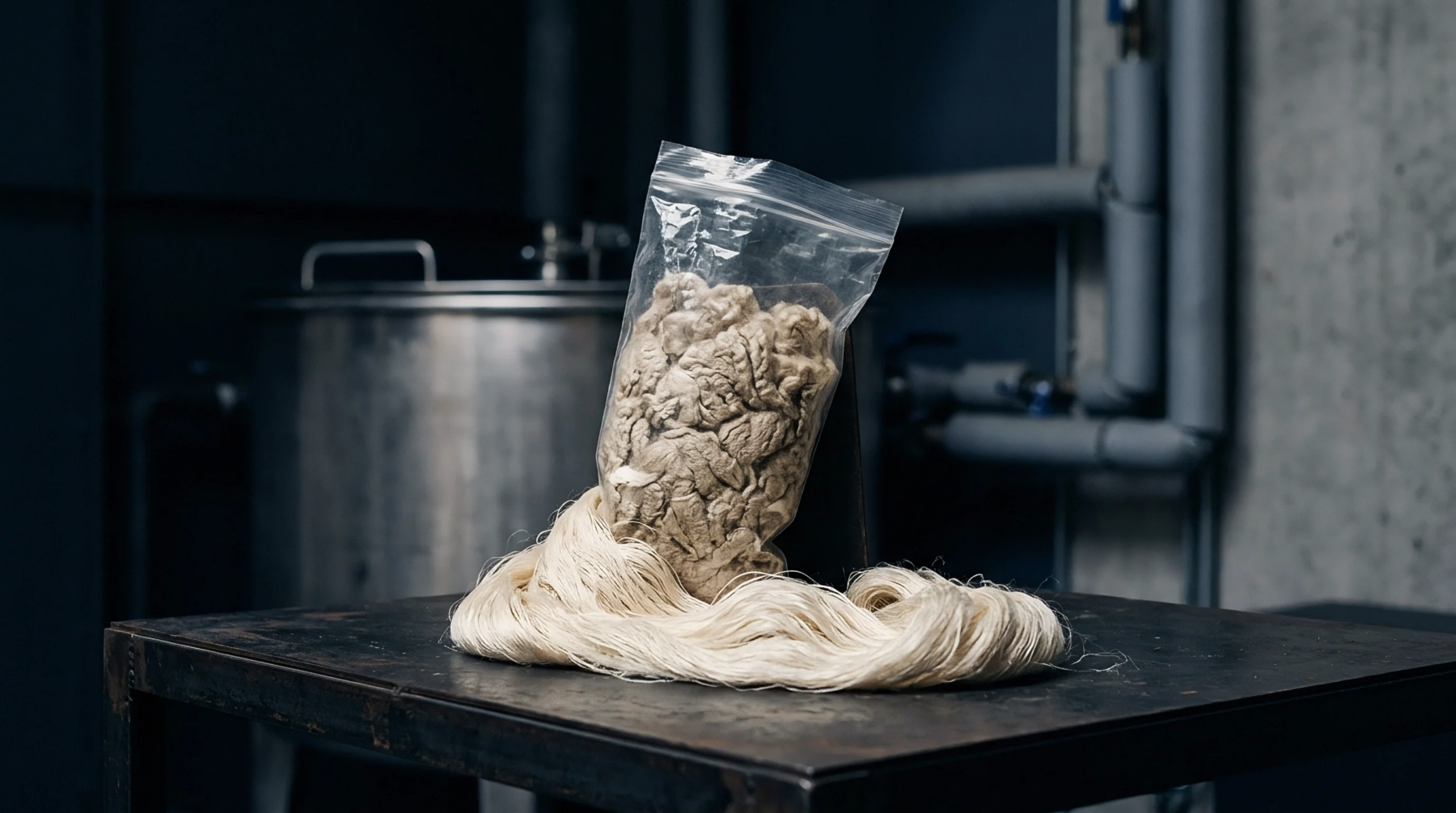
Quantitative fibre blend analysis uses selective chemical dissolution, gravimetric desiccation, and microscopic counting to verify trade declarations.

Standard atmospheric conditioning eliminates sorption hysteresis errors, securing accurate fabric weight, thread density, and commercial mass billing.

Customs composition disputes resolve by aligning chemical solvent dissolution test methods, ISO 6741 dry mass regains, and contract retest clauses.
Determining cotton viscose yarn blend composition requires solvent extraction pretreatment, precise reagent temperature control, and empirical d-factor corrections.

Official moisture regain converts bone-dry wool yarn mass into contractually billable commercial weight, eliminating ambient moisture volatility from financial settlements.

Gravimetric oven drying determines accurate polymeric fibre regain by measuring dry mass after removing volatile moisture at specified temperatures.
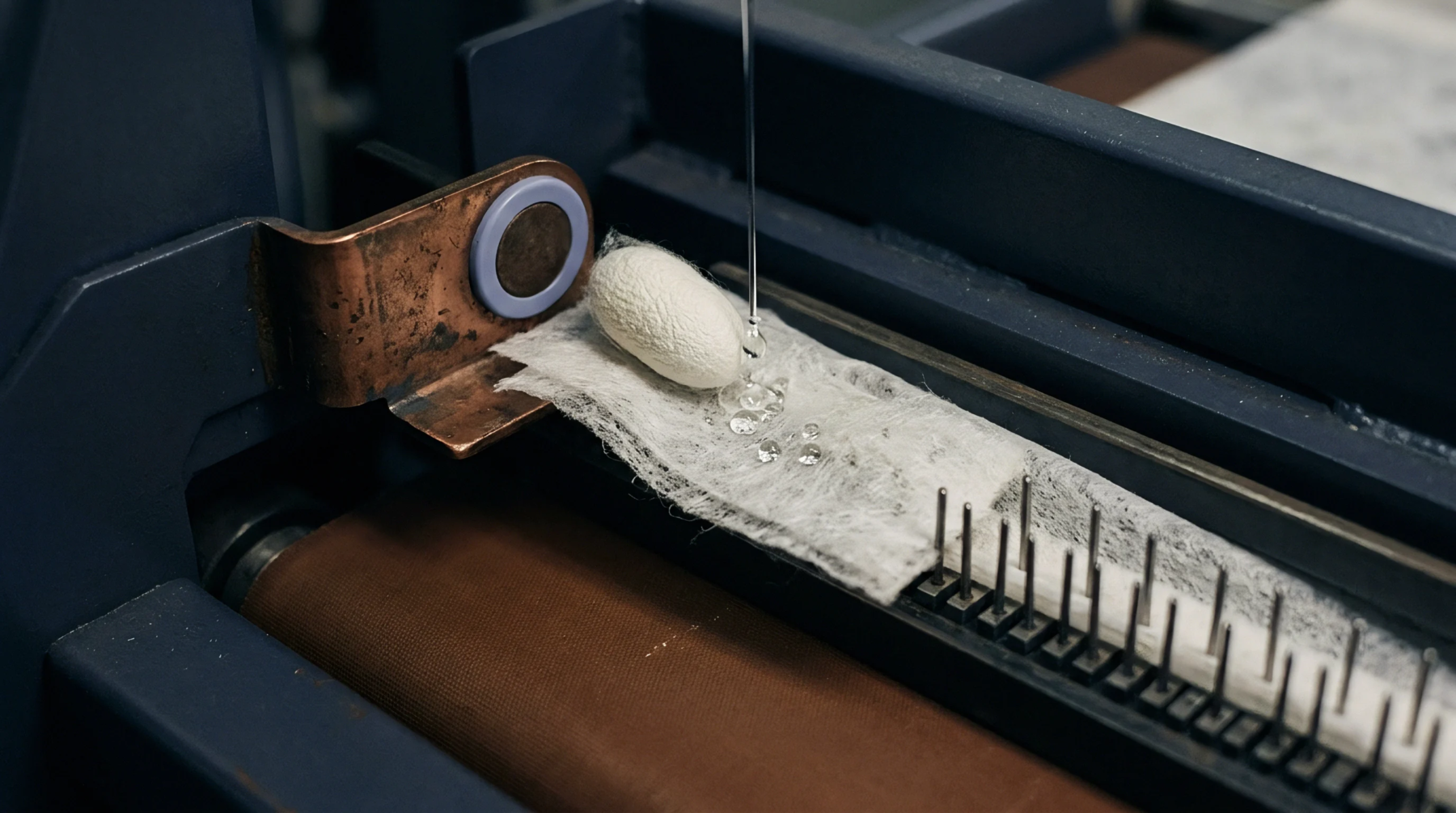
Commercial mass determination reconciles clean dry polymer mass with official regain allowances to secure precise customs compliance and financial settlement.
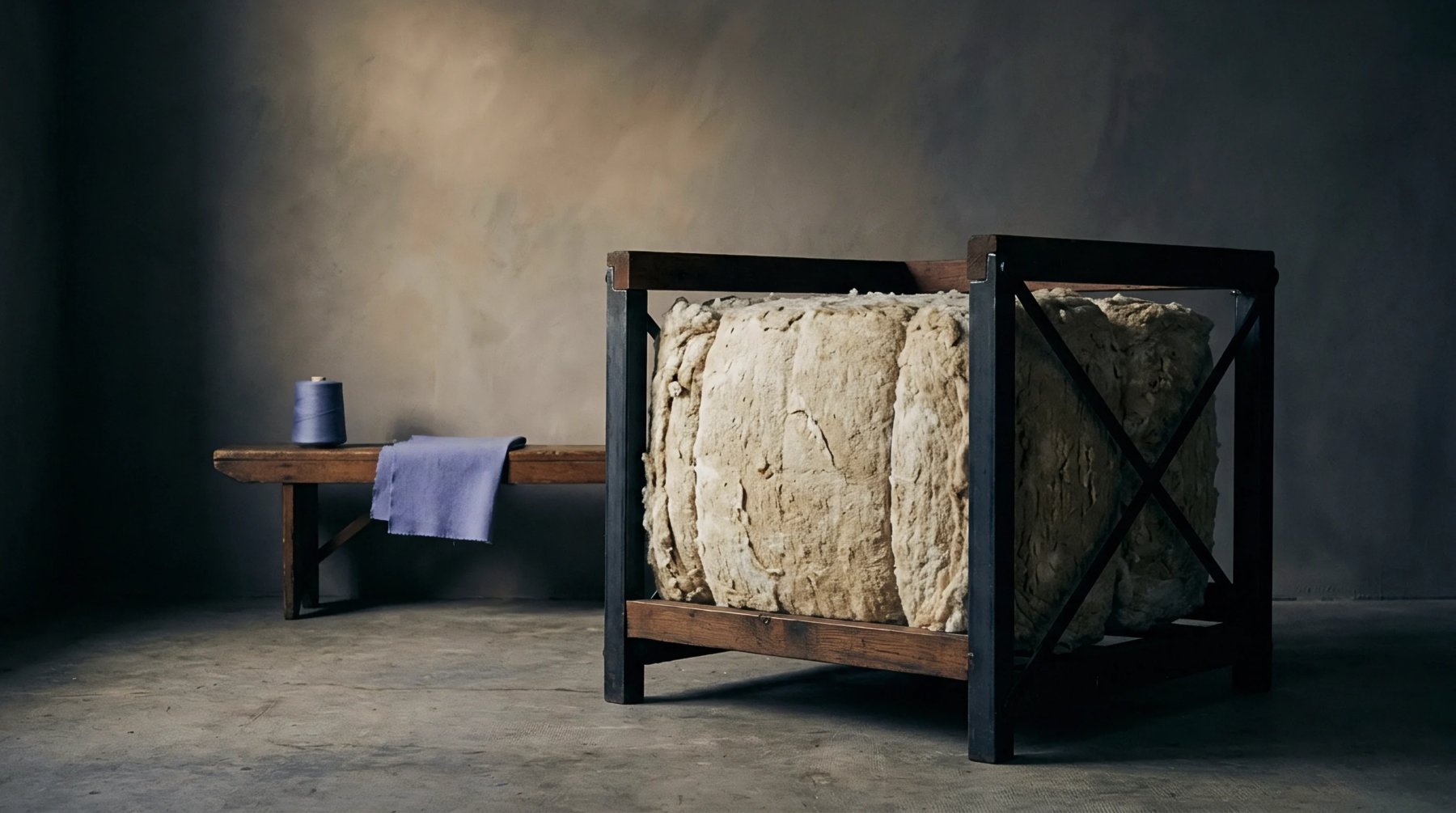
Determine commercial mass by calculating clean oven-dry mass from certified core samples and adding standard international commercial regain allowances to settle invoices.

Commercial regain corrections convert oven-dry laboratory residue masses into legal billed weights to prevent customs penalties and tariff misclassification.
Expertise is a utility, not a secret. sentiention™ publishes its working knowledge as open reference: intelligence layer covering the materials it sources, the markets it enters, and the reference that serves both.