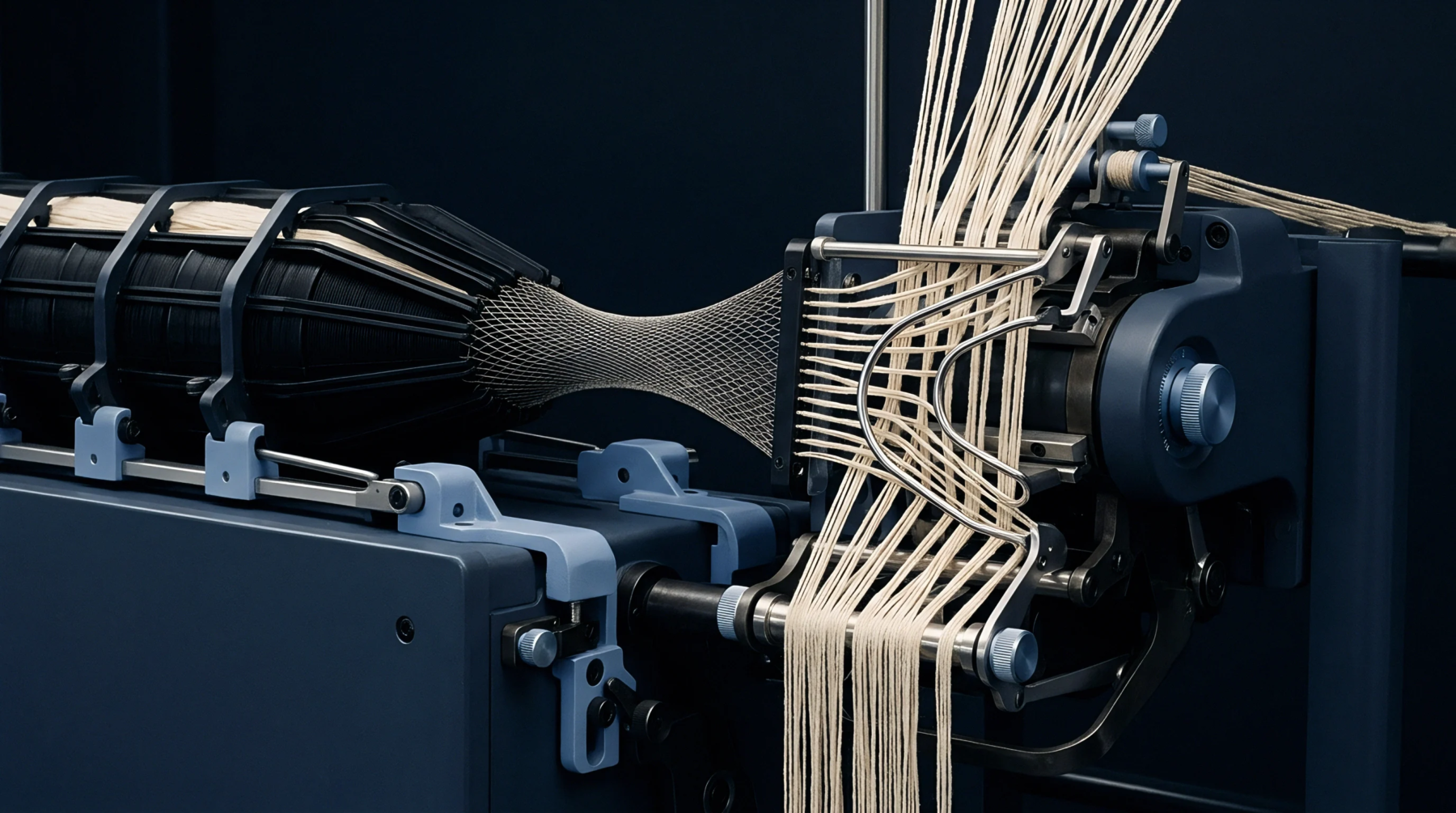
Calculating Commercial Mass Allowances on Hydrophilic Synthetic Blends in Transit
Commercial mass calculations convert variable received scale weight into fixed legal mass by applying standardized moisture allowances to oven-dried polymer.
Commercial mass calculations convert variable received scale weight into fixed legal mass by applying standardized moisture allowances to oven-dried polymer.

Commercial moisture regain standards convert oven-dry synthetic fiber mass to statutory customs clearance weights, preventing duty miscalculations.
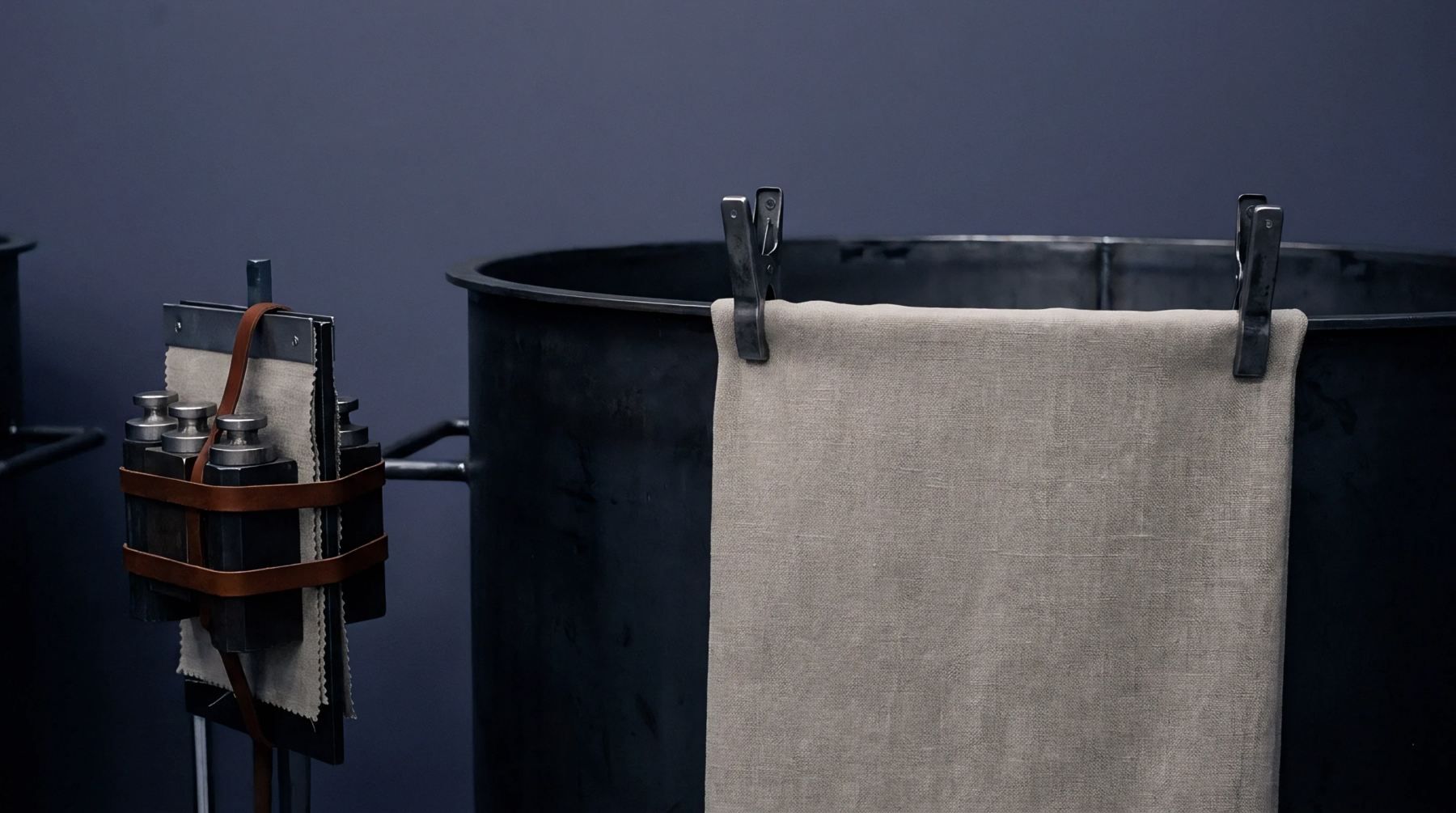
Reconciling laboratory chemical composition with landed weight requires converting oven-dry chemical ratios into commercial mass using official moisture regains.

Statutory moisture allowances convert dry mass into legal commercial mass, shifting chief weight and flipping tariff headings on tight fibre ratios.
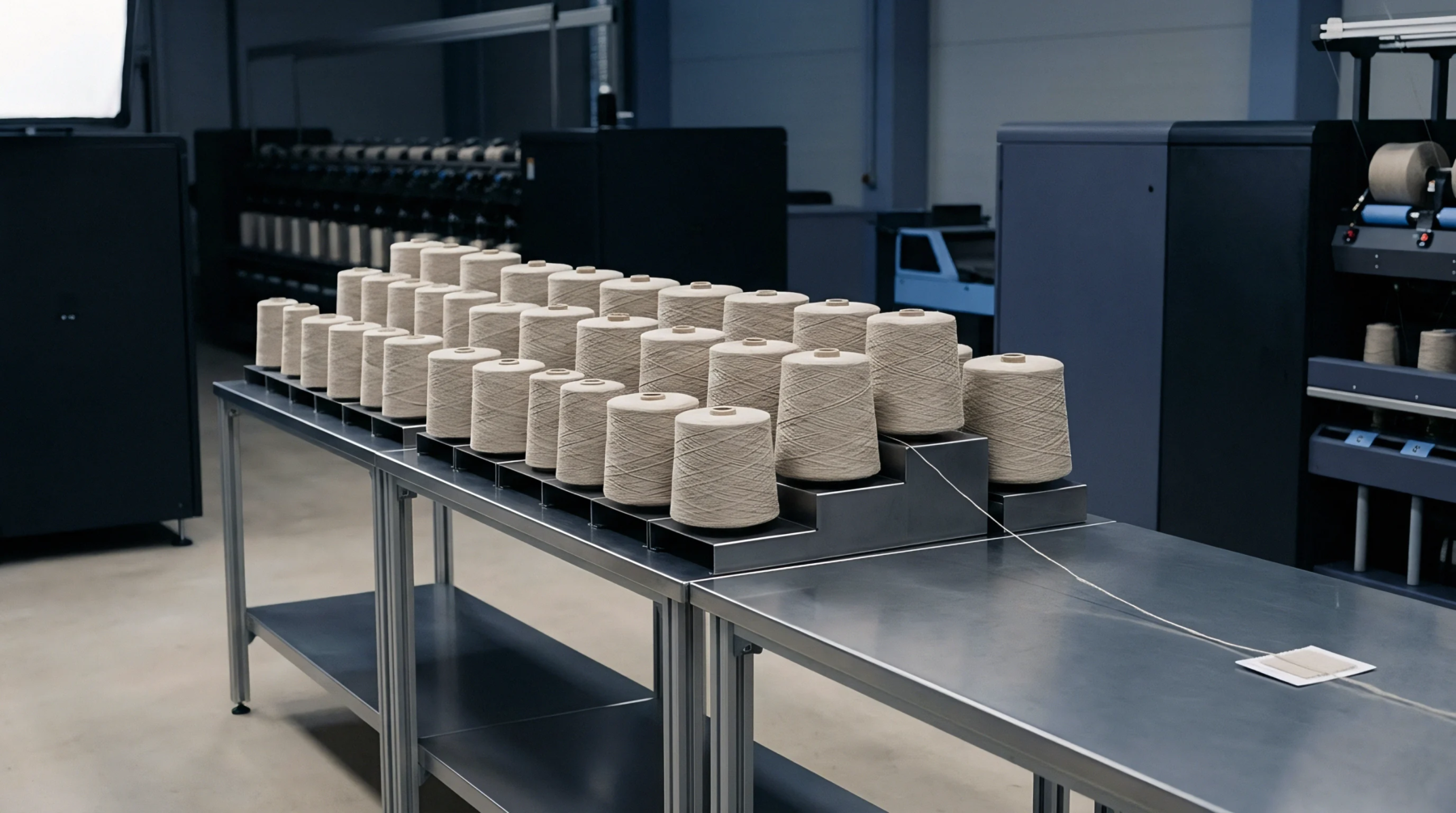
Certified commercial mass derived from oven-dry weight and standard regain percentages protects buyers from paying liquid prices for dry textile shipments.

Greige fabric moisture regain dictates invoice billing weight, desizing efficiency, and mold risk, requiring storage at 55 to 65 percent relative humidity.

Commercial mass scales anhydrous oven-dry textile mass by adding standardized official moisture and extractable allowances for accurate settlement and customs declarations.
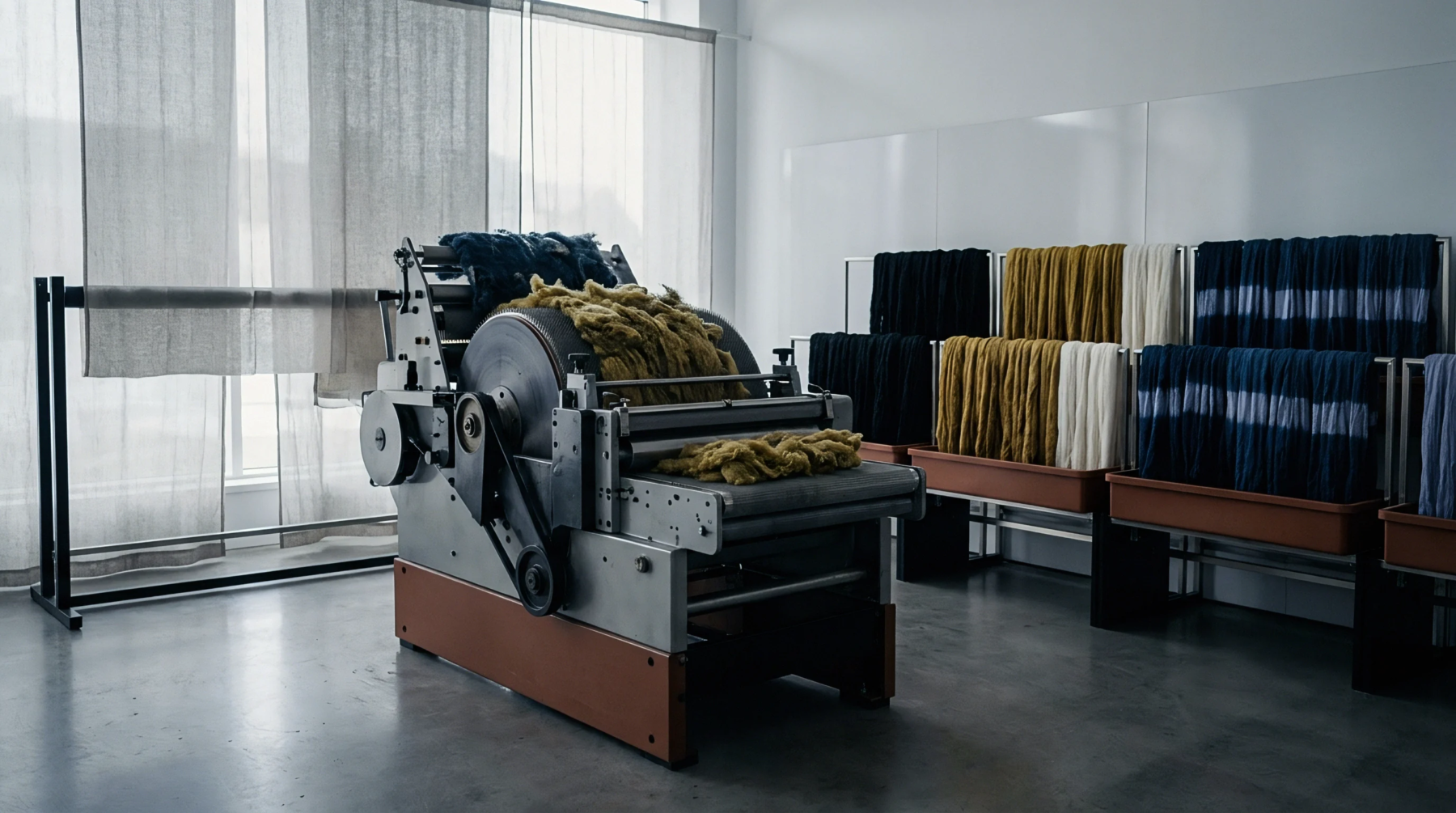
Commercial mass in intimate fibre mixtures derives from oven-dry component weights adjusted by individual official moisture regain values under ISO 6741.
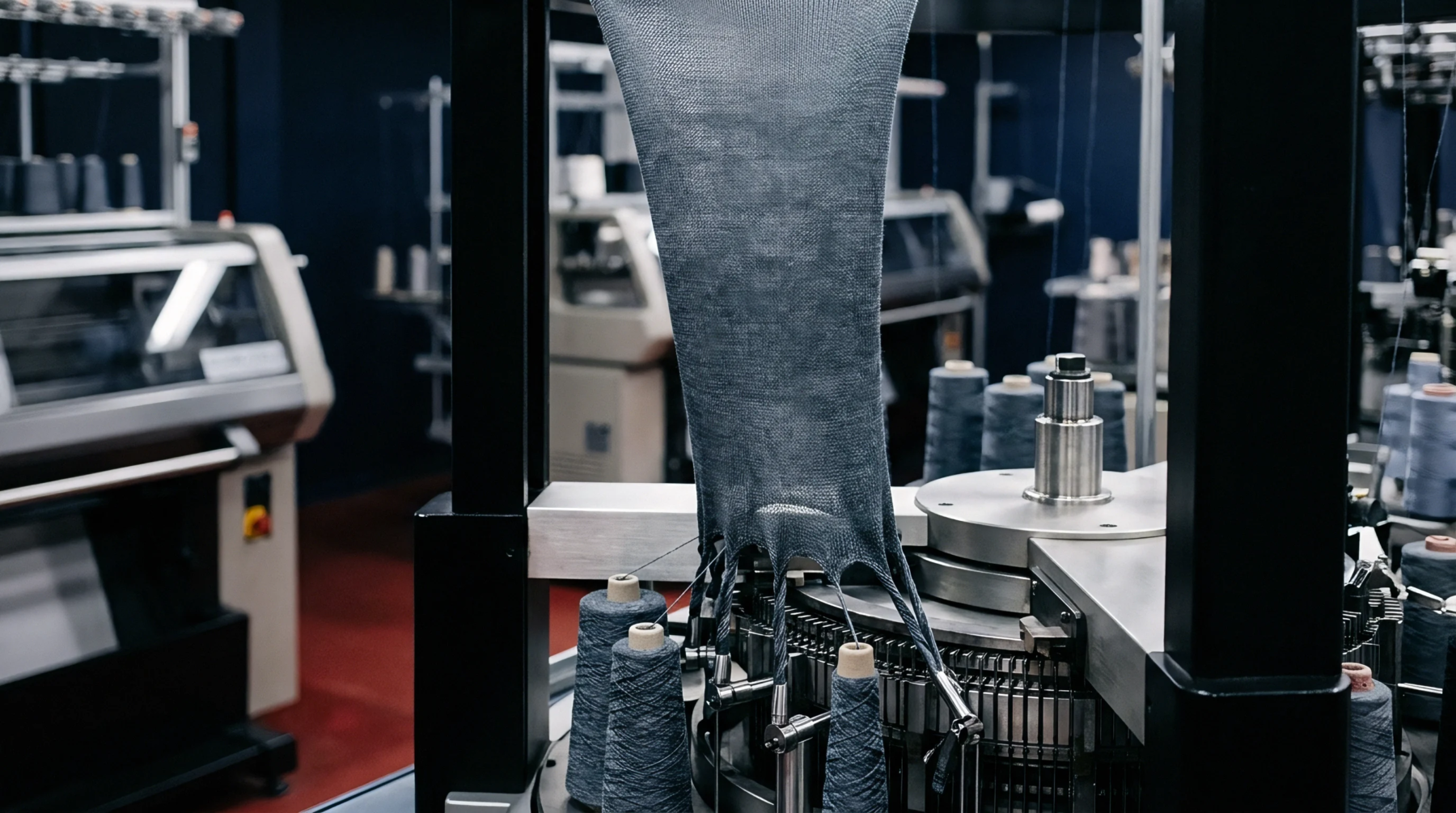
Commercial moisture regain converts variable as-received yarn mass to an oven-dry baseline plus legal allowances, preventing buyers from paying for transit water.
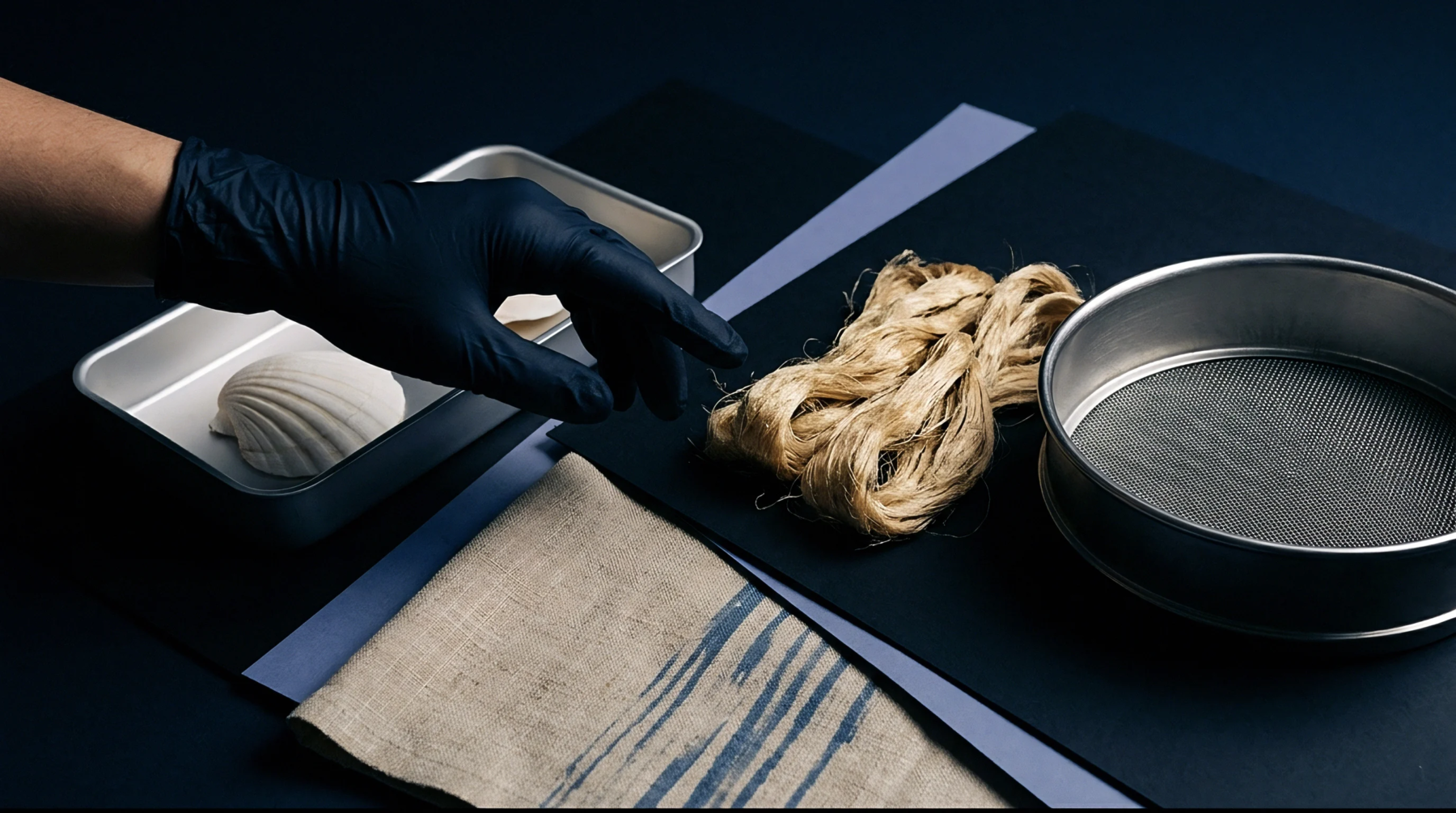
Commercial moisture regain additions legally alter dry fibre mass ratios, shifting predominant weight and triggering customs tariff reclassifications.
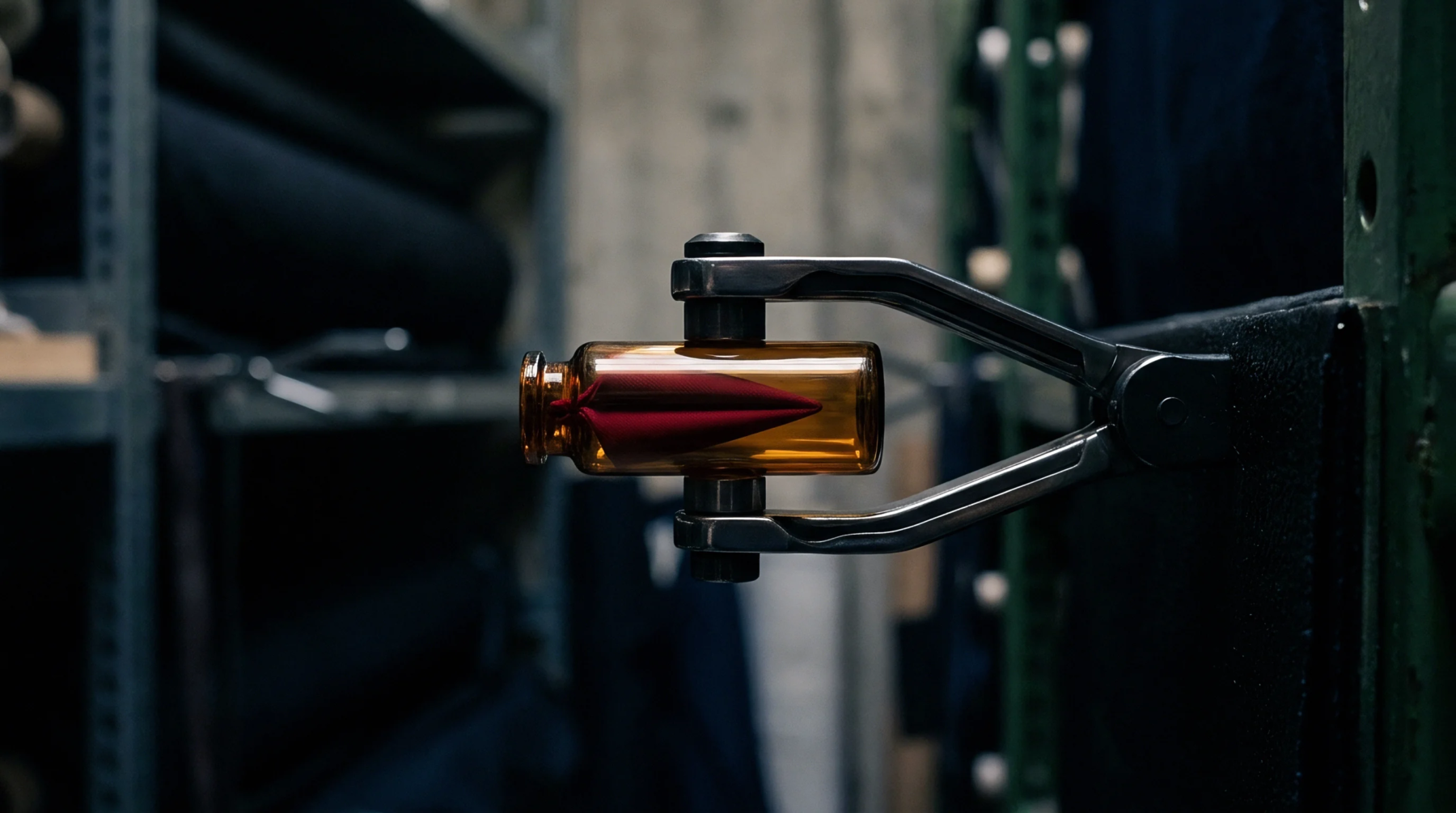
Dynamic marine container heat cycles drive cyclic moisture sorption and permanent hygrothermal creep in wound textiles, requiring foil barriers and sized desiccants.
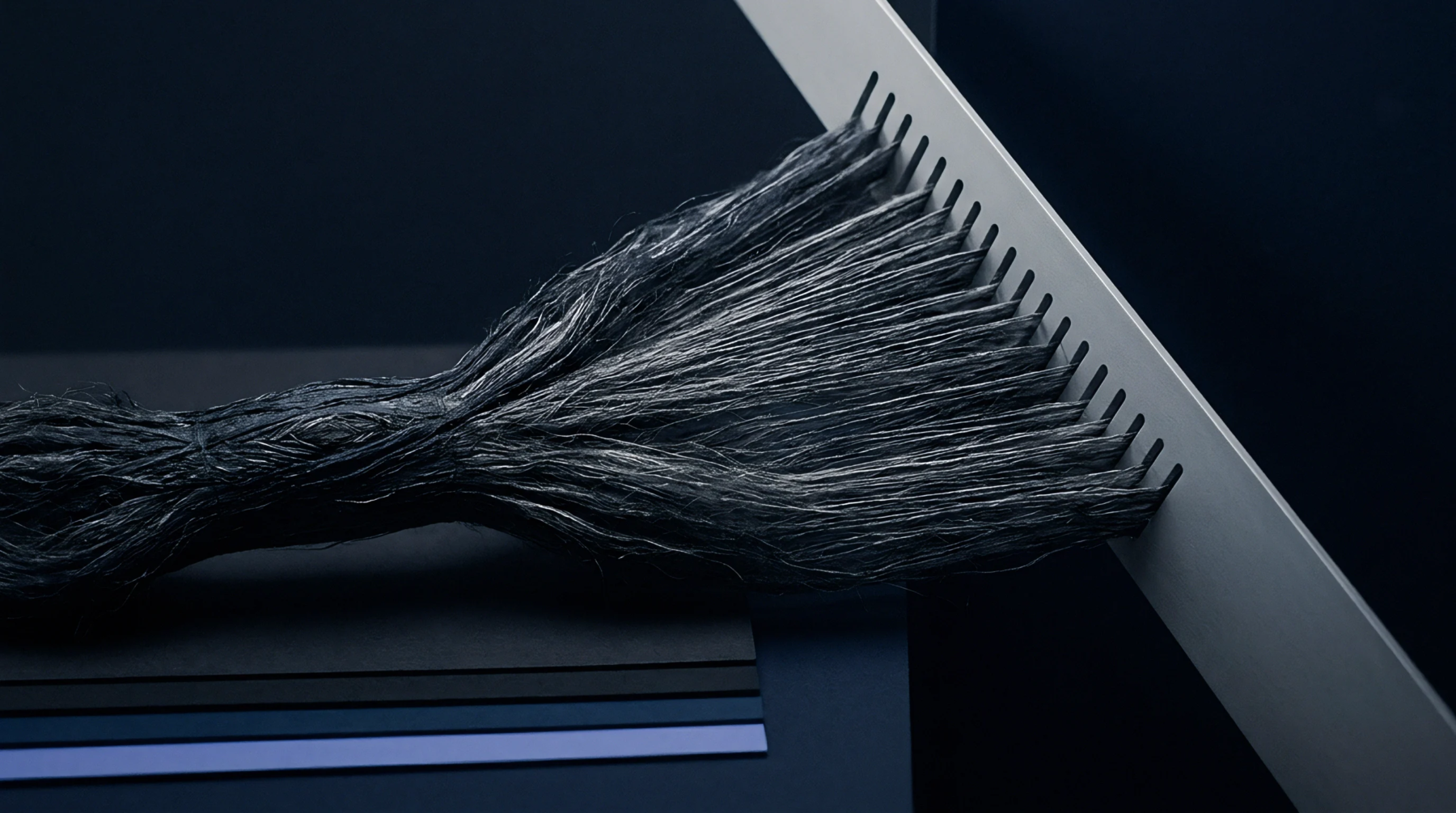
Invoiced commercial mass equals total oven-dry fibre weight multiplied by one hundred plus standard regain and finish allowance percentages, divided by one hundred.

Reconciling customs moisture discrepancies requires converting physical import weights to oven-dry mass and reapplying statutory regulatory regain schedules.

Quantitative fiber dissolution tolerances demand pairing empirical reagent mass-loss factors with statutory moisture regains to defend customs declarations.
Commercial mass of synthetic filament yarns is determined by adding standard commercial moisture allowances to solvent-extracted oven-dry mass.

Fiber mass conservation balances certified intake against conditioned output, scrap manifests, and moisture regain to verify supply chain chain of custody.

Reconciling customs isotopic disputes requires proving chemical fractionation shifts while matching spinning waste logs to dry-weight mass balance equations.

Clean dry mass removes finishes and water to yield true polymer weights, which commercial regain adjustments convert into legally defensible blend ratios.

Customs chief-weight classification for multi-fibre textiles depends on whether laboratories calculate percentages on oven-dry mass or statutory regain values.

Commercial mass calculations adjust billed consignment weights to oven-dry mass plus standard moisture regain, preventing buyers from paying yarn prices for water.

Commercial mass calculations convert net delivered fiber weight to dry mass plus official regain, eliminating financial losses from shipping absorbed water.

Commercial moisture regain converts oven-dry yarn weight into invoiced mass using standardized moisture percentages and finish allowances under ISO 6741.
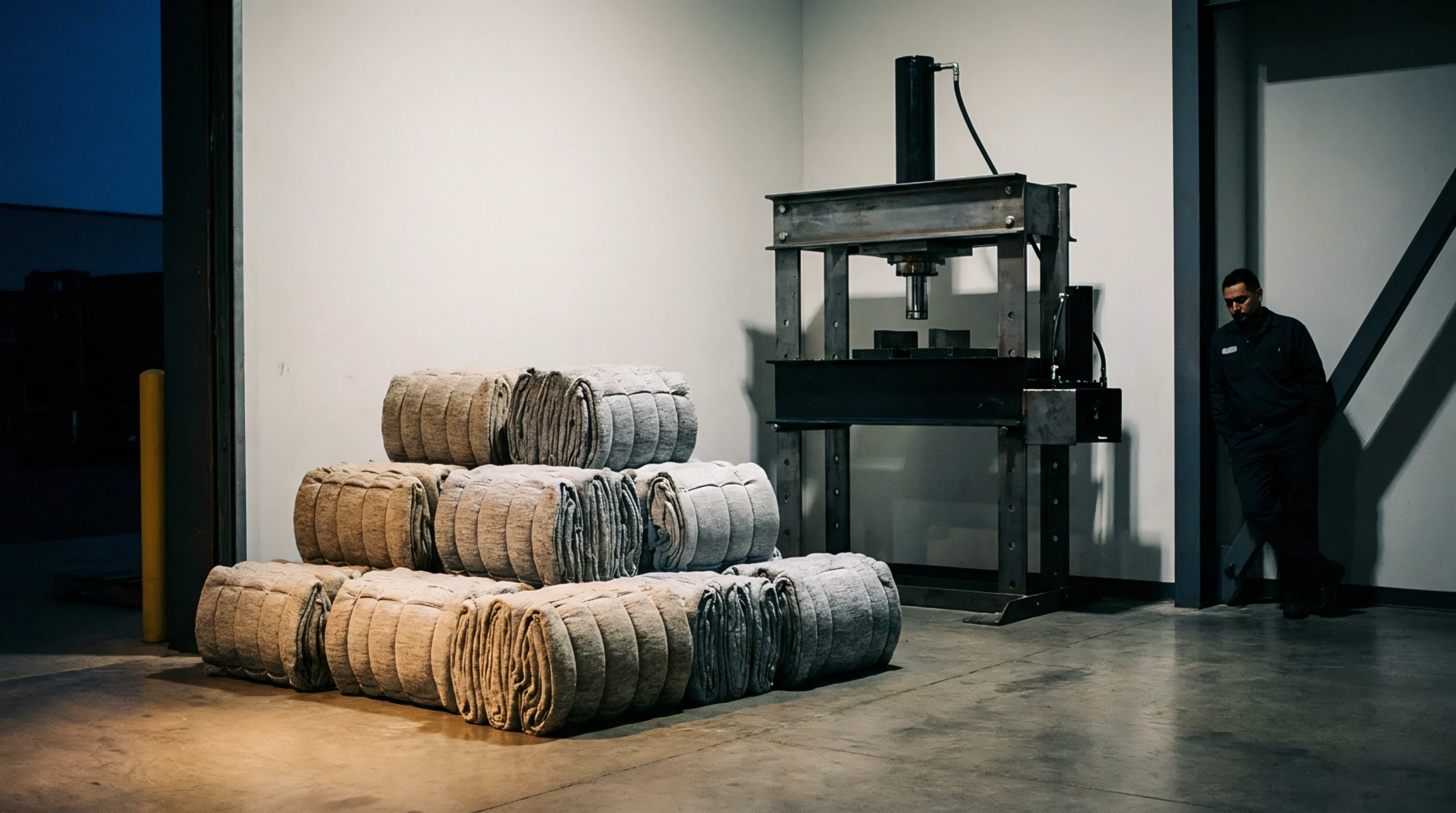
Warehouse relative humidity directly shifts greige yarn moisture regain, altering single-end tensile strength, unwinding tensions, and invoiced commercial weight.
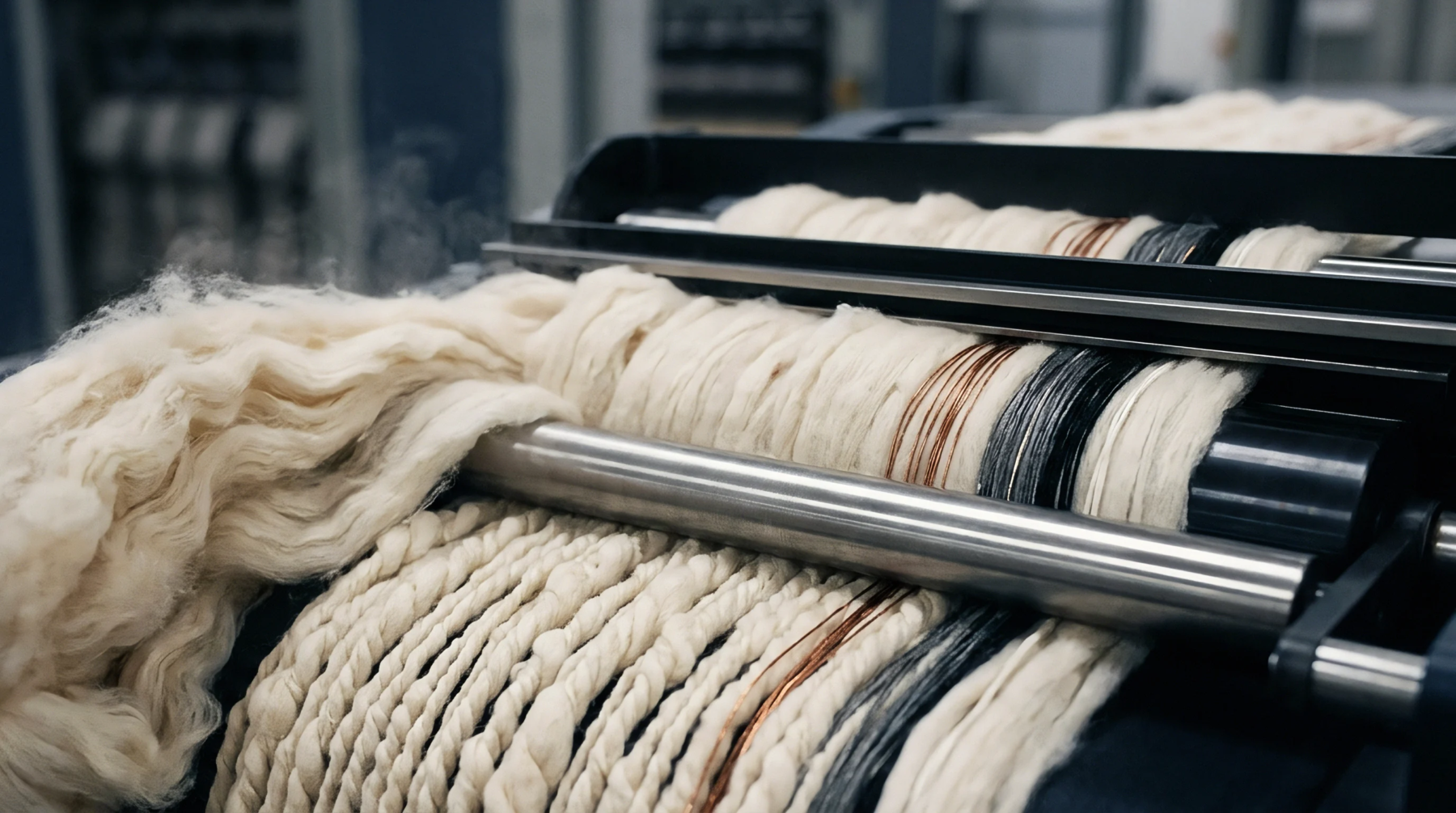
Dynamic moisture regain hysteresis in recycled staple mixtures causes commercial weight errors that require dry-mass testing rather than linear calculation.

Commercial mass equals oven dry mass multiplied by one plus the weighted sum of official fiber moisture regain allowances.

Thermodynamic sorption corrections convert ambient multi-fiber invoice weights to legal dry commercial mass, eliminating excess water charges and tariff overpayment.

Commercial regain calculations standardize textile import weights by converting wet scale mass to oven-dry mass and adding statutory moisture allowances.

Commercial textile blend ratios require adjusting clean oven dry masses with statutory moisture regain rates to ensure accurate legal customs declarations.

Degraded synthetics exhibit non-linear regain increases that distort commercial mass and skew customs tariff declarations when tested against virgin baselines.

Statutory tolerances fail unless chemical test reports account for reagent dissolution d-factors and official moisture regain adjustments on clean dry residue.
Expertise is a utility, not a secret. sentiention™ publishes its working knowledge as open reference: intelligence layer covering the materials it sources, the markets it enters, and the reference that serves both.