
Declared Composition Tolerance against What the Test Method Returns
Declared composition tolerances bridge laboratory test method noise and commercial target blend ratios through standardized moisture regain corrections.
Declared composition tolerances bridge laboratory test method noise and commercial target blend ratios through standardized moisture regain corrections.
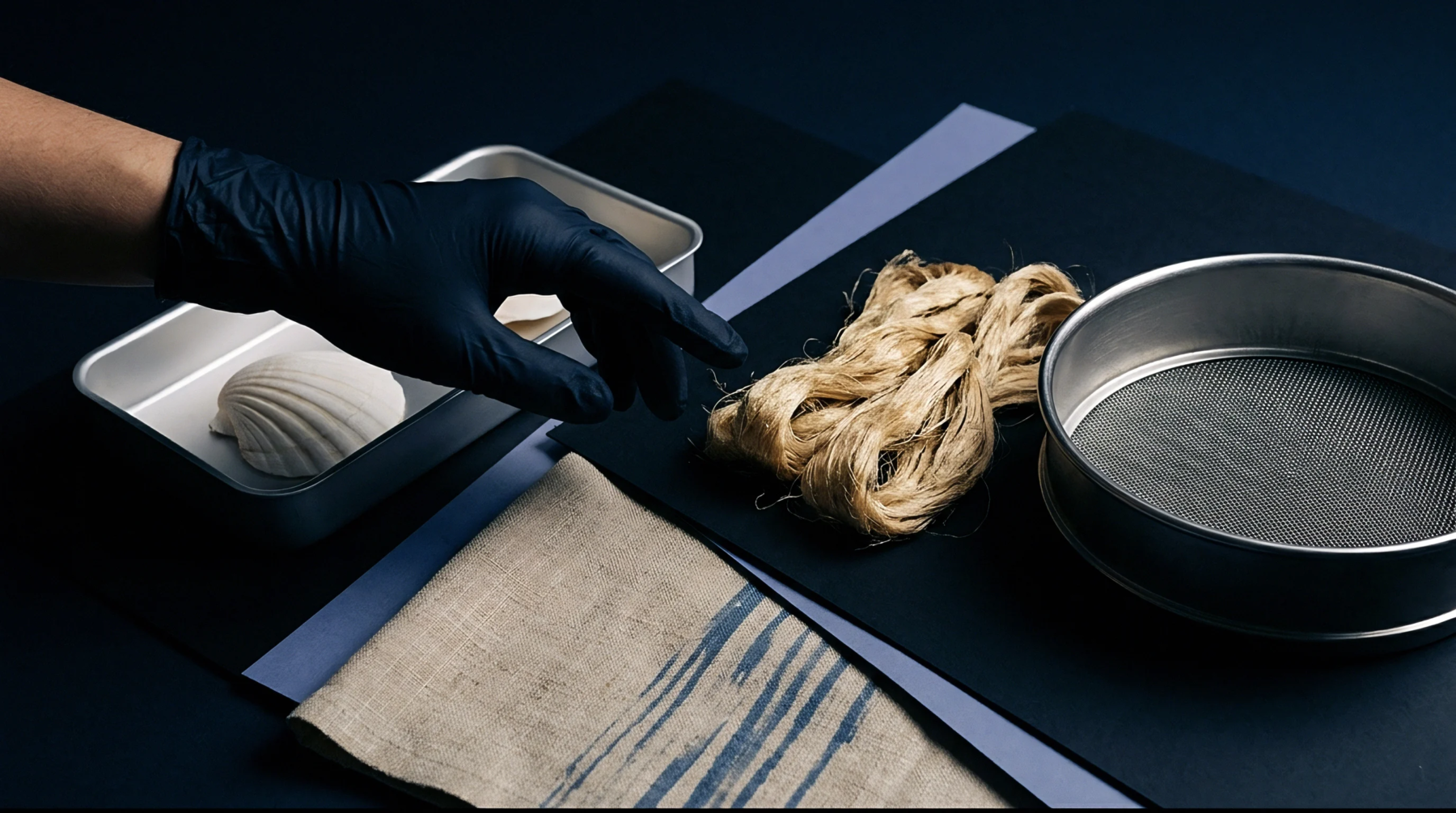
Verify dry mass under ISO 6741 oven testing to ensure yarn invoices bill official regain allowances rather than trapped atmospheric water.

Commercial mass calculations adjust textile shipping weights to standard moisture regain levels, preventing overpayment of invoices and customs import duties.

Weighted commercial regain calculations turn dry mass fractions and standard allowance rates into contractually enforceable net billable yarn shipment weights.

Viscose wool composition drift stems from differing standard moisture regain allowances, requiring dry-mass conversion formulas to protect tariff lines and invoices.

Customs valuation for multi-fibre blends requires deriving commercial mass by adjusting clean oven-dry weight with ISO 6741 weighted fibre regain allowances.

Adjusting dry test mass using official moisture regain values shifts binary fiber ratios, changing chief weight tariffs and altering landed customs duties.

Commercial mass calculations prevent paying for atmospheric moisture by basing billing on clean dry mass plus official fiber regain allowances.

Transit moisture absorption alters ocean container cargo mass beyond standard laboratory regain corrections, creating financial and customs discrepancies.

Determining dry mass ratios requires desiccation at 105 °C, selective chemical dissolution under ISO 1833, d-factor correction, and commercial regain adjustments.

Dynamic thermodynamic hysteresis modeling converts volatile landed net scale weight to true dry mass, preventing systematic multi-fiber commercial invoice errors.

Commercial regain corrections convert oven-dry laboratory residue masses into legal billed weights to prevent customs penalties and tariff misclassification.
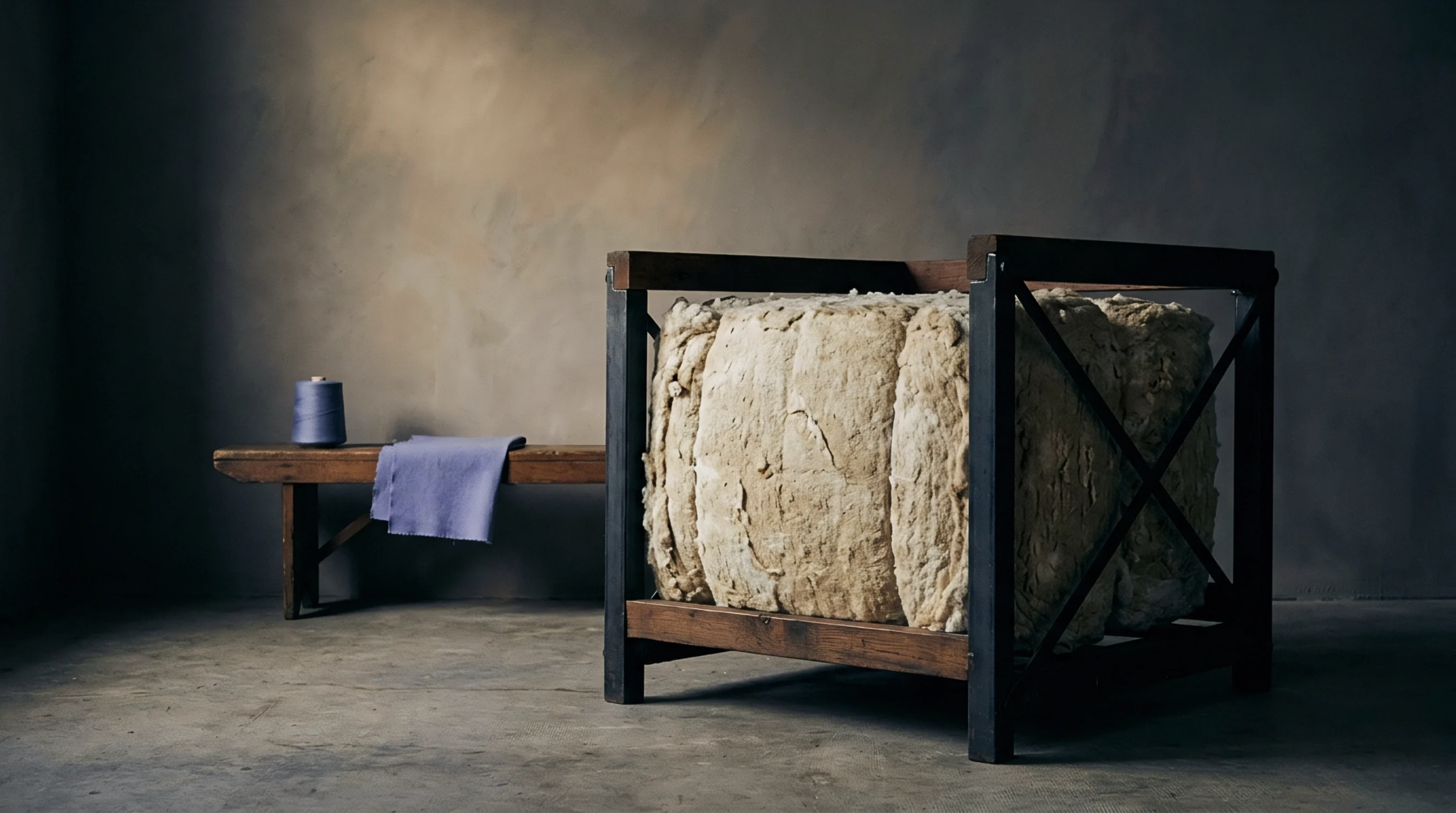
Determine commercial mass by calculating clean oven-dry mass from certified core samples and adding standard international commercial regain allowances to settle invoices.

Commercial yarn weight verification relies on oven-dry mass determination modified by standard moisture regain percentages to determine billable weight.

Commercial weight equals dry polymer mass multiplied by one plus the standard commercial regain percentage, converting tested moisture levels into trade invoices.

Converting laboratory dry chemical reports to standard commercial regain mass prevents tariff misclassification and aligns invoice billing with landed net weight.

Baseline moisture allowances convert raw lot weight into commercial mass using ISO regains to prevent paying yarn prices for ambient water.
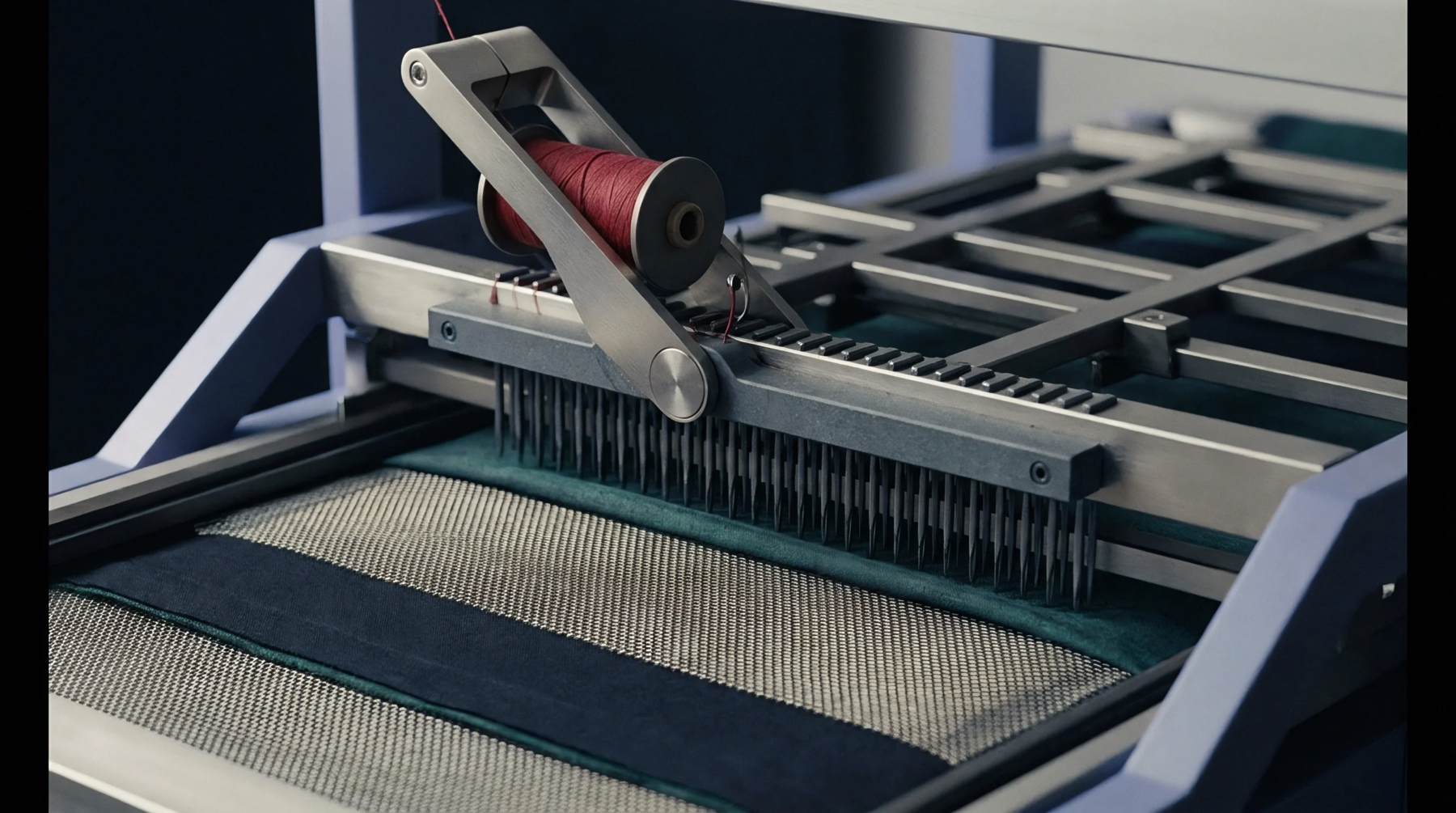
Calculate weighted regain by multiplying dry fiber fractions by standard regain rates, applying this factor to clean dry mass for final invoice weight.

Customs audits reclassify fiber blends when suppliers apply origin regain rates instead of destination statutory rules to oven-dry laboratory separation data.
Adjust clean oven-dry mass using official commercial regain percentages to ensure accurate tariff classification and prevent commercial mass invoicing errors.

Viscose moisture regain shifts during transit alter declared component mass ratios, triggering customs reassessments when unconditioned testing crosses tariff weight thresholds.
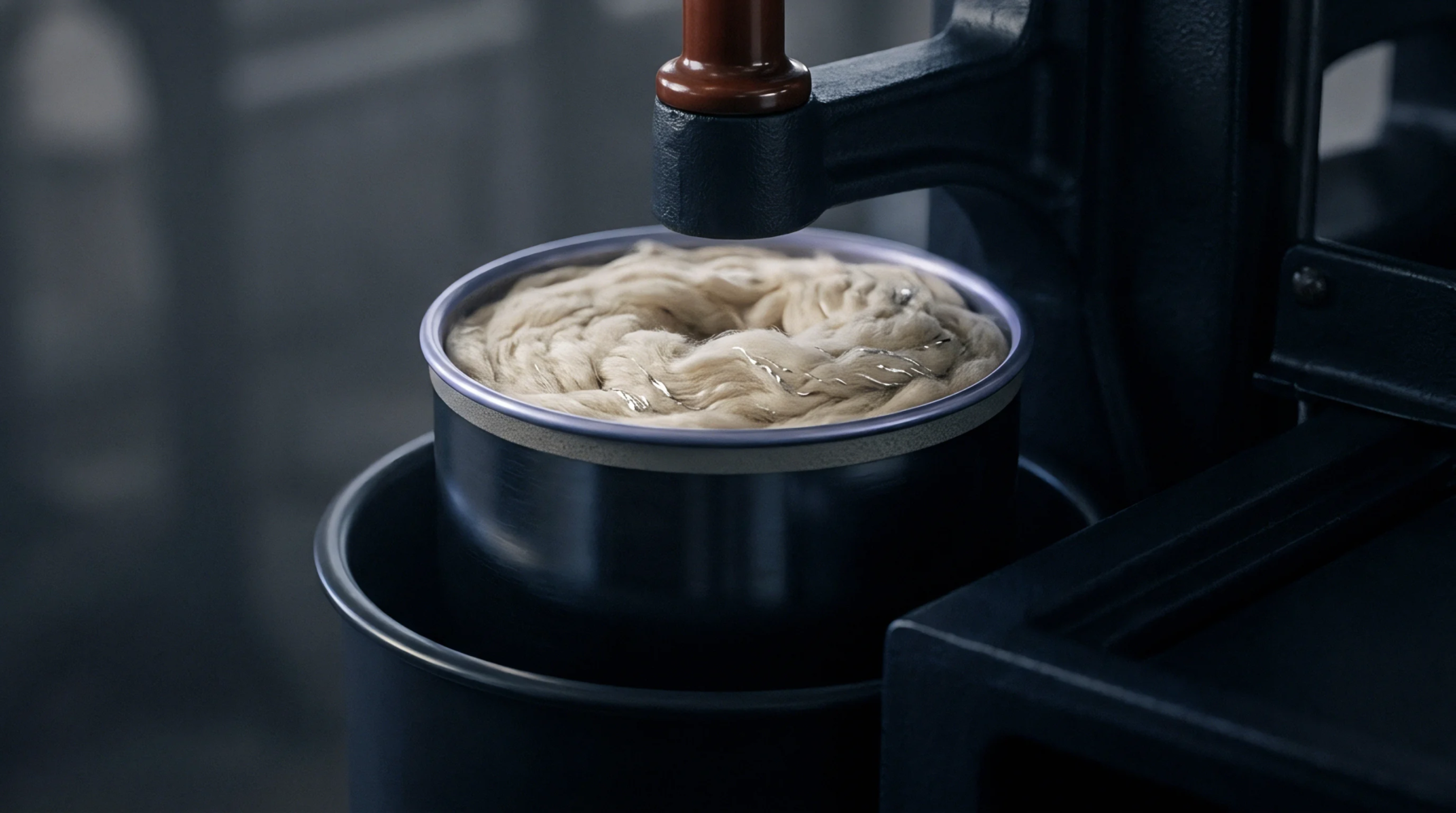
Evaluating staple yarn invoices requires converting gross invoice weight to commercial mass using official fiber regain allowances and oven-dry testing.

Harmonized tariff chief weight declarations require converting oven-dry fibre masses into commercial mass using statutory regain allowances to prevent reclassification.

Correcting cotton yarn density for moisture regain standardizes commercial invoiced mass and prevents package dyeing defects caused by swelling.
Align customs entries with physical net scale weight while stating ISO 6741 regain calculations on commercial invoices to prevent chief weight misdeclaration penalties.

Accurate cellulosic blend analysis requires pairing strict solvent reflux kinetics and d-factor scission corrections with standard commercial regain adjustments.

Commercial moisture regain corrections adjust oven-dry cellulosic fibre mass using statutory allowances to prevent buyers paying pure water rates on dry matter.
Quantify commercial blend mass through oven desiccation and statutory regain allowances to eliminate hysteresis and condensation errors in customs audits.

Commercial moisture allowances in binary synthetic mixtures weight statutory polymer regains against clean dry mass fractions to establish legal invoice weights.

Yarn forward origin rules mandate regional spinning from the roving stage outward, demanding complete traceability dossiers to secure zero-duty tariff preference.
Expertise is a utility, not a secret. sentiention™ publishes its working knowledge as open reference: intelligence layer covering the materials it sources, the markets it enters, and the reference that serves both.