
Solvent Selection Principles for Binary Synthetic Fibre Separation
Binary synthetic separation demands selective thermodynamics: Hansen parameter distance, temperature control, and insolubility of the retained phase.
Binary synthetic separation demands selective thermodynamics: Hansen parameter distance, temperature control, and insolubility of the retained phase.

Commercial moisture regain adjustments under ISO 1833 prevent customs reclassifications caused by ambient humidity variations during quantitative fibre testing.
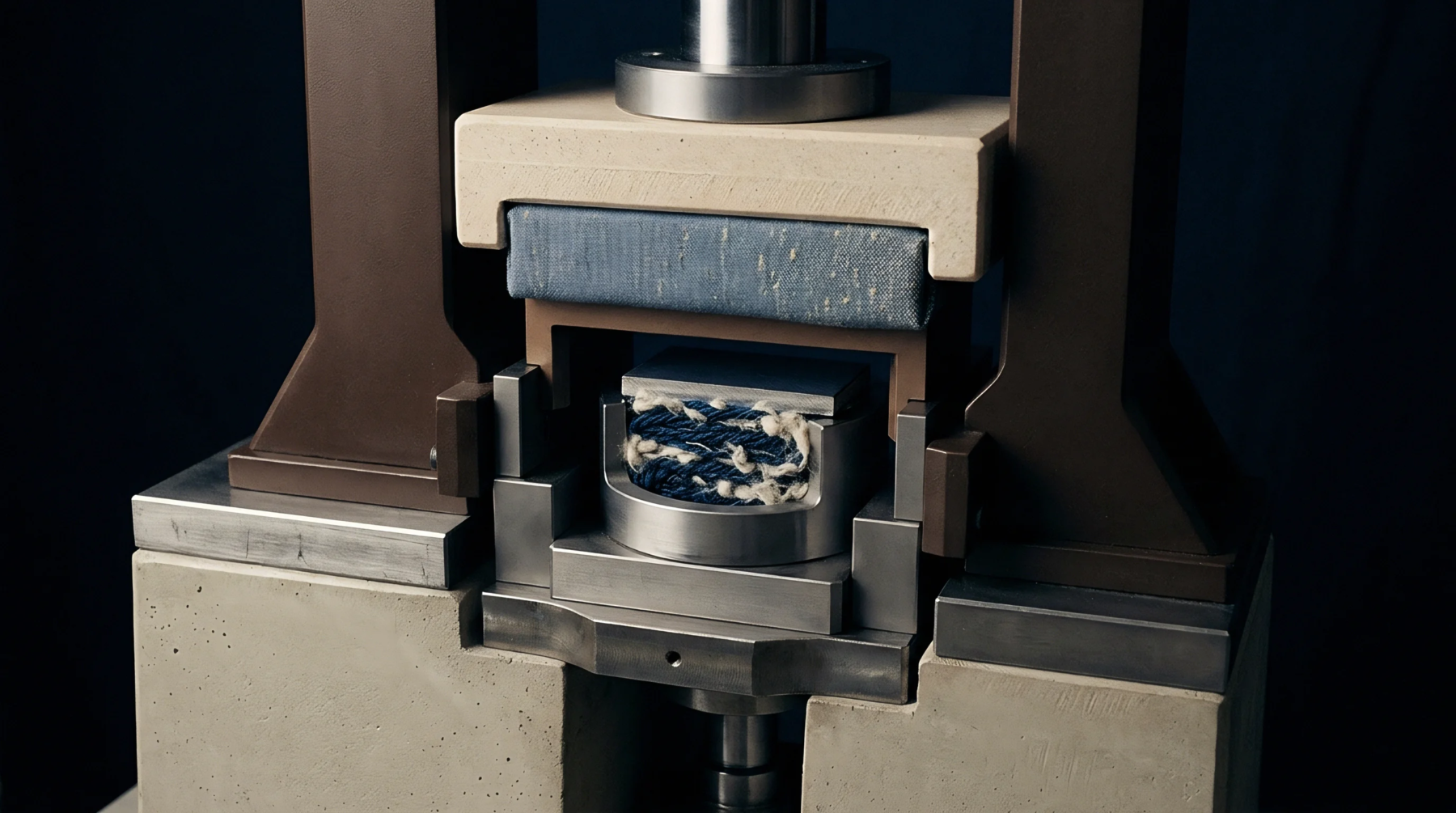
Statutory commercial moisture regain adjustments applied to oven-dry laboratory masses invert border chief weight classification between natural and synthetic fibres.
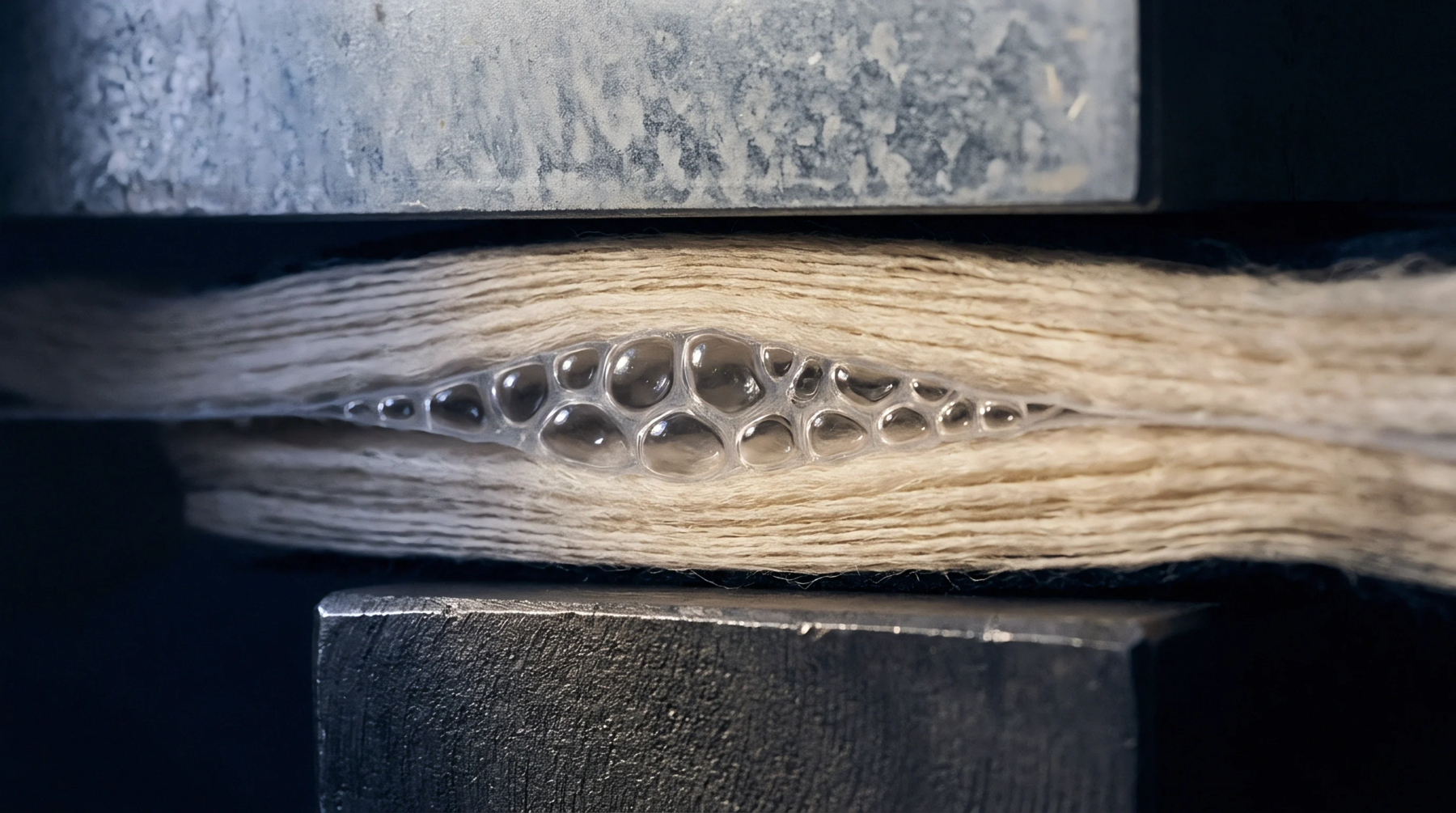
Predictive mass balance models isolate dry chemical add-ons during quantitative testing to protect declared fibre blend ratios under customs audits.

Scouring losses and stoichiometric water addition must be calculated on an oven-dry basis to prove actual synthetic fiber weight for tariff verification.
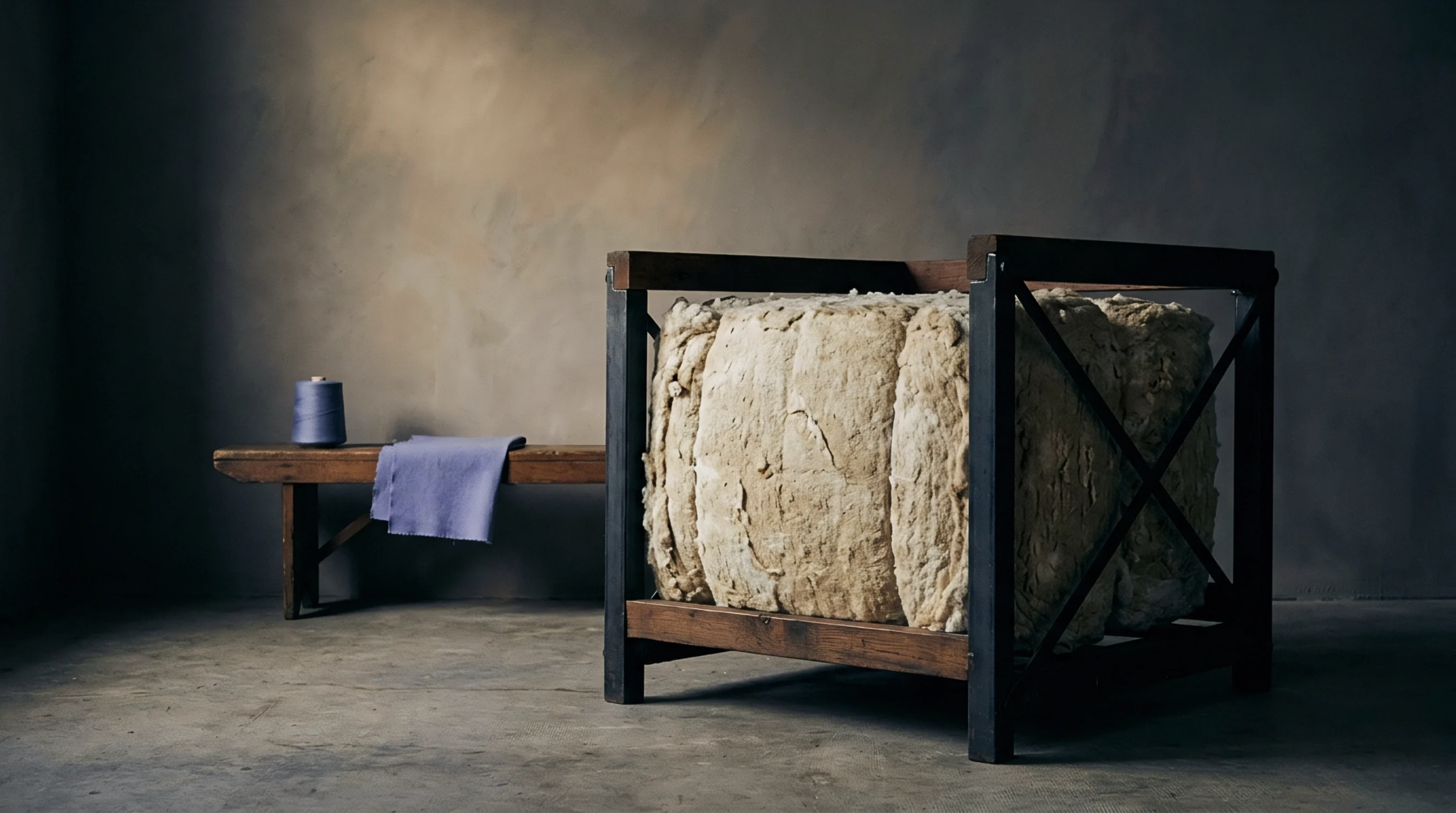
Differential contraction and soluble mass loss alter composition ratios, driving fabric dimensional collapse and shifting landed customs tariff lines.

Wet processing dimensional contraction increases fabric weight per square metre, pushing imported textiles across critical tariff thresholds and triggering mandatory tariff reclassification.

Commercial moisture regain correction converts oven dry chemical dissolution values to legal customs chief weight percentages in borderline cotton blends.
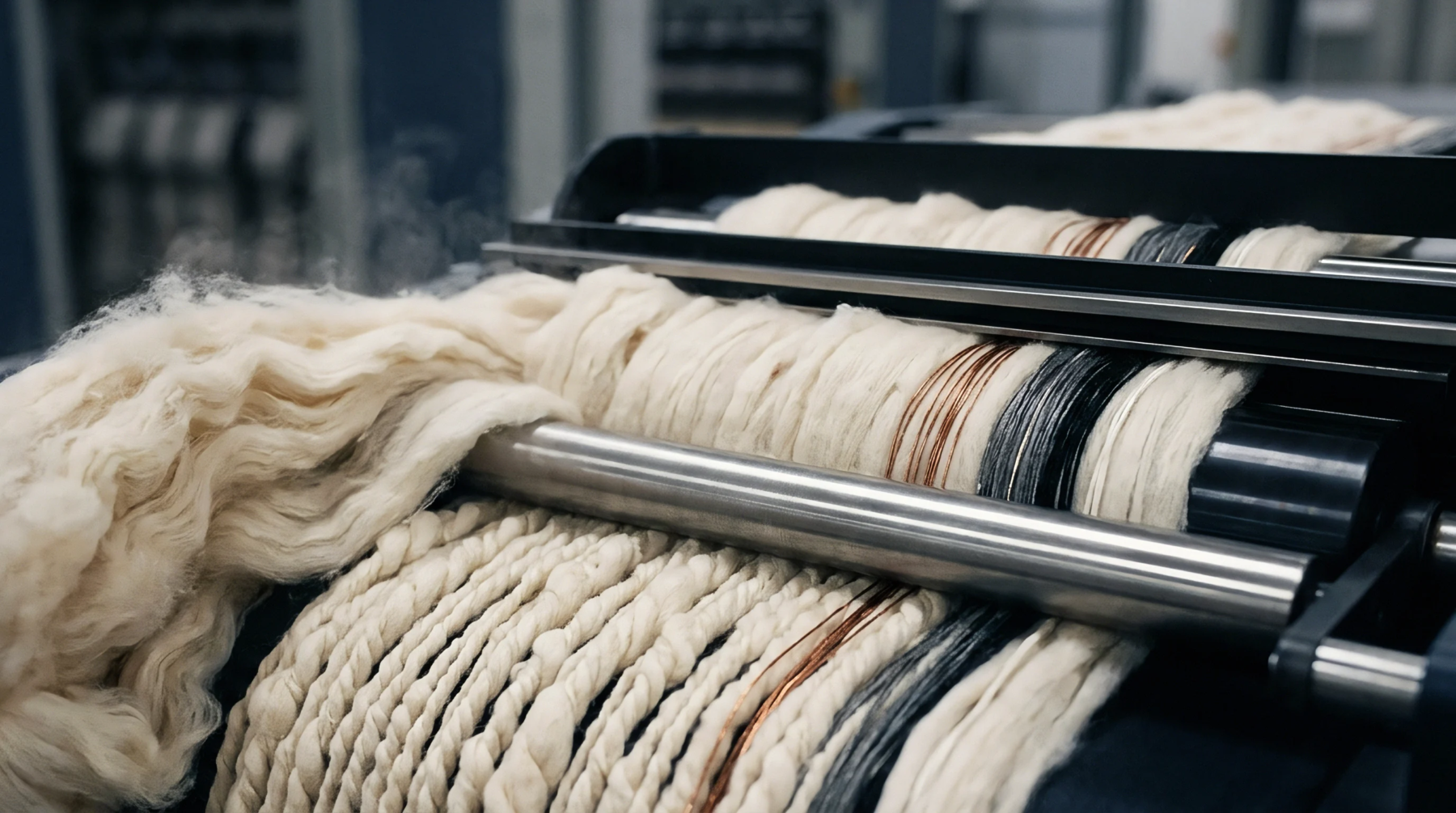
Inline shortwave infrared spectroscopy measures synthetic fiber ratios within zero point five percent accuracy by tracking second overtone molecular bond absorptions.
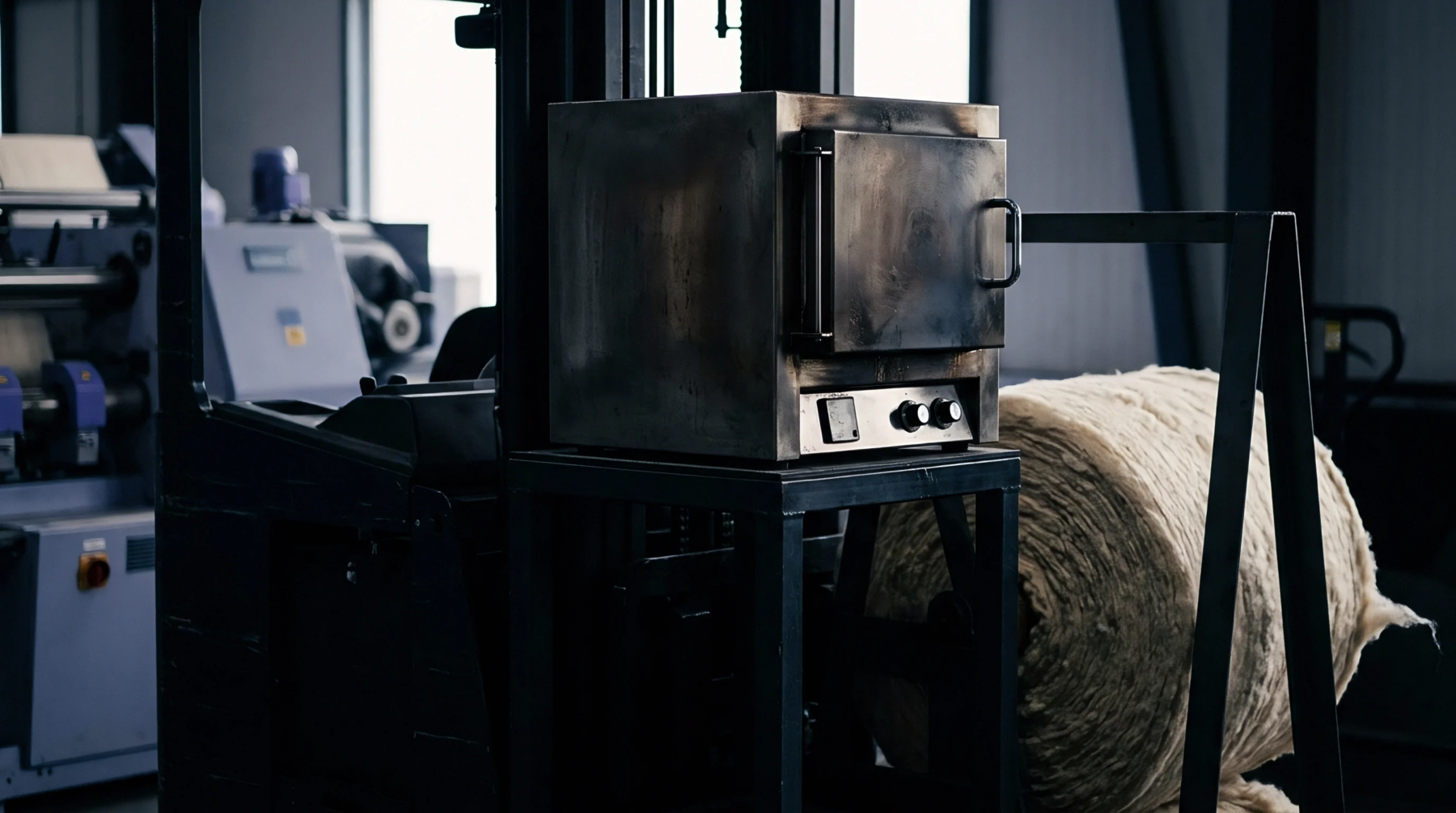
Binary fibre dissolution tests calculate composition by applying reagent correction factors and moisture regains to oven-dry insoluble residue masses.

Commercial fiber mass calculations require adjusting laboratory oven-dry percentages with official regain allowances to prevent customs and invoice discrepancies.
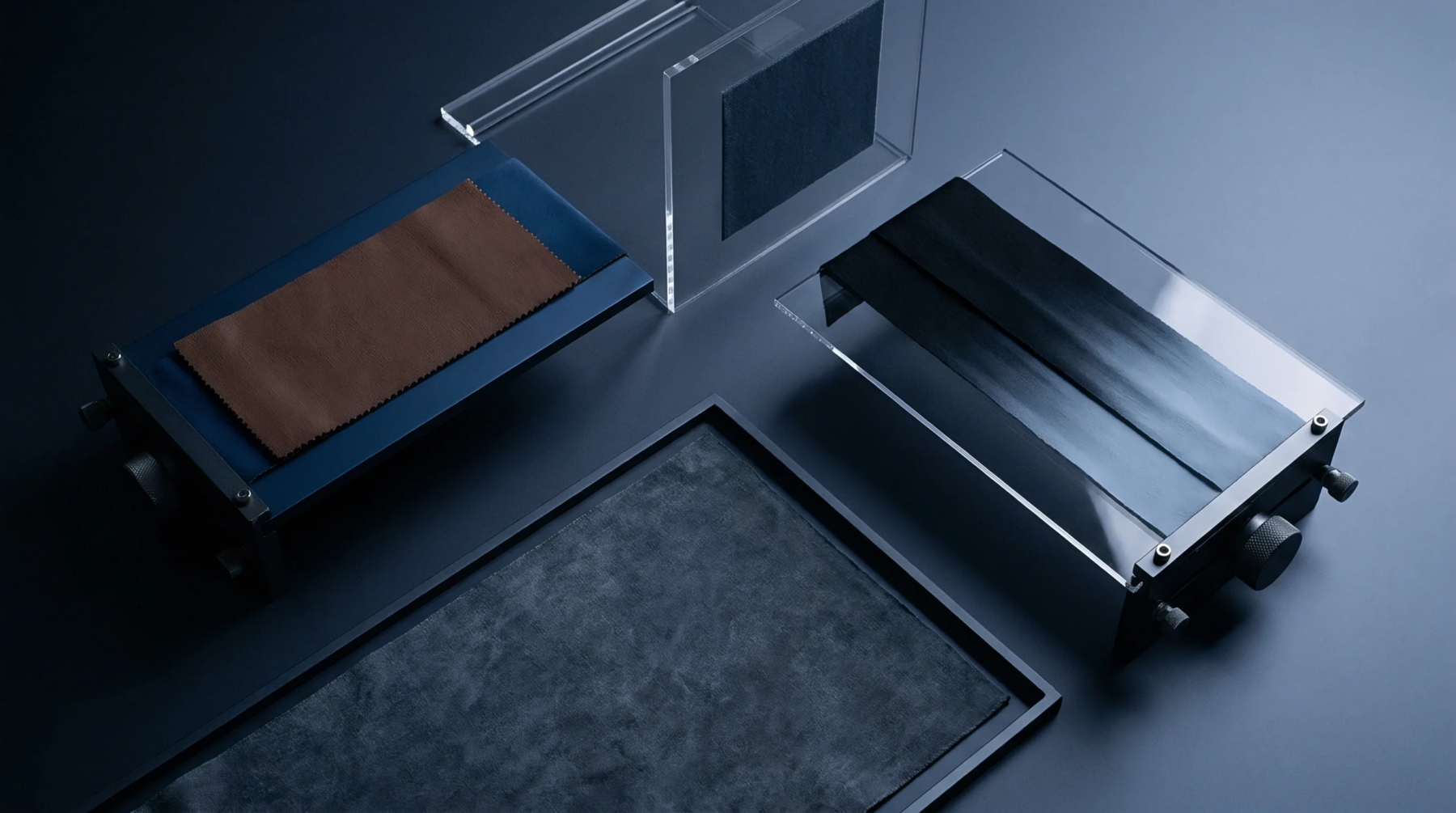
Standard atmosphere conditioning eliminates moisture hysteresis variance, ensuring accurate dry-mass calculation and precise tariff line entry for binary viscose blends.

Non-reversible surface finishes suppress statutory moisture regain, requiring quantitative solvent extraction before dry mass determination for customs tariff classification.

Commercial mass determination reconciles clean oven-dry mass with standard moisture regain figures to establish binding landed weights and tariff lines.

Aerodynamic drag and velocity differentials in pneumatic ducting segregate mixed fiber tufts, causing ratio drift, card sliver variance, and customs reclassification.
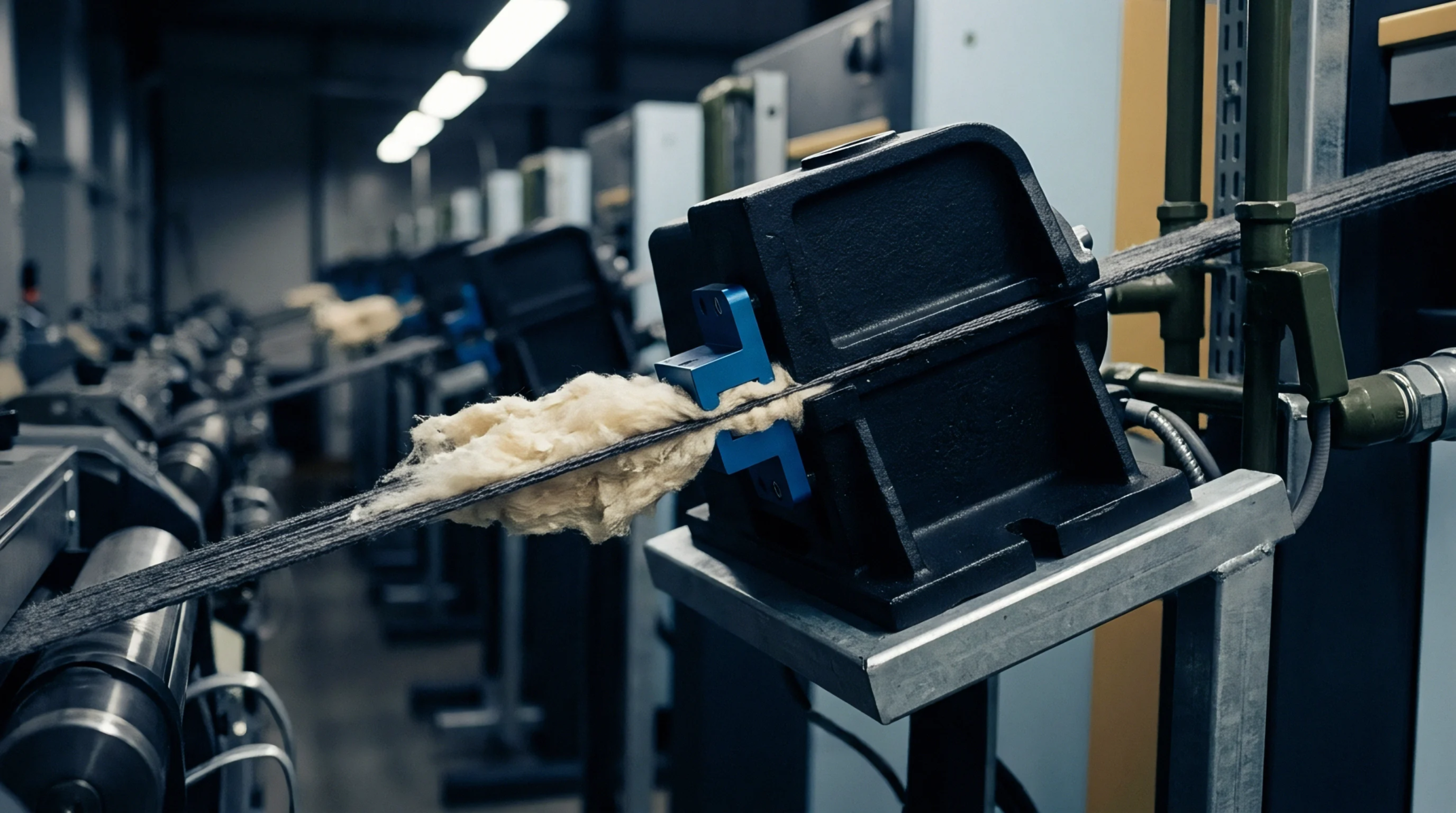
Chemical separation determines blend percentages by gravimetrically weighing insoluble residue after selective dissolution, requiring correction factors and moisture regains to match customs rules.

Resolving customs valuation errors in combed wool mixtures requires declaring billable mass using oven-dry weight plus standard ISO commercial regain allowances.

Administrative protests for water weight adjustments rely on ISO 6741 dry mass tests filed within statutory windows post liquidation.

Invoice weights for viscose mixture cargoes adjust to standardized commercial regain by applying ISO 6741 oven-dry calculations to eliminate paid water weight.
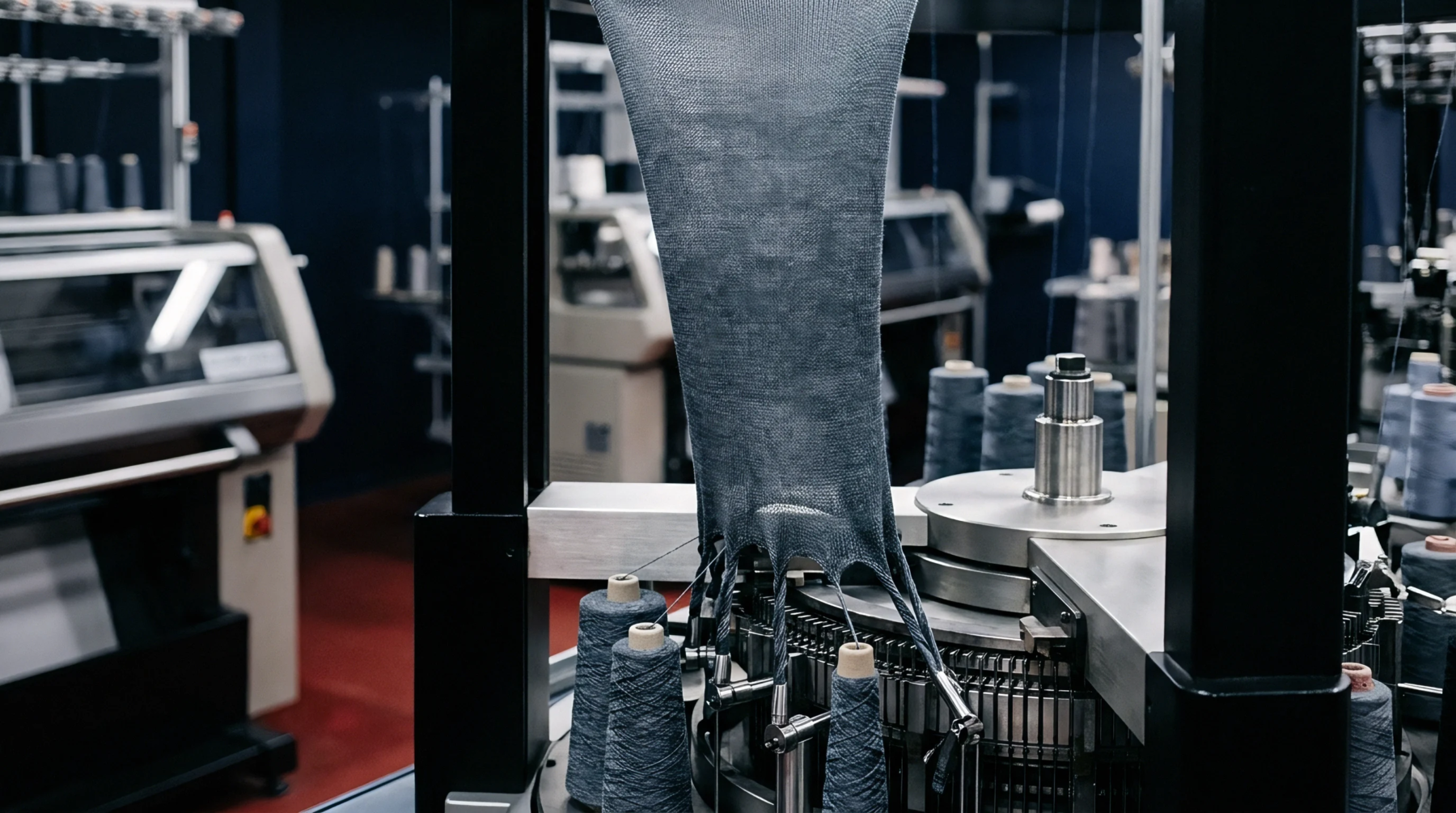
Commercial moisture regain converts variable as-received yarn mass to an oven-dry baseline plus legal allowances, preventing buyers from paying for transit water.

A two percent d-factor error shifts borderline dual-fibre yarns across chief-weight tariff boundaries, converting compliance into thousands in unpaid duties.

Dynamic multi-spectral compensation decouples moisture absorption bands from polymer overtones, preventing sorting misclassifications and financial penalties.

Diffuse reflectance spectroscopy provides rapid non-destructive fiber identification in mixed bales when multivariate models correct for moisture and density.

Clean dry mass removes finishes and water to yield true polymer weights, which commercial regain adjustments convert into legally defensible blend ratios.

Chemical dissolution isolates synthetic residues while statutory moisture regain corrections shift dry gravimetric yields across customs chief-weight lines.
Dynamic moisture sorption hysteresis shifts blended fabric commercial weights up to three percent depending on preconditioning history and transit humidity.
Expertise is a utility, not a secret. sentiention™ publishes its working knowledge as open reference: intelligence layer covering the materials it sources, the markets it enters, and the reference that serves both.