
Understanding Standard Moisture Regain Calculations in Textile Import Valuation
Commercial mass calculations adjust textile shipping weights to standard moisture regain levels, preventing overpayment of invoices and customs import duties.
Commercial mass calculations adjust textile shipping weights to standard moisture regain levels, preventing overpayment of invoices and customs import duties.
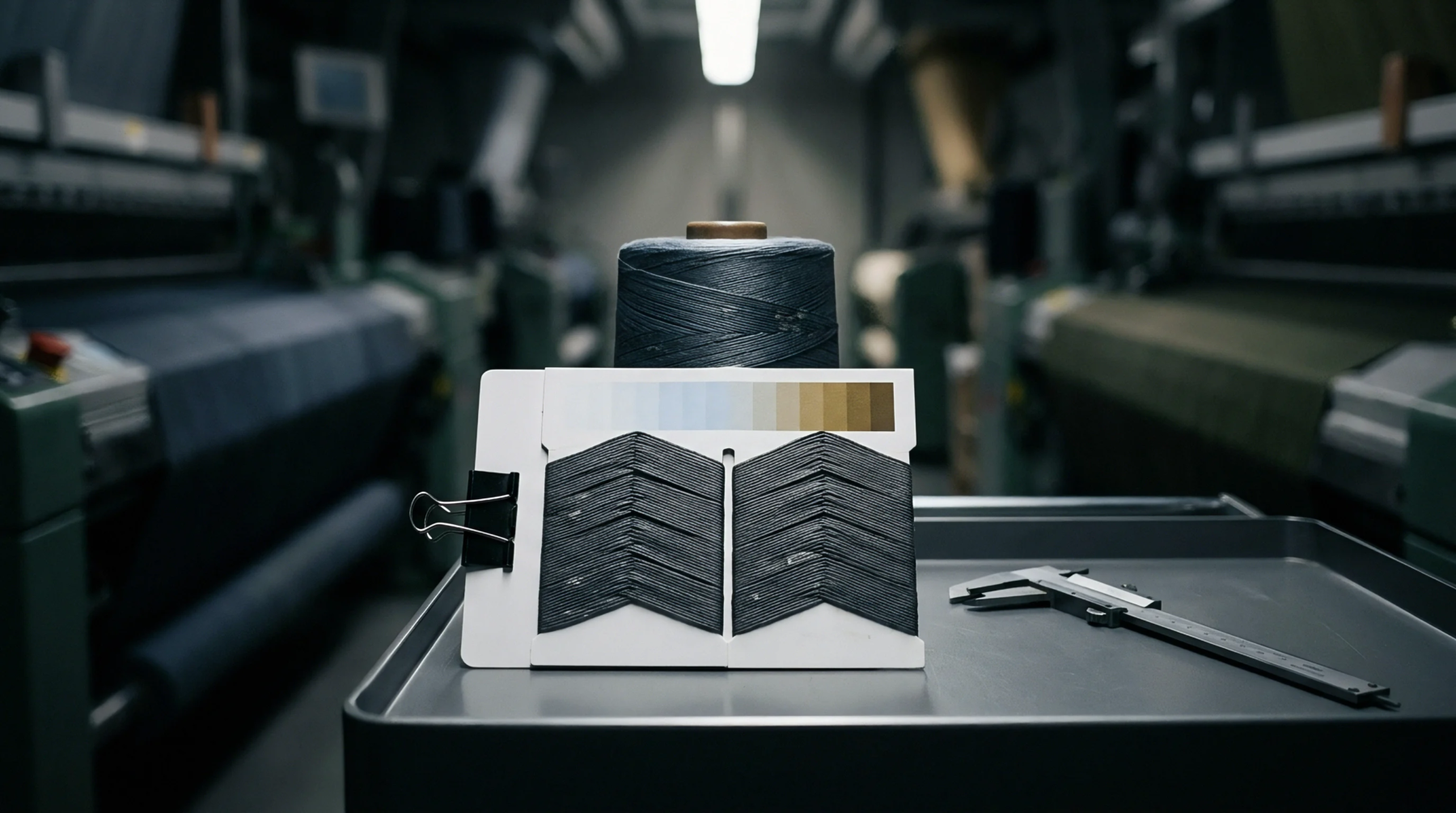
Raw fiber yield calculations require converting gross lot weight to dry commercial mass under ISO 6741 and deducting mechanical waste extractions.

Accurate direct linear density verification in ring spun yarn demands exact tension control, moisture regain correction, and calibrated specimen lengths.

Commercial regain calculations adjust oven-dry fiber weights to standardized moisture allowances, determining accurate customs blend percentages and duty.

Commercial regain corrections convert oven-dry laboratory residue masses into legal billed weights to prevent customs penalties and tariff misclassification.

Greige qualification governs wet processing uptake through conditioned mass accounting, chemical size identification, capillary absorbency, and bow tolerances.
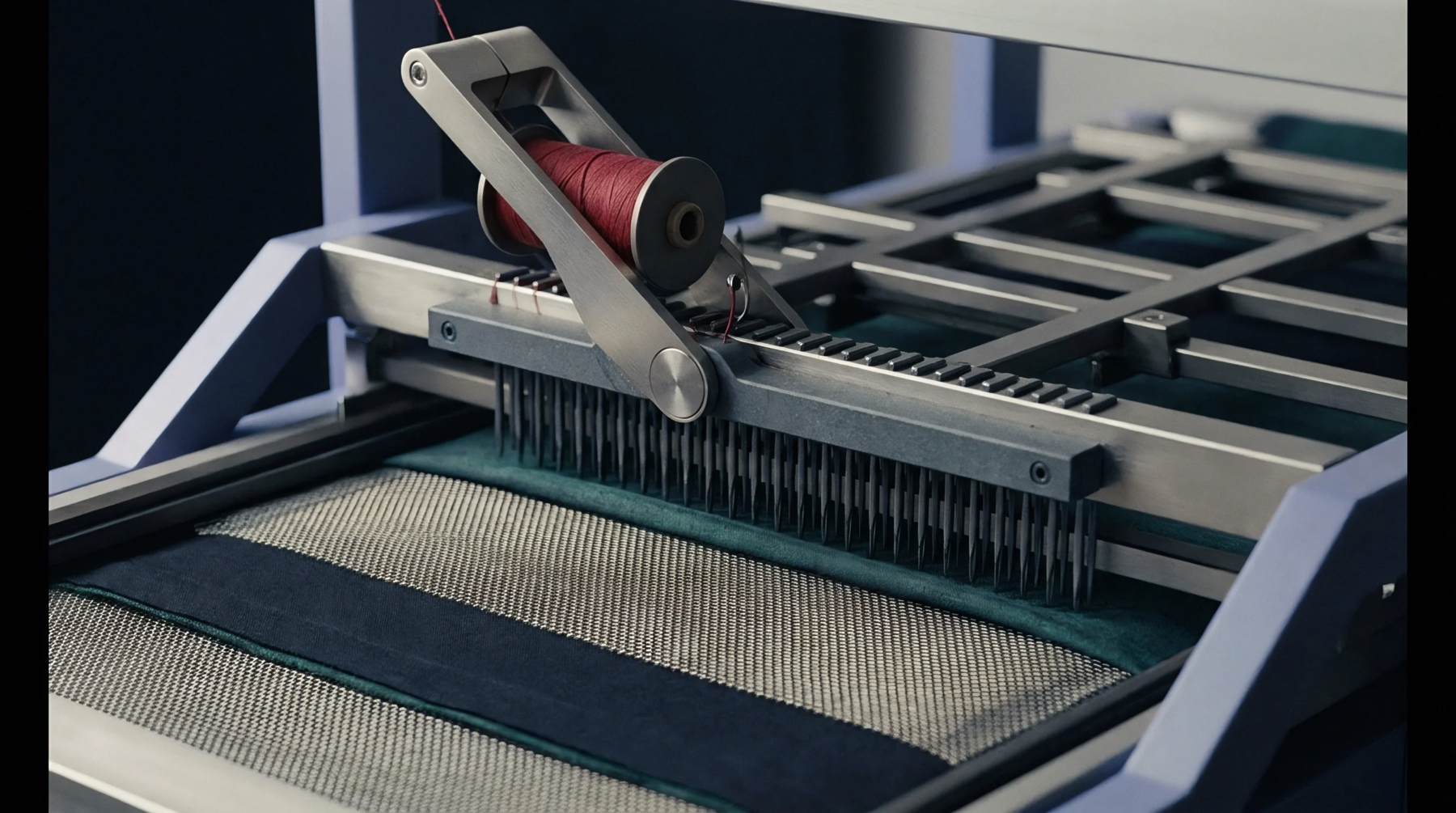
Calculate weighted regain by multiplying dry fiber fractions by standard regain rates, applying this factor to clean dry mass for final invoice weight.

Auditing mass balance in camel and cashmere dehairing requires converting all stream weights to oven-dry mass plus stream-specific standard regain.

Moisture regain claims rely on oven dry mass calculations under ISO 6741, adjusting invoice weight to standard 8.5 percent regain and protecting fiber tenacity.

Commercial moisture allowances in binary synthetic mixtures weight statutory polymer regains against clean dry mass fractions to establish legal invoice weights.

Commercial cotton weight relies on standard moisture regain adjustments, calculating dry mass through oven drying to settle invoices accurately on net dry fibre.

Specifying empirical correction factor d in purchase contracts resolves mass variance and tariff risk caused by recycled polyester dissolution losses.

Applying ISO 6741 commercial regain adjustments converts clean dry mass into invoiced commercial weight, eliminating moisture weight errors in blend purchases.

Raw cashmere verification requires coupling OFDA diameter distribution limits with MALDI-TOF mass spectrometry to prevent low-micron wool substitution.

Tube core sampling and laboratory card dehairing determine clean down yield, adjusting raw lot costs against moisture regain and industrial carding losses.
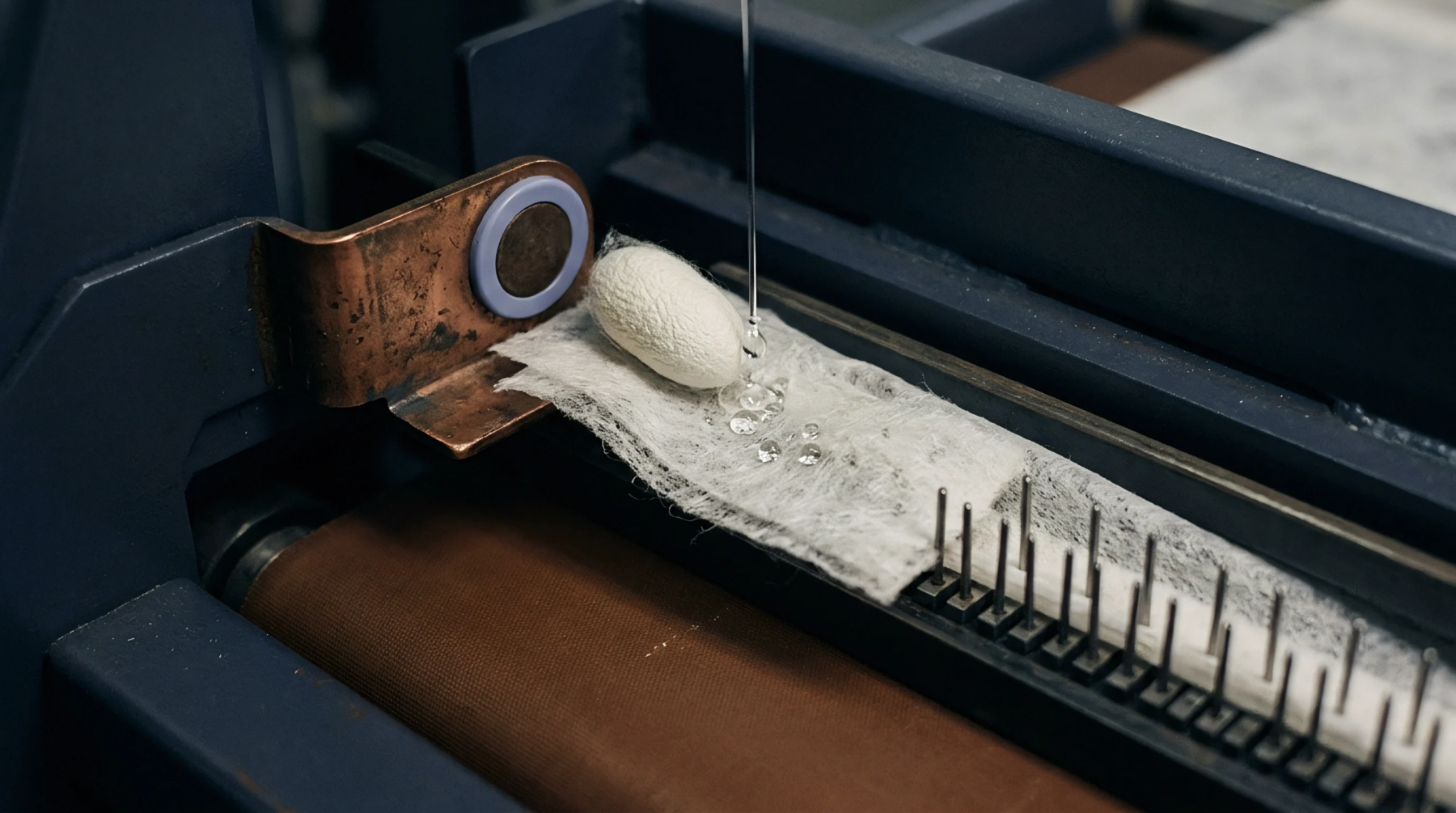
Preconditioning protein fibers from the dry side eliminates up to two percent commercial mass variance caused by sorption hysteresis between testing laboratories.

Greige fabric moisture regain dictates invoice billing weight, desizing efficiency, and mold risk, requiring storage at 55 to 65 percent relative humidity.
Commercial weight disputes resolve by testing oven-dry core mass via ISO 6741 and adding official commercial moisture regain rather than paying weighbridge scale tickets.

Invoice weights for viscose mixture cargoes adjust to standardized commercial regain by applying ISO 6741 oven-dry calculations to eliminate paid water weight.

Commercial regain baselines reconcile billed yarn mass by adjusting oven-dry polymer weight through standard moisture constants and solvent-extracted finish tares.
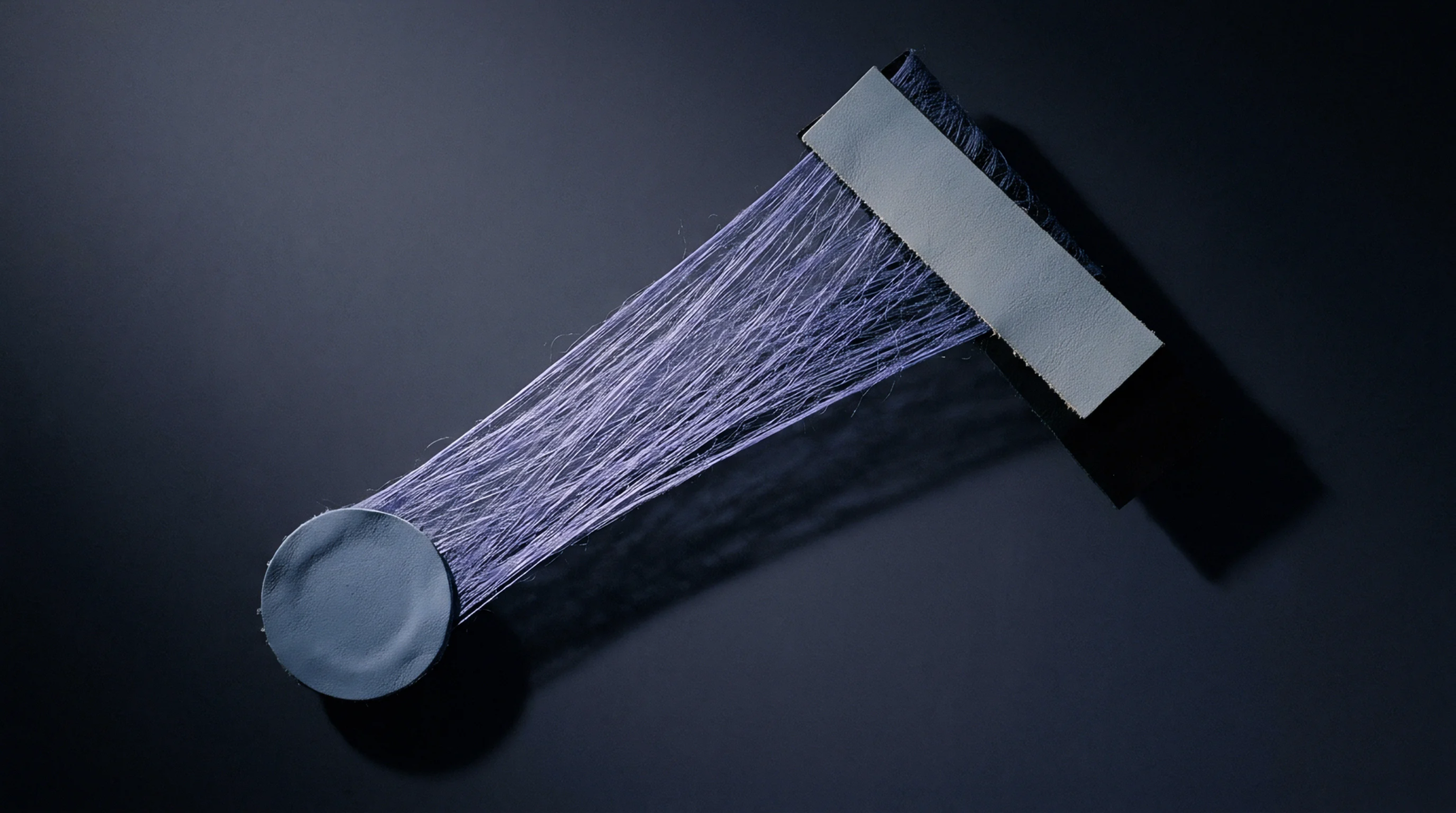
Commercial weight adjustments convert scale mass to settled value by adding official international fibre regain percentages to verified oven-dry test mass.
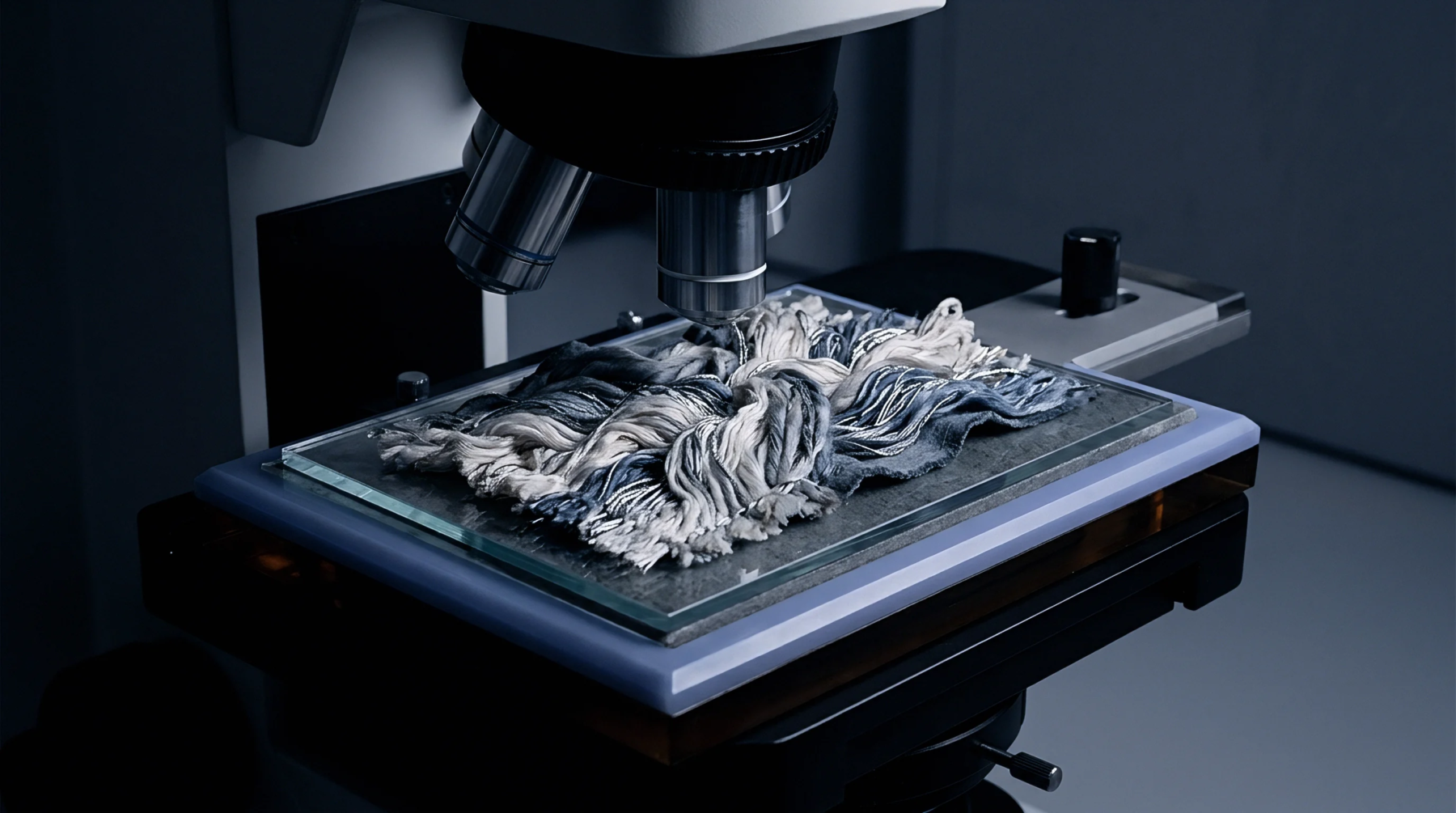
Commercial regain calculation converts variable net scale weights into an immutable invoiced mass by adding statutory moisture allowances to verified oven-dry fiber.

Invoice continuous dyeing yardage strictly on oven-dry mass plus standard commercial regain to prevent paying for ambient moisture variances and chemical loading.
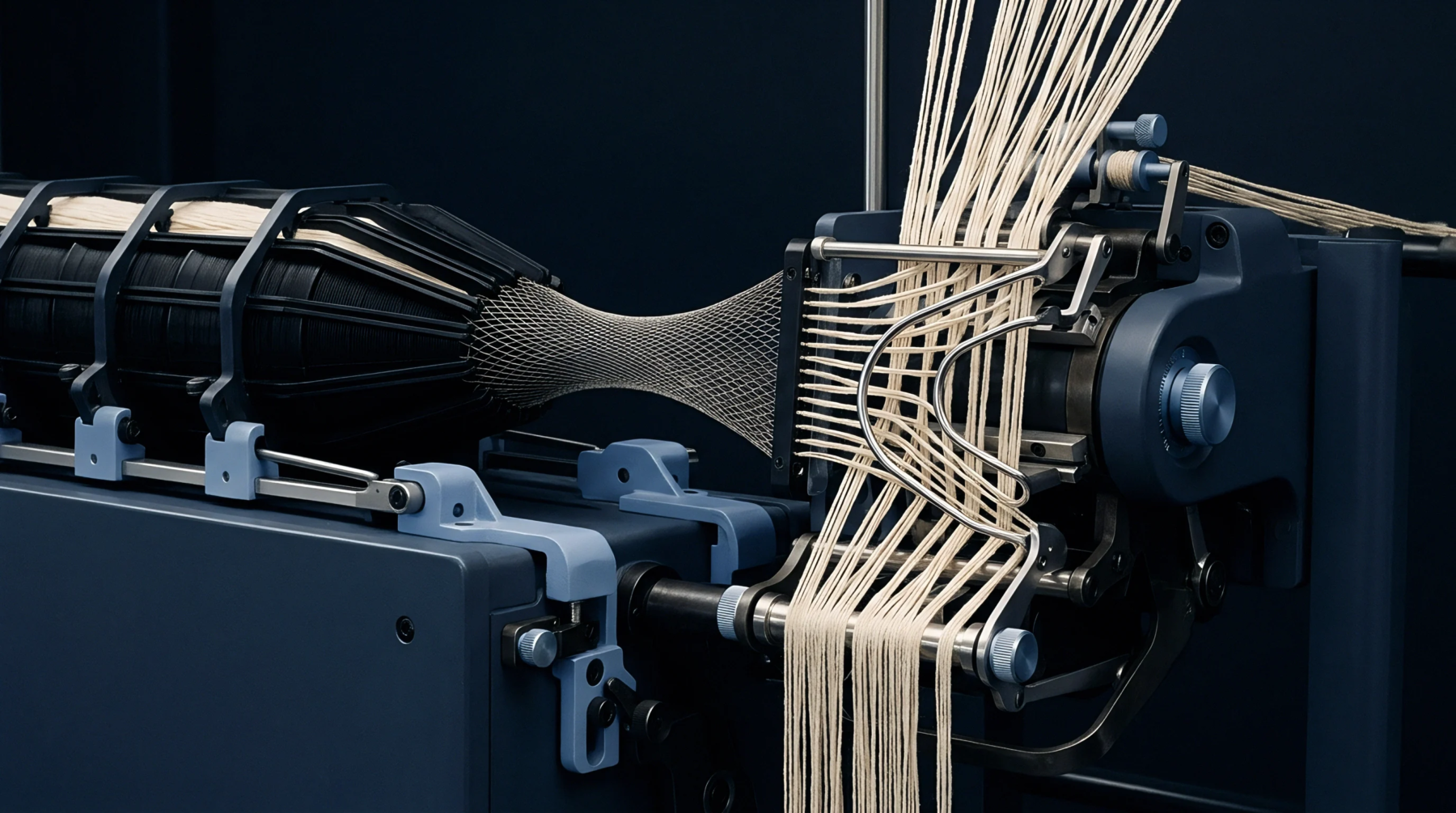
Consignment warp calculations offset sizing elongation against loom crimp to reconcile true yarn mass delivered against finished woven yardage.

Reconciling specialty fibre settlements demands adjusting oven-dry mass for excess fatty matter before applying commercial regain multipliers.
Determining non-fibrous content requires gravimetric extraction and scouring to isolate waxes, sizes, and spin finishes for accurate net dry mass billing.
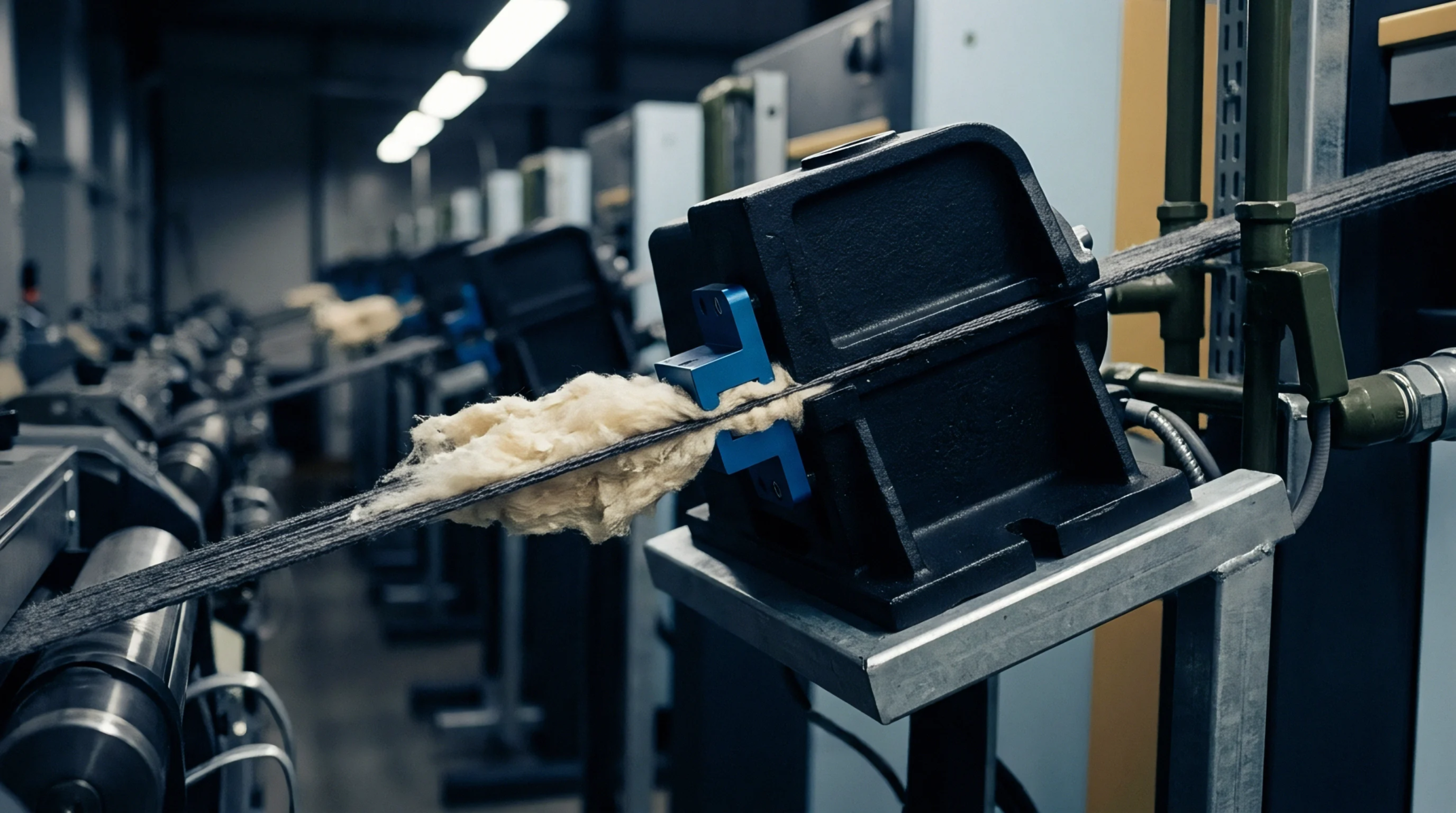
Differential aerodynamic stripping in air jet spinning ejects short cotton fibers, skewing intimate mixture ratios and altering delivered yarn costs.
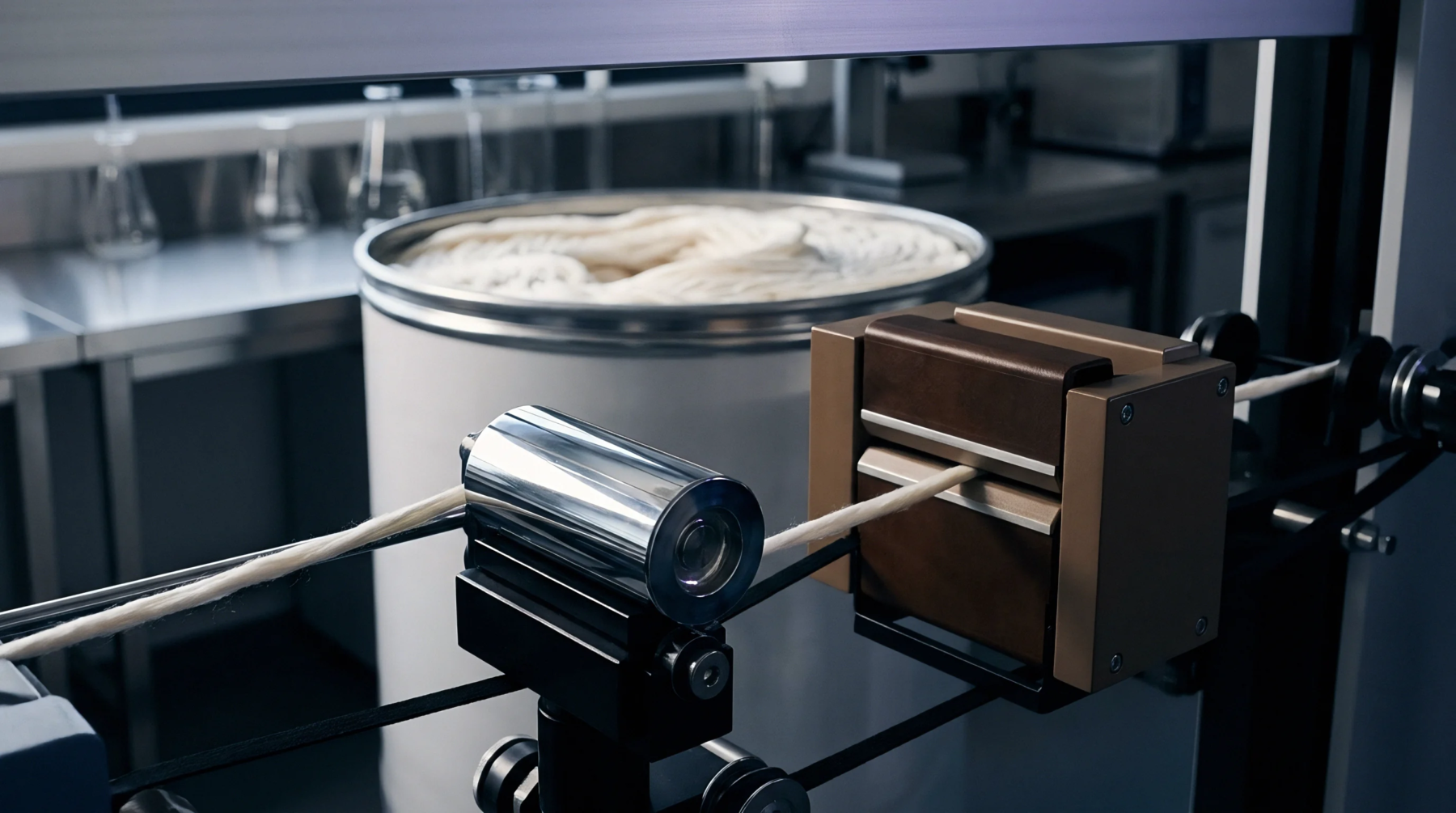
Commercial regain allowances convert variable net delivered fiber weight to an invariant billing mass calculated from laboratory oven-dry cellulose.

Commercial moisture regain calculations convert raw lot weights to dry mass plus standard allowances, preventing customs overvaluation and duty misclassification.

Customs duties and commercial invoice settlements reconcile by multiplying oven dry sample mass by standard statutory regain allowances rather than raw landed weight.
Expertise is a utility, not a secret. sentiention™ publishes its working knowledge as open reference: intelligence layer covering the materials it sources, the markets it enters, and the reference that serves both.