
Heterobifunctional Reactive Dye Fixation Control across Continuous Pad Ranges
Heterobifunctional reactive dye control demands dual-stage pH management, tight nip pickup tolerances, and rapid saturated steaming to maximize fixation yield.
Heterobifunctional reactive dye control demands dual-stage pH management, tight nip pickup tolerances, and rapid saturated steaming to maximize fixation yield.

Progressive alkali dosing balances cellulosate generation with dye diffusion, maximizing covalent fixation while preventing catastrophic cellulose chain scission.
Continuous 28 kHz acoustic cavitation drives rapid dye liquor penetration into dense heavy duck yarns, increasing color yield while cutting thermal energy use.
Controlled progressive electrolyte dosing suppresses early surface exhaustion, permitting reactive dyes to reach dense yarn cores before fixation.
Cross-sectional dye exhaustion in heavy cotton duck demands high liquor velocity and slow bath exhaustion to eliminate core ring dyeing and surface crocking.
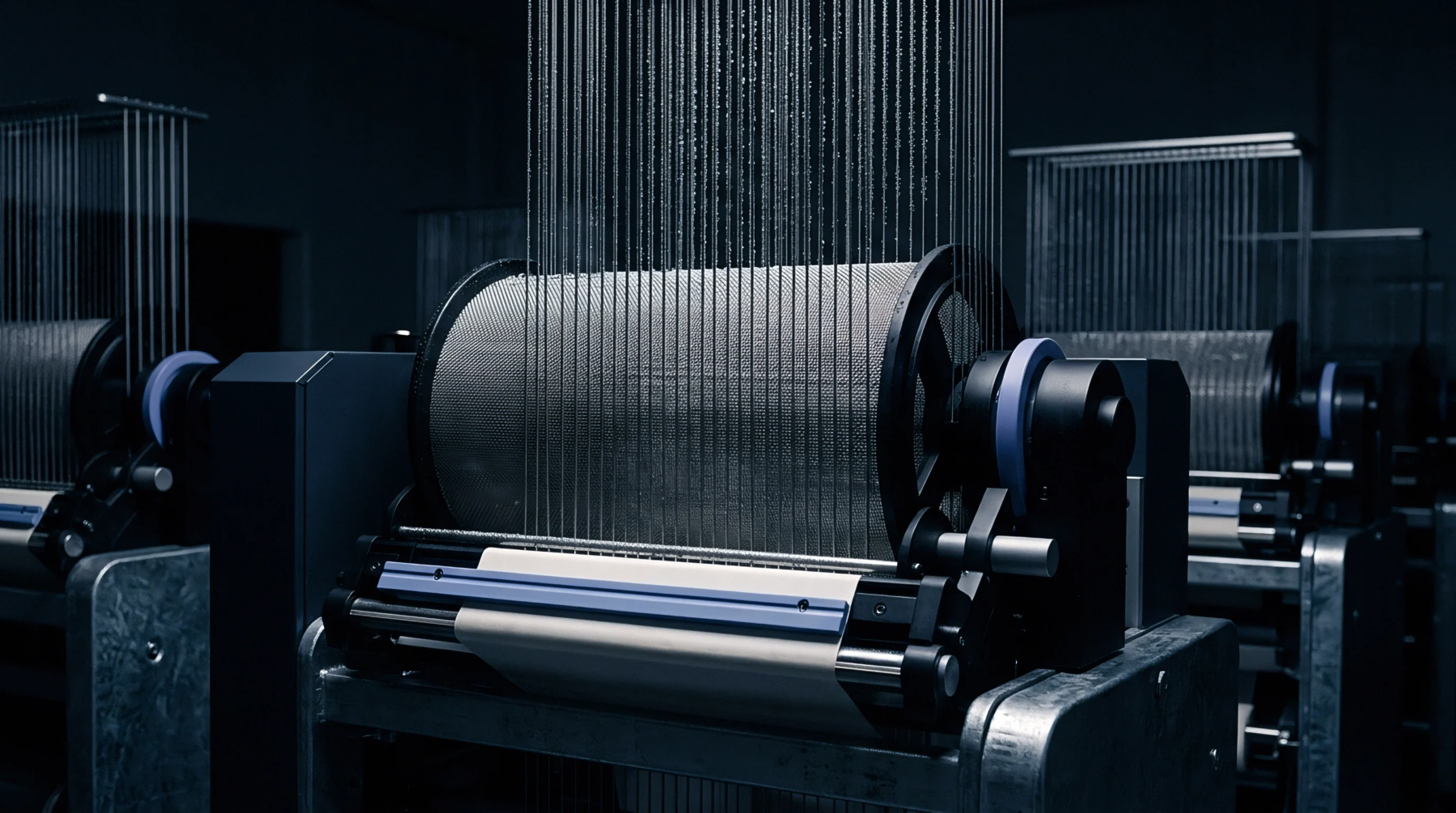
High warp cover limits dye liquor core penetration in continuous padding, requiring lower line speeds, specialized wetting agents, and calibrated IR drying.
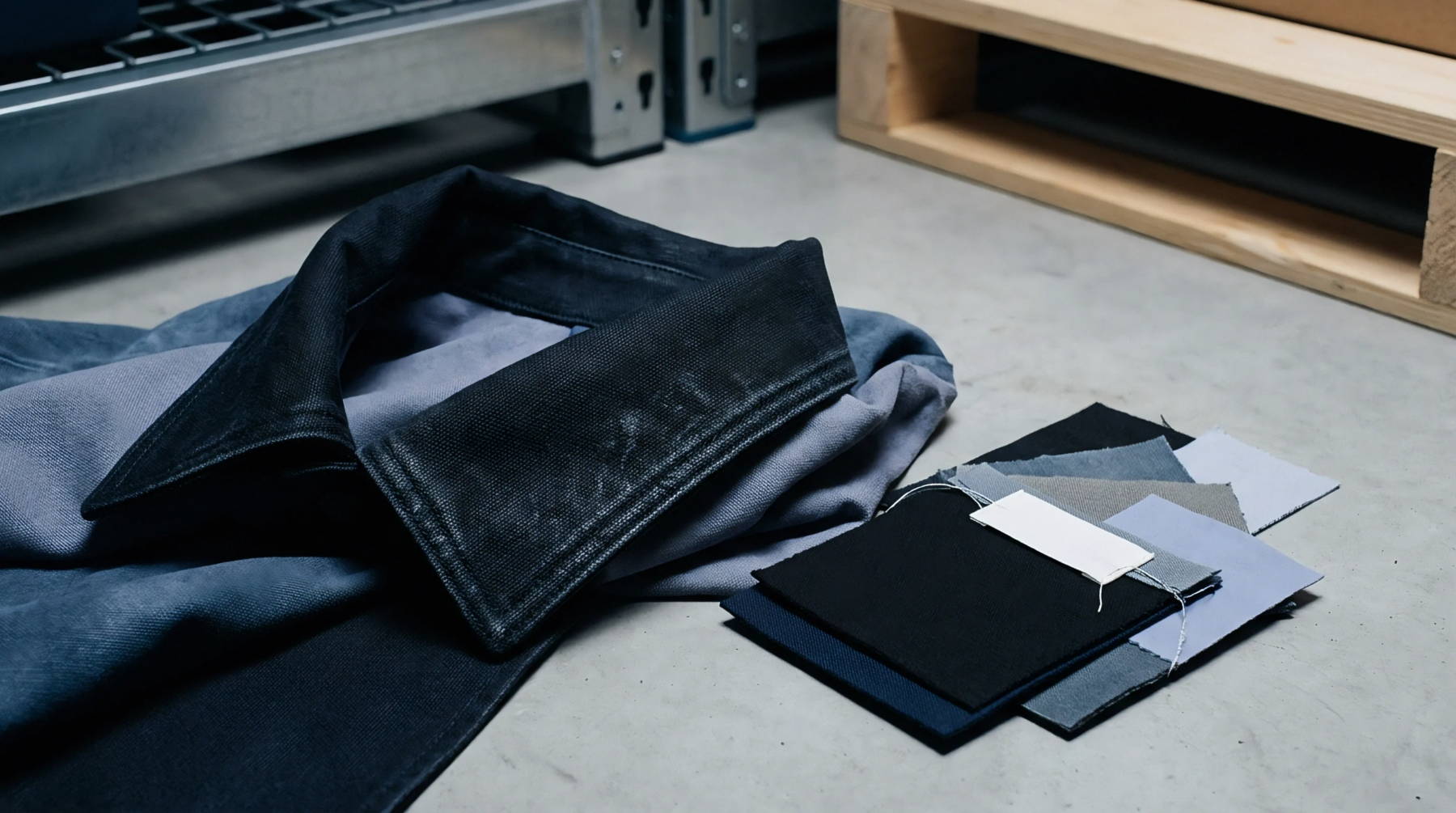
Optimizing continuous reactive wash-off demands high-temperature counter-current cascades that alter desorption isotherms and strip stagnant boundary layers.
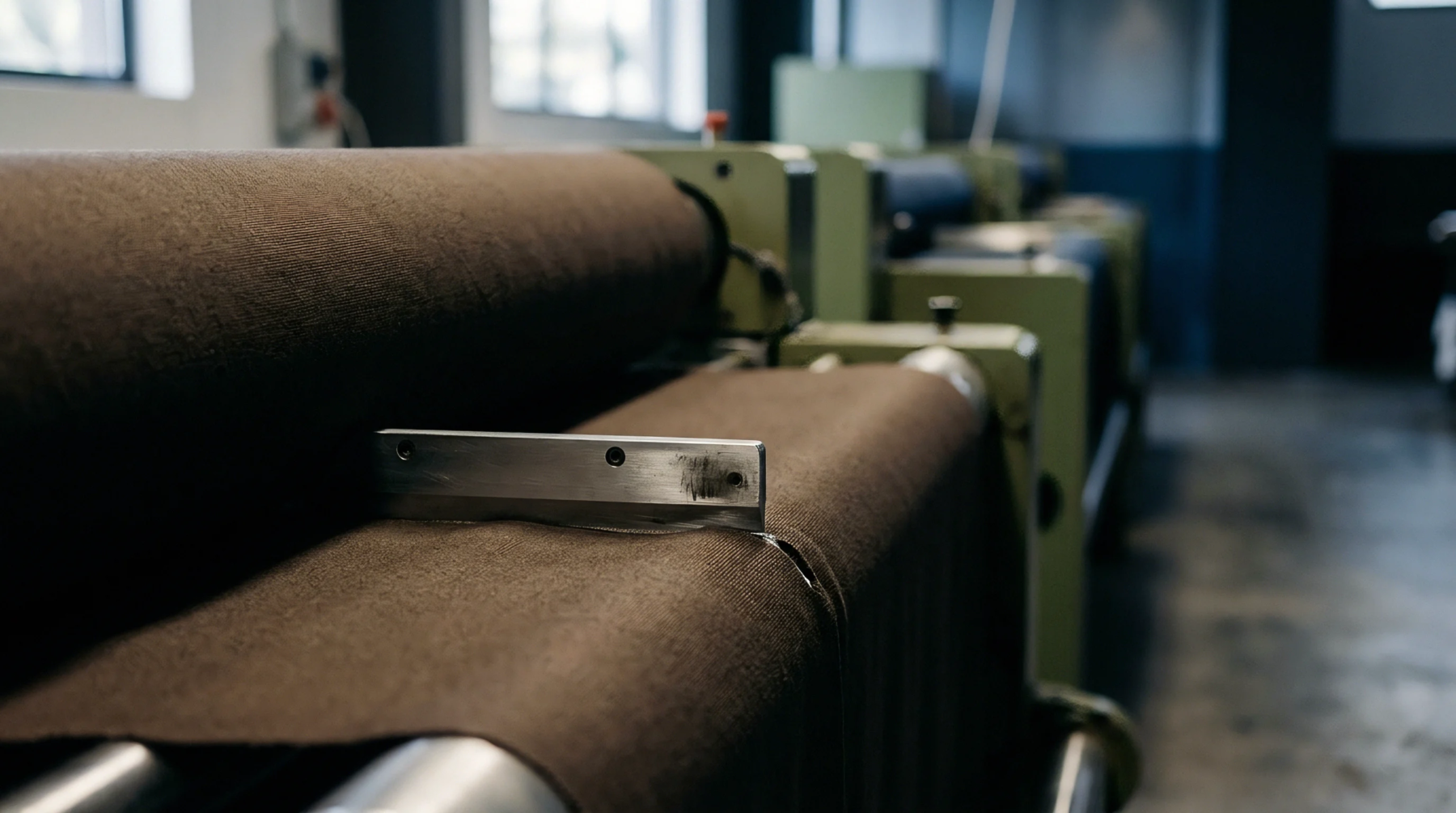
Dye migration control in poly-cotton continuous processing requires controlled pad pickup, balanced infrared pre-drying, and pseudoplastic anti-migrant dosing.

Acoustic cavitation generates high-velocity microjets that displace boundary layers and trapped air, driving uniform reactive dyestuff diffusion into dense plied yarns.
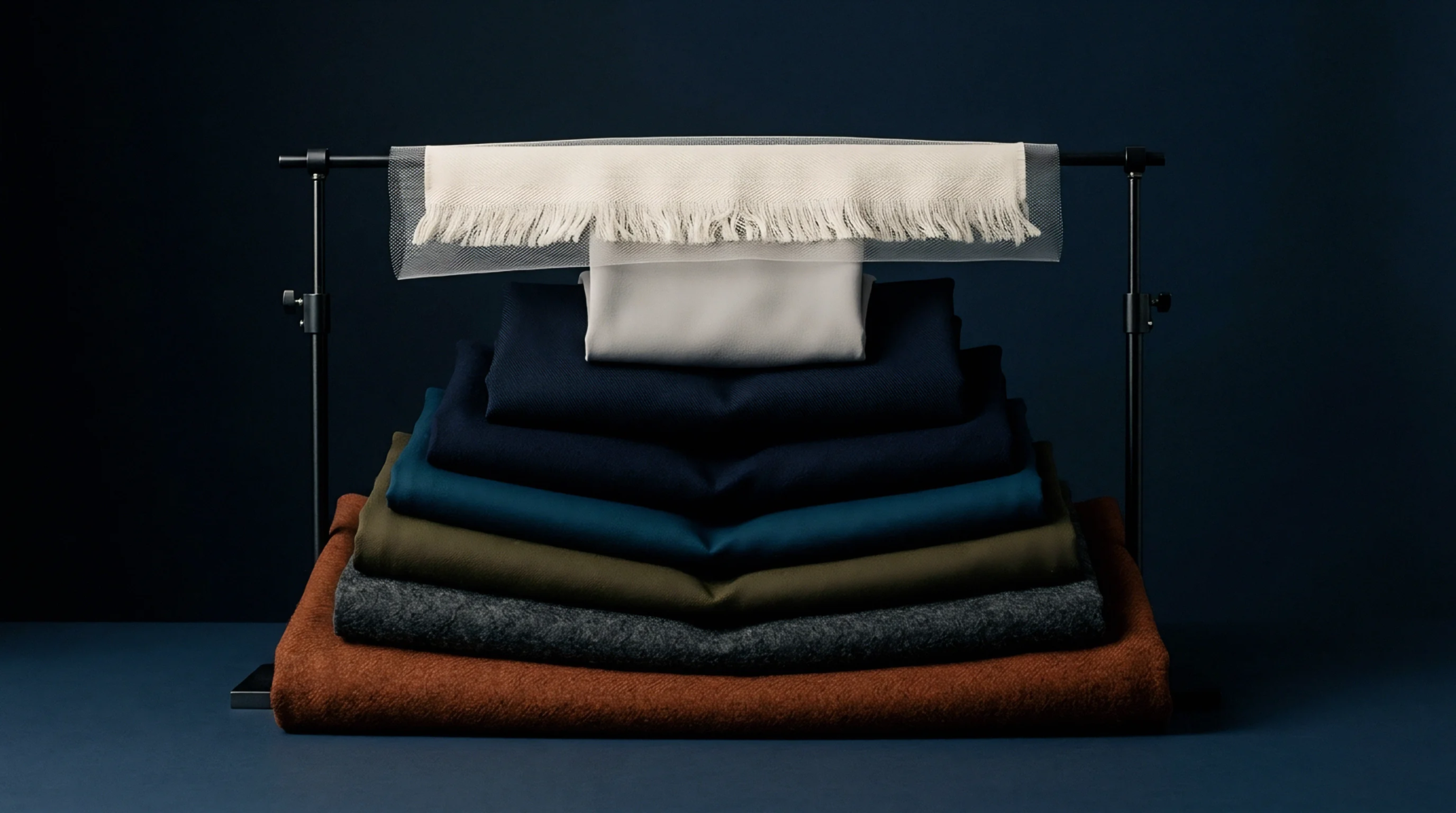
Mercerization converts cotton to Cellulose II, expanding mesopores to boost dye absorption and requiring controlled salt and alkali dosing to prevent twill core ring dyeing.
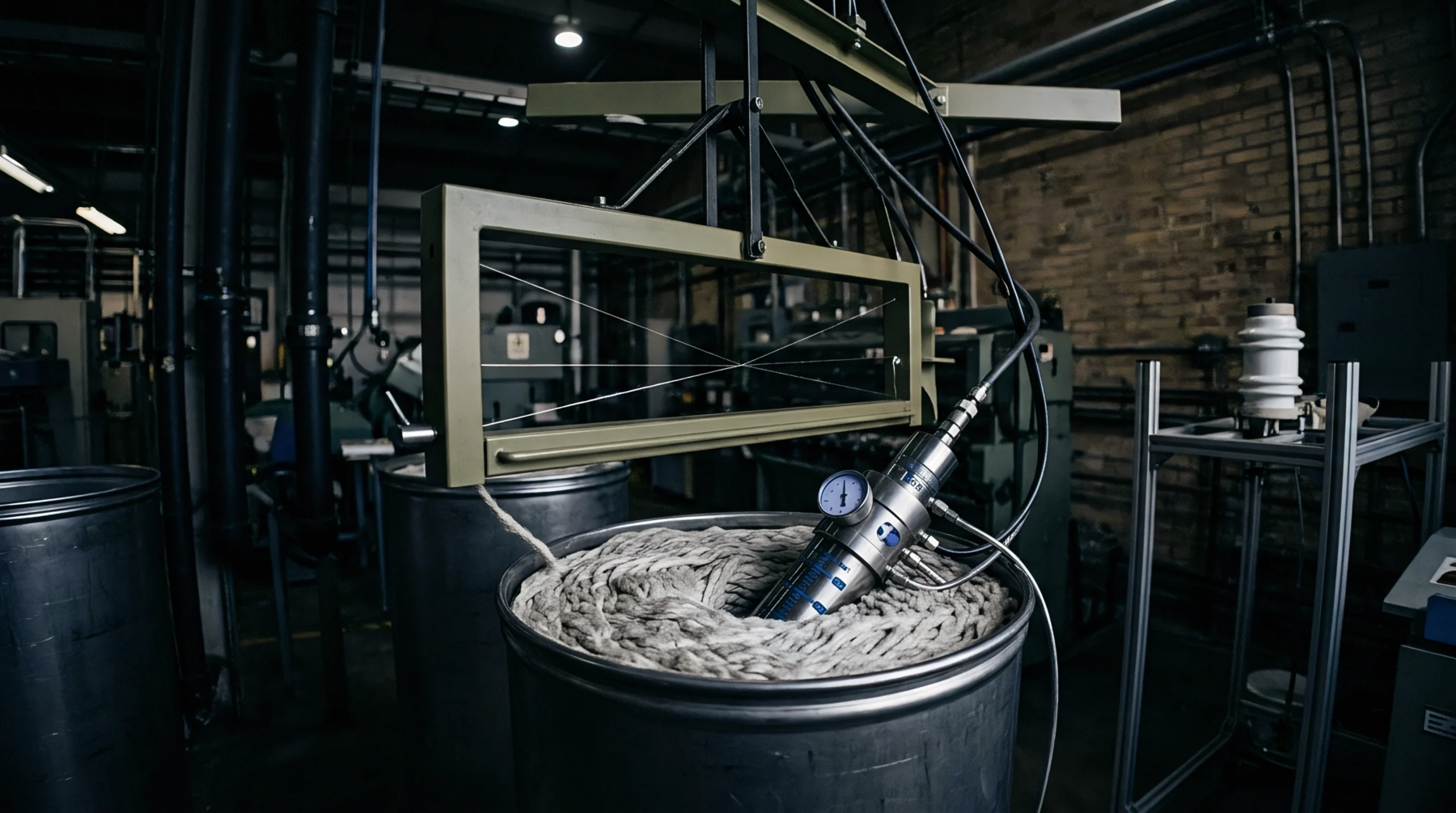
Gravimetric density tracking in cold pad batch dyeing prevents tailing and listing by matching chemical feed mass to fabric capillary absorption limits.
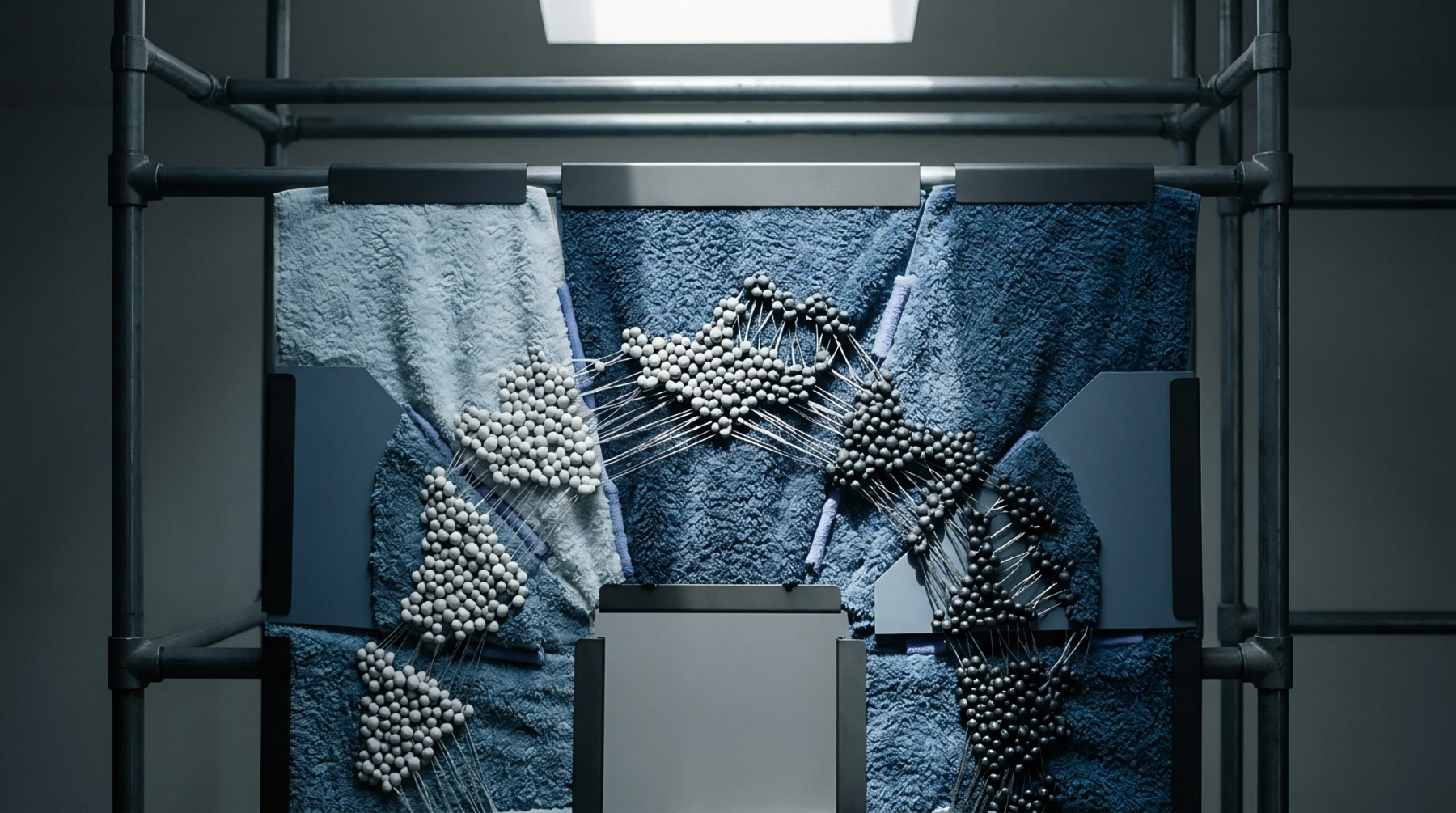
Dynamic steam pressure shifts drive localized condensation surges, expanding alkali boundaries and causing halo defects in dense viscose filament assemblies.

Micro-spectrophotometric cross-sectional profiling isolates core fixation deficits in high-twist cellulose yarns, preventing washing fastness and abrasion failures.

Cross-sectional profiling verifies internal fiber dye diffusion to prevent fastness failures caused by ring dyeing in fine synthetic yarns.

Swollen cellulose pore geometry dictates reactive dye diffusion rates, where unbalanced fixation alkali triggers ring dyeing and catastrophic rub fastness loss.
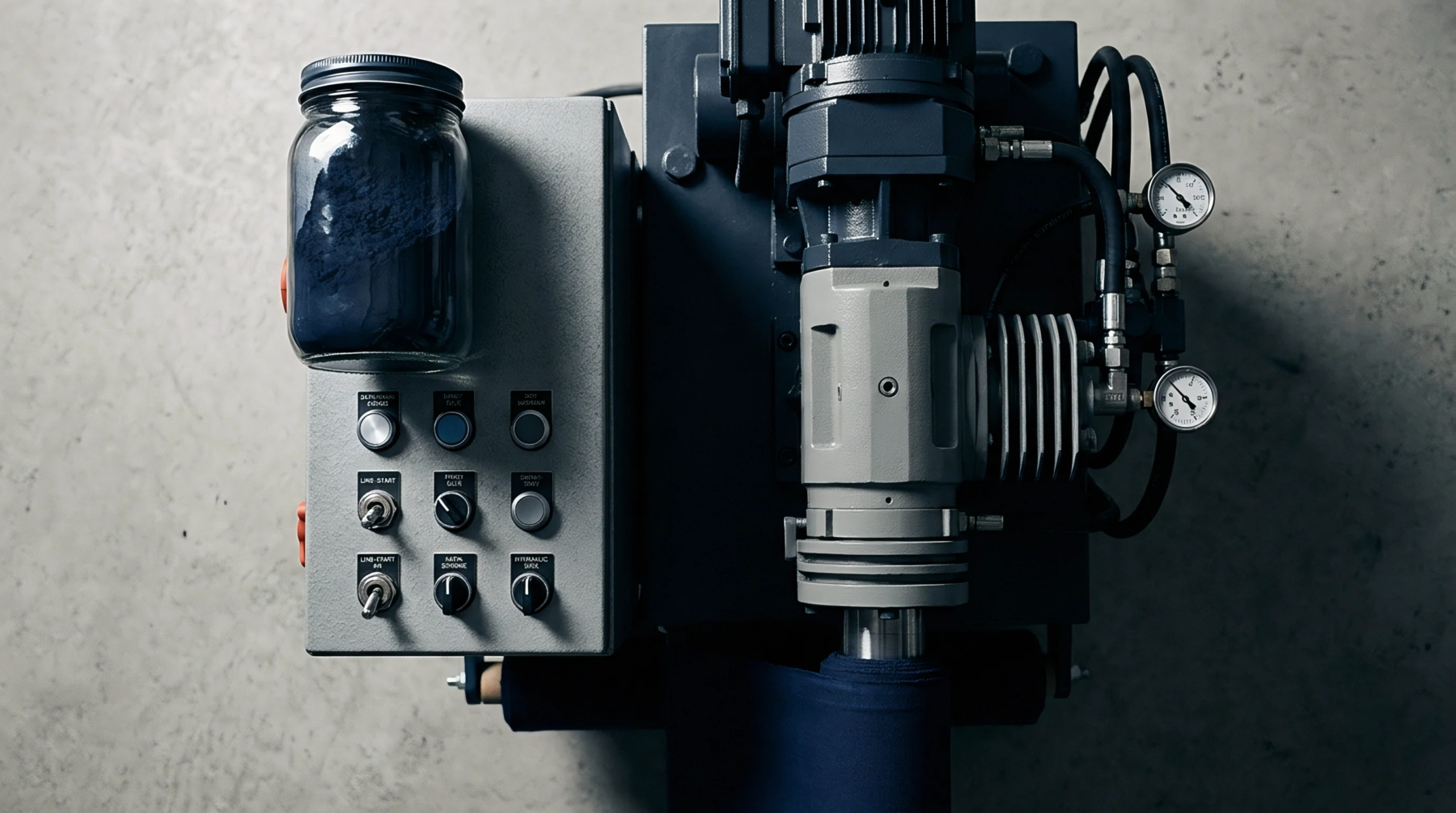
In-line short-path spectrophotometry eliminates reactive dye hydrolysis in ultra-low liquor jets by dynamically locking alkali dosing to real-time exhaustion.

Core fastness on heavy duck requires deep initial dye penetration, aggressive reduction clearing, and stepped stenter cooling to prevent finish-driven migration.
Core penetration in dense canvas requires high-tonnage pad nip extraction, de-aerating auxiliaries, and low-strike vat or bis-MCT reactives to prevent frosting.
Dynamic boundary equations dictate progressive alkali dosing to prevent surface ring dyeing in heavy ring spun cottons.
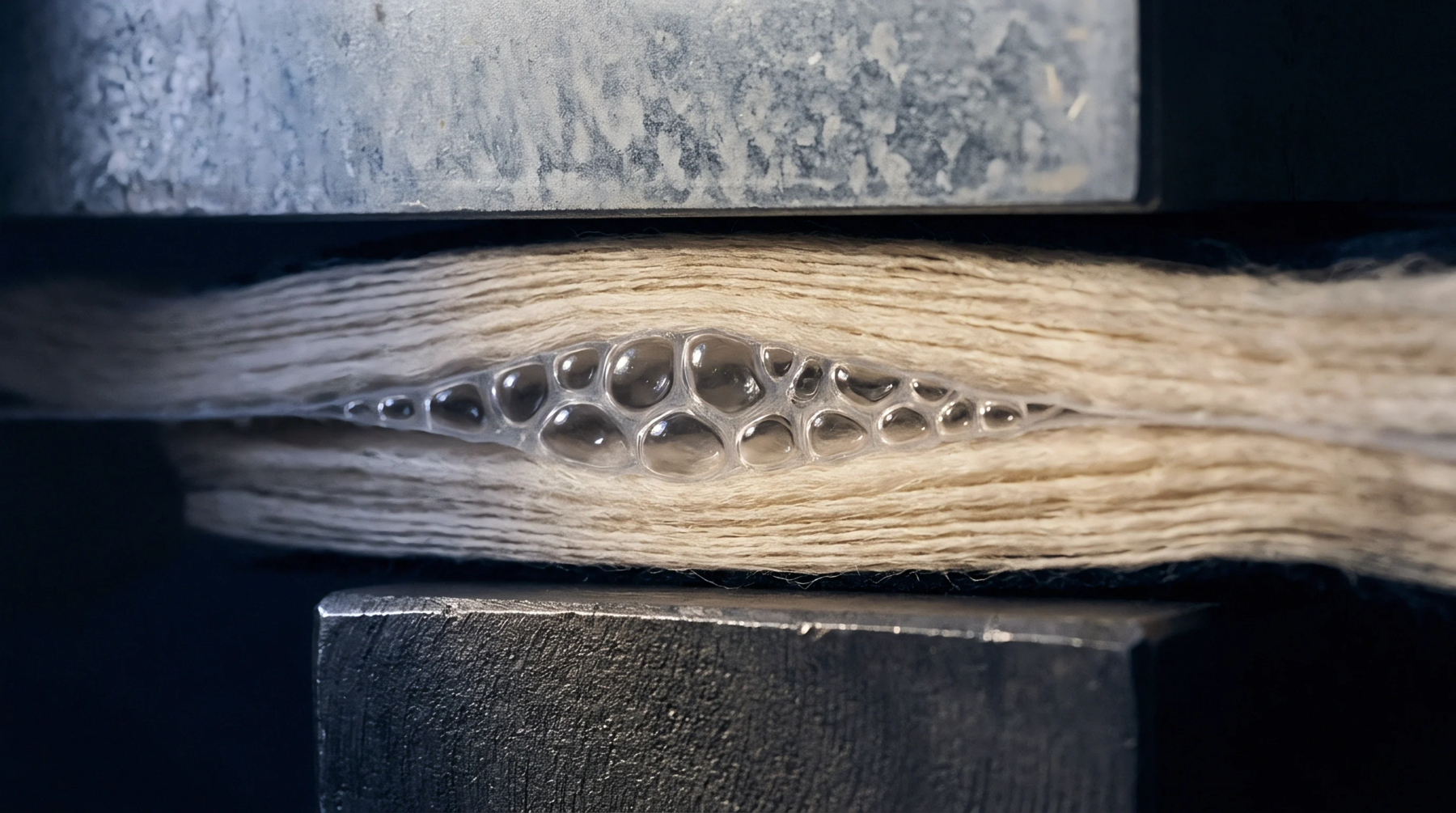
Dynamic contact angle shifts above 90 degrees halt spontaneous wetting during high-speed padding, demanding controlled capillary pressure jumps to prevent void formation.
Micro cavitation in recirculating printheads erodes channel passivation via cyclic shockwaves, causing drop deflection, wash fastness drops, and array failure.
Digital single pass printing delivers lower unit costs below three thousand metres while rotary screens dominate higher volumes through cheap paste chemistry.
Low liquor ratio dye extraction stalls unless thermal ramping is delayed until bath electrolyte drops below two grams per liter to enable desorptive diffusion.
Balance venturi differential pressure with exponential salt dosing to force dye through dense multi-ply cotton plies, preventing ring dyeing and crock failures.

Controlled progressive electrolyte dosing prevents rapid surface strike and core starvation when reactive dyeing dense cotton duck at low liquor ratios.
Low liquor jet dyeing of heavy duck yields ten cent per metre savings but demands precise nozzle sizing and metered dosing to prevent unfixable rope creases.
Controlling intermediate drying rates and multi-stage washing ensures high-speed pad steam lines reach grade 4 wash fastness on dense cotton wovens.
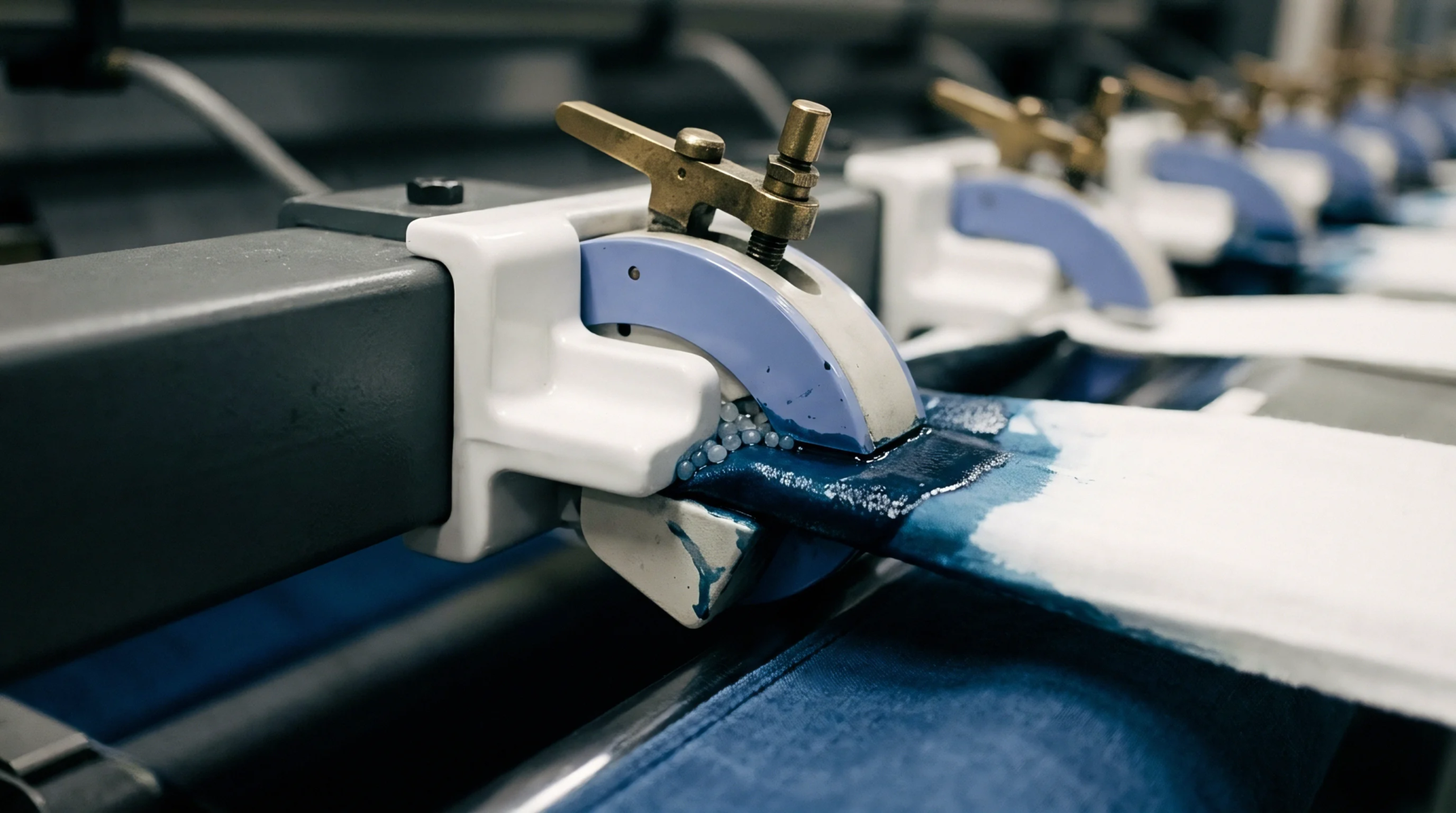
Maintain sodium carbonate bath concentrations between 24 and 28 g/L using hyperbolic dosing curves to balance buffer capacity and prevent dye strike shock.
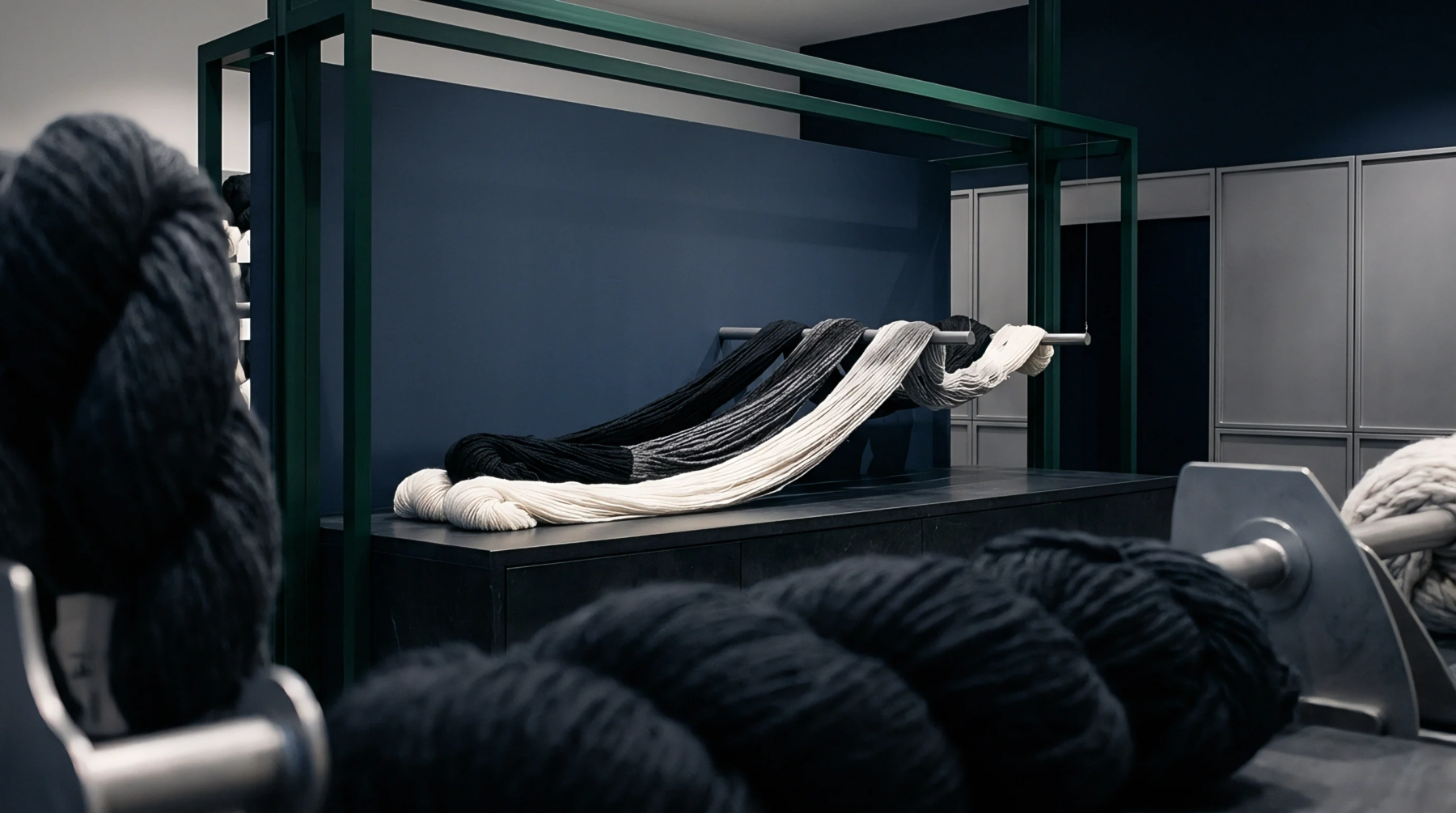
Controlling reactive dye exhaustion kinetics on combed cotton requires controlled electrolyte dosing, metered alkali introduction, and optimal liquor flow.
Secondary heat exposure drives disperse dyes into surface finishing oils; specify high-energy dyes and heat-tested rub fastness after stenter finishing.
Expertise is a utility, not a secret. sentiention™ publishes its working knowledge as open reference: intelligence layer covering the materials it sources, the markets it enters, and the reference that serves both.