
Jet Jig and Pad Batch Routes for One Cotton Twill
Cold pad-batch dyeing prevents crease marks and cuts energy costs on heavy cotton twill, whereas jet dyeing risks surface friction damage in dark shades.
Cold pad-batch dyeing prevents crease marks and cuts energy costs on heavy cotton twill, whereas jet dyeing risks surface friction damage in dark shades.
Lowering liquor ratios elevates dye exhaustion efficiency in heavy twills but demands precise flow control to prevent core-ring shading and crocking failure.

Global textile clearance demands lot-specific ISO 17025 test reports verifying chemical limits and physical integrity standards matching customs entries exactly.
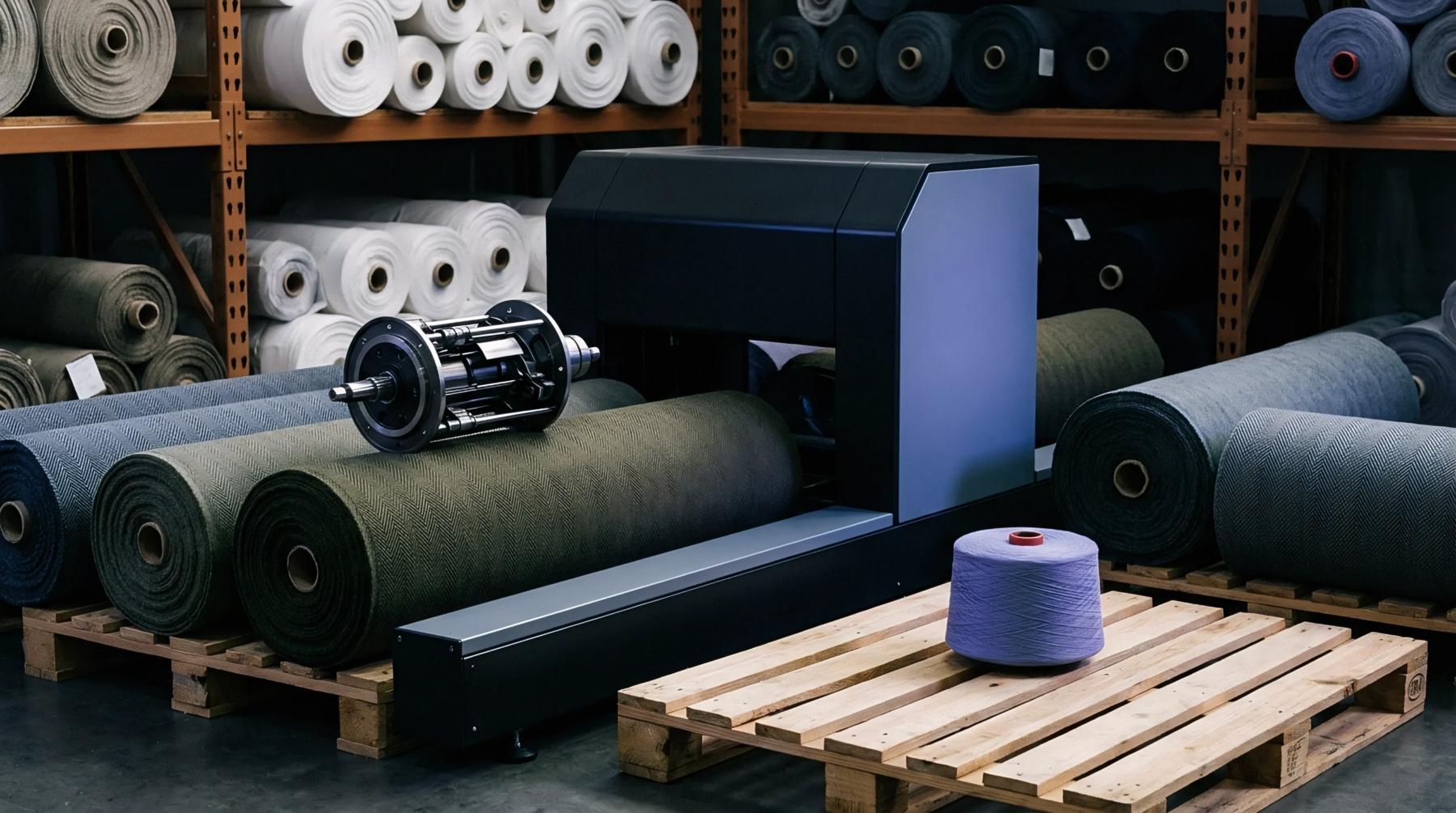
Long term greige storage transfers financial risk from yarn pricing to wet processing variance, requiring strict storage controls and clear dyehouse testing bounds.
Progressive exponential salt dosing prevents surface strike spikes and forces reactive dye penetration into heavy cotton duck yarn cores.

Cold pad batch dyeing of dense twills requires low-volume trough turnover, dual-component alkali dosing, and precise rotation to eliminate tailing and core defects.

High cover factor twills restrict intra-yarn mass transport, requiring wash-off temperatures above 85 degrees Celsius to desorb trapped hydrolyzed reactive dye.

High warp cover factors reduce fabric liquid permeability, requiring wider rectangular nozzles and slower heating ramps to prevent surface shade unlevelness.
Cellulosic reactive exhaust dyeing requires strict pH and temperature ramp control to minimize nucleophilic hydrolysis, maximize covalent yield, and prevent fastness failure.

Establishing dual-route printing tolerances requires CIEDE2000 spectral limits under D65/TL84 illuminants paired with strict ISO 105 fastness verification.
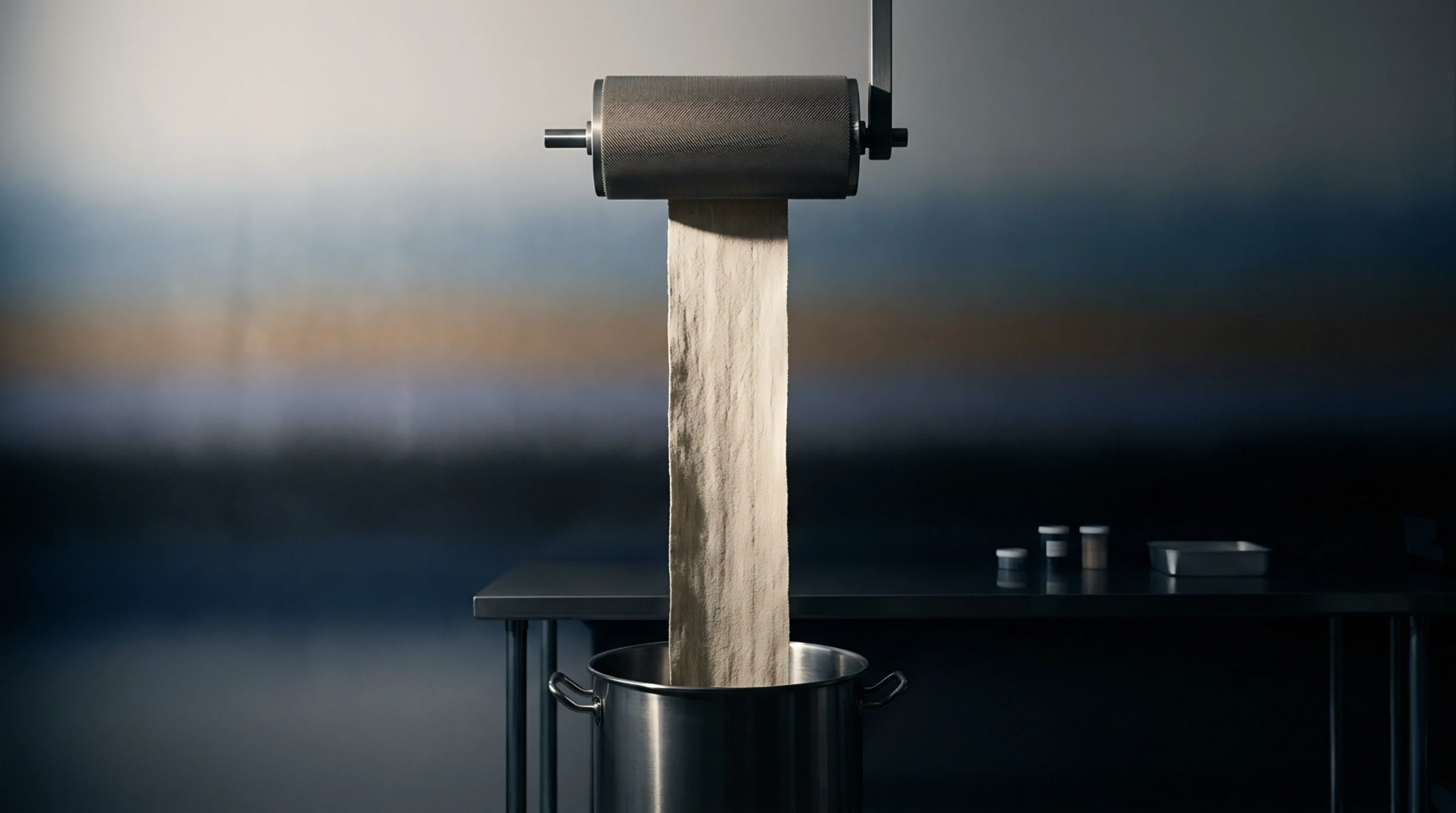
Dynamic psychrometric compensation continuously balances evaporation and pickup in pad boxes, preventing dyestuff molarity drift and head-to-tail shade defects.
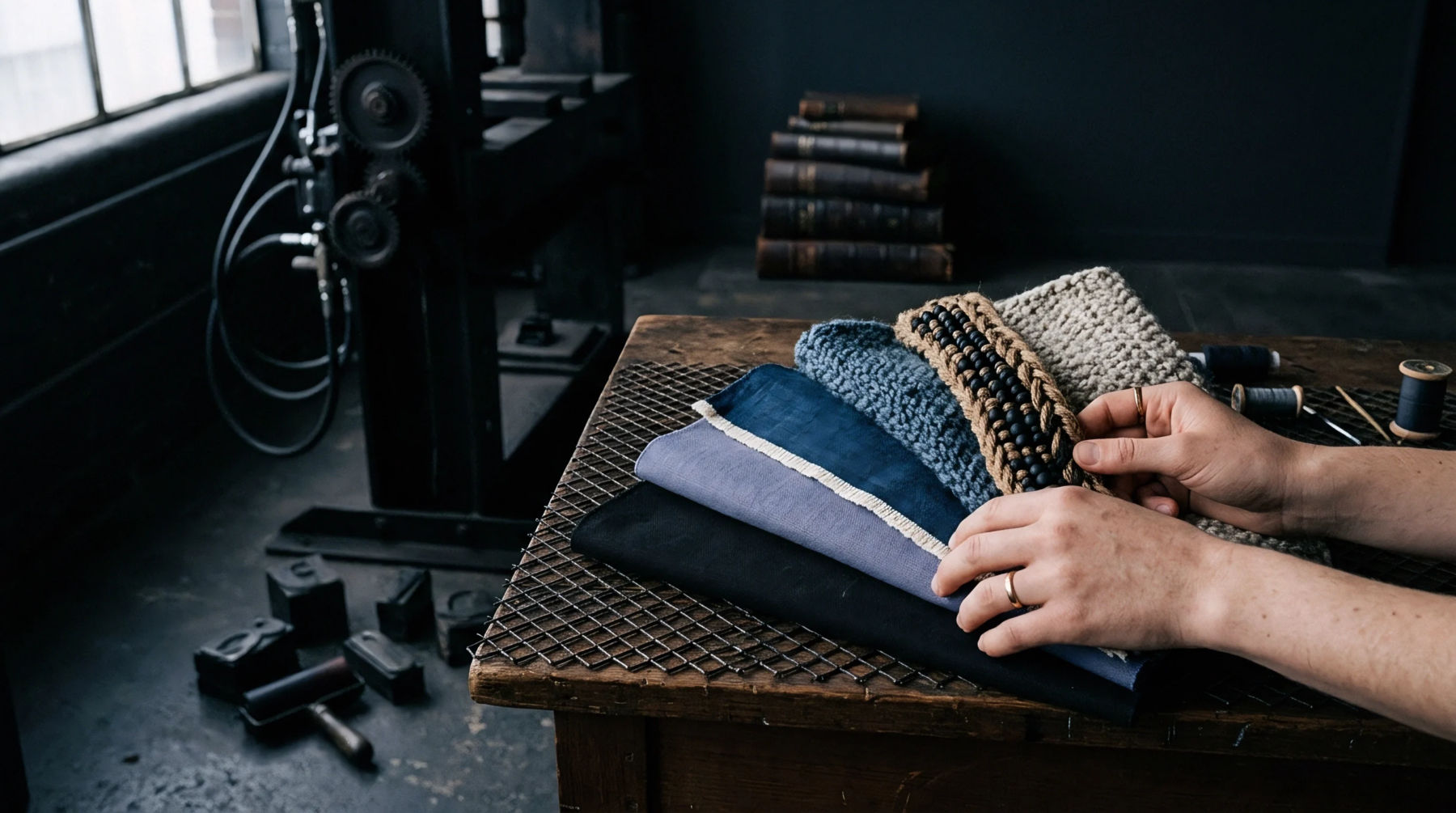
Fabric specifications mandate exact finished thread densities, stitch lengths, and test conditions to enforce supplier compliance and control landed costs.
Dense cellulosic wet transport is limited by swelling-induced micro-pore collapse; forced hydraulic convection and controlled diffusion times prevent core pale-outs.
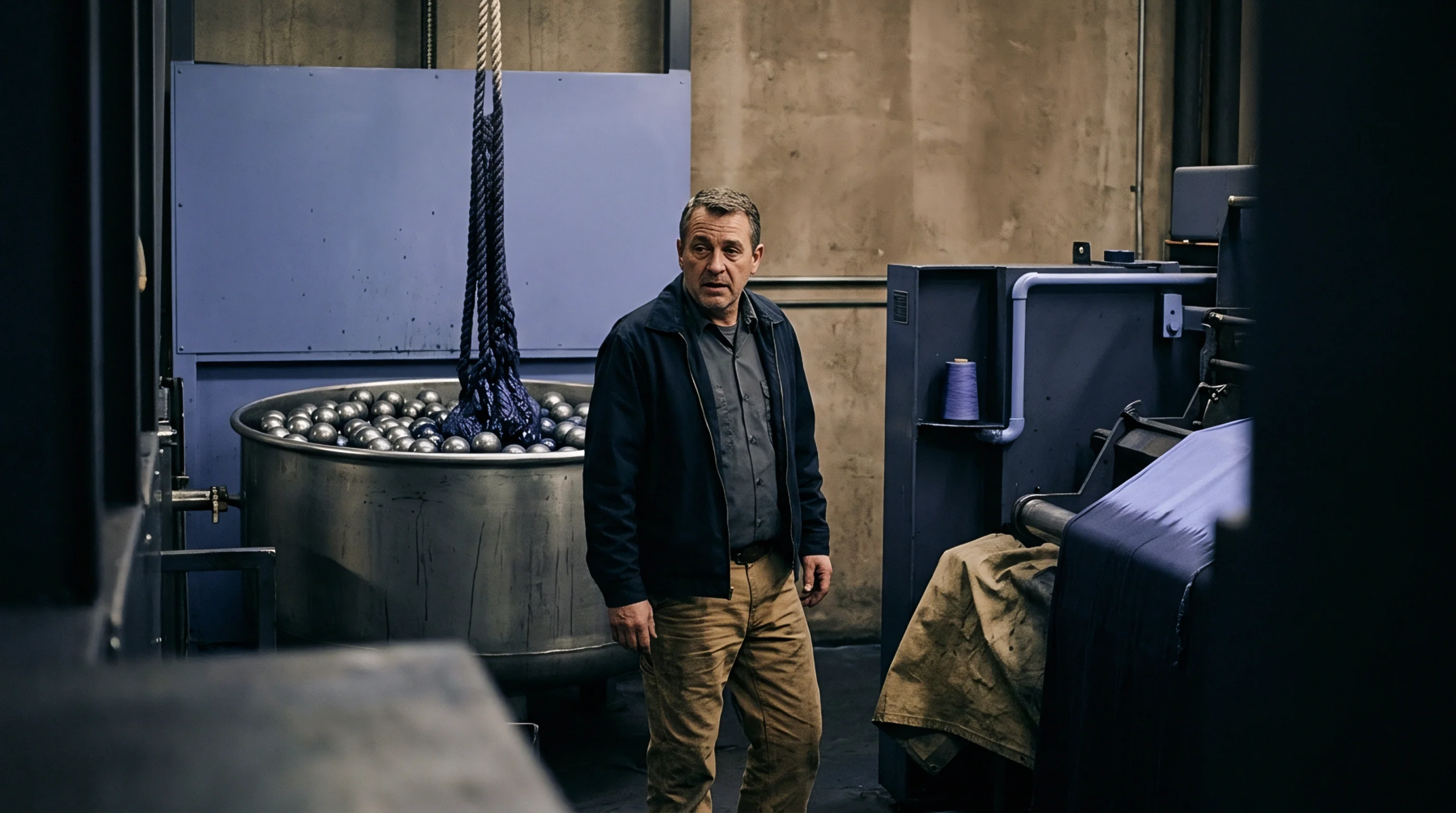
Subcontracted finishing steps executed outside audited mill boundaries alter fabric fastness, strength, and chemical safety without triggering primary quality controls.

Optimizing liquor ratios requires balancing steam and salt savings against pump turnover rates to prevent severe shade unlevelness and mechanical creasing.
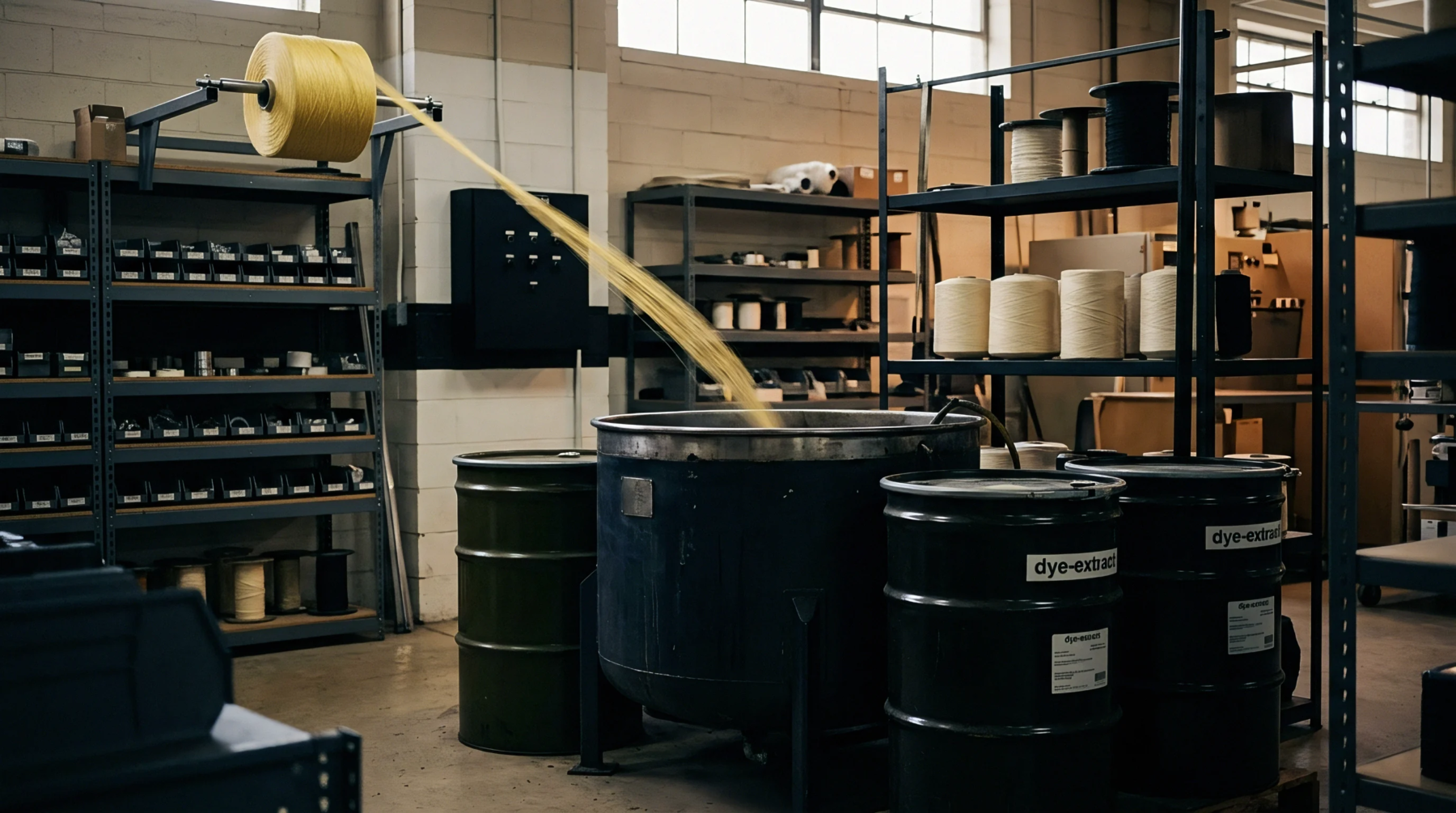
Uncontrolled greige storage triggers moisture migration, lipid autoxidation, and sizing retrogradation, which impair surface wettability and cause severe dye absorption variances.

Textile qualification requires mapping baseline chemical limits and physical standards to accredited lot-level test reports before releasing purchase orders.

Low liquor ratio cotton dyeing demands progressive alkali profiling to suppress early hydrolysis, match bath exhaustion, and eliminate bulk shade streakiness.

Continuous pad dyeing of cellulosic blends requires precise wet pickup control, anti-migrant chemistry, and strict thermal limits to prevent shade listing.

Determining the run length crossover requires balancing rotary screen engraving overhead against high digital ink costs at the precise yardage where unit expenses equalize.

Linear salt dosing coupled with controlled liquor flow balances surface exhaustion and pore diffusion to eliminate core pale zones in heavy ring spun twills.

Controlled progressive alkali dosing matches jet fabric loop velocity to eliminate surface fixation spikes and secure level shade fixation on cellulosic cloth.

Declining repeat volume forces shifts from continuous to exhaust routes, driving up unit setup waste, expanding liquor ratios, and requiring wider shade tolerances.
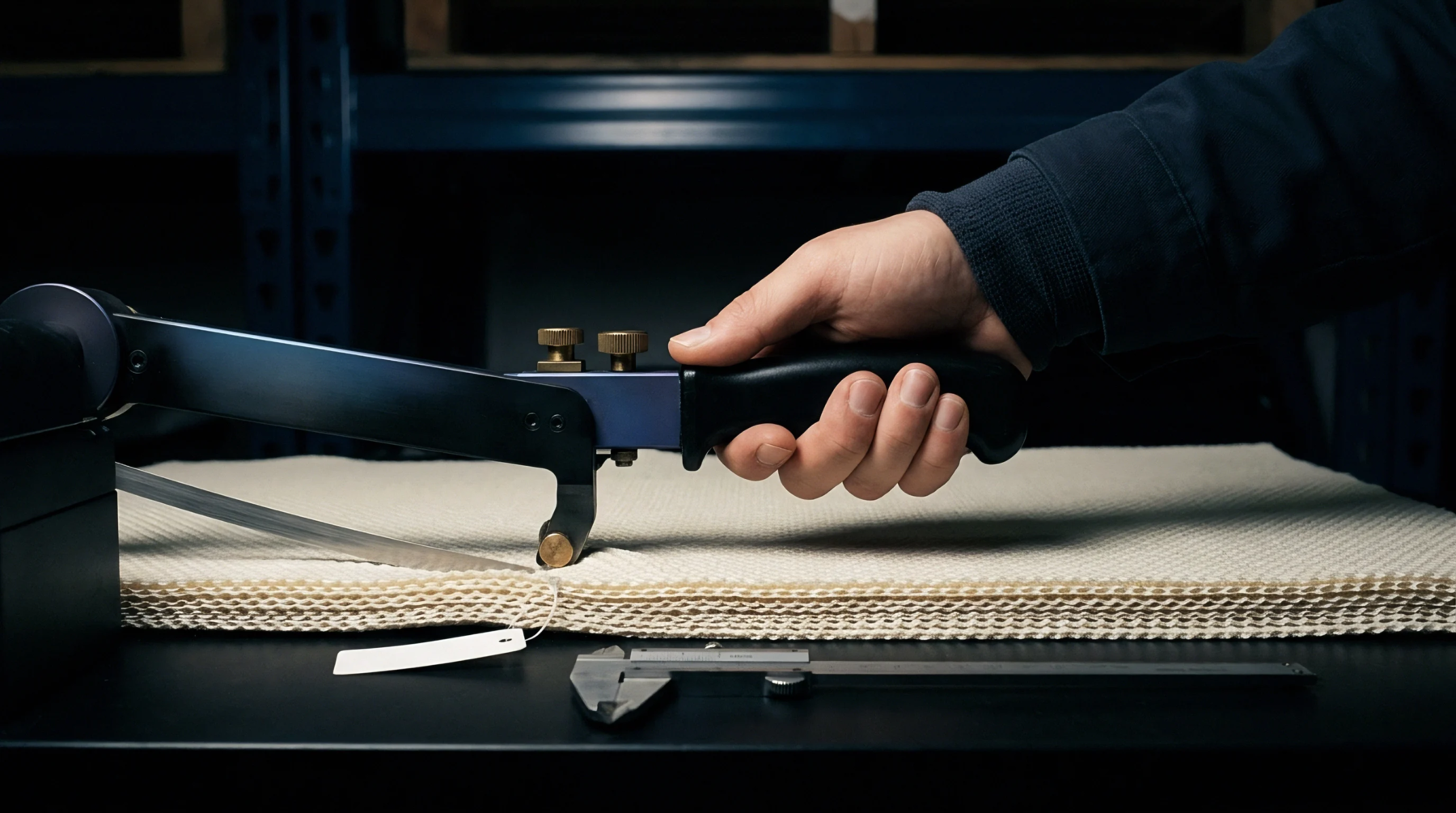
Boundary layer mass transport limits in ultra-dense mercerized twills demand continuous high-velocity liquor shear to prevent surface ring dyeing.

Dense duck dyeing demands progressive salt dosing to suppress surface strike, allowing complete cross-sectional penetration before alkali fixation.

Aligning print technologies requires specifying CIEDE2000 tolerances below 0.8, capping metamerism indices under secondary illuminants, and adjusting wet crock floors.
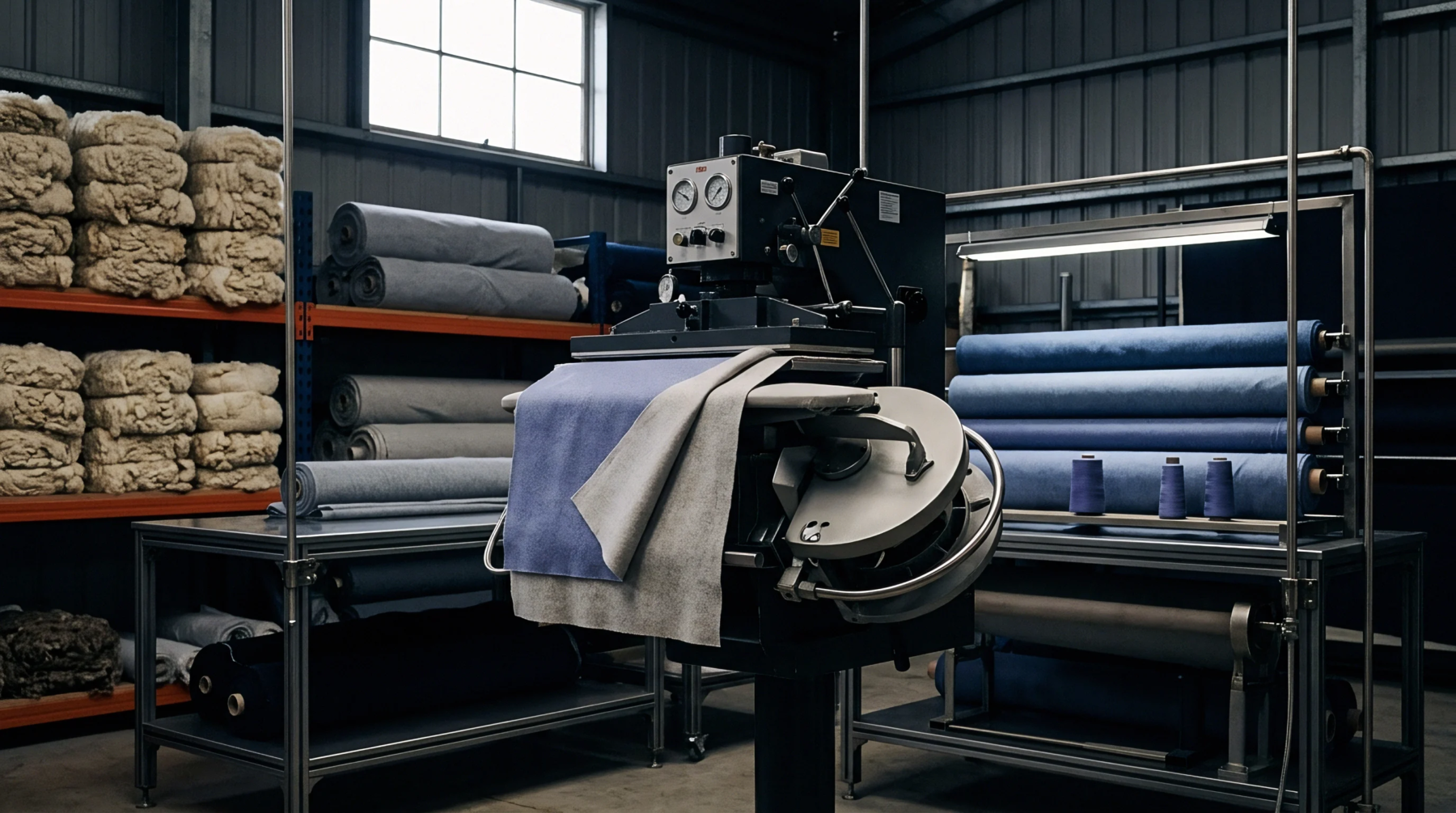
Contractual action limits combine guarded acceptance rules and split-sample referee protocols to arbitrate repeat textile test variations fairly.
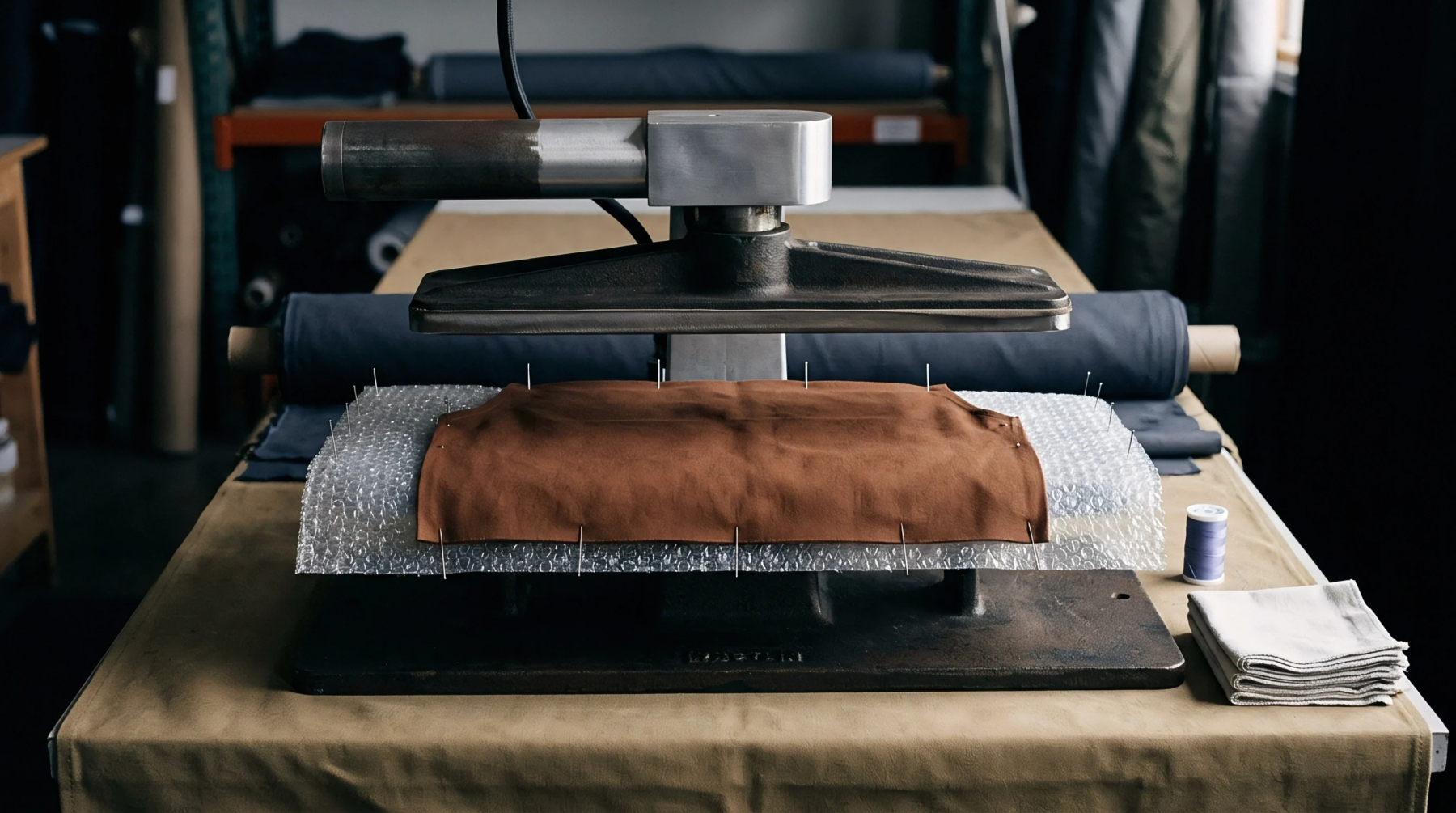
Matching radiative spectrum to polyelectrolyte thermal activation prevents premature surface gelation and ensures deep binder penetration in heavy cottons.
Differential pressure thresholds above 2.2 bar are required to overcome capillary swelling resistance and achieve yarn core dye penetration in compact weaves.
Parabolic salt dosing prevents ring dyeing in heavy duck by matching electrolyte delivery to liquor diffusion rates across compact yarns.
Expertise is a utility, not a secret. sentiention™ publishes its working knowledge as open reference: intelligence layer covering the materials it sources, the markets it enters, and the reference that serves both.