Processing Control
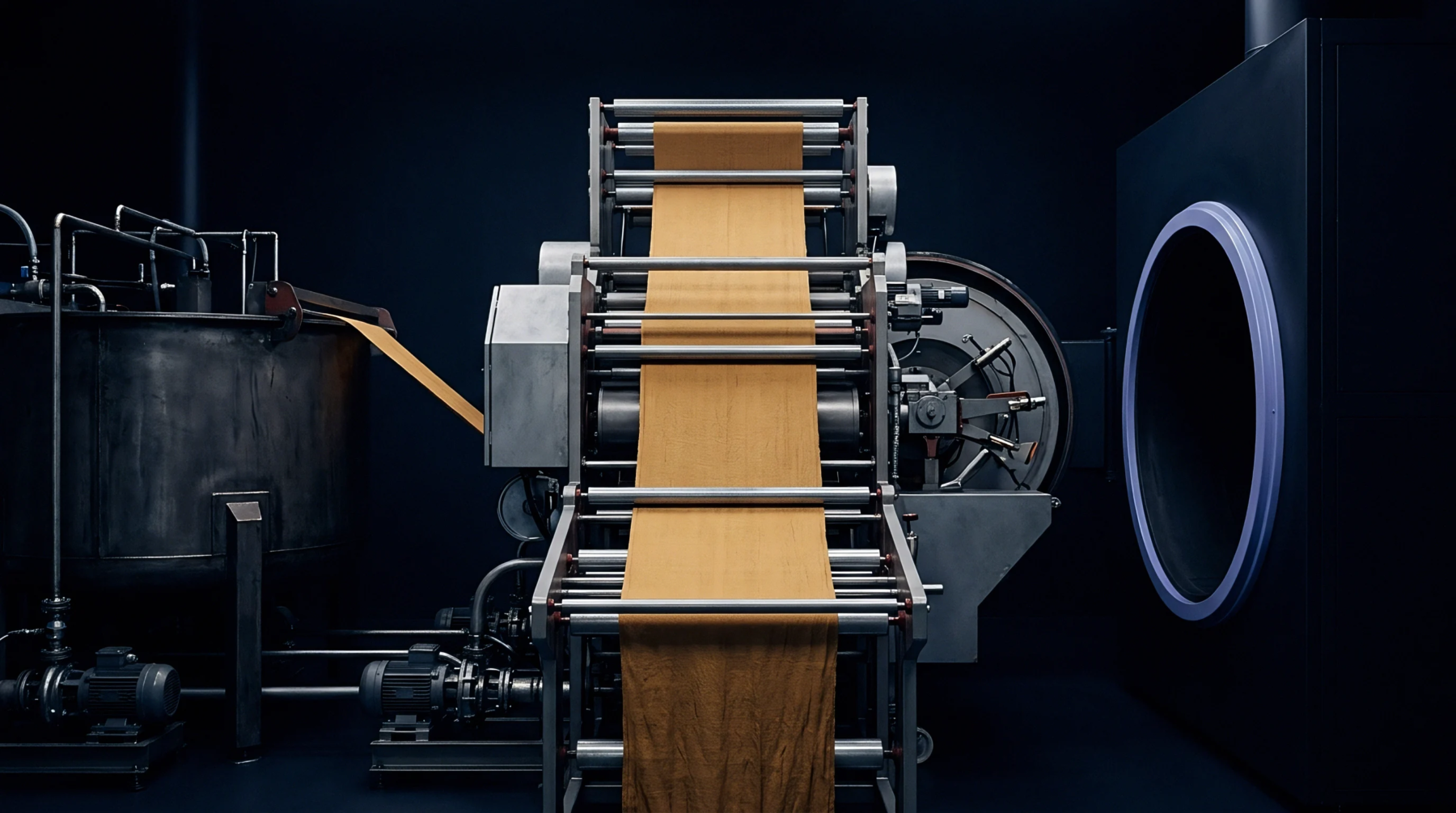
Fabric finishing mechanisms utilize the deliberate excess delivery of damp fabric into a heated drying chamber to manage longitudinal shrinkage and tension. Maintaining stenter overfeed ensures that the fabric travels faster onto the machine pins than the machine chain itself moves through the heating tunnel. This numerical percentage allows technicians to build physical relaxation into the textile structure after high tension processes like dyeing or bleaching have stretched it.
A higher overfeed value allows fibers to crowd closer together as they dry, resulting in a heavier finished density and more stable dimensions. It remains the key lever for meeting specific weight requirements and reducing the dangerous residual shrinkage that plagues garment fit.
Tension Mechanics
Setting the mechanical speeds of the entry rollers relative to the pin chain determines exactly how much material enters the treatment zone. Adjusting stenter overfeed involves coordination between the computer system and the mechanical clutches that manage the drive motors. If the input is too low, the fabric stays stretched during heating and locks into an elongated shape that will shrink rapidly during its first domestic laundry cycle.
By contrast, excessive values create fabric ripples on the pins that can cause uneven drying or localized scorch marks from the internal heat burners. Operators observe the fabric behavior at the entry point to ensure a consistent wave formation without excessive fold accumulation. Precise balance here enables the mill to deliver rolls that maintain stable specifications during subsequent transport and cutting cycles.
Stabilization Effects
Controlling these speed variables directly impacts the drape, handle and grammage of the fabric once it exits the cooling station at the back of the line. Implementation of stenter overfeed compensates for natural fiber contraction while setting the final width between the diverging pin chains. This process results in a material with higher recovery because the internal fiber stresses have been partially released in a controlled environment.
High end manufacturers utilize specific ranges to hit grams per square meter targets precisely without overworking the looms on the front end. If this setting drifts during a shift, consistency across different rolls within the same batch disappears, making uniform garment production impossible. Reliable monitoring involves periodic manual checks of the fabric movement to ensure sensors remain calibrated against actual production flow.
Verification Limits
Monitoring output quality ensures that the settings selected in the pre production phase translate to material stability in the final warehouse roll. Reports indicate that improper levels of stenter overfeed are the primary cause of torque or twisting issues where legs in knit pants spiral around the wearer. Testing involves a shrinkage check after heat setting to see how close the actual stability matches the consumer expectation levels.
If failures occur, the machine parameters must be reset and the batch potentially reprocessed at considerable operational expense. Consistent results in this area demonstrate mill competence and technical control over the complex physics of fiber relaxation under load. Accurate documentation of overfeed settings helps reproduce identical results for repeat orders of identical fabric types.