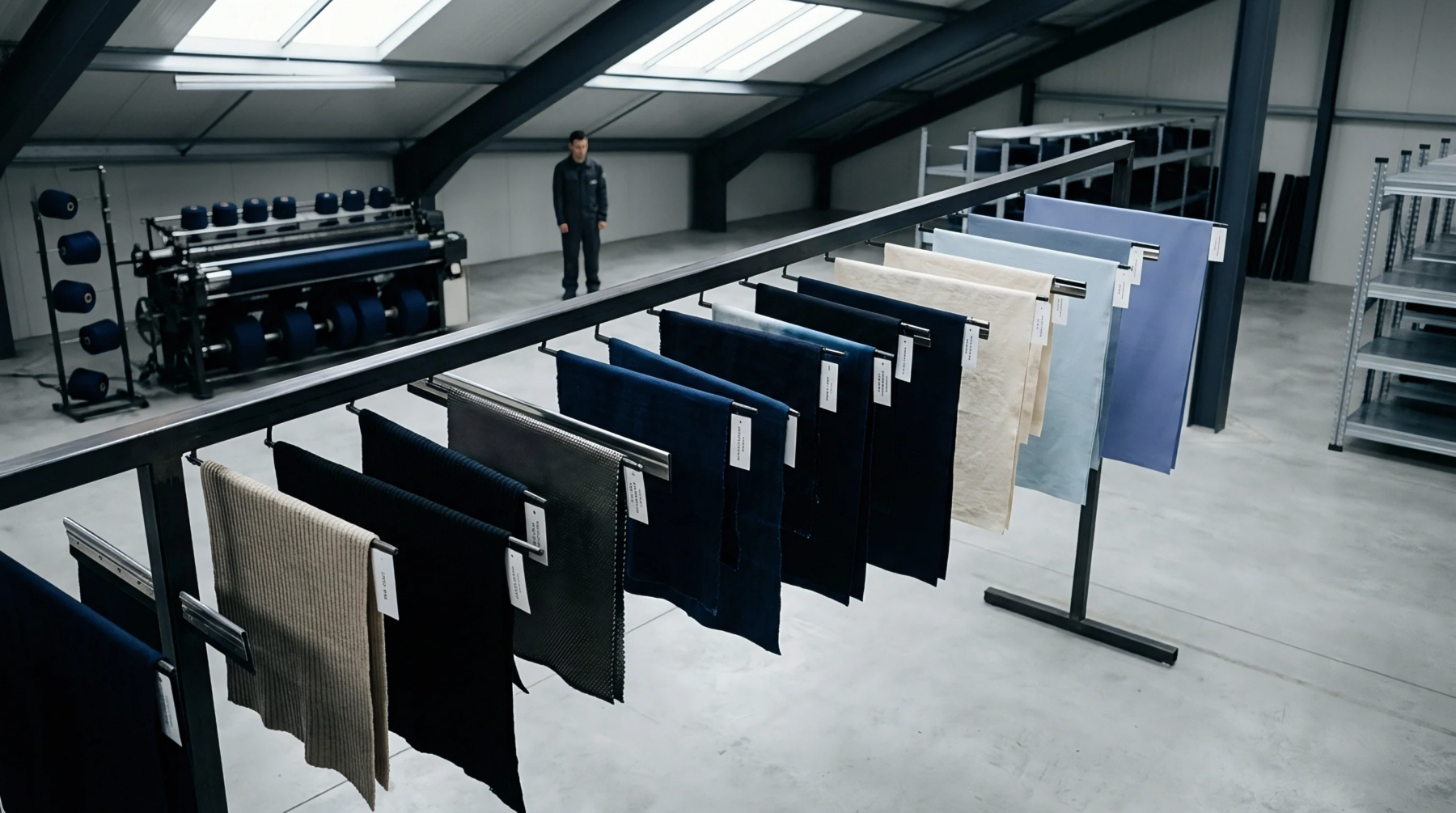
Fabric Weight Tolerance Written as a Range the Mill Holds
Fabric weight tolerance written as a mill range holds commercial validity only when tested under ISO 139 standard atmosphere using ISO 3801 methods.
Fabric weight tolerance written as a mill range holds commercial validity only when tested under ISO 139 standard atmosphere using ISO 3801 methods.

Sett and cover factor define structural thread packing; maintaining high pick density and tight fractional cover locks yarn crowns to maximize abrasion life.

Standard one cycle wash tests hide progressive shrinkage; verifying dimensional stability requires multi cycle laundering data and mill finishing tension audits.

Aligning woven greige warp minimums with dyehouse vessel capacities requires calculating dry mass yields and vessel fill limits to prevent shade variation.

Fabric performance depends on greige interlacing geometry, wet processing relaxation, and multi-mill supply chain lead times.
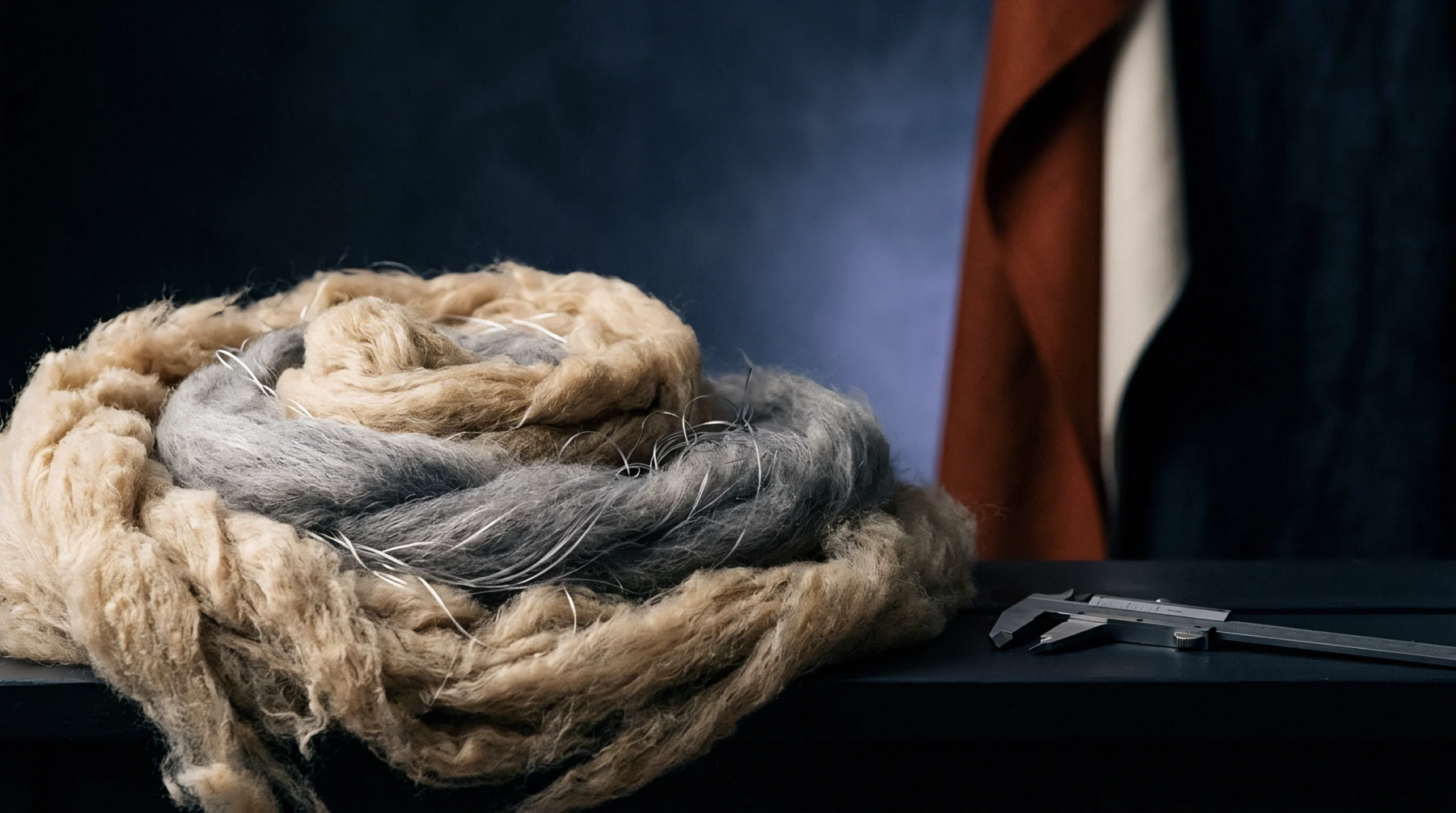
Split dyeing aged greige requires pre-bleaching and low-tension wet processing to offset oxidation, equalizing dye uptake while preserving tensile strength.

Preventing filament damage in micro denier elastomeric warp knits demands precise beam tension control, strict stenter thermal capping, and low-shear jet scouring.
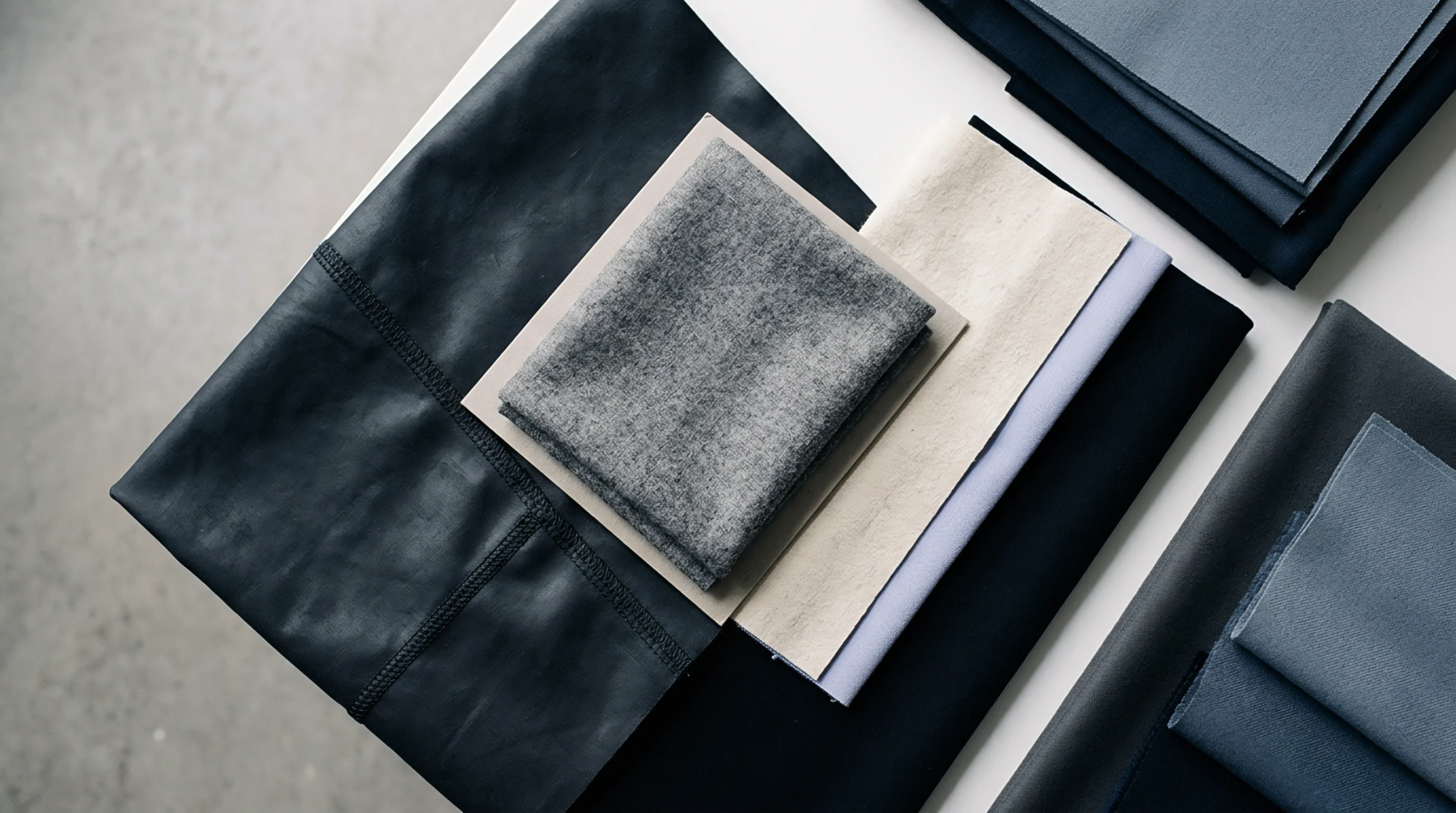
Accurate woven mass calculation requires modeling yarn counts, crimp percentages, sizing removal, and moisture regain across every step from loom shed to final invoice.

Correlating loom sett and machine gauge to wet shrinkage requires matching grey thread density and stitch length to wet relaxation limits before finishing.
Contractual weight tolerance bands govern linear yardage yield, moisture regain adjustments, and cutting room markers to protect garment cost margins.

Verify greige fabric sett on tensionless, conditioned swatches under ISO 7211-2 to prevent finished weight deficits and enforce contract chargeback limits.

Engineering accurate finished width requires combining yarn crimp contraction with wet processing contraction factors during reed selection on the loom.
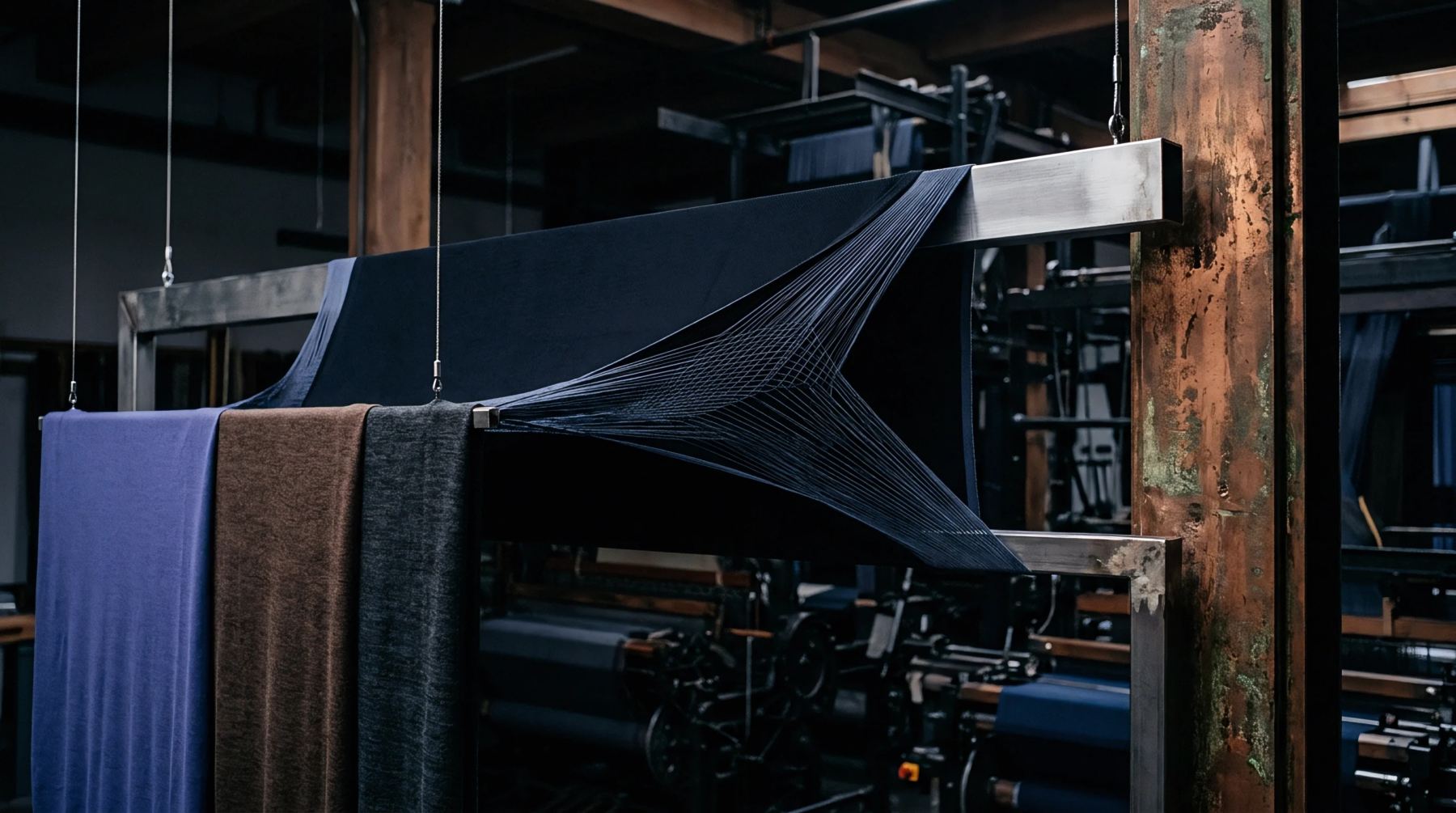
Warp cover factor calculation requires precise yarn diameter, density, and count conversions to establish enforceable fabric specifications and prevent bulk weaving defects.
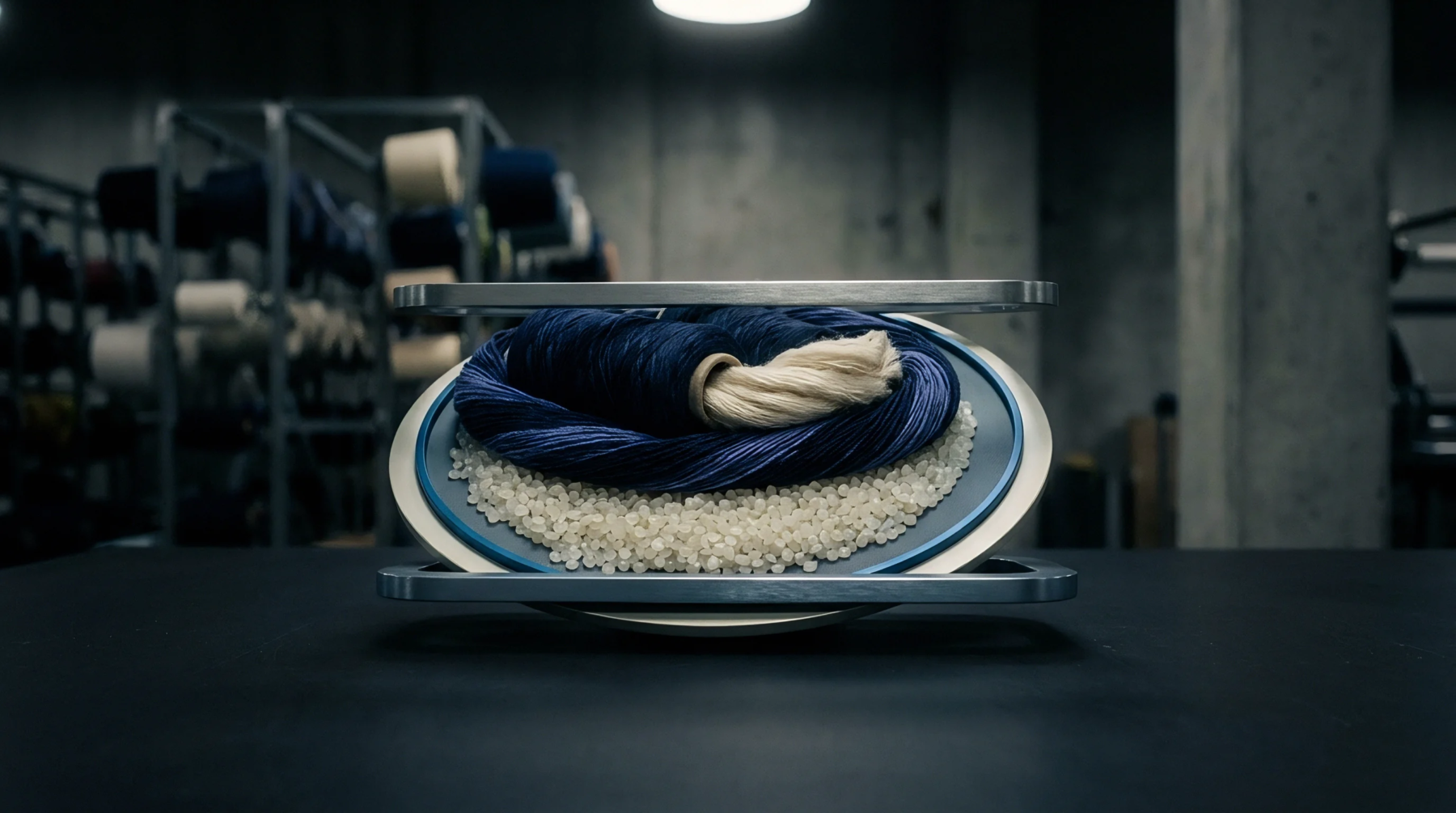
Crosslink density decay during repeated wet processing dictates the trade-off between durable crease recovery and catastrophic fabric tear strength loss.

Fabric specifications mandate exact finished thread densities, stitch lengths, and test conditions to enforce supplier compliance and control landed costs.

Geometrical modeling of crimp interchange predicts width collapse during wet finishing by balancing yarn swelling against mechanical jamming boundaries.
Single jersey curl stems from unbalanced yarn torque and asymmetrical loop tension; durable flat performance demands structural yarn balancing rather than temporary resin finishes.
Determining required loom reed width requires converting unraveled weft yarn takeoff data into take-up fractions and adding wet processing shrinkage allowances.

Dimensional and cover loss disputes require binding retain-swatch testing under ISO 5077 to isolate mill finishing strain from spreading room tension.
Warp and weft crimp exchange during wet finishing balances longitudinal overfeed and lateral rail draft to set fabric weight and arrest post-wash shrinkage.
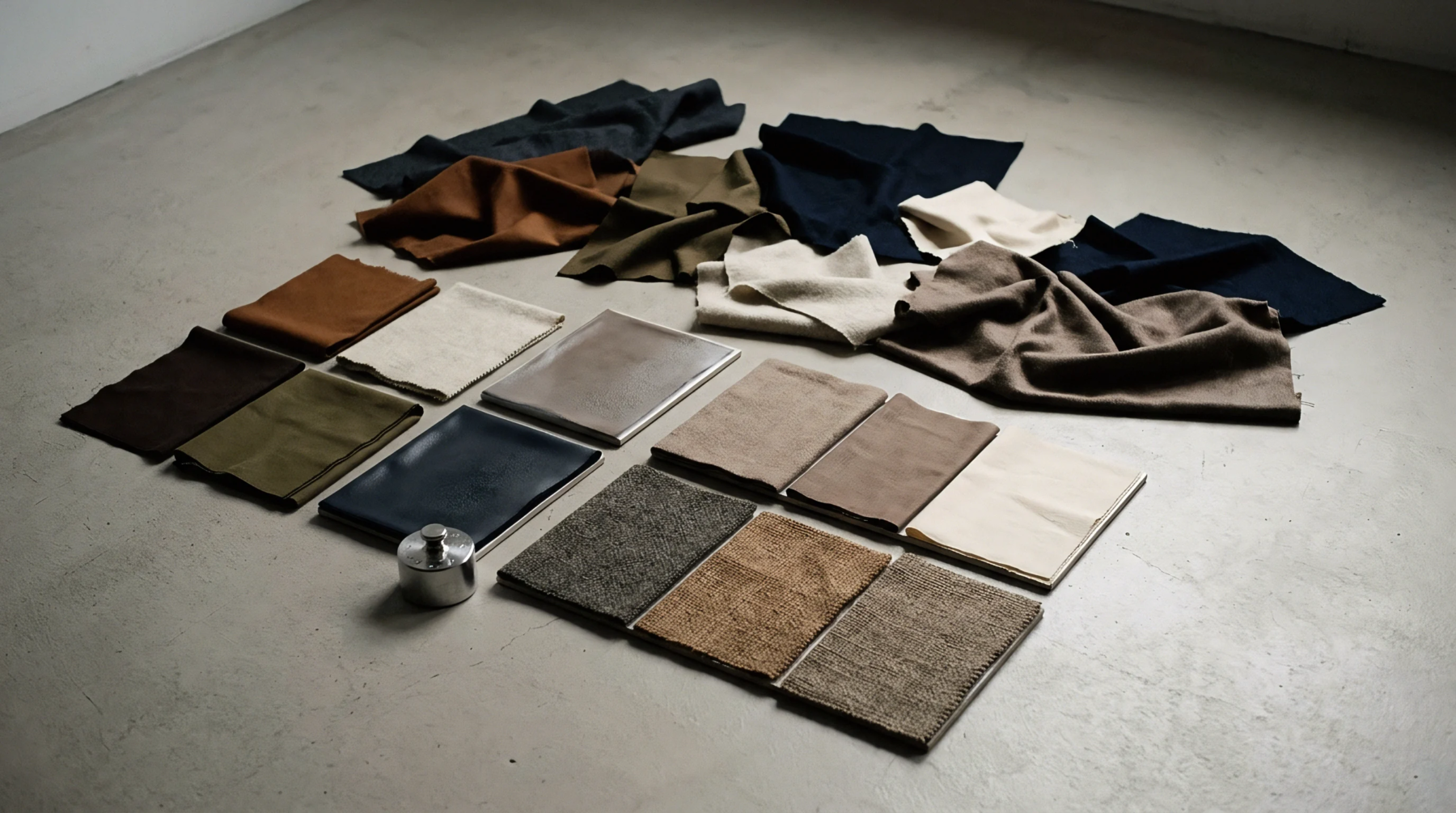
Reconciling woven fabric invoices requires deducting size solids and applying standard moisture regain to oven-dry mass before validating linear yield.
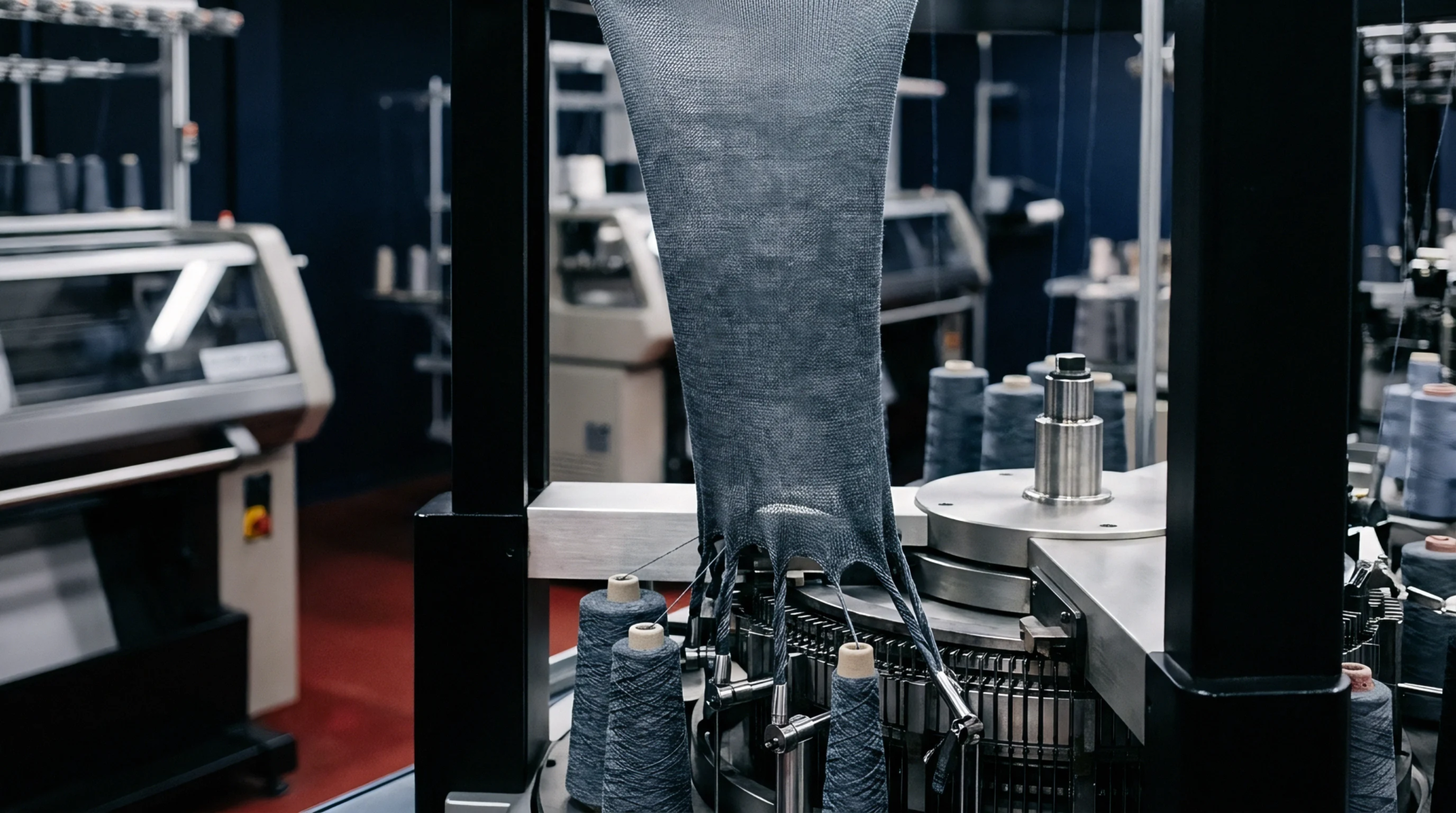
Matching knitting machine gauge to yarn linear density fixes loop tightness factor, setting the upper limit for aqueous dimensional contraction during wet finishing.

High warp cover factors restrict weft straightening, forcing non-linear widthwise contraction during wet relaxation, demanding engineered stenter overfeed.

Predicting non-linear weft contraction requires dynamic nozzle pressure regulation aligned with loom acceleration profiles to maintain stable fabric off-loom widths.
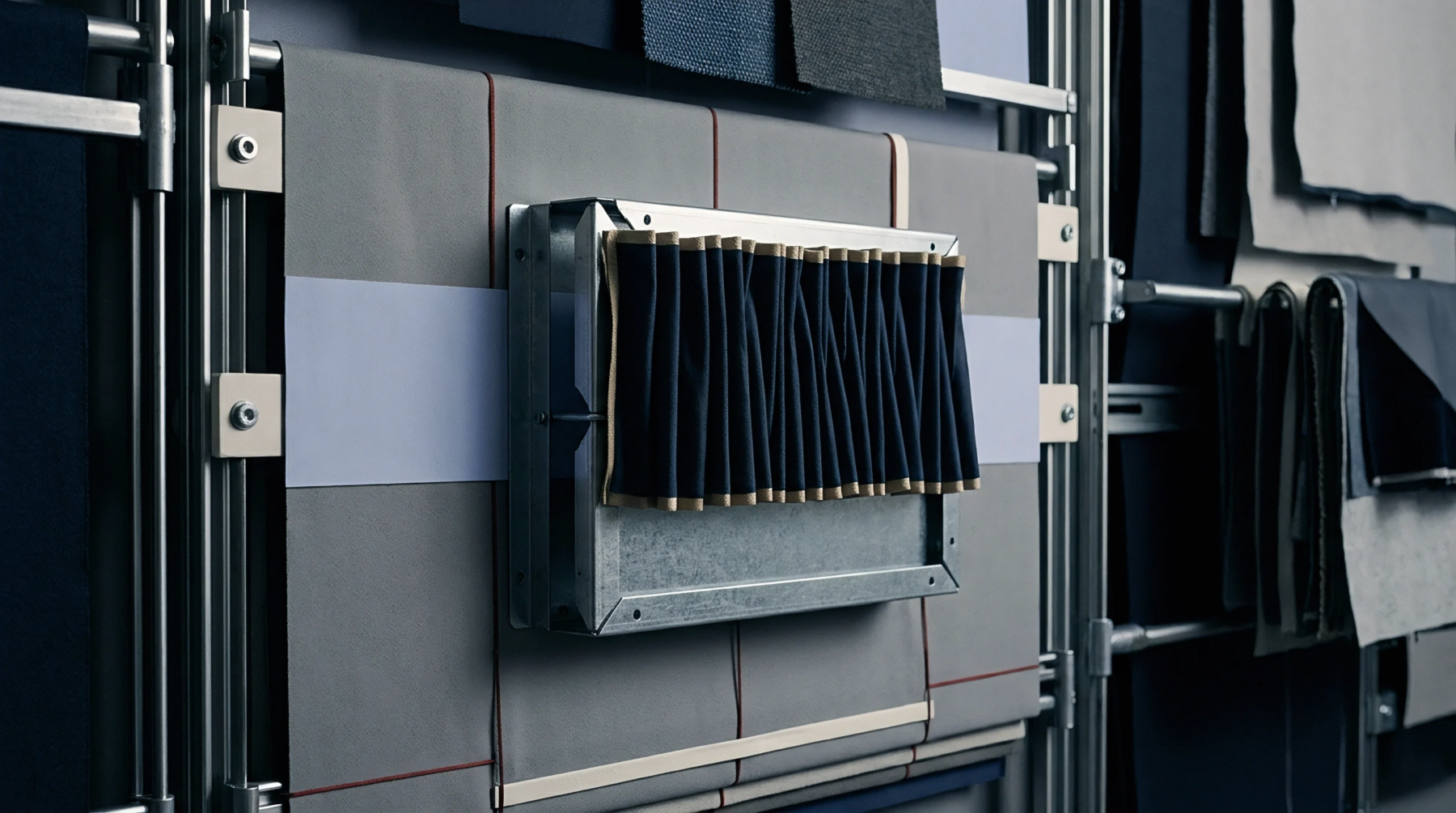
Standardizing specimen pretensioning at 0.5 cN per tex during cut length density audits eliminates crimp skew and ensures accurate fabric weight verification.

Verifying off-loom thread density after four hours of tension-free conditioning prevents bulk specification disputes and costly finished cloth rejections.

Continuous stenter overfeed forces must balance longitudinal yarn buckling thresholds against friction to set finished course density without cloth corrugation.

Derive loom reed width by compounding greige take-up and wet finishing contraction percentages onto target cuttable width while balancing dent air space ratios.

Warp and weft crimp exchange in high-density weaving shifts structural waviness across processing, dictating finished sett, shrinkage, and air permeability.
Synchronize multi-motor continuous dye drives to maintain warp tension under 1.8 N/cm, preventing twill skew, pick count loss, and face-to-back shading.
Expertise is a utility, not a secret. sentiention™ publishes its working knowledge as open reference: intelligence layer covering the materials it sources, the markets it enters, and the reference that serves both.