Moisture Regain and the Kilos a Buyer Pays for Twice
Verify dry mass under ISO 6741 oven testing to ensure yarn invoices bill official regain allowances rather than trapped atmospheric water.
Verify dry mass under ISO 6741 oven testing to ensure yarn invoices bill official regain allowances rather than trapped atmospheric water.
Calculating net dry mass adjustment factors requires converting port scale weights to oven-dry mass using ISO 6741 regain standards to prevent paying duty on absorbed water.
Commercial mass calculations adjust raw import dock weights to certified oven-dry mass plus standard moisture regain values for exact invoice settlement.

Commercial billing for transit moisture discrepancies requires oven-dry core testing and contract commercial regain allowance formulas.
Commercial mass corrections reconcile ocean freight combed cotton invoice weights by adjusting scale mass against oven-dry cellulose and standard 8.5% regain.

Standard atmospheric conditioning eliminates sorption hysteresis errors, securing accurate fabric weight, thread density, and commercial mass billing.

Commercial yarn weight verification relies on oven-dry mass determination modified by standard moisture regain percentages to determine billable weight.
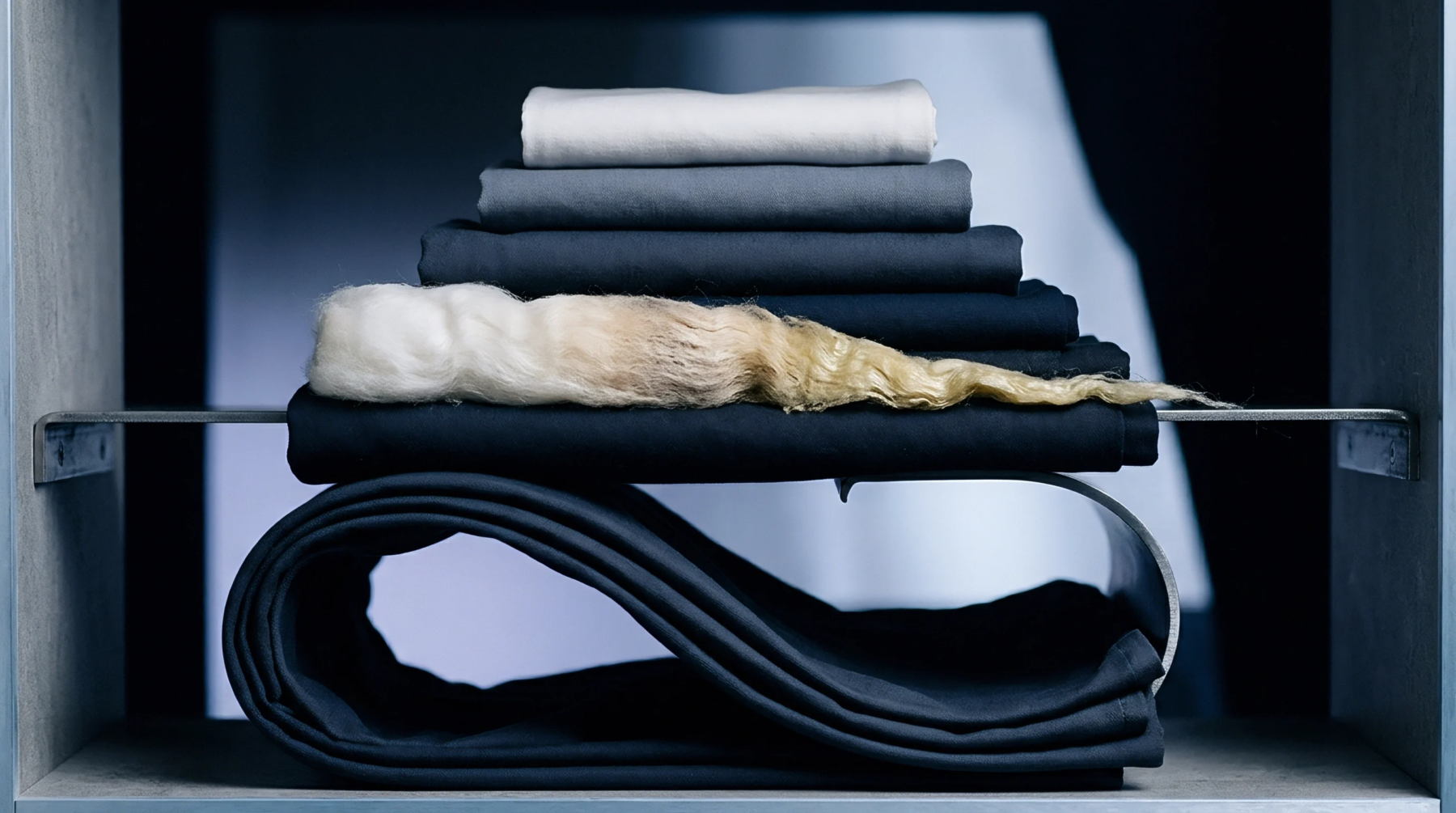
Commercial raw cotton mass requires adjusting gross scale weight for official moisture regain and non-lint content under standardized oven-dry test protocols.

Harmonized tariff chief weight declarations require converting oven-dry fibre masses into commercial mass using statutory regain allowances to prevent reclassification.

Moisture regain claims rely on oven dry mass calculations under ISO 6741, adjusting invoice weight to standard 8.5 percent regain and protecting fiber tenacity.

Determine commercial moisture regain standards through representative bale core sampling and forced-draft oven drying to convert net shipping mass into billable commercial weight.

Commercial moisture regain corrections adjust oven-dry cellulosic fibre mass using statutory allowances to prevent buyers paying pure water rates on dry matter.

Mass balance verification in cross-border organic cotton requires reconciling raw lint transaction certificates, spinning waste loss, and customs origin proofs.

Commercial cotton weight relies on standard moisture regain adjustments, calculating dry mass through oven drying to settle invoices accurately on net dry fibre.

Preferential yarn origin stands on contemporaneous blowroom laydowns, machine logs, and waste mass balance records rather than unverified commercial affidavits.

Shortwave infrared sensors detect transparent polyolefin contaminants in cotton tuft streams by measuring carbon-hydrogen overtones absent in cellulose.

Mathematical regain corrections adjust raw HVI strength and length to 7.0% moisture targets, preventing misclassification from sorption hysteresis.
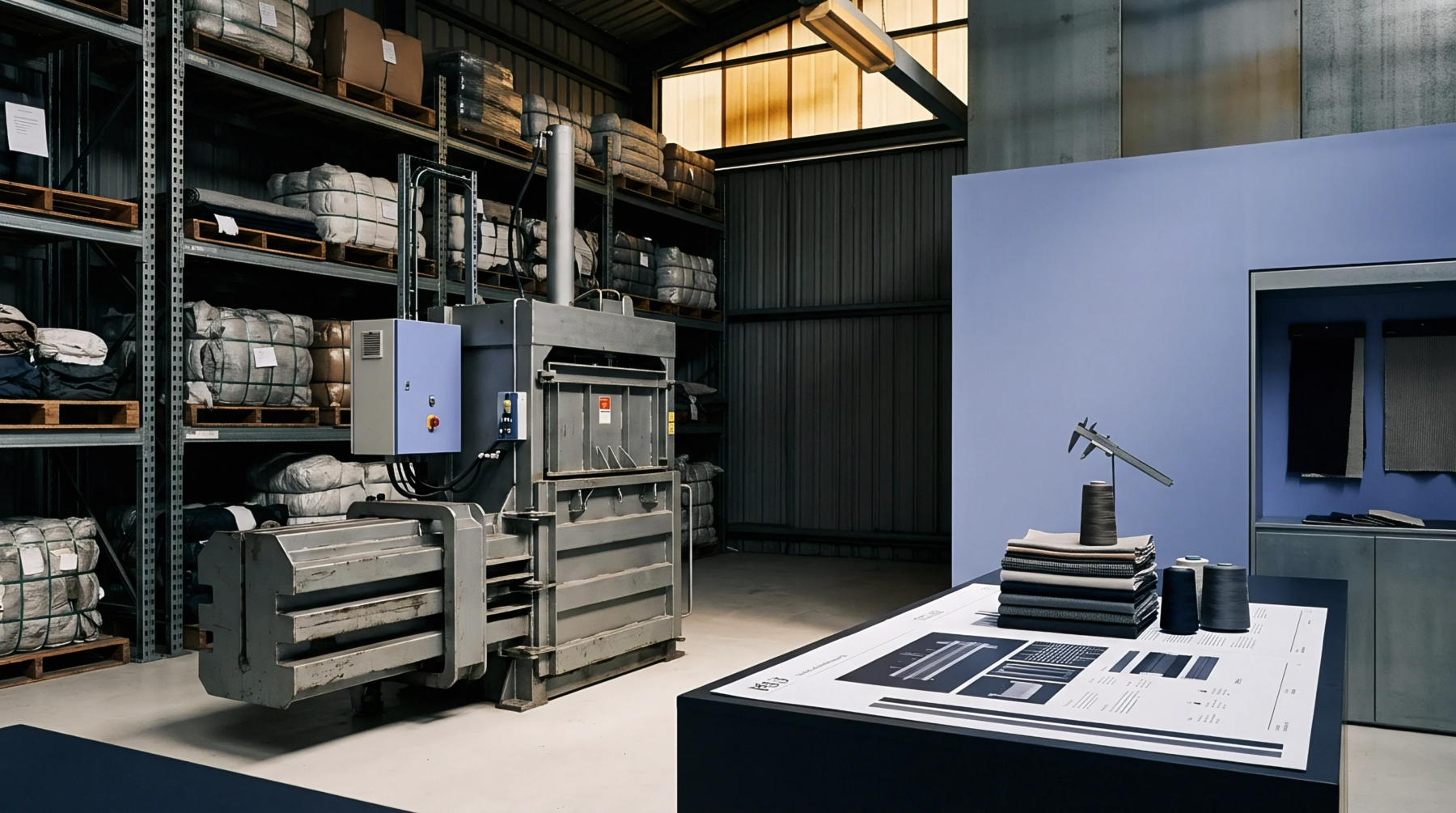
Rotary mechanical core sampling extracts representative lint strata from high-density cotton packages while preserving fibre length profiles for accurate arbitration.

Commercial mass adjustments correct raw cotton delivery weights to an 8.5% standard regain baseline using oven dry core testing to prevent water billing errors.

Commercial mass in ocean freight combed cotton reconciles scale mass to anhydrous dry weight plus official 8.5 percent regain to prevent paying for water.

Invoice corrections reconcile ocean-shipped combed cotton scale mass to official 8.5 percent regain, preventing overpayment for absorbed water.

Establishing gravimetric moisture correction limits requires adjusting commercial regain to 7.4-7.85% to account for hornification in shredded cotton yarns.

Commercial moisture testing oven-dries representative core samples to constant weight, converting bone-dry mass into legal invoiced weight via agreed regains.

Arbitrating outturn weight deficits requires converting landed scale tickets to certified commercial mass via oven-dry testing, separating evaporation from loss.

Administrative protests for water weight adjustments rely on ISO 6741 dry mass tests filed within statutory windows post liquidation.
Commercial weight adjustments convert scale mass to settled value by adding official international fibre regain percentages to verified oven-dry test mass.
Commercial mass calculations adjust invoice weights by subtracting actual tare and correcting net bale mass to an agreed eight point five percent moisture regain.

True cotton mass rests on oven-dry desiccation because maritime humidity alters outer bale layers while interior compressed lint stays dry during transit.
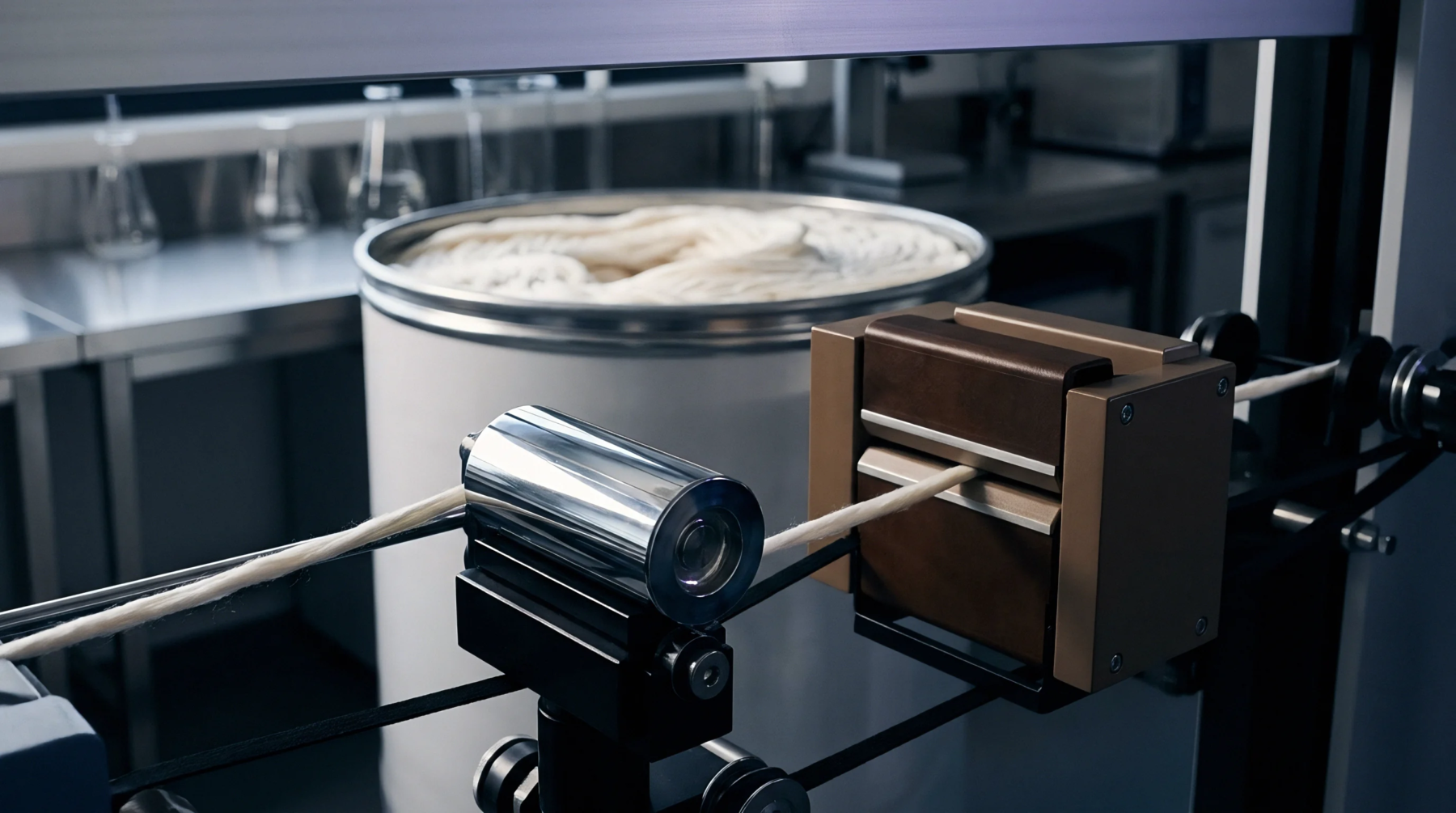
Commercial regain allowances convert variable net delivered fiber weight to an invariant billing mass calculated from laboratory oven-dry cellulose.
Invoicing recycled cellulosic yarn on standard regain values creates mass disputes when transport humidity traps desorption water inside amorphous fiber structures.
Expertise is a utility, not a secret. sentiention™ publishes its working knowledge as open reference: intelligence layer covering the materials it sources, the markets it enters, and the reference that serves both.