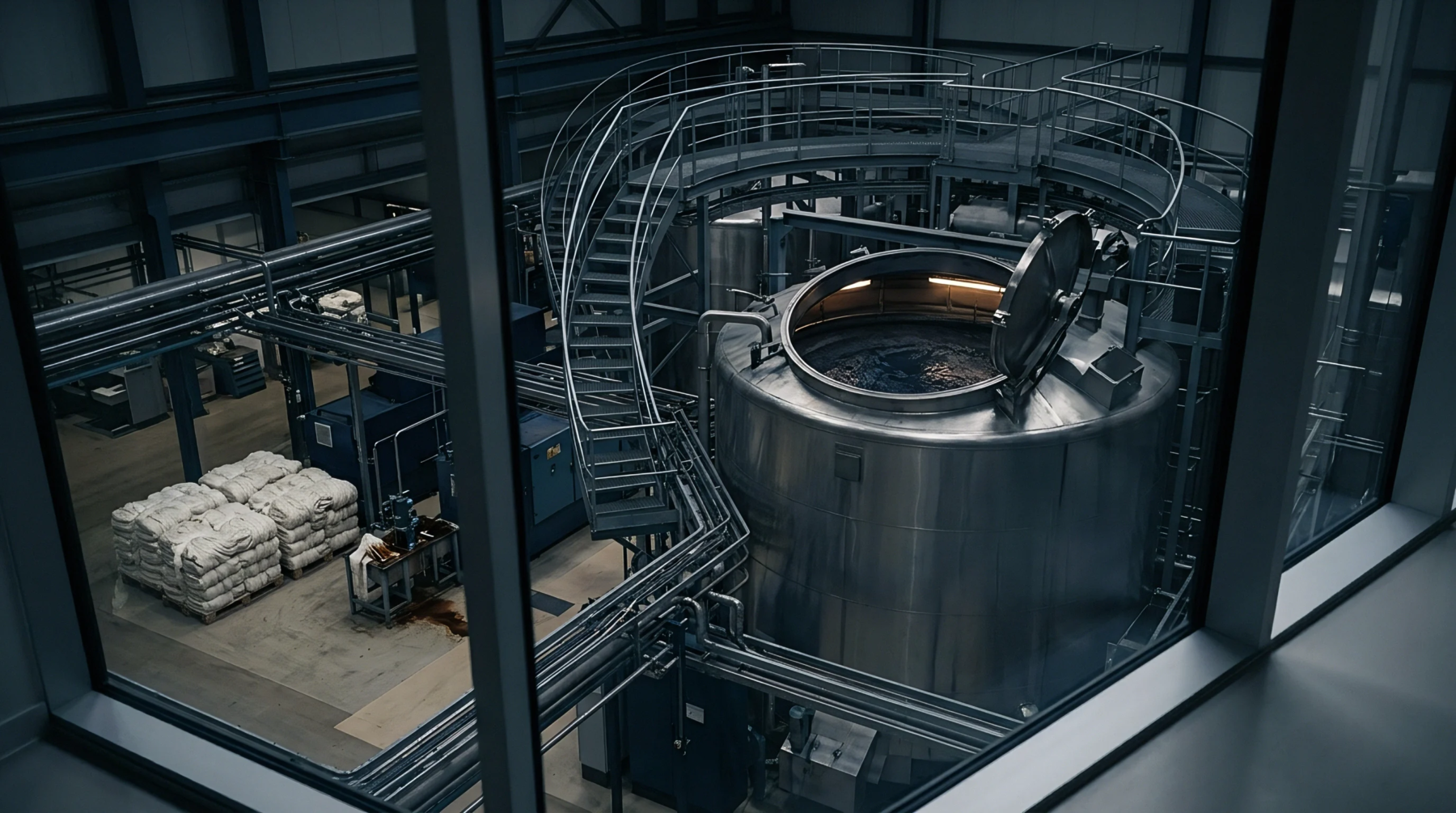
Subcontracted Wet Processing Compliance in Textile Conversion Contracts
Subcontracted wet processing requires binding batch-level chemical verification and milestone payments to prevent catastrophic border seizures of converted yardage.
Subcontracted wet processing requires binding batch-level chemical verification and milestone payments to prevent catastrophic border seizures of converted yardage.
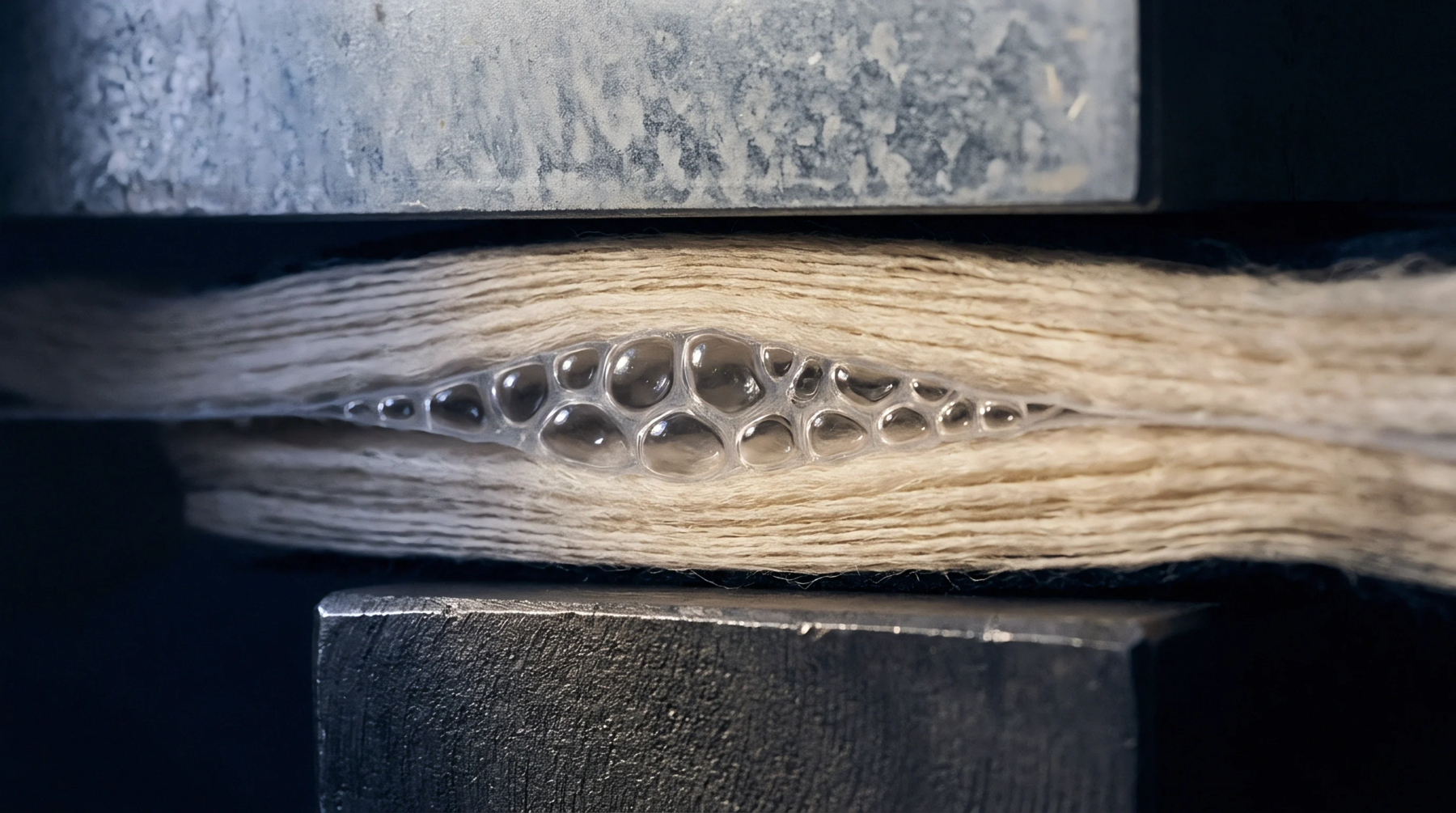
Subcontracted wet processors transfer PFAS risk to buyers unless contract flow down mandates chemical batch testing and inventory cross-verification.
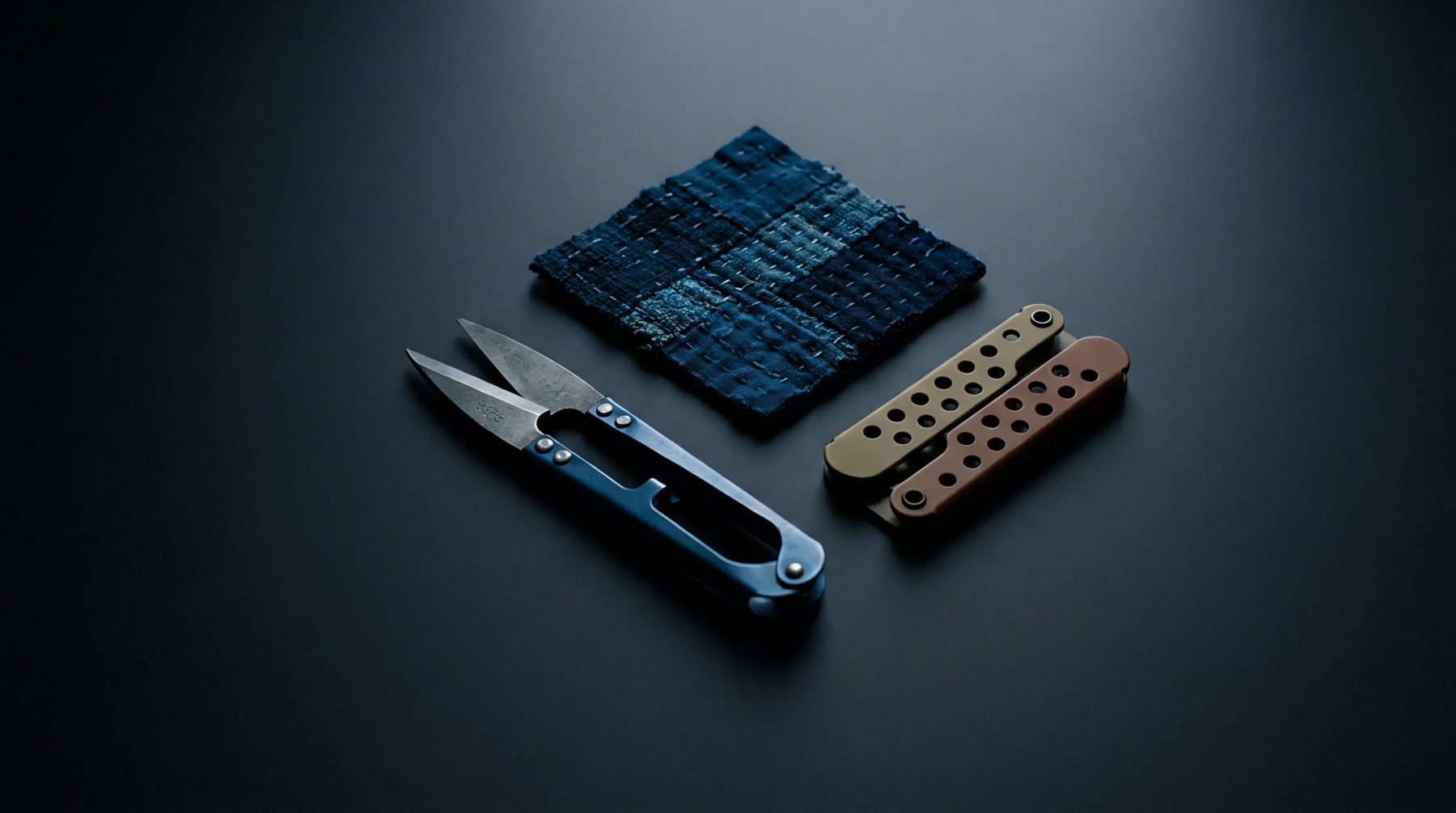
Cross-sectional dye exhaustion in heavy cotton duck demands high liquor velocity and slow bath exhaustion to eliminate core ring dyeing and surface crocking.
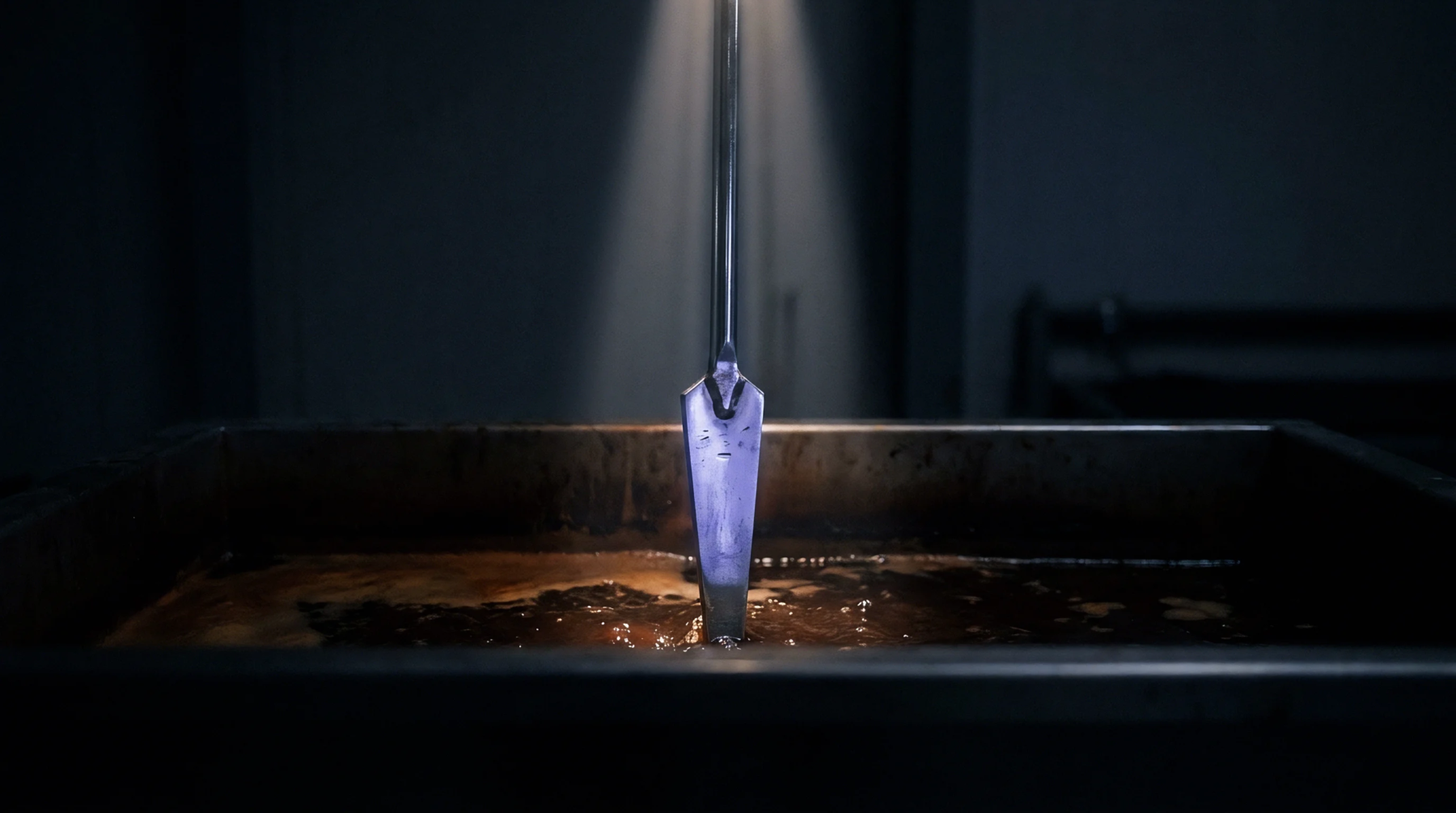
Water bath extraction per ISO 14184-1 quantifies free formaldehyde in textile membranes via 40°C incubation and acetylacetone spectrophotometry at 412 nm.

Establishing modified ISO 1833 extraction parameters requires acid pre-hydrolysis and calibrated d-values to ensure accurate gravimetric blend analysis.
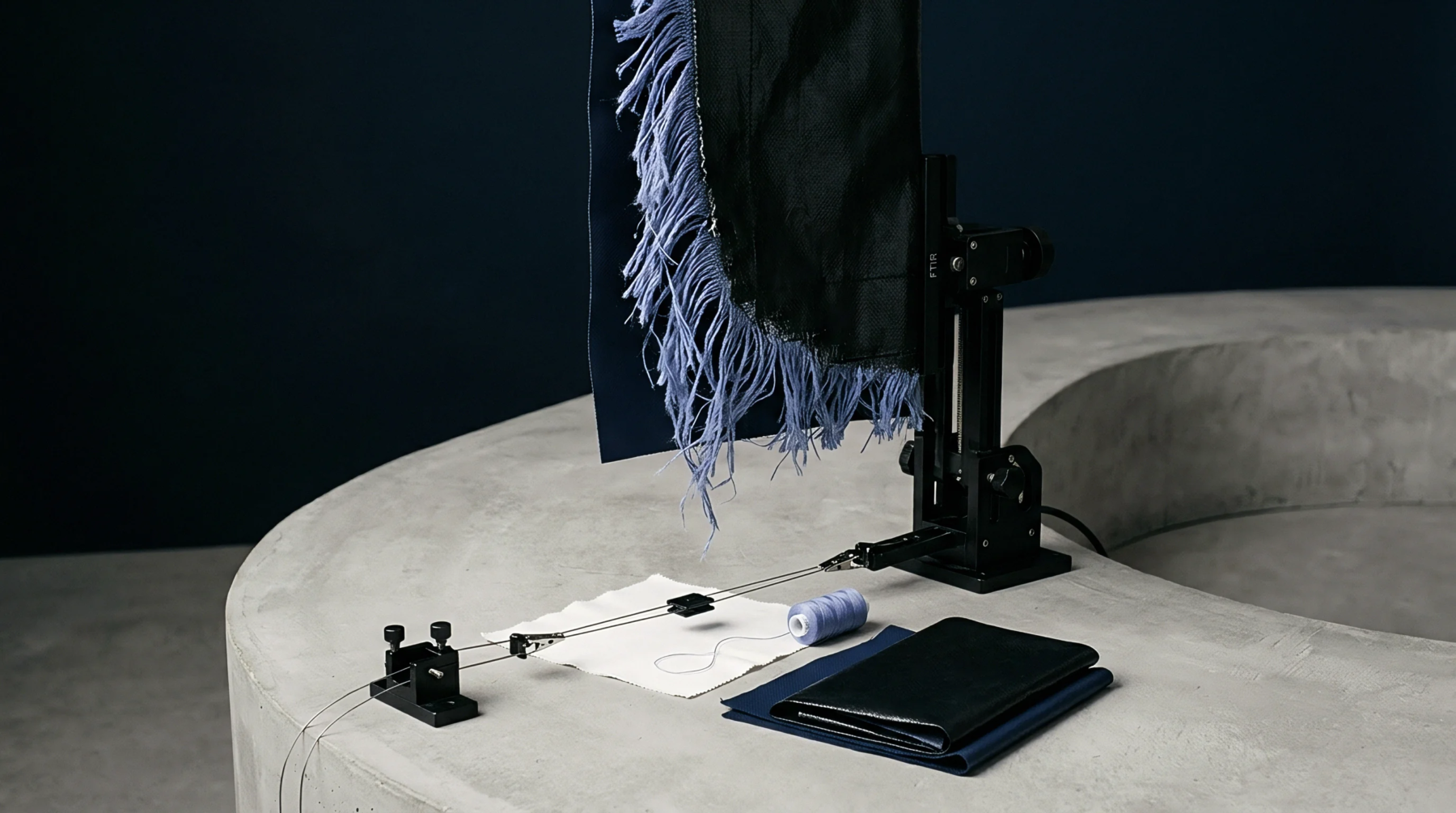
Water extract pH compliance demands verifying extraction media, liquor ratios, and destination border standards to prevent costly port detentions.
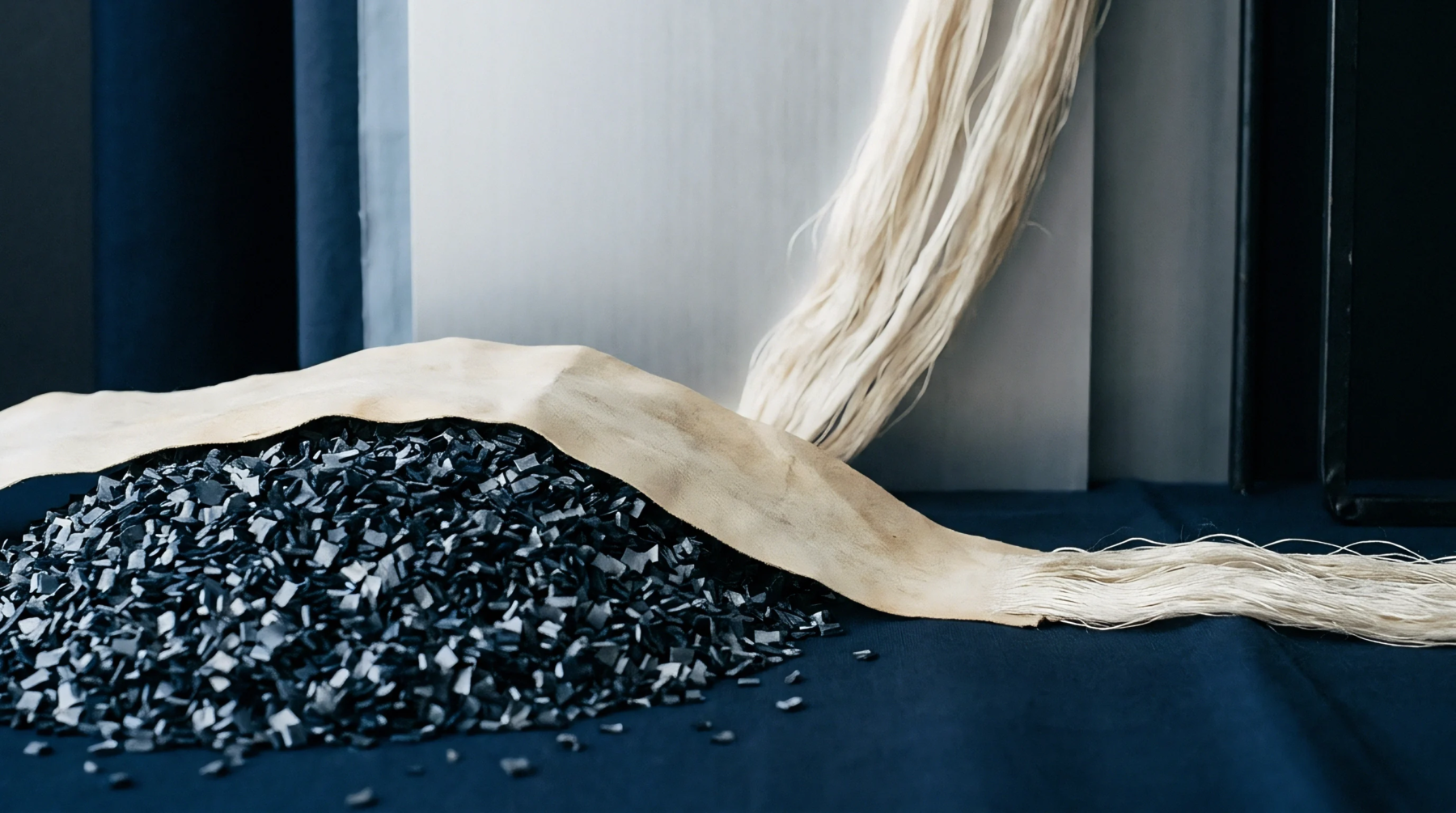
Counter-current cellulosic washing rate constant models optimize bath temperatures and intermediate nip squeezes to maximize solute extraction per litre of water.
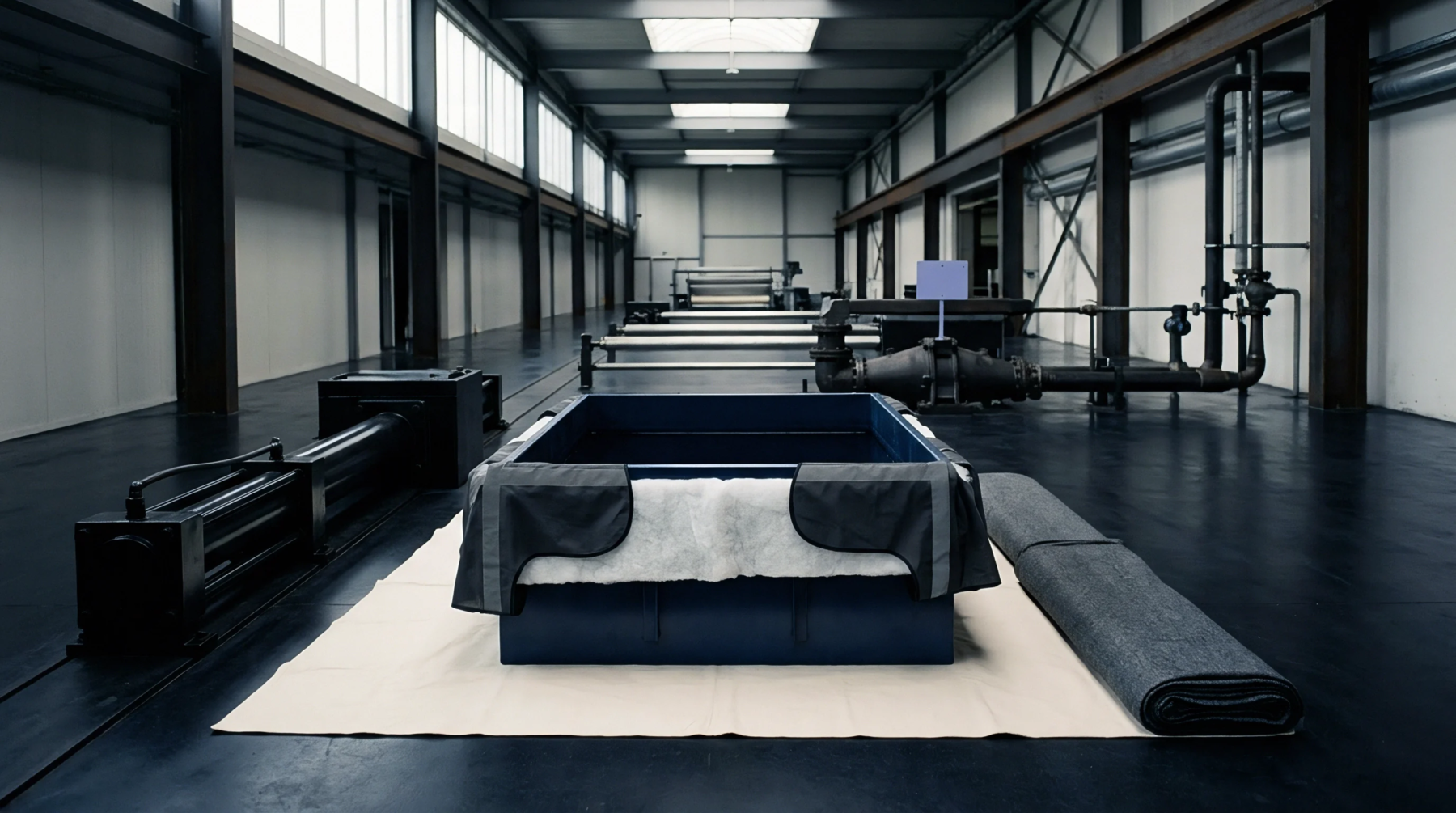
Predictive mass balance models isolate dry chemical add-ons during quantitative testing to protect declared fibre blend ratios under customs audits.

Active digital valve throttling stabilizes liquor circulation and port pressure balance across rapid heating ramps, preventing unlevel shade formation.
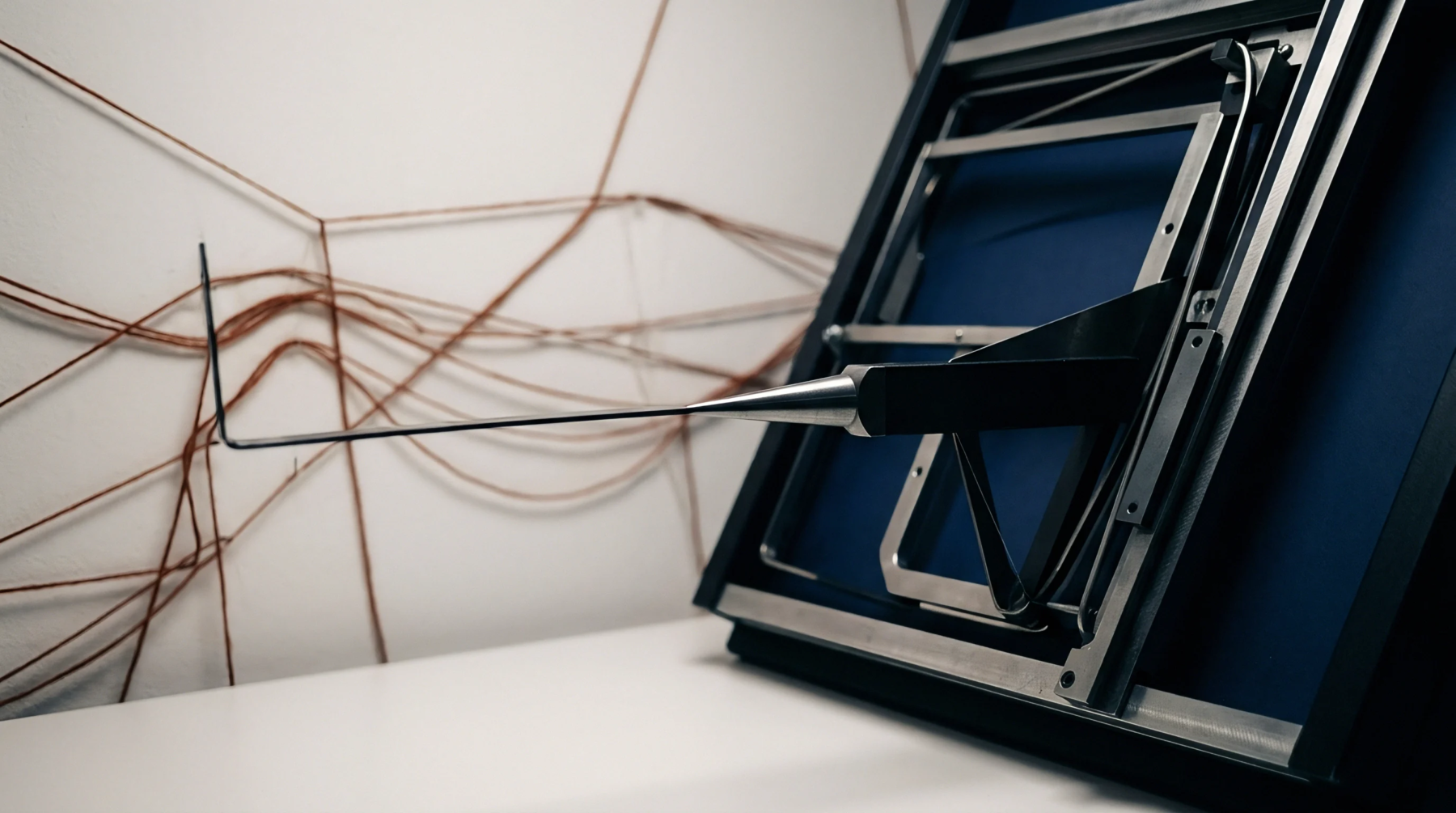
Electromagnetic magmeters with PFA linings provide accurate dyebath velocity monitoring at 130°C while differential pressure taps require purge lines.

Differential pressure balancing across multi tube soft flow dyeing machines prevents tube to tube shade variation and physical fabric surface abrasion.
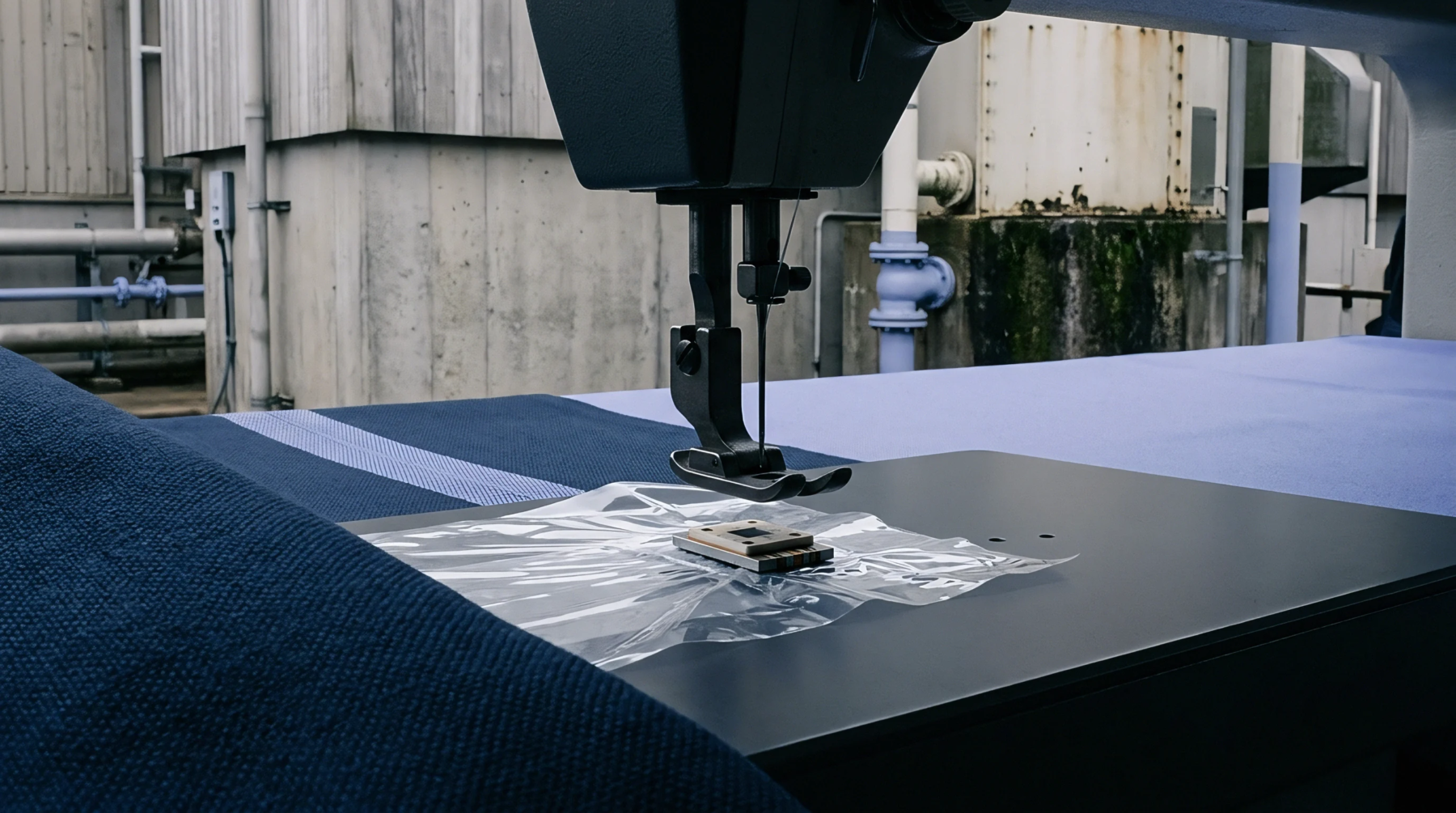
Dynamic hydrodynamic balancing synchronizes venturi liquor velocity with lifter reel speed, eliminating shear pilling and rope marks on micro denier synthetics.
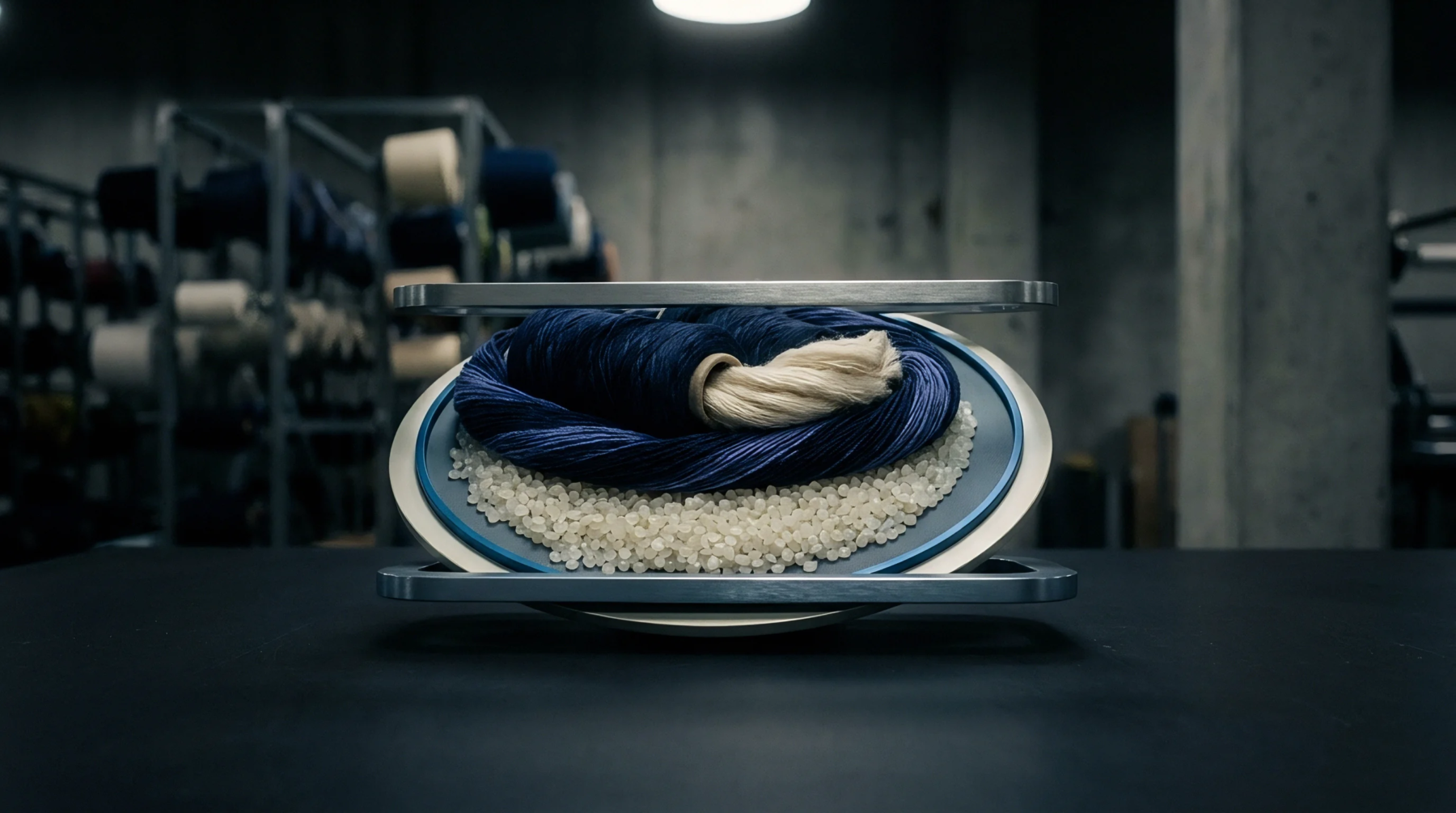
Predicting companion polymer hydrolytic degradation rates requires adjusting rate constants for crystalline diffusion barriers and catalyst consumption.
High cover factor cellulosic wovens require controlled alkali dosing and minimum 0.6 bar venturi differential pressure to prevent swelling-induced core un-dyed defects.

Swollen cotton twill fibers restrict jet dye liquor flow by reducing void volume, requiring calibrated nozzle diameters and lower pump pressures to prevent unlevelness.
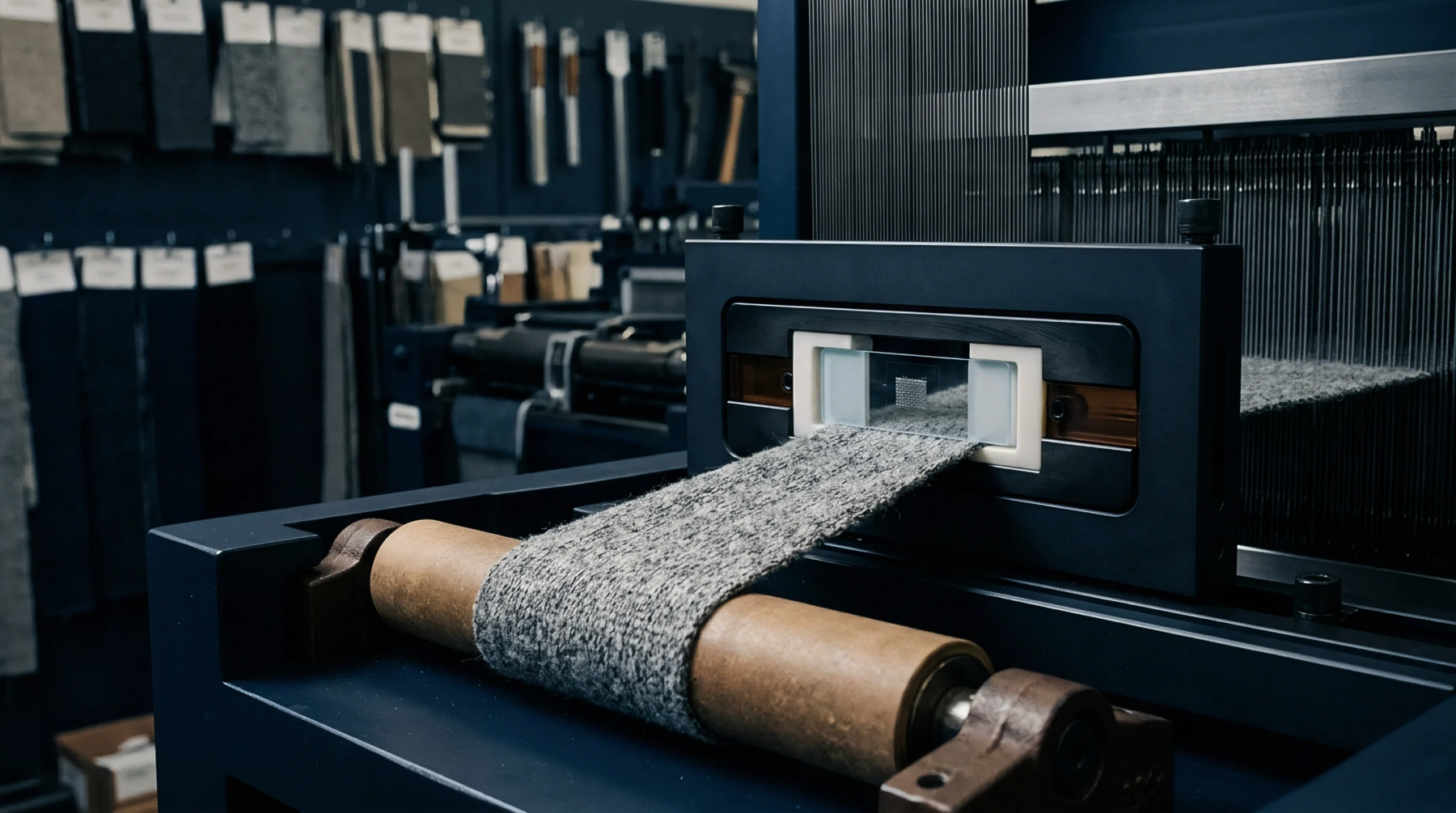
Calibrating diffusion rates, temperature gradients, and shear forces prevents non-target cellulose degradation during quantitative binary fiber extraction.

Polyether elastane hydrolysis kinetics accelerate exponentially above 80 C, demanding strict pH control and extracted core tensile tests to prevent latent bagging.
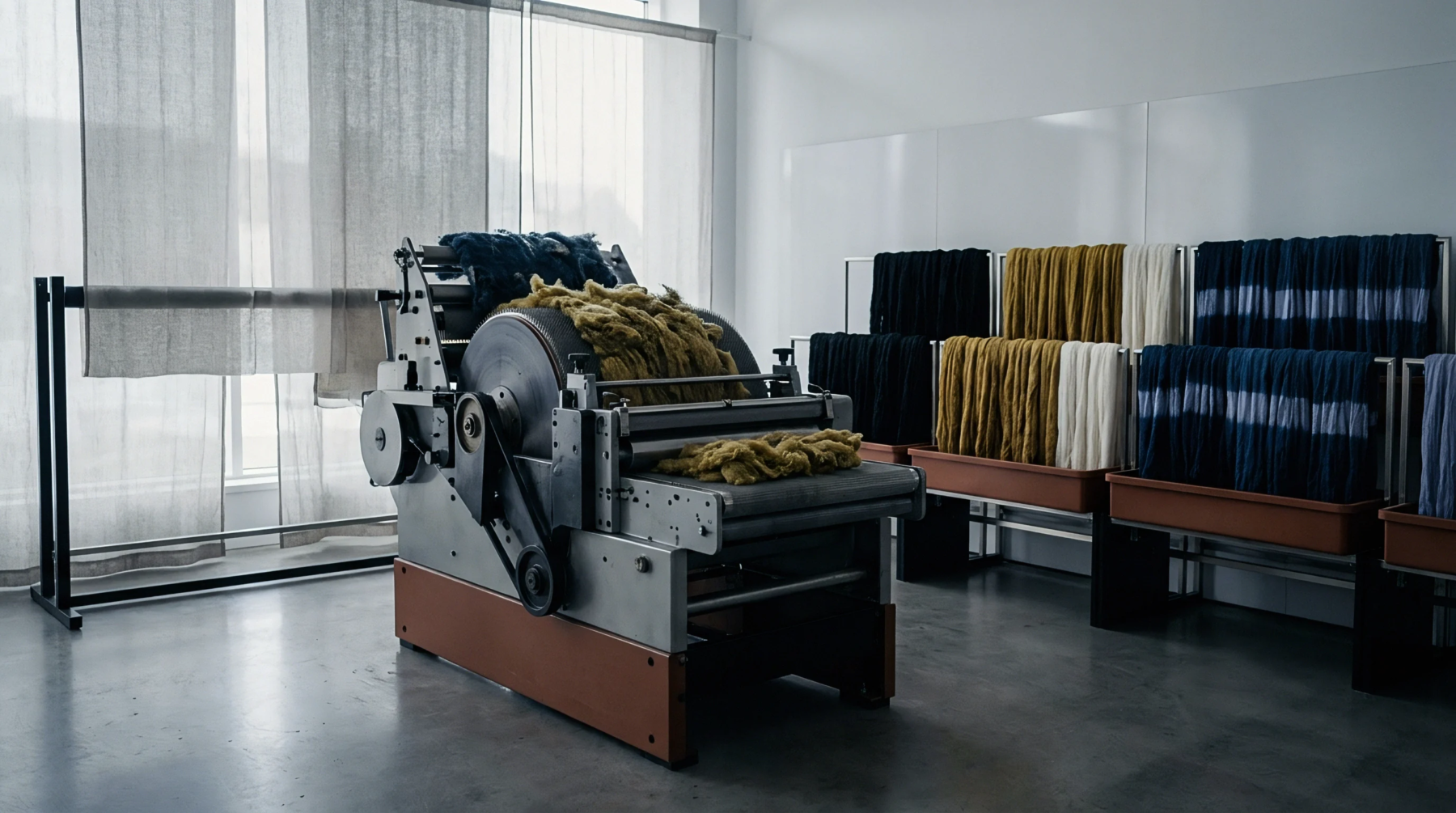
Maintain rope cycle time between 45 and 60 seconds by matching venturi diameter to pump volumetric flow, preventing hydraulic surface abrasion and rope crease marks.
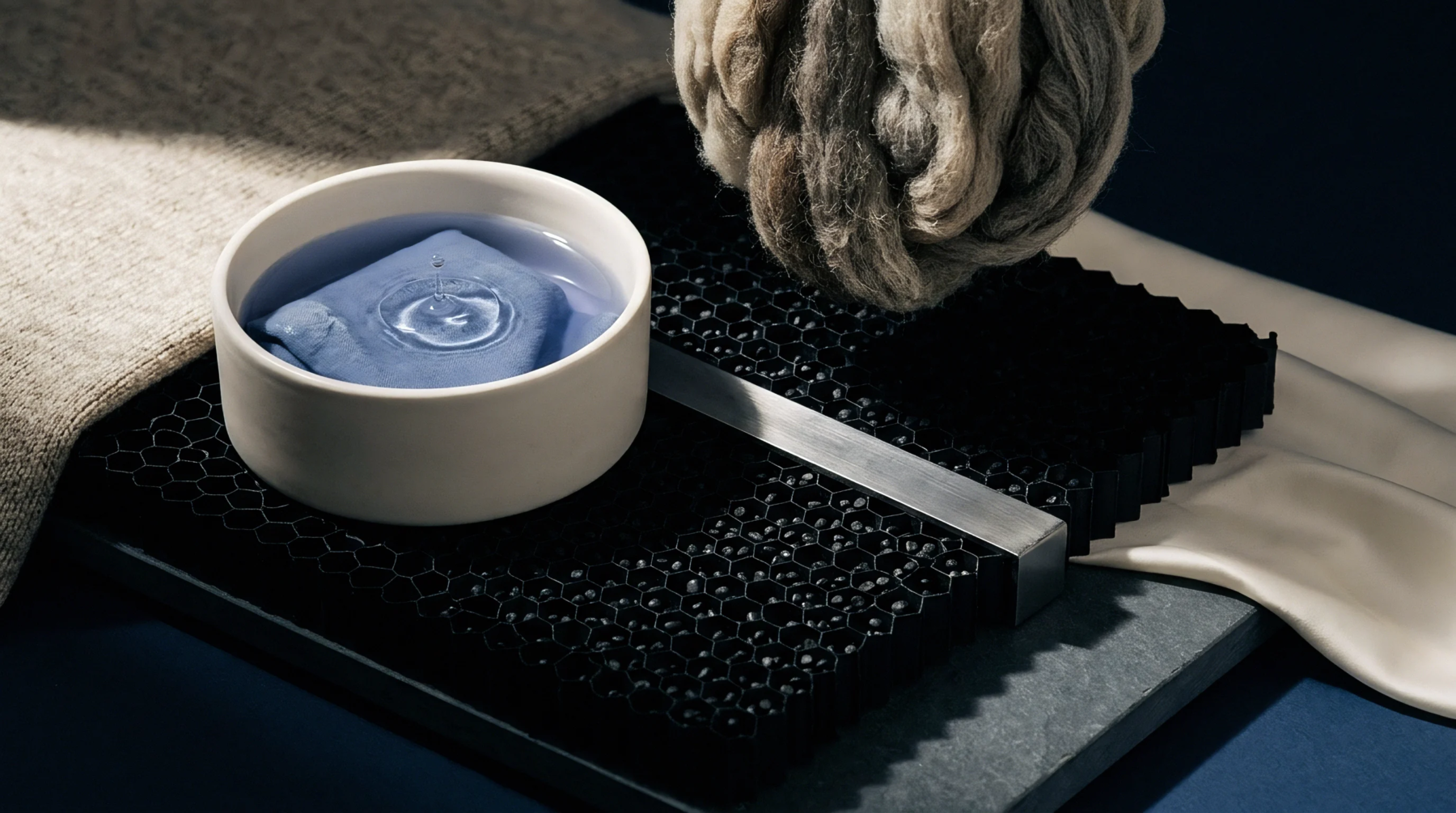
Partial load exhaust dyeing requires mechanical displacement or formula offsets to prevent bath dilution from altering exhaustion kinetics and lot colour.
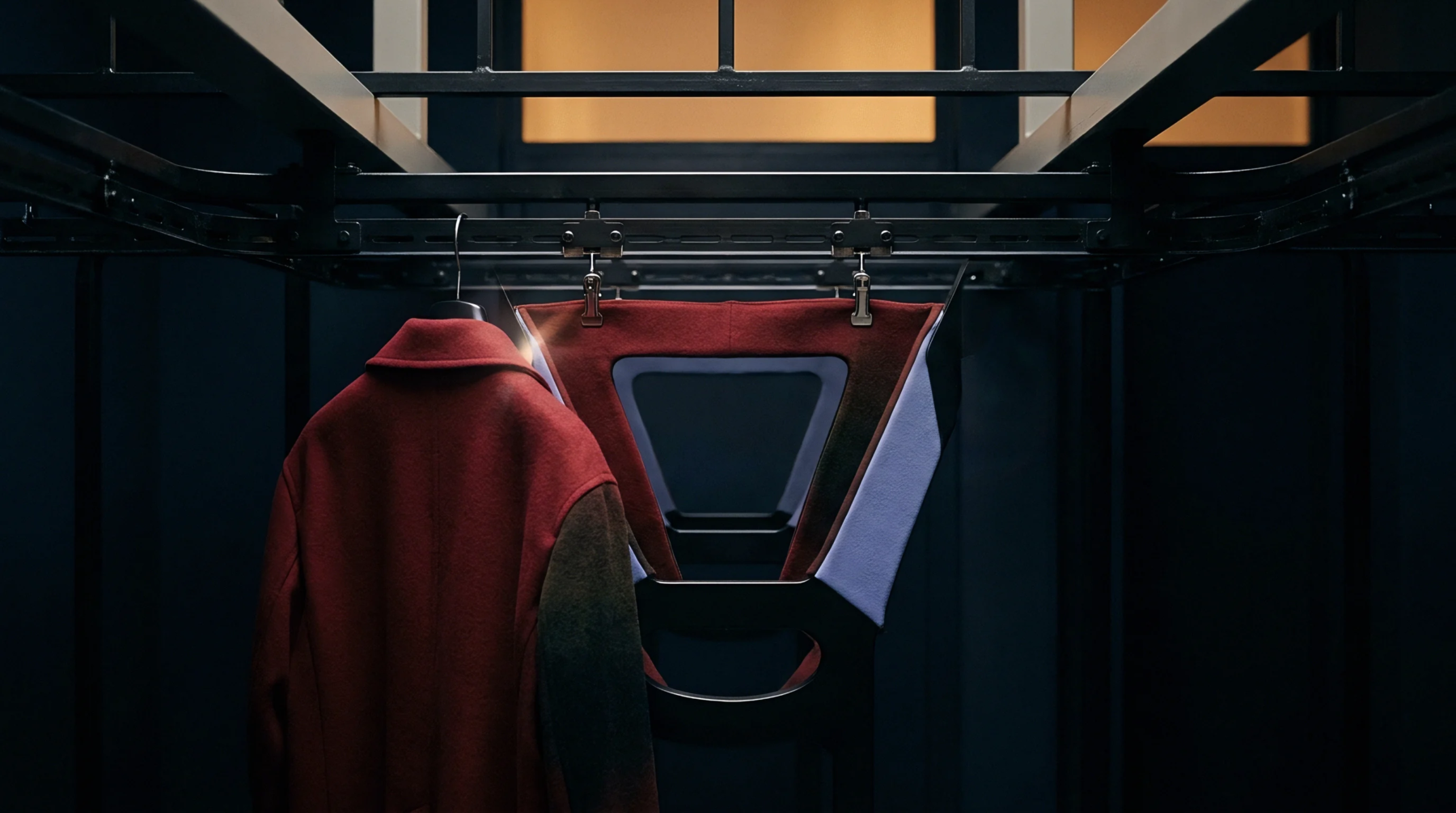
Boundary layer thinning under high nozzle shear accelerates convective dye transport, requiring matched rope cycle speeds to prevent severe longitudinal listing.

Transitioning from continuous to batch wet processing trades uniform tension for fiber relaxation, increasing fabric density and lot variance below 4,000 meters.

Heterobifunctional dye fixation on swollen cellulosic knits couples vinyl sulfone addition and triazine substitution to maximize wash fastness and loop stability.

Maximize reactive dye fixation on cellulosic knits by coupling short liquor ratios with progressive parabolic alkali dosing to suppress hydrolysate formation.
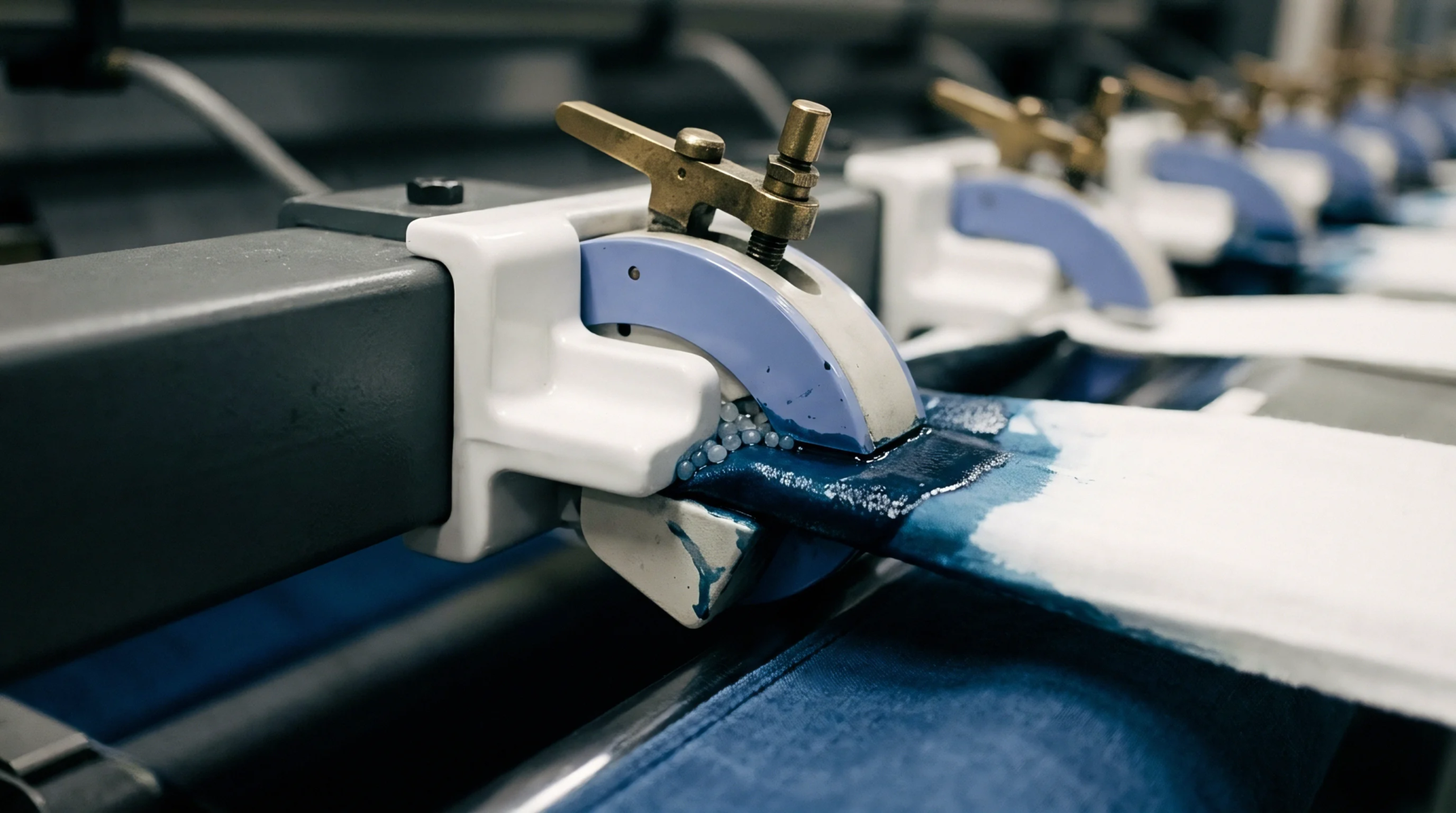
Graduated electrolyte dosing suppresses cellulosic surface repulsion, pacing dye uptake before alkali addition to prevent unlevel strike and costly re-dyeing.
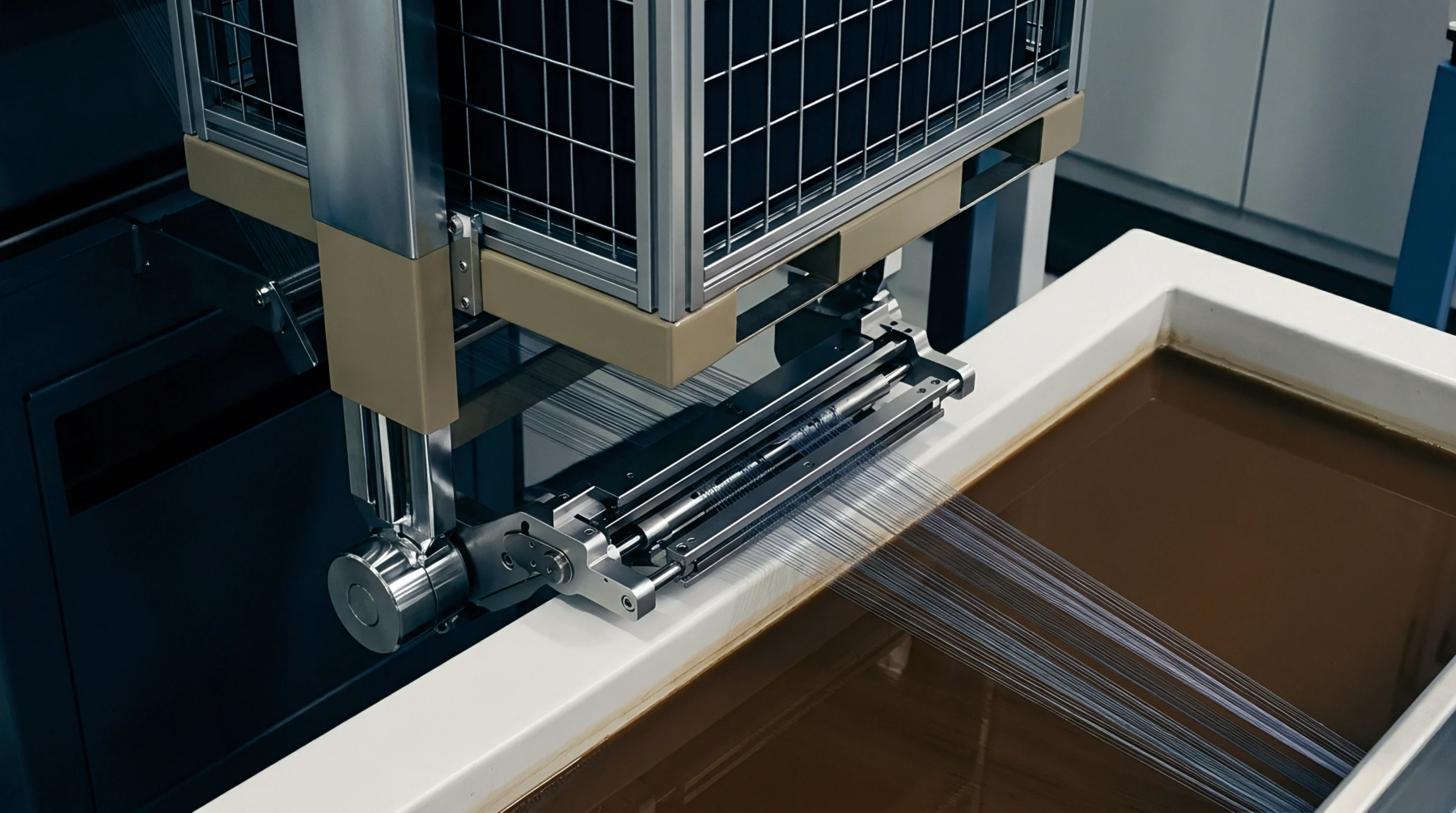
Continuous dyeing eclipses exhaust jet processing on direct manufacturing cost once run lengths surpass 3,200 finished metres for mid-weight woven twills.
Balance venturi differential pressure with exponential salt dosing to force dye through dense multi-ply cotton plies, preventing ring dyeing and crock failures.
Low liquor jet dyeing of heavy duck yields ten cent per metre savings but demands precise nozzle sizing and metered dosing to prevent unfixable rope creases.
Determine light woven jet nozzle sizing by matching compressed rope cross-section plus forty percent liquor annulus area to prevent abrasion and creases.
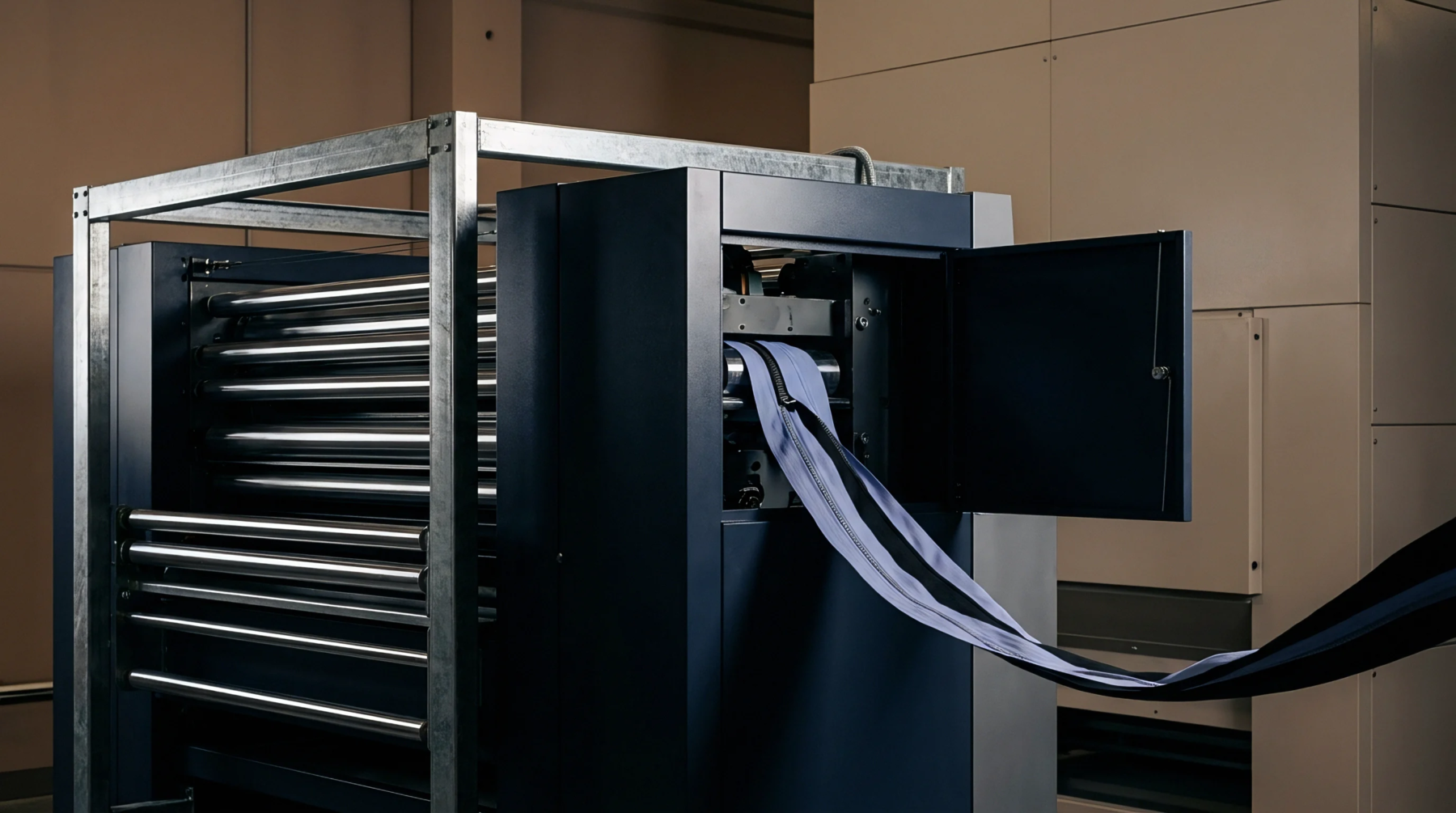
Polyether elastane undergoes rapid hydrolytic urethane scission at 130C, cutting tenacity by thirty percent when jet nozzle shear accelerates degradation.
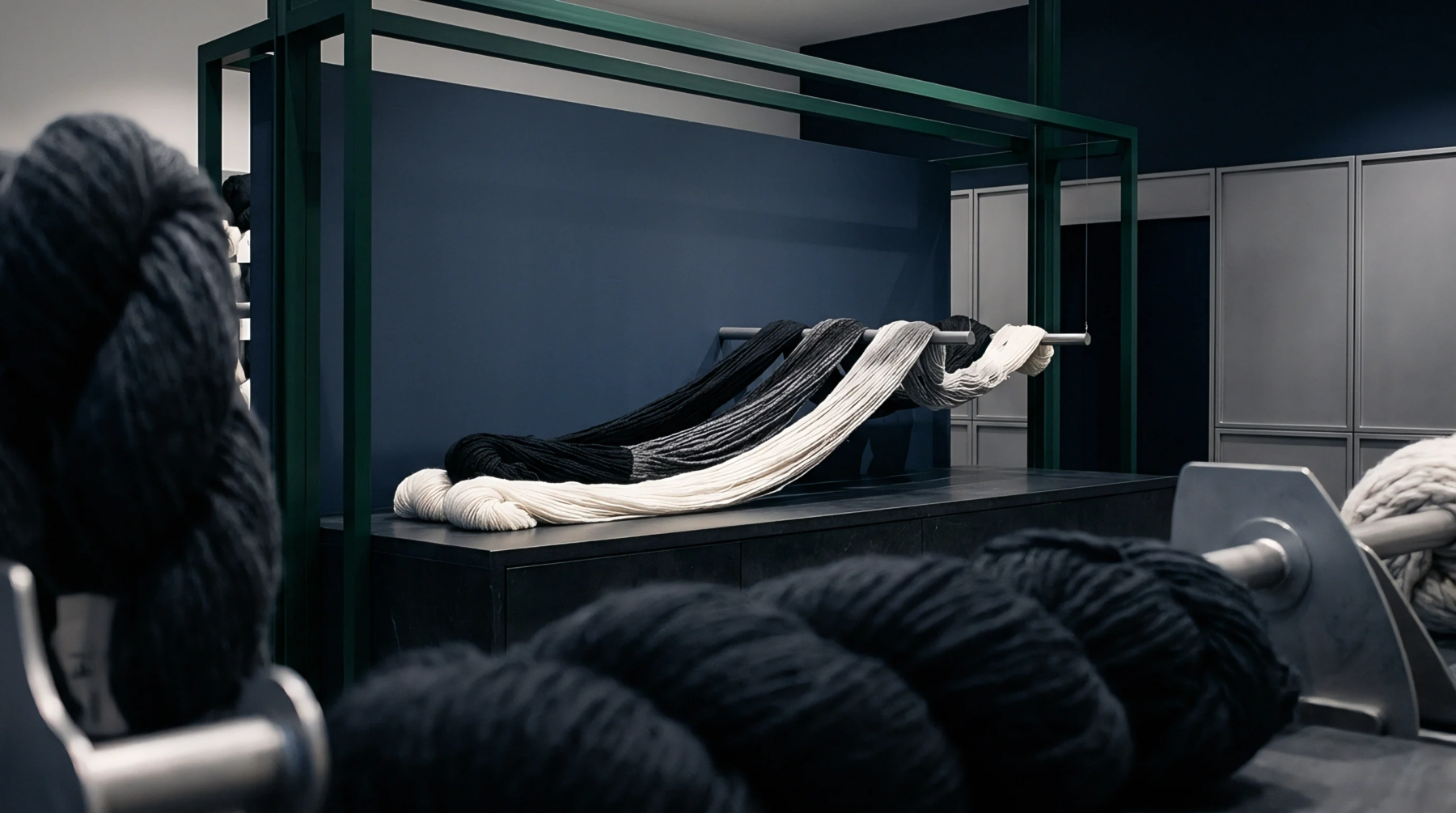
Controlling reactive dye exhaustion kinetics on combed cotton requires controlled electrolyte dosing, metered alkali introduction, and optimal liquor flow.
Expertise is a utility, not a secret. sentiention™ publishes its working knowledge as open reference: intelligence layer covering the materials it sources, the markets it enters, and the reference that serves both.