
Jet Jig and Pad Batch Routes for One Cotton Twill
Cold pad-batch dyeing prevents crease marks and cuts energy costs on heavy cotton twill, whereas jet dyeing risks surface friction damage in dark shades.
Cold pad-batch dyeing prevents crease marks and cuts energy costs on heavy cotton twill, whereas jet dyeing risks surface friction damage in dark shades.
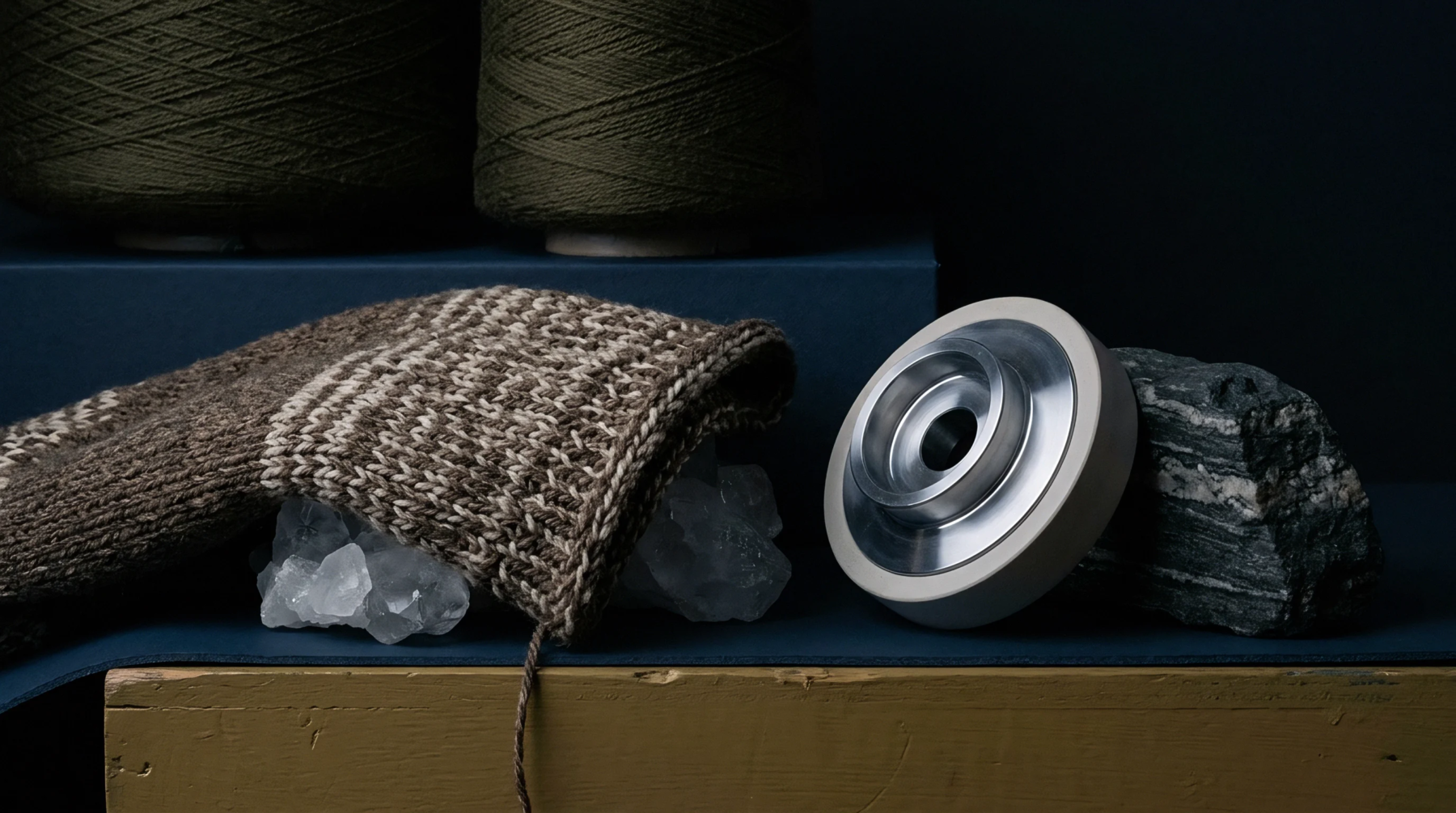
Fibre composition dictates physical durability, moisture regain, dye chemistry, and customs classification before spinning machinery turns.

Fabric performance depends on greige interlacing geometry, wet processing relaxation, and multi-mill supply chain lead times.
Lowering liquor ratios elevates dye exhaustion efficiency in heavy twills but demands precise flow control to prevent core-ring shading and crocking failure.
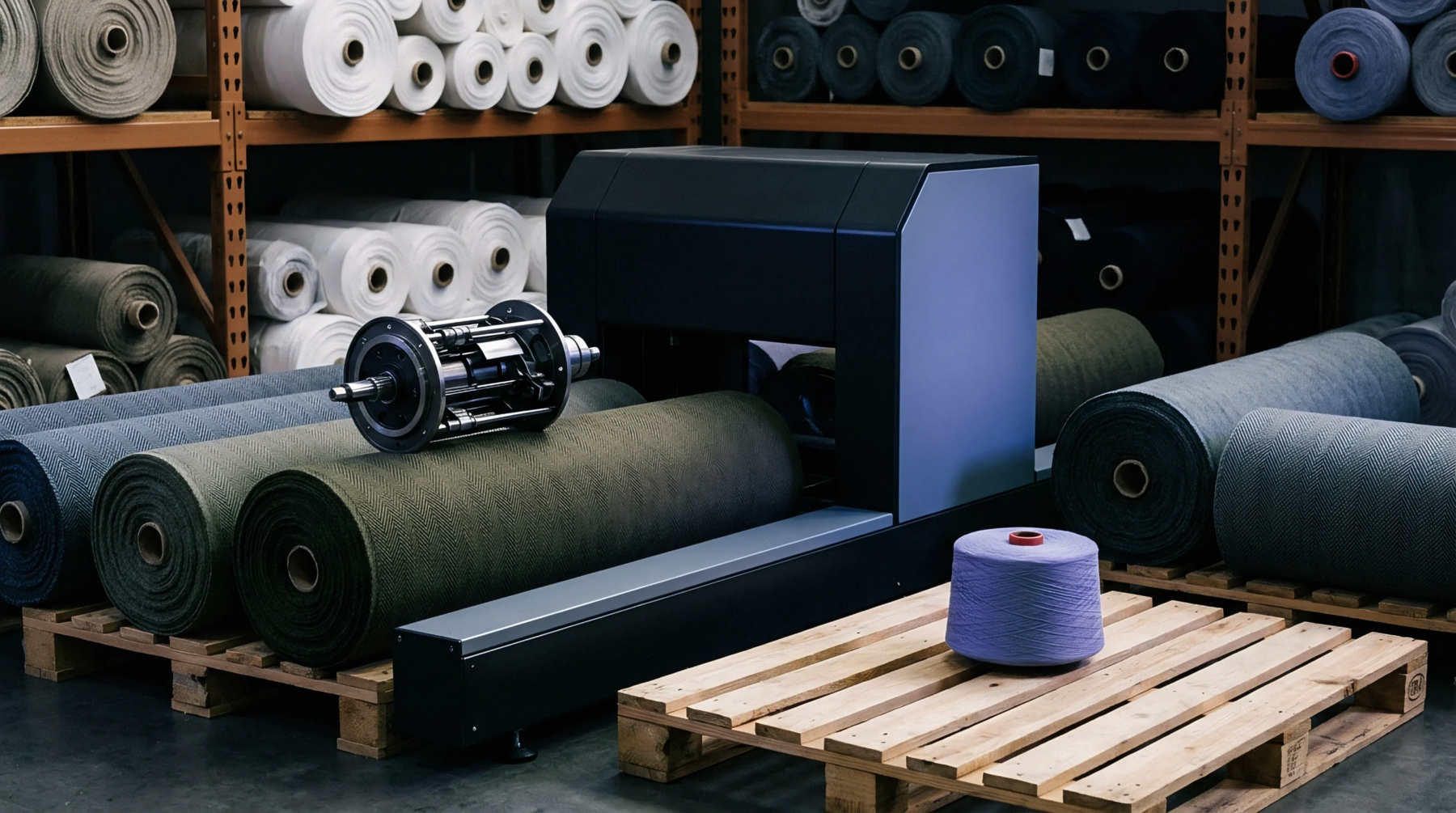
Long term greige storage transfers financial risk from yarn pricing to wet processing variance, requiring strict storage controls and clear dyehouse testing bounds.
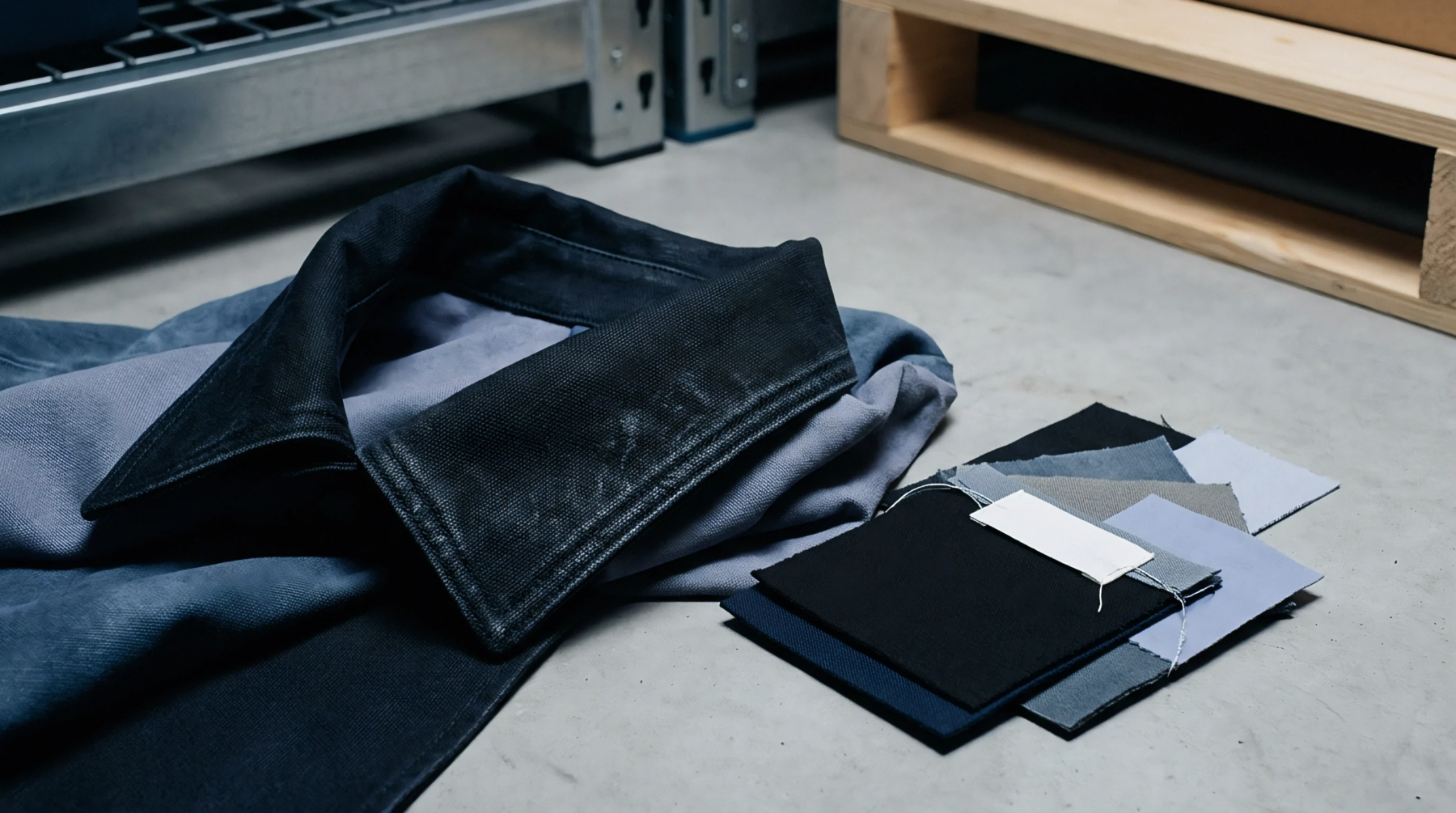
Progressive exponential salt dosing prevents surface strike spikes and forces reactive dye penetration into heavy cotton duck yarn cores.

Low liquor ratio jet dyeing accelerates reactive dye hydrolysis; controlling progressive alkali dosing and boundary layer velocity prevents fabric shade failure.

Cold pad batch dyeing of dense twills requires low-volume trough turnover, dual-component alkali dosing, and precise rotation to eliminate tailing and core defects.

Dynamic control of ambient regain, pad bowl deflection, wet-bulb drying temperatures, and steam saturation halts continuous shade drift across variable weather.
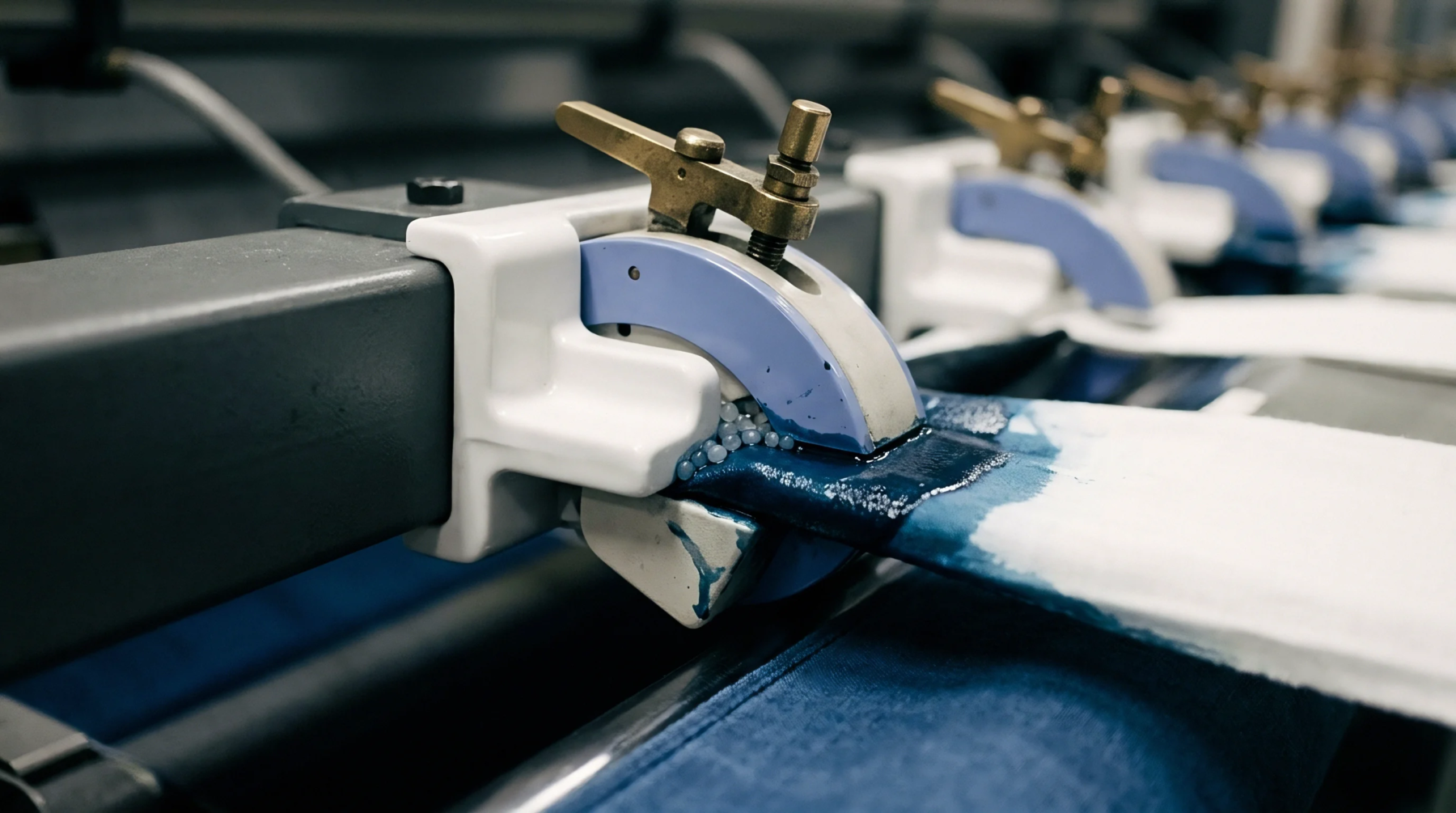
Dense fabric wash-off requires electrolyte removal below 1 g/L before 95°C soaping to extract residual hydrolyzed dye without fastness failures.

High warp cover factors reduce fabric liquid permeability, requiring wider rectangular nozzles and slower heating ramps to prevent surface shade unlevelness.
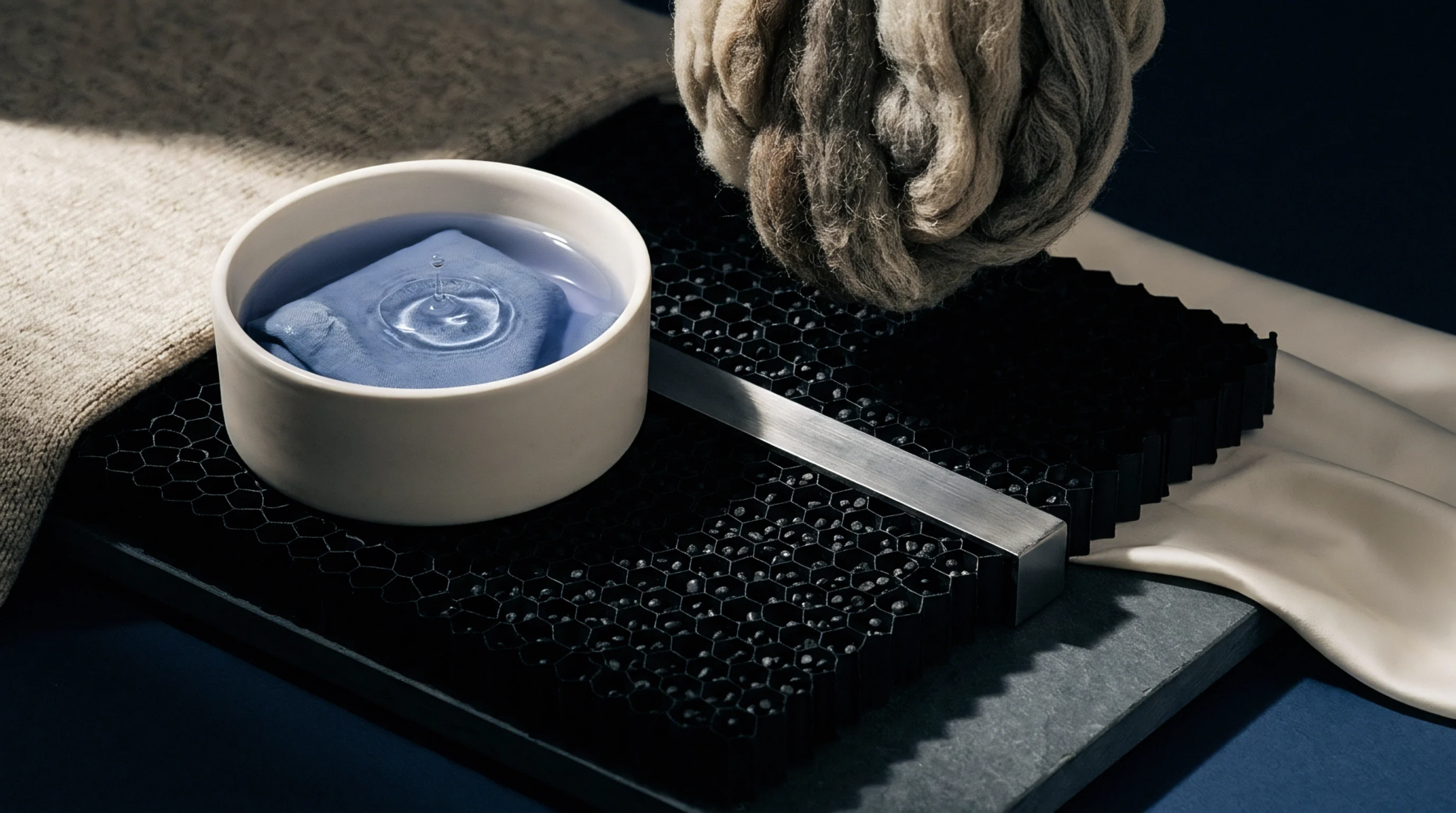
Cellulosic reactive exhaust dyeing requires strict pH and temperature ramp control to minimize nucleophilic hydrolysis, maximize covalent yield, and prevent fastness failure.

Establishing dual-route printing tolerances requires CIEDE2000 spectral limits under D65/TL84 illuminants paired with strict ISO 105 fastness verification.
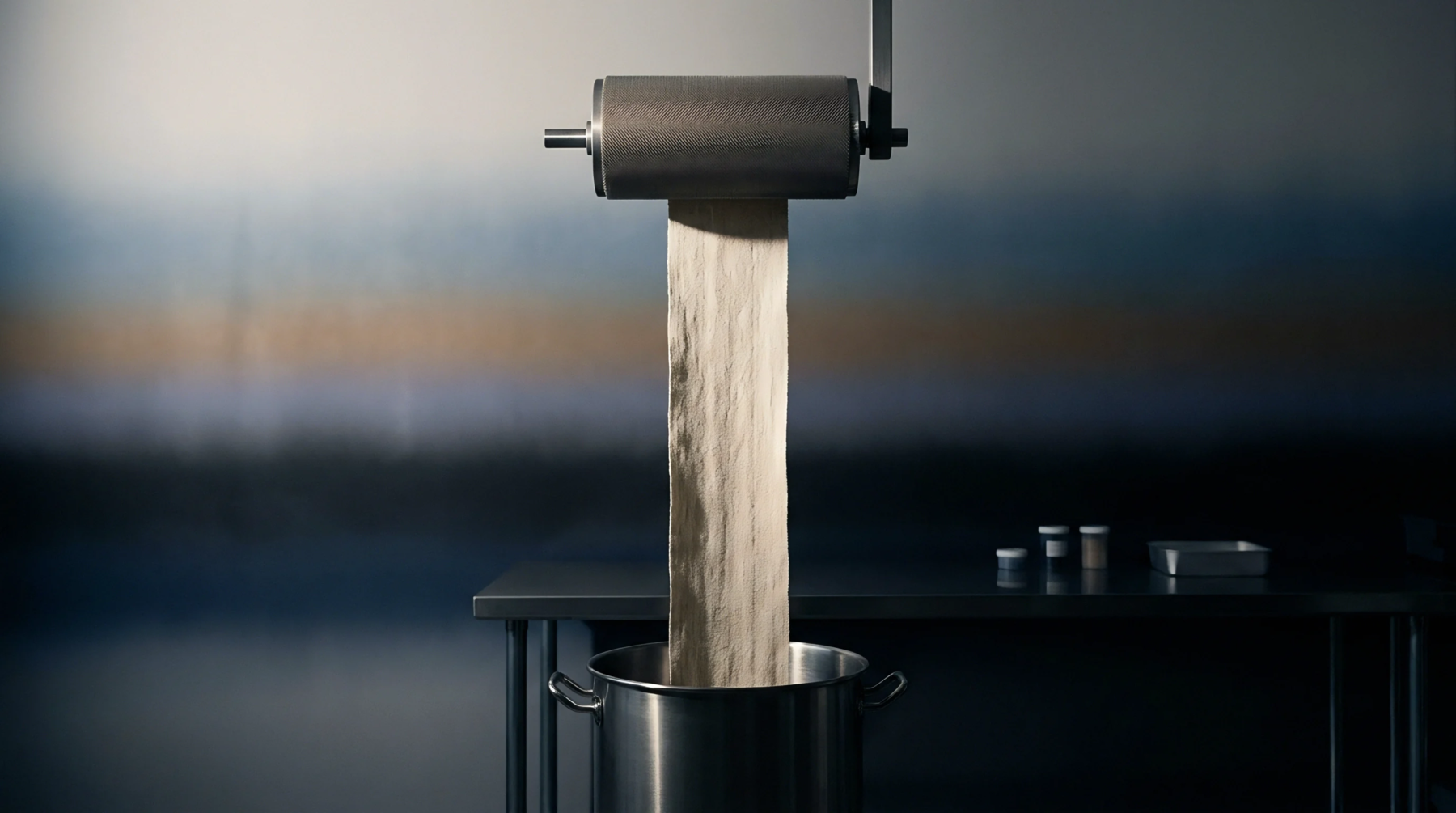
Dynamic psychrometric compensation continuously balances evaporation and pickup in pad boxes, preventing dyestuff molarity drift and head-to-tail shade defects.

Fabric specifications mandate exact finished thread densities, stitch lengths, and test conditions to enforce supplier compliance and control landed costs.

Optimizing liquor ratios requires balancing steam and salt savings against pump turnover rates to prevent severe shade unlevelness and mechanical creasing.

Low liquor ratio cotton dyeing demands progressive alkali profiling to suppress early hydrolysis, match bath exhaustion, and eliminate bulk shade streakiness.
Continuous pad dyeing of cellulosic blends requires precise wet pickup control, anti-migrant chemistry, and strict thermal limits to prevent shade listing.
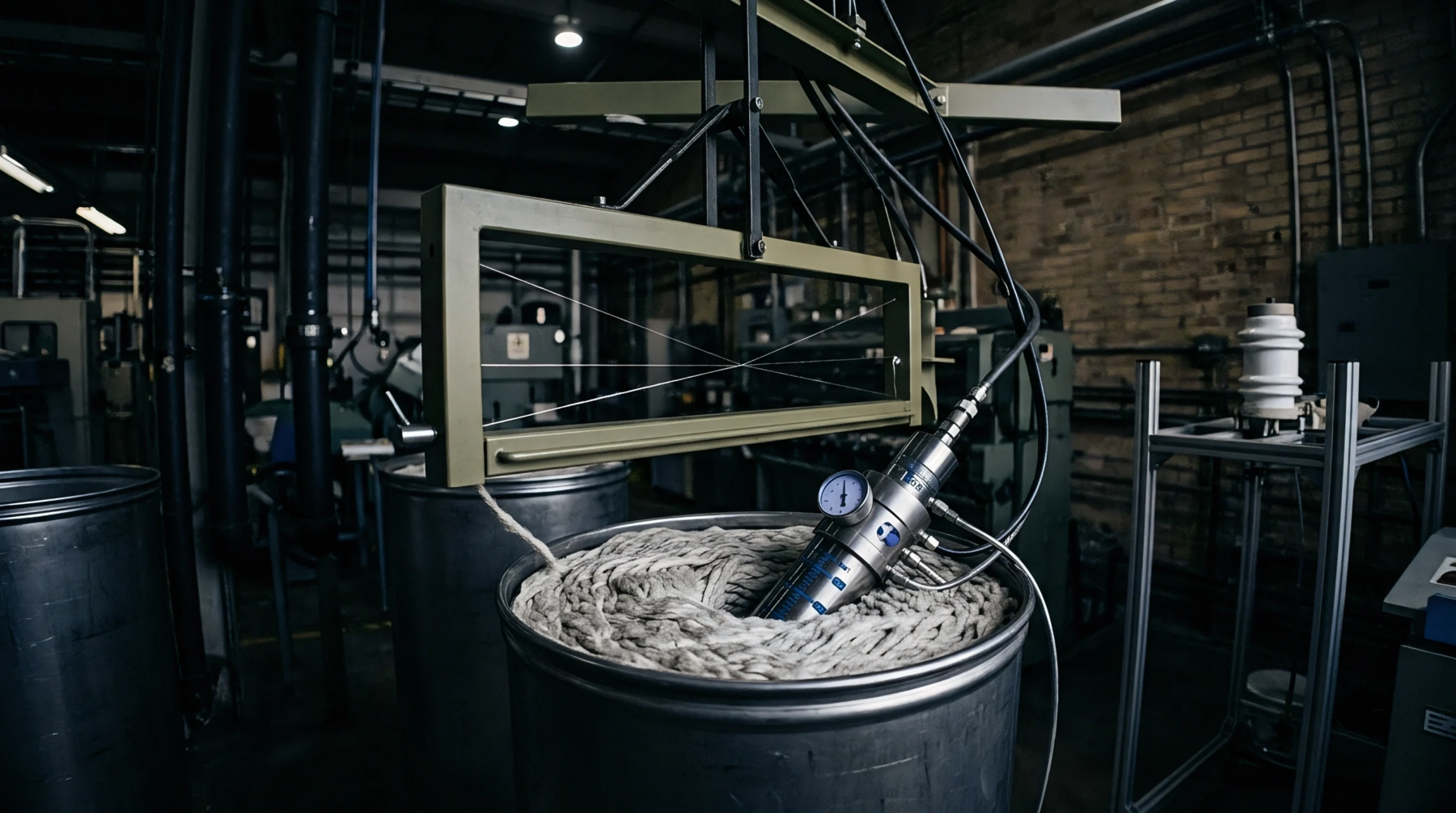
Low liquor ratio jet extraction of hydrolyzed reactive dyes demands high thermal energy combined with prior electrolyte removal to shift partition equilibrium.
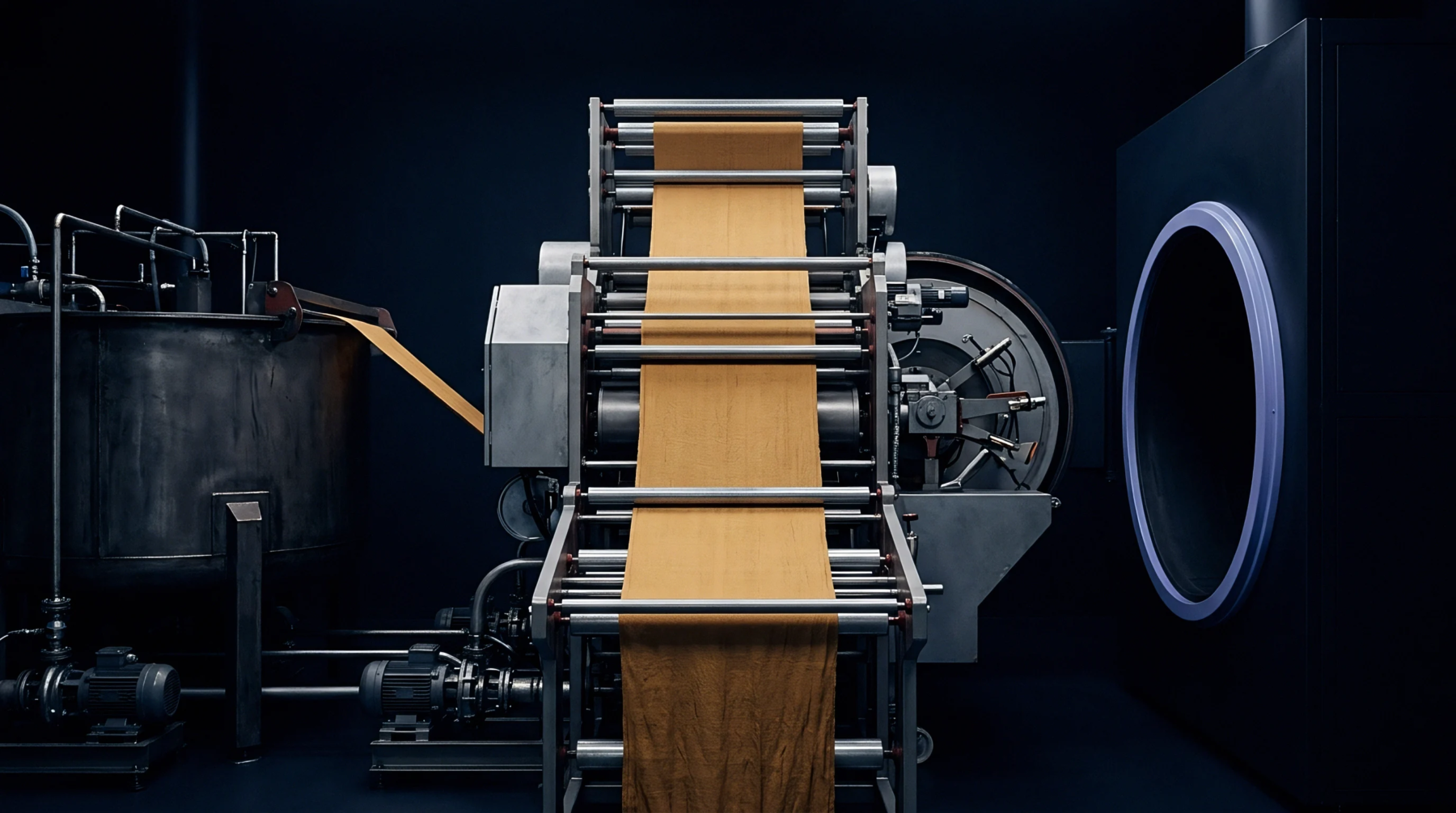
Determining the run length crossover requires balancing rotary screen engraving overhead against high digital ink costs at the precise yardage where unit expenses equalize.
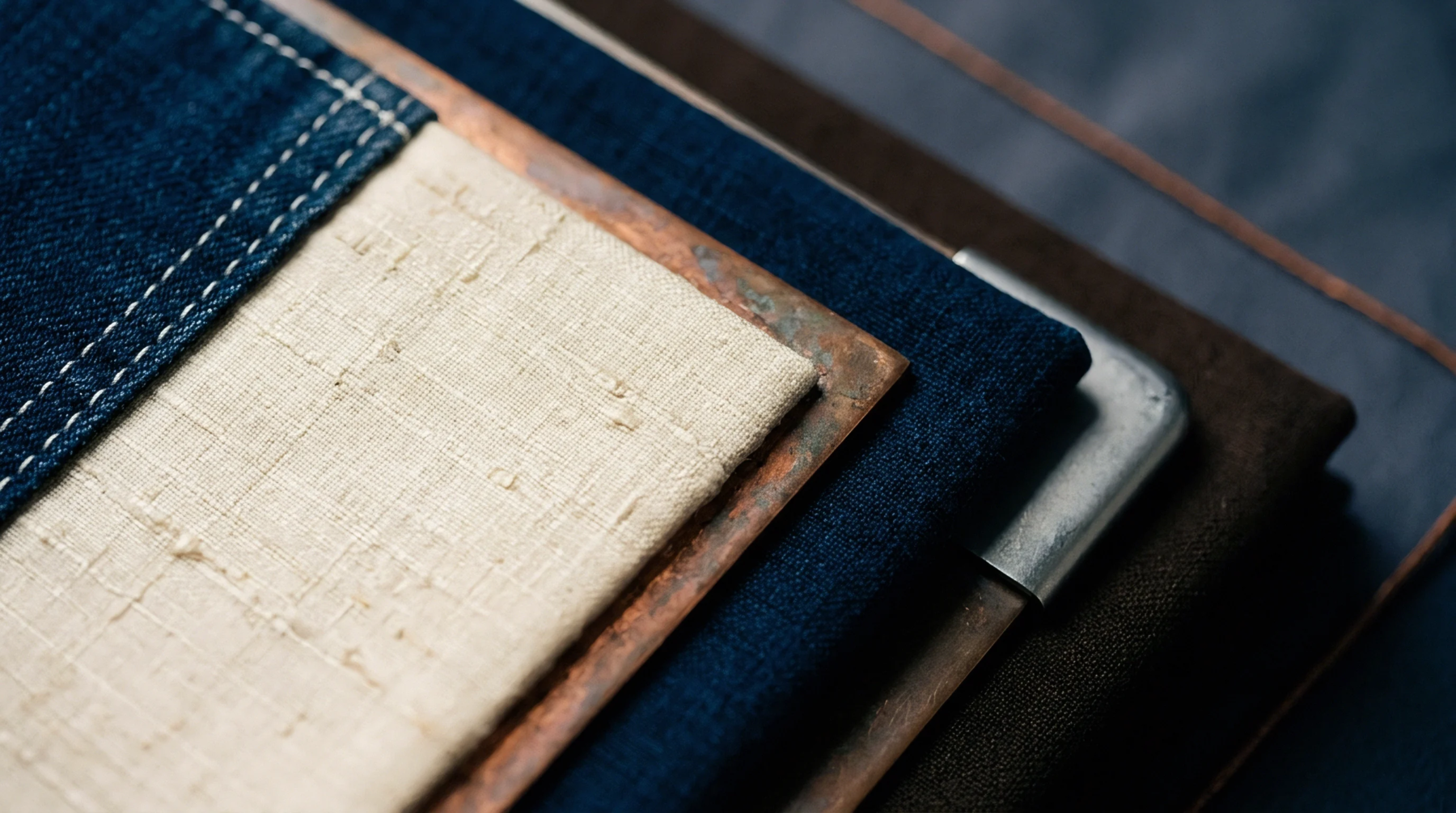
Dynamic web tension locks yarn crossovers into high-resistance capillary slit pores, requiring controlled positive overfeed to maintain open fluid transport.

Controlled progressive alkali dosing matches jet fabric loop velocity to eliminate surface fixation spikes and secure level shade fixation on cellulosic cloth.
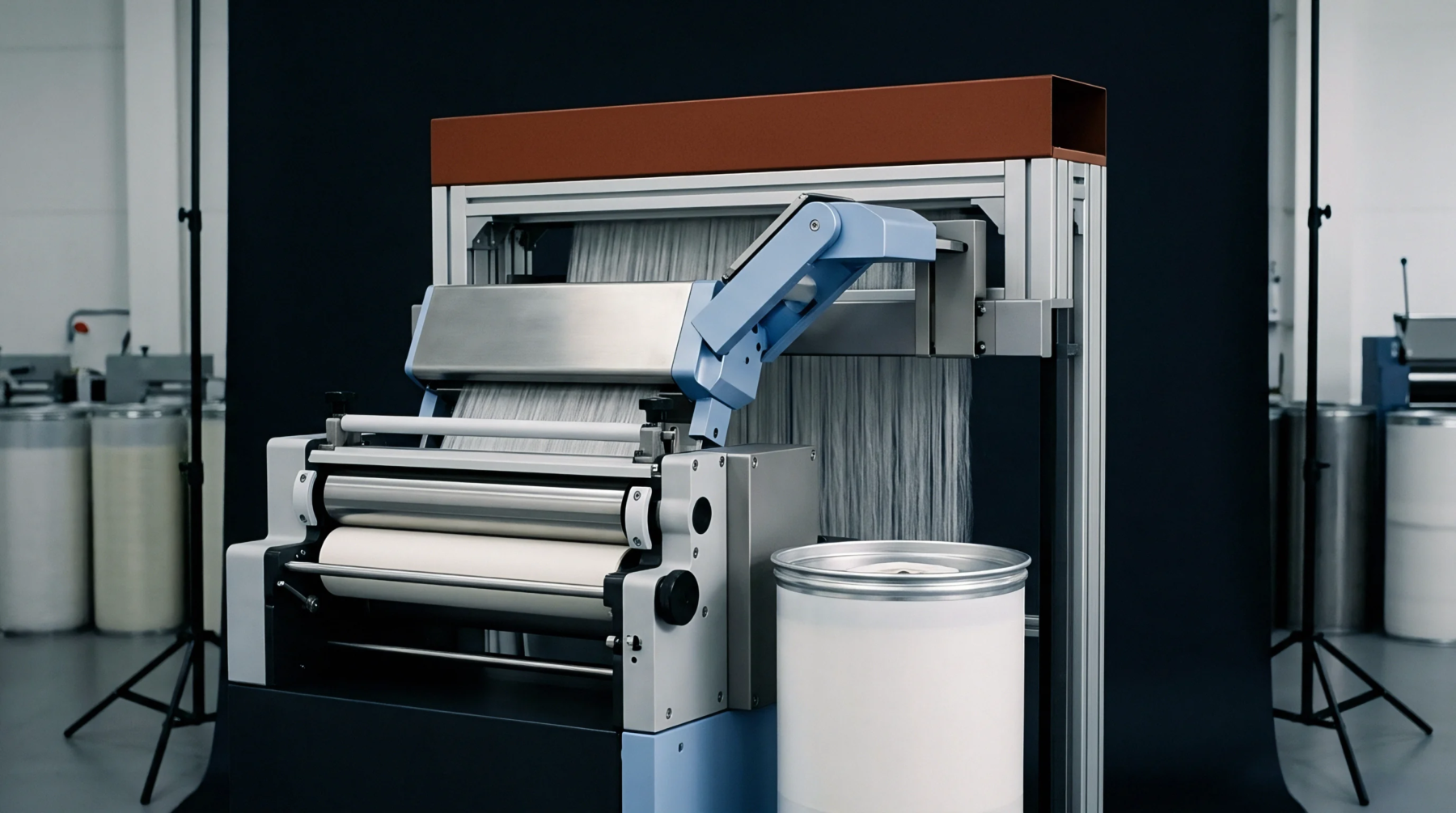
Declining repeat volume forces shifts from continuous to exhaust routes, driving up unit setup waste, expanding liquor ratios, and requiring wider shade tolerances.
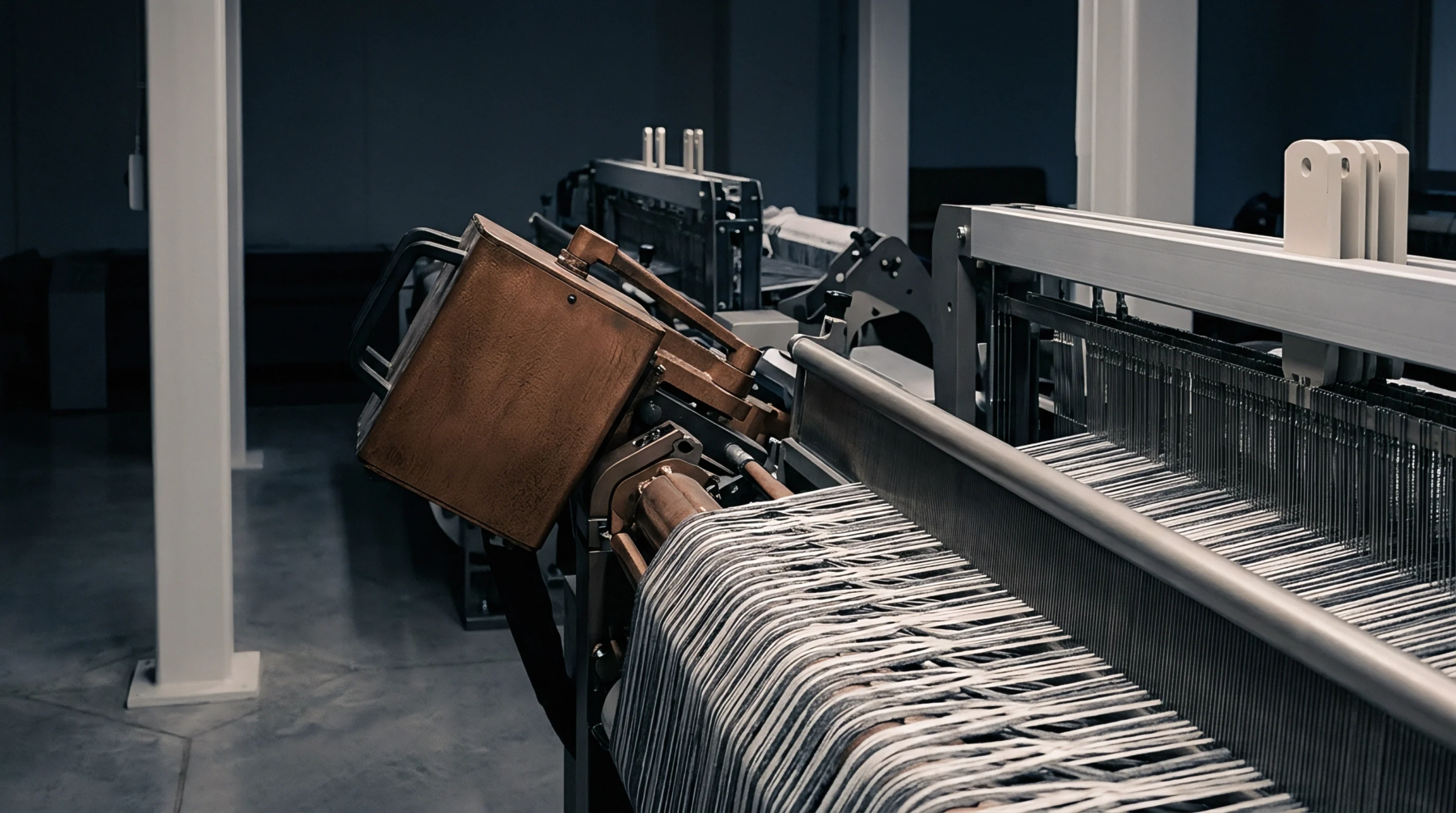
Statistical skip lot schemes lower textile testing costs only when dye house inputs stay locked and failure triggers force instant 100 percent re-inspection.
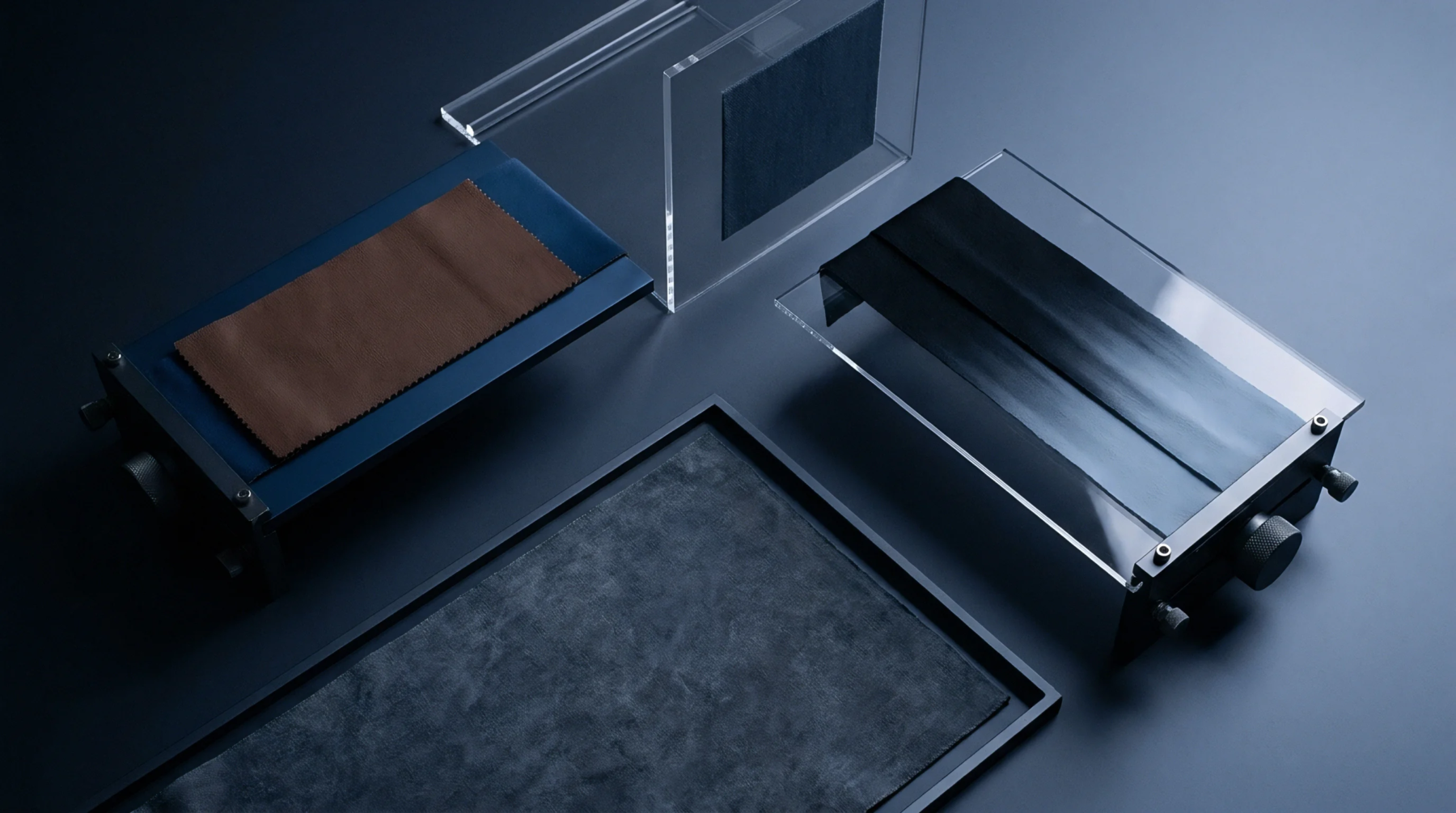
Fabric swatch dispute resolution requires unbroken physical custody logs, transaction certificates matched to roll tags, and ISO 17025 split-sample testing.
Symmetric nozzle velocity between 18 and 22 m/s during intermediate drying prevents dye migration and maintains shade uniformity in polyester cotton blends.
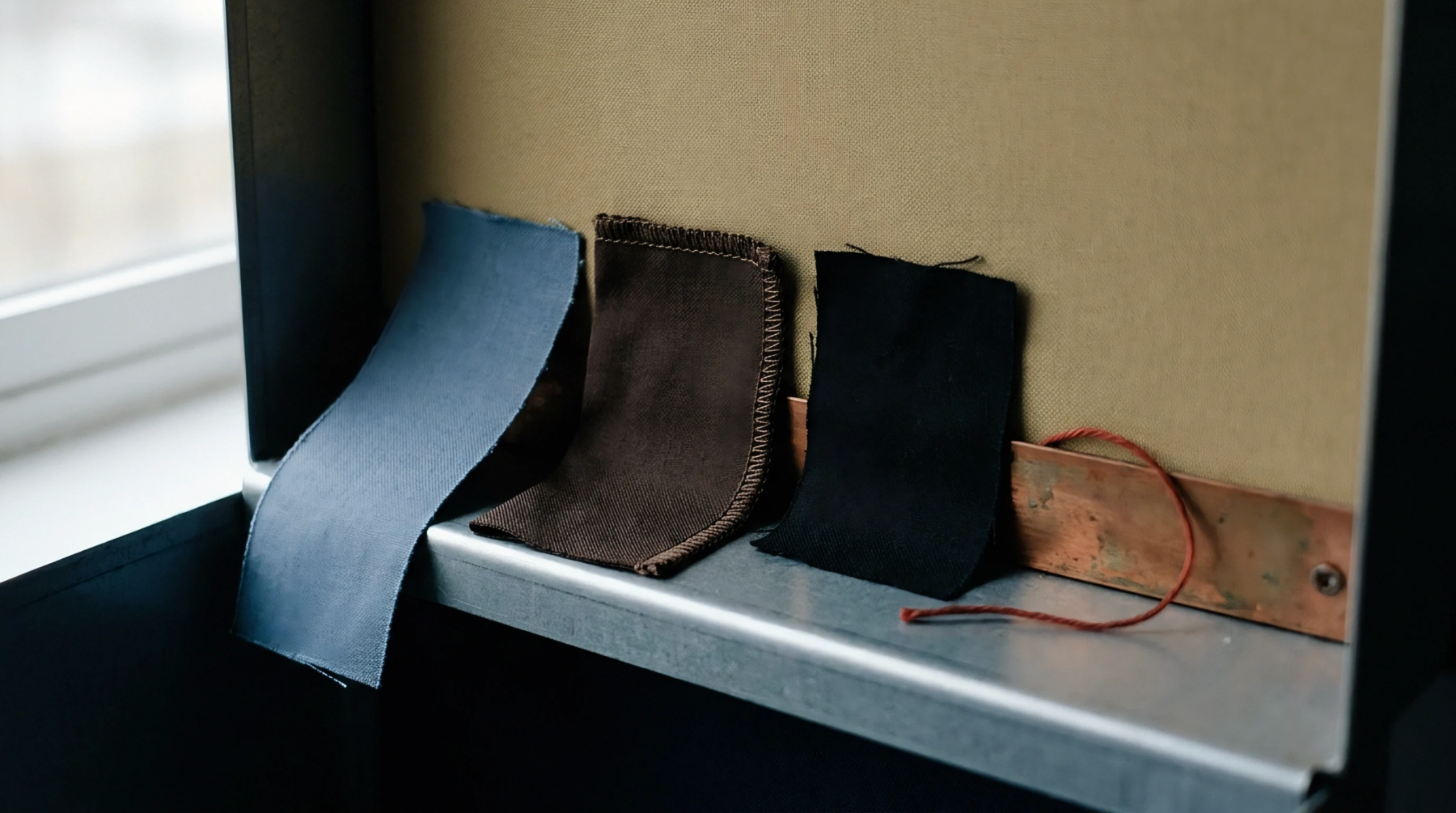
Concentrated alkali silicate baths skew glass electrode pH readings via liquid junction potentials and diaphragm fouling, requiring differential sensors or titration.
Controlled progressive alkali dosing prevents premature vinyl sulfone hydrolysis and maximizes heterobifunctional reactive dye covalent fixation on cotton.
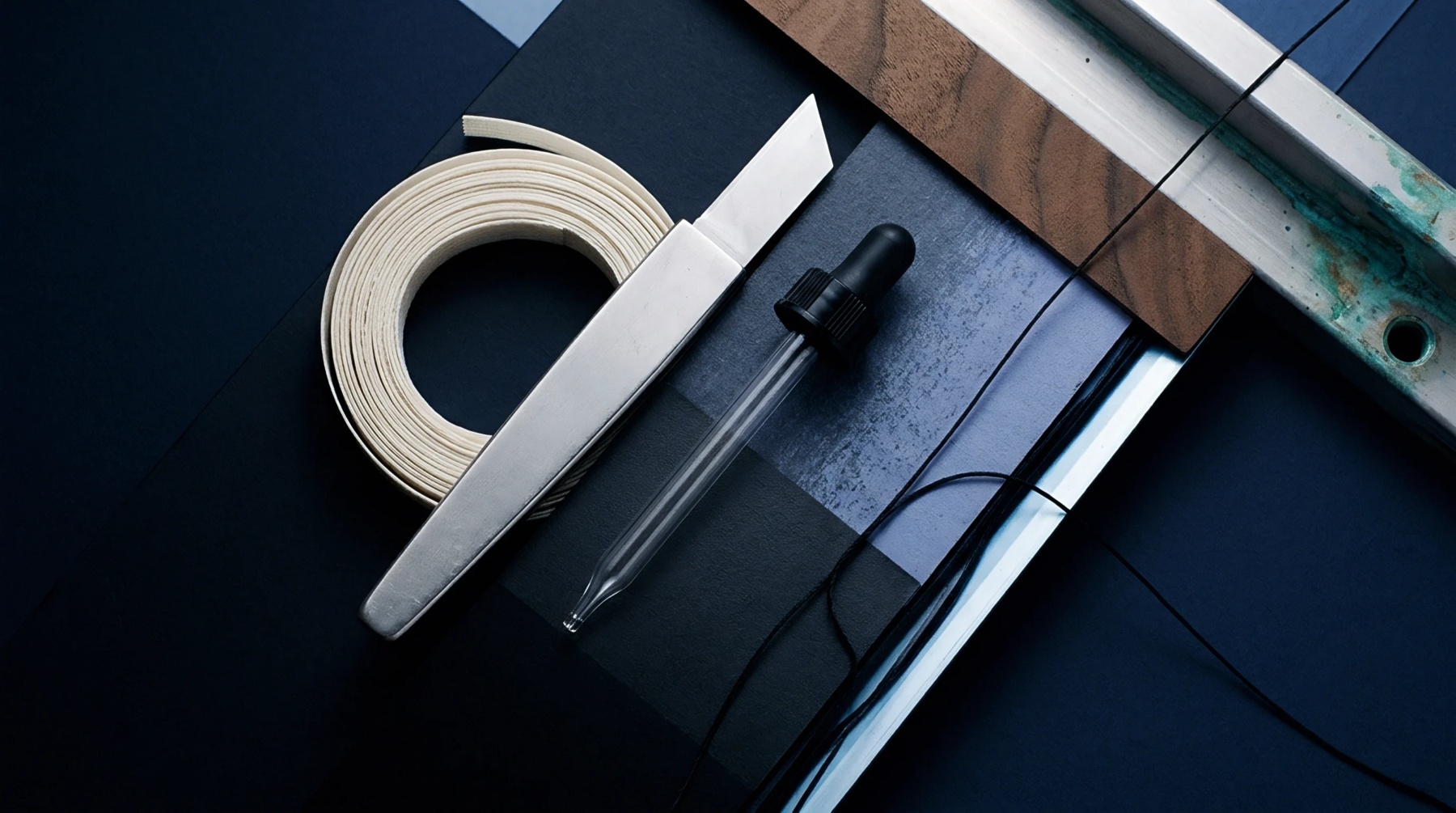
Matching digital ink shear viscosity with controlled pad pick-up targets optimizes optical density and suppresses edge bleeding in high-speed printing.
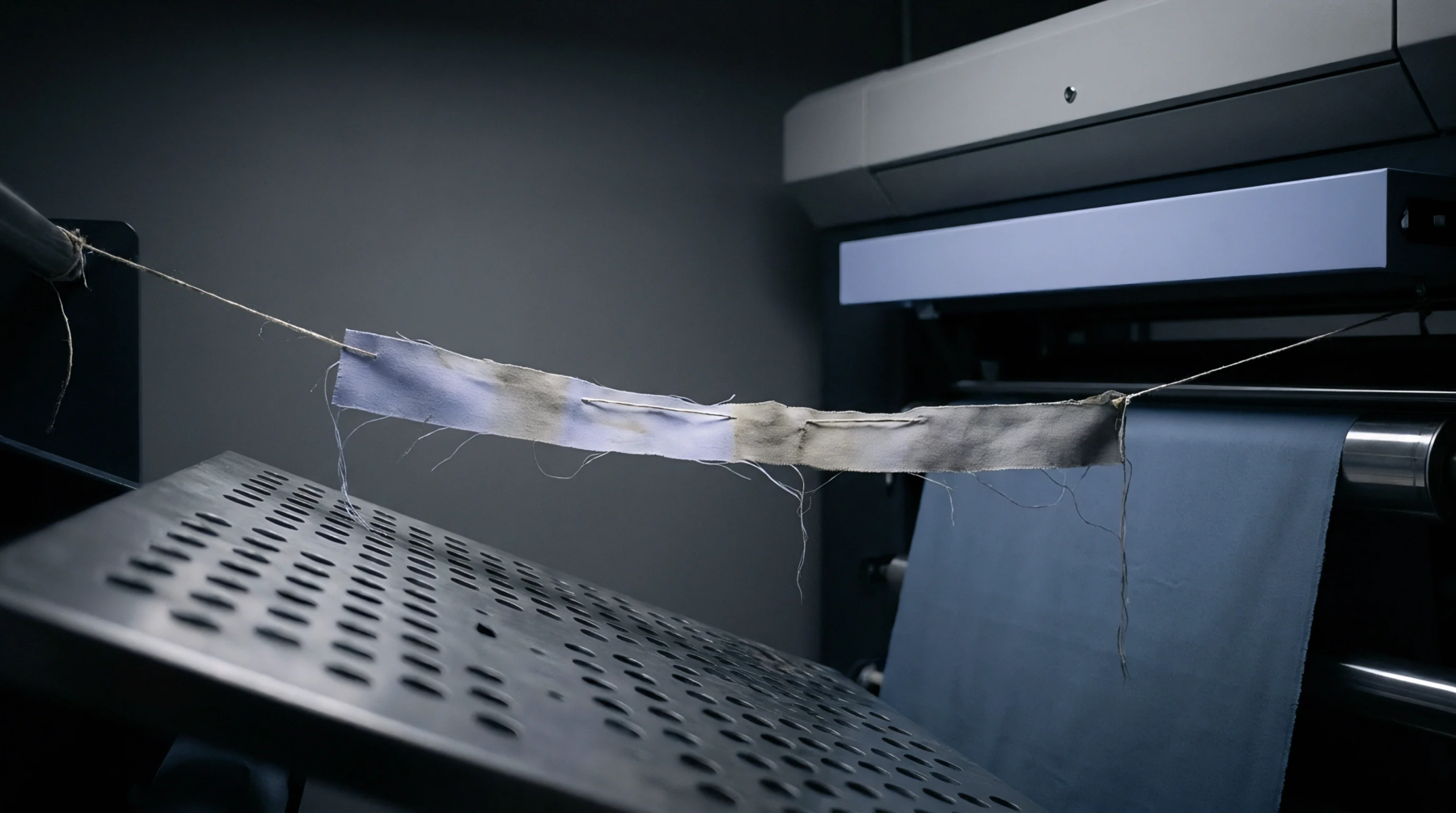
Aligning print technologies requires specifying CIEDE2000 tolerances below 0.8, capping metamerism indices under secondary illuminants, and adjusting wet crock floors.
Expertise is a utility, not a secret. sentiention™ publishes its working knowledge as open reference: intelligence layer covering the materials it sources, the markets it enters, and the reference that serves both.