Dimensional Stability after the Wash Cycles a Mill Never Ran
Standard one cycle wash tests hide progressive shrinkage; verifying dimensional stability requires multi cycle laundering data and mill finishing tension audits.
Standard one cycle wash tests hide progressive shrinkage; verifying dimensional stability requires multi cycle laundering data and mill finishing tension audits.
65/35 poly-cotton workwear performance relies on ring twist multipliers near 4.4 and early shed timing to maximize warp cover factor without pilling failure.

Fabric performance depends on greige interlacing geometry, wet processing relaxation, and multi-mill supply chain lead times.

Global textile clearance demands lot-specific ISO 17025 test reports verifying chemical limits and physical integrity standards matching customs entries exactly.
Long term greige storage transfers financial risk from yarn pricing to wet processing variance, requiring strict storage controls and clear dyehouse testing bounds.

Type approval certificates prove mill capability, while targeted lot indicator testing on repeat orders verifies shipment conformity before vessel loading.

Harmonize multi-market physical fabric testing by implementing worst-case envelope protocols and validating ISO 17025 laboratory accreditation scopes.
Correlating loom sett and machine gauge to wet shrinkage requires matching grey thread density and stitch length to wet relaxation limits before finishing.
Reconciling yarn extrusion transaction certificates requires adjusting gross output weight for spin finish oils and moisture against real extruder purge loss.
Calculating correct loom reed width requires combining off-loom grey contraction, finished warp sett, and weft crimp percentage into one unified formula.
Optimize air-jet polyurethane wovens by setting stenters to 190°C with +24% overfeed, holding heat setting efficiency above 88% and growth below 2.5%.
Crosslink density decay during repeated wet processing dictates the trade-off between durable crease recovery and catastrophic fabric tear strength loss.
Fabric specifications mandate exact finished thread densities, stitch lengths, and test conditions to enforce supplier compliance and control landed costs.
Single jersey curl stems from unbalanced yarn torque and asymmetrical loop tension; durable flat performance demands structural yarn balancing rather than temporary resin finishes.
Dynamic web tension locks yarn crossovers into high-resistance capillary slit pores, requiring controlled positive overfeed to maintain open fluid transport.
Dimensional and cover loss disputes require binding retain-swatch testing under ISO 5077 to isolate mill finishing strain from spreading room tension.
Warp and weft crimp exchange during wet finishing balances longitudinal overfeed and lateral rail draft to set fabric weight and arrest post-wash shrinkage.
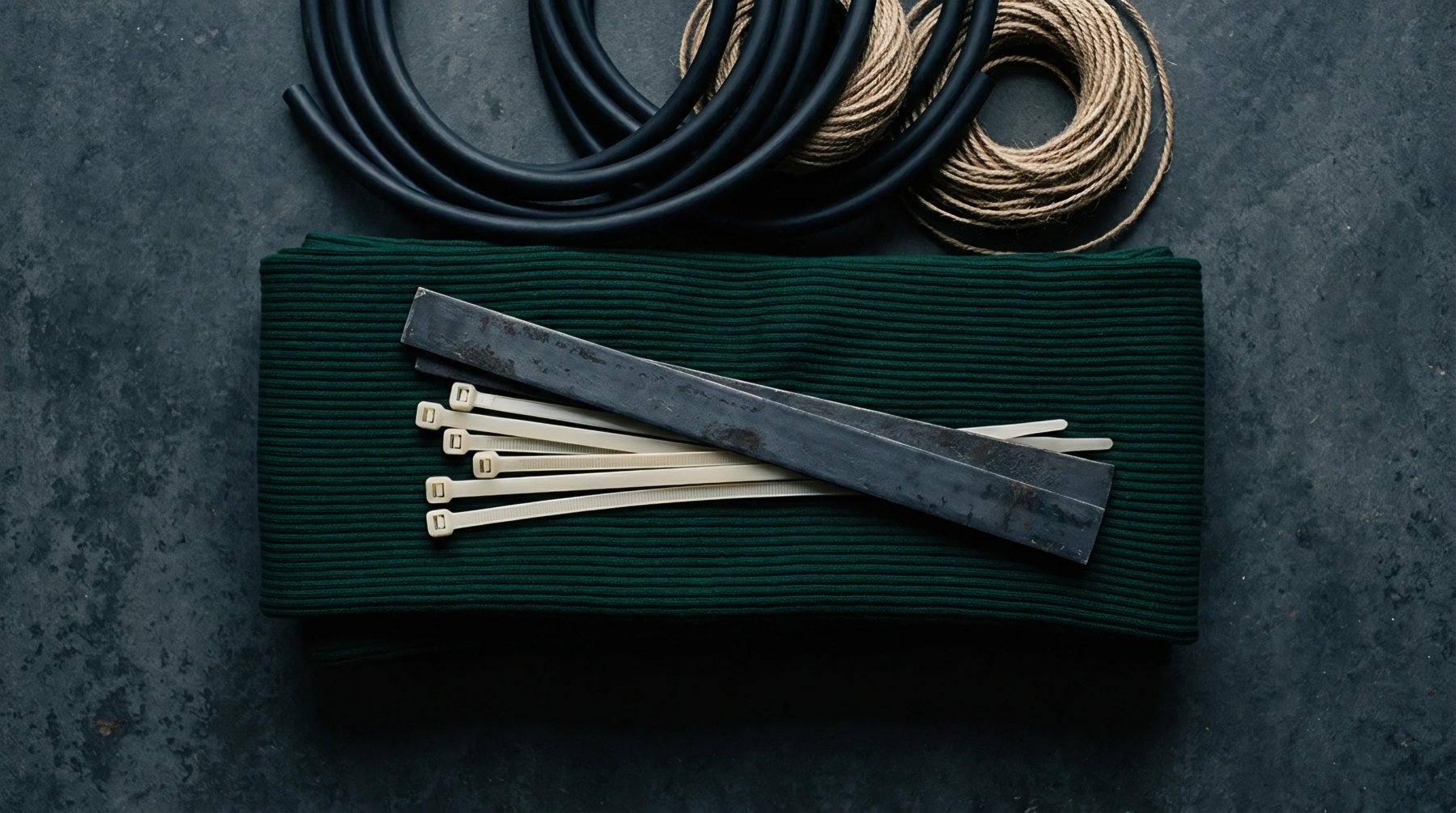
Commission dyeing defect liability requires contractual tripartite agreements, pre-process greige verification gates, and analytical fault isolation.
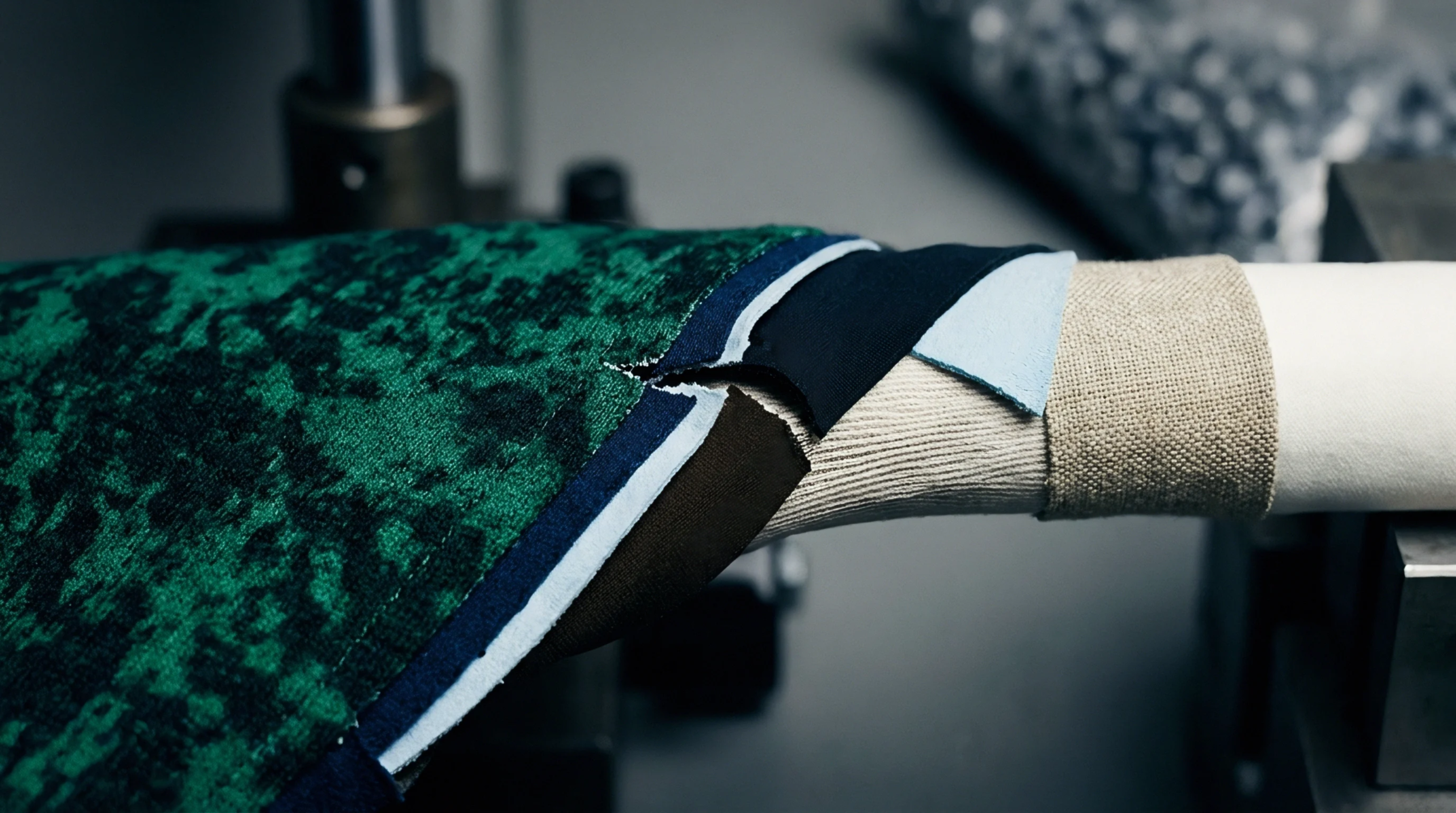
Calibrate stenter line speed to effective core dwell time above 190°C rather than total chamber residence to prevent spandex degradation and knit shrinkage.
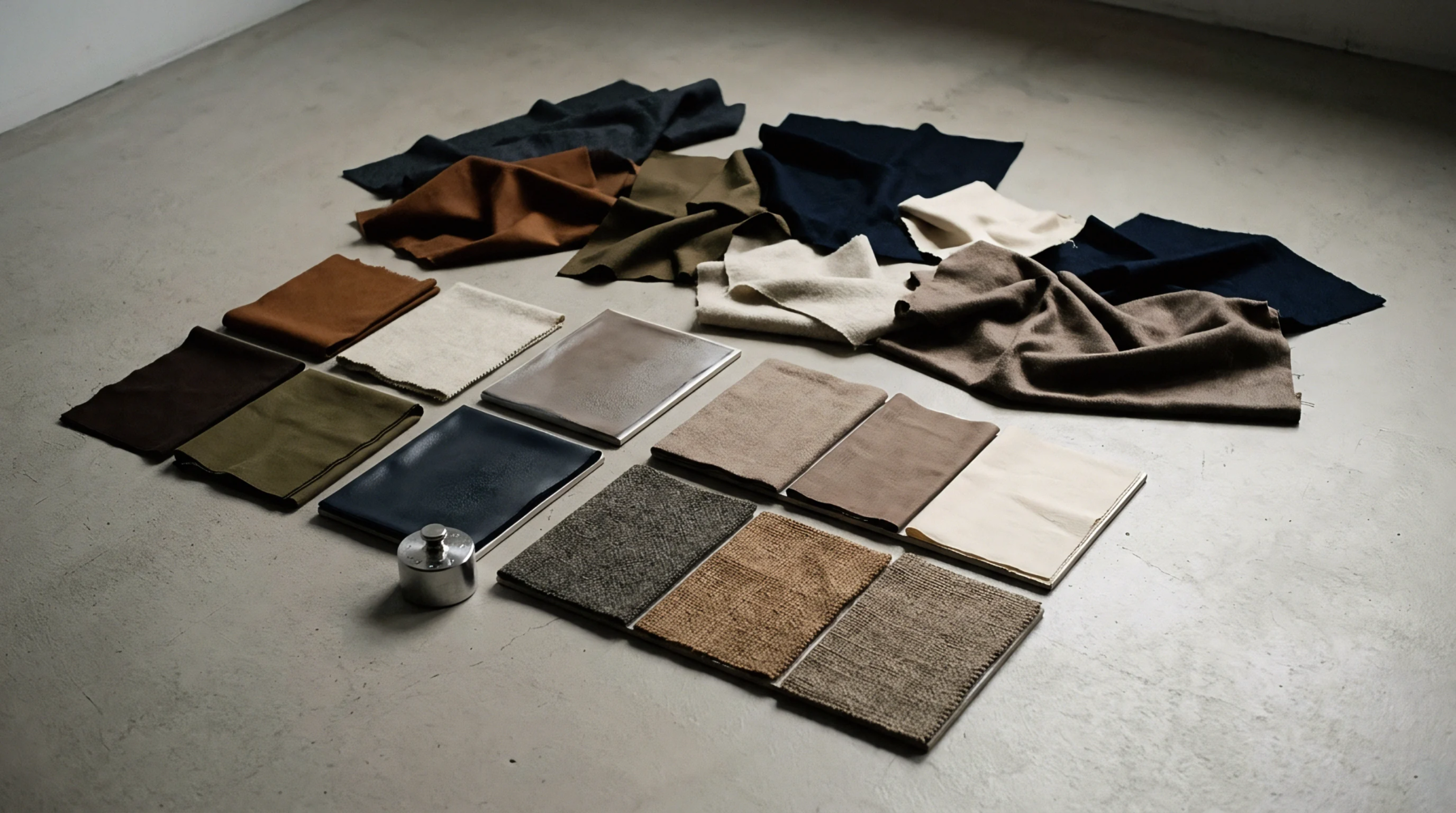
Reconciling woven fabric invoices requires deducting size solids and applying standard moisture regain to oven-dry mass before validating linear yield.
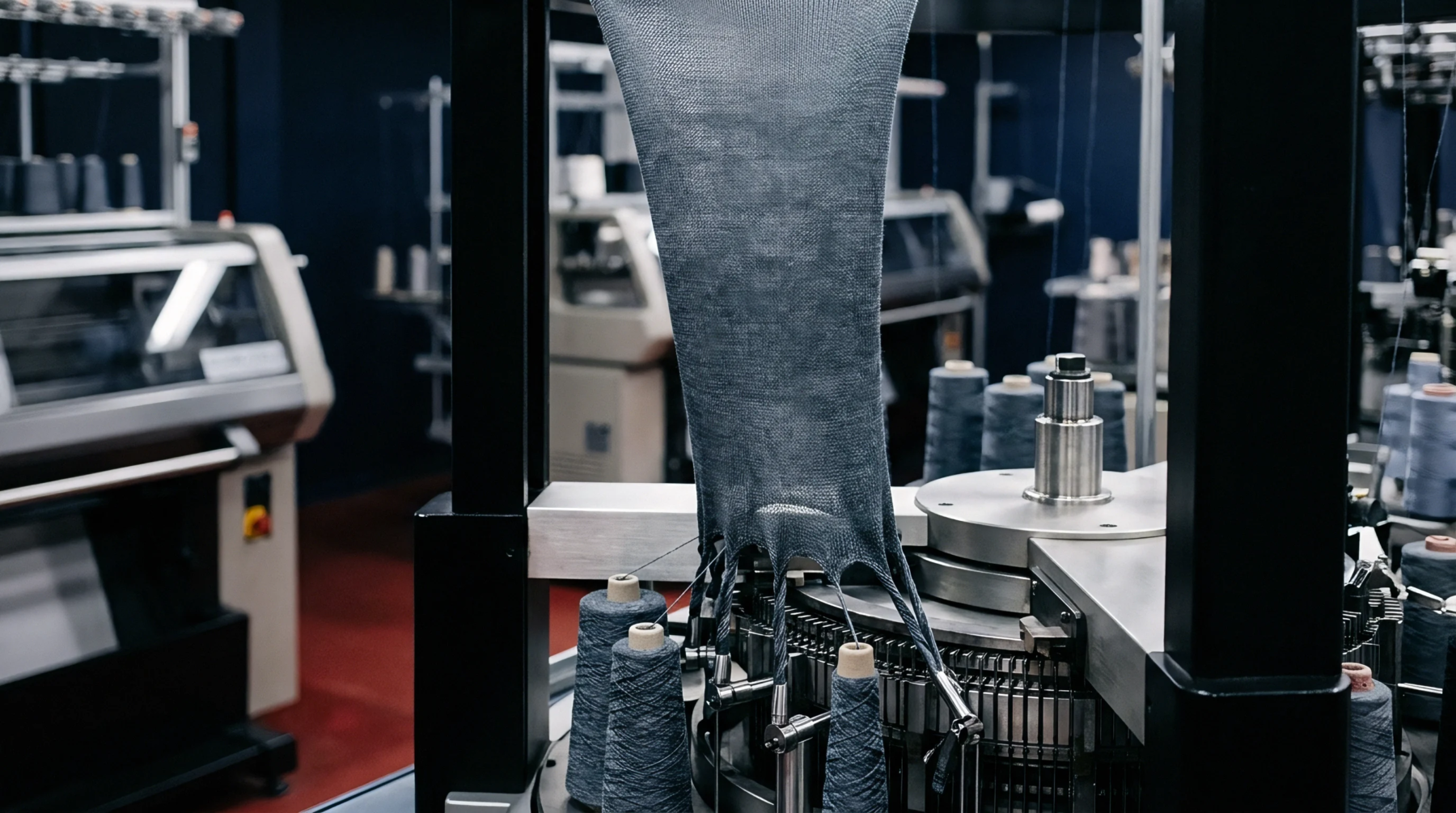
Matching knitting machine gauge to yarn linear density fixes loop tightness factor, setting the upper limit for aqueous dimensional contraction during wet finishing.
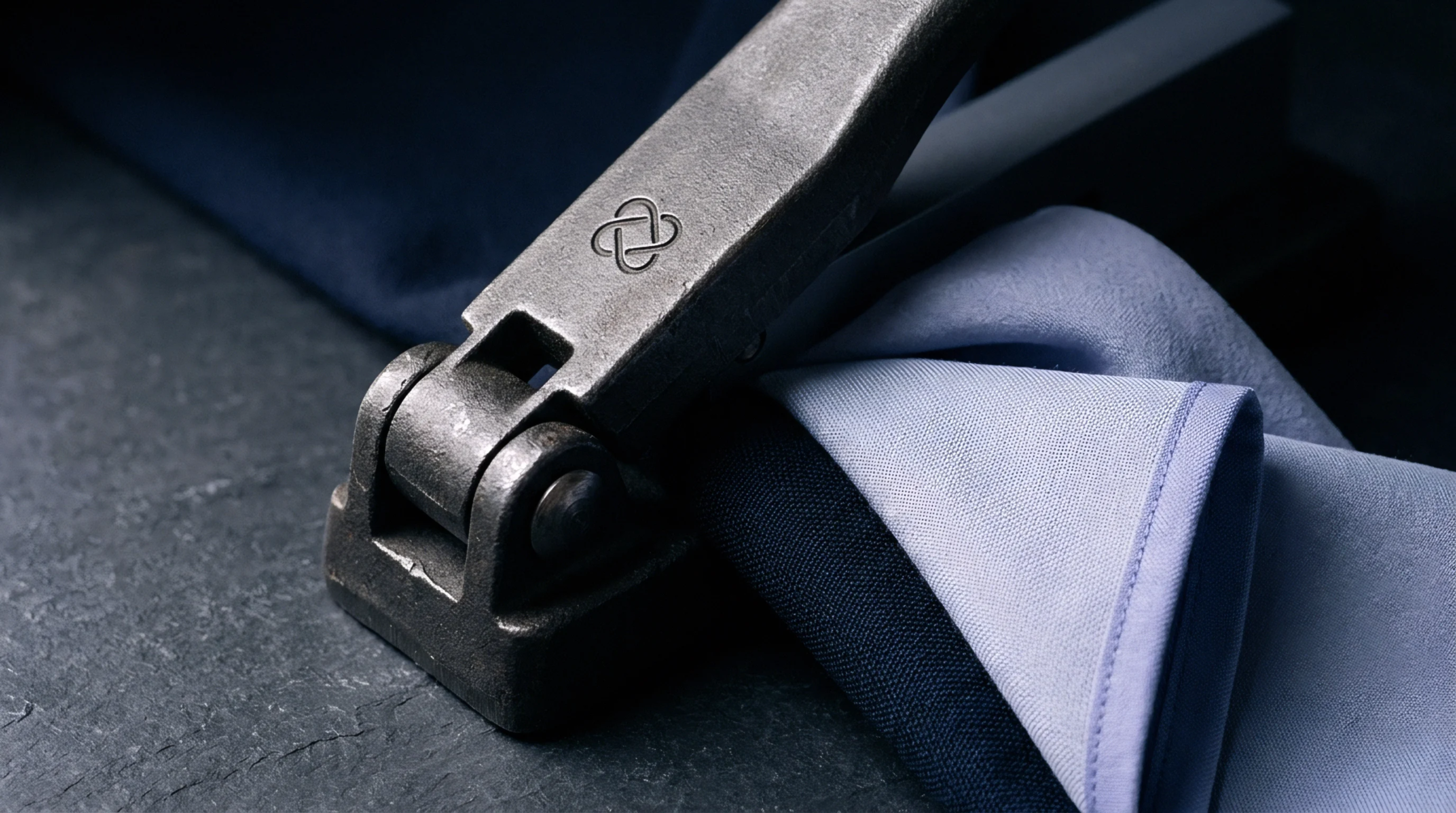
Fabric compaction and selective finish stripping alter finished composition ratios, requiring grey yarn adjustments to maintain imported chief weight compliance.

Symmetric nozzle velocity between 18 and 22 m/s during intermediate drying prevents dye migration and maintains shade uniformity in polyester cotton blends.

Continuous stenter overfeed forces must balance longitudinal yarn buckling thresholds against friction to set finished course density without cloth corrugation.

Warp and weft crimp exchange in high-density weaving shifts structural waviness across processing, dictating finished sett, shrinkage, and air permeability.
Predicting plain weave jamming limits prevents fabric distortion and secures dimensional stability across caustic mercerizing, dyeing, and wash finishing.

Fine gauge knit contraction relies on balancing hydrodynamic wet relaxation with stenter overfeed to lock loop geometry before garment cutting.
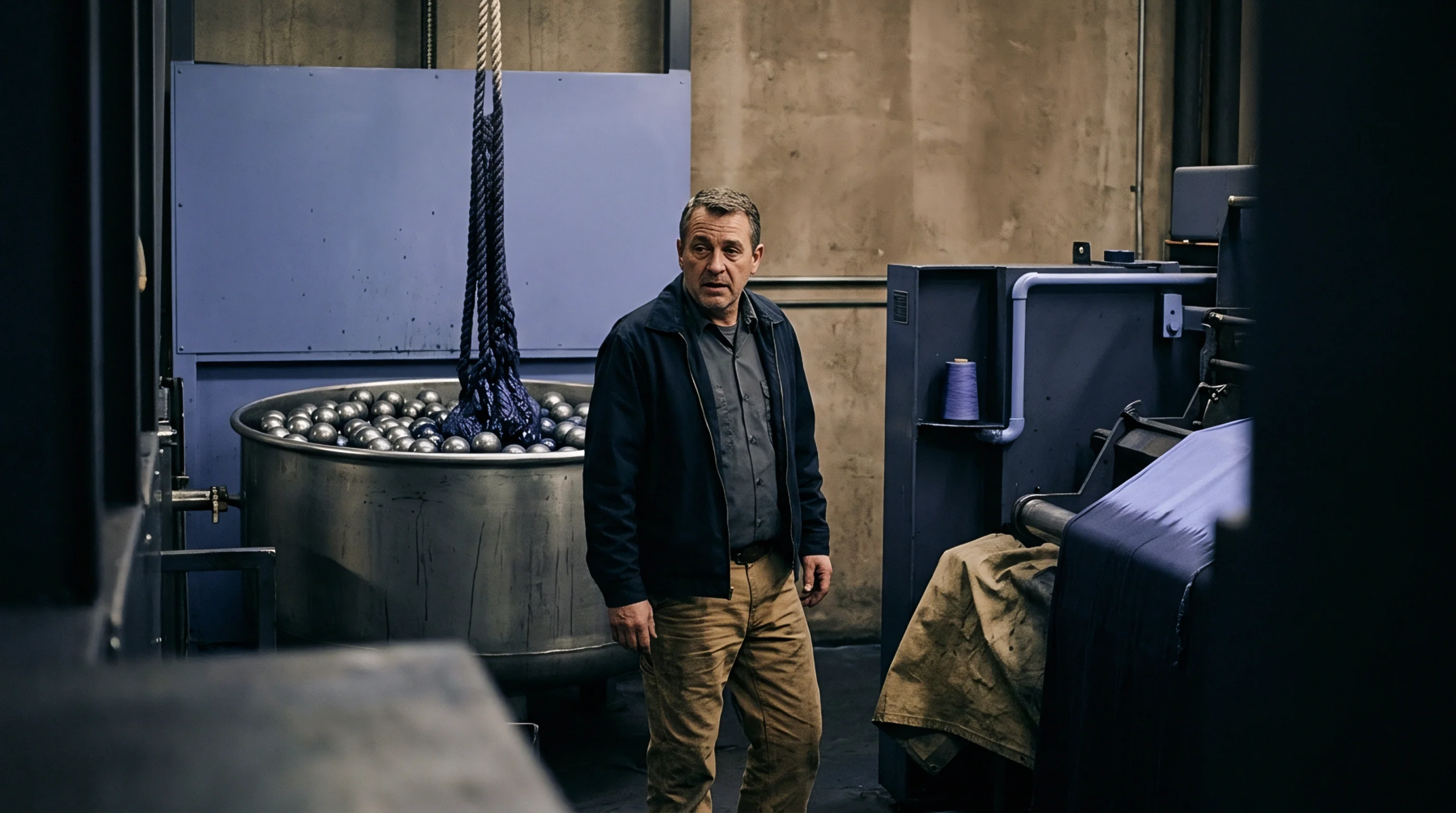
Hydrothermal finishing minimizes woven biaxial strain energy by plasticizing fiber bonds, allowing tensionless crimp interchange to set stable dimensions.
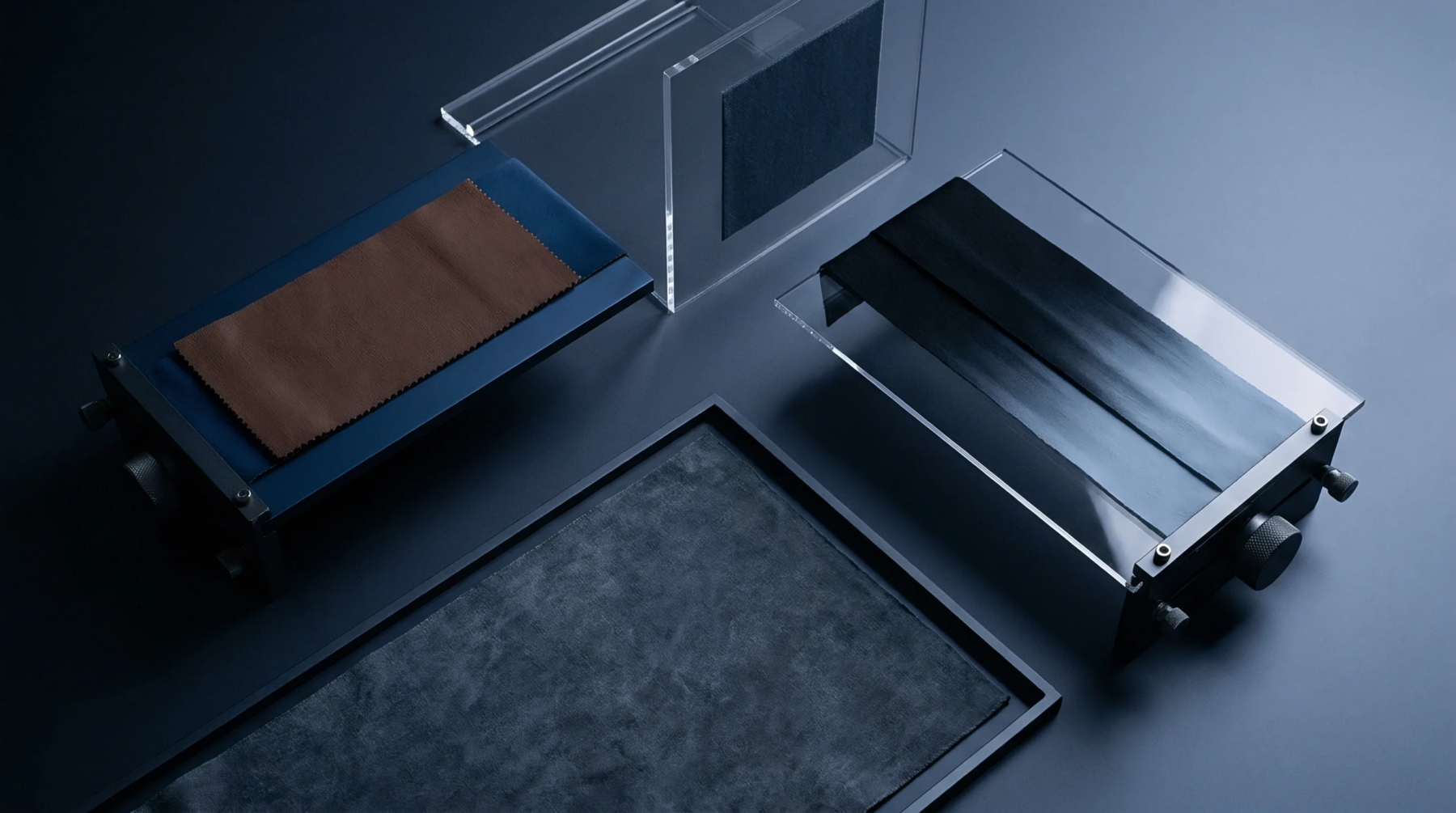
Inter-laboratory textile test discrepancies represent statistical reproducibility dispersion that must be governed through contractual guard bands.
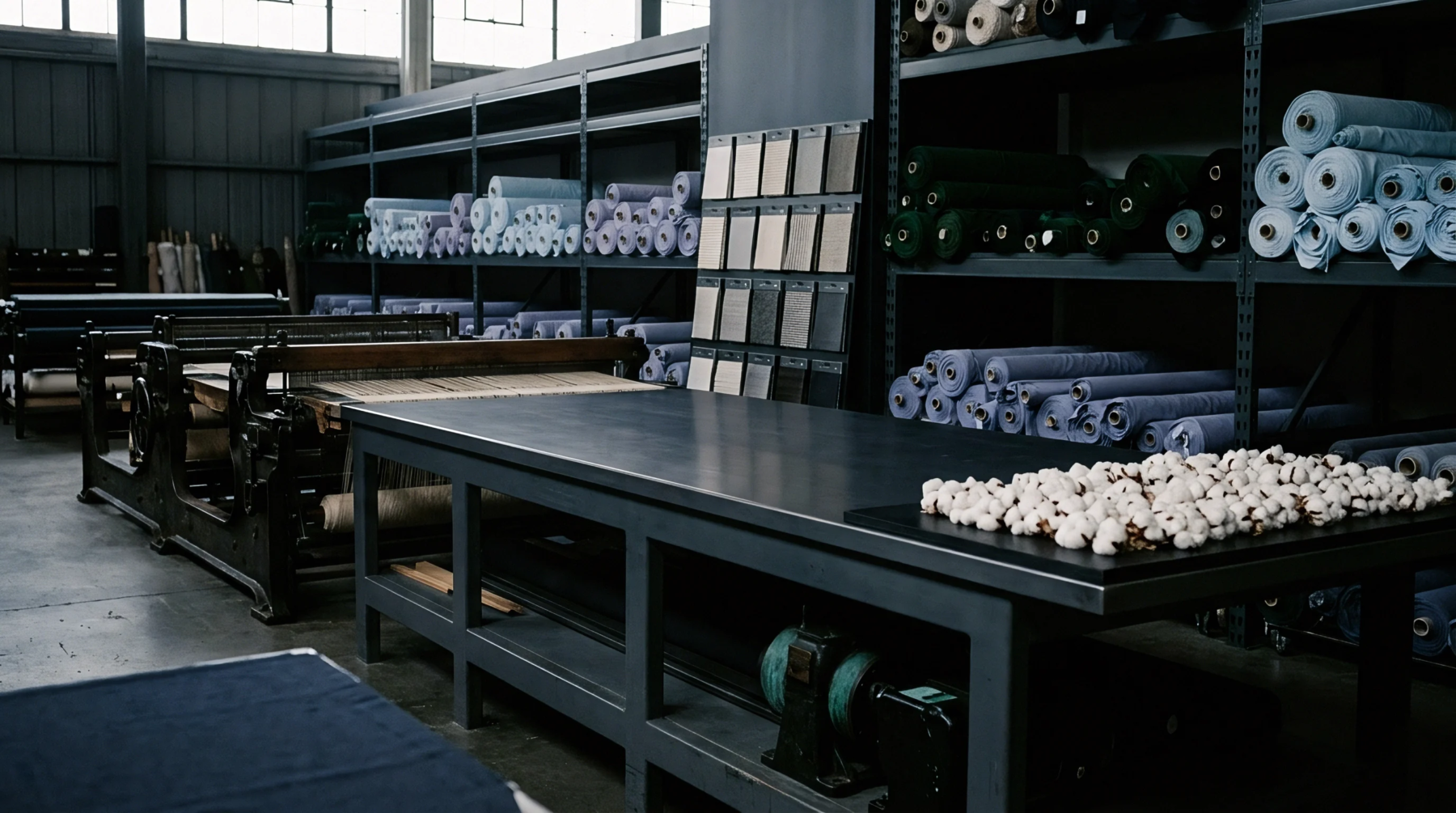
Audit scopes must encompass spinning inputs through subcontract finishing lines to hold prime vendors liable for latent wet processing defects.
Expertise is a utility, not a secret. sentiention™ publishes its working knowledge as open reference: intelligence layer covering the materials it sources, the markets it enters, and the reference that serves both.